Irish & British Slang Quiz
Think you know the difference between a 'press' and a 'cupboard'? Or do you know what locals really mean by 'the craic'? Take this quick quiz to test your linguistic savvy.
Loading question...
Quiz Complete!
You scored 0 out of 5.
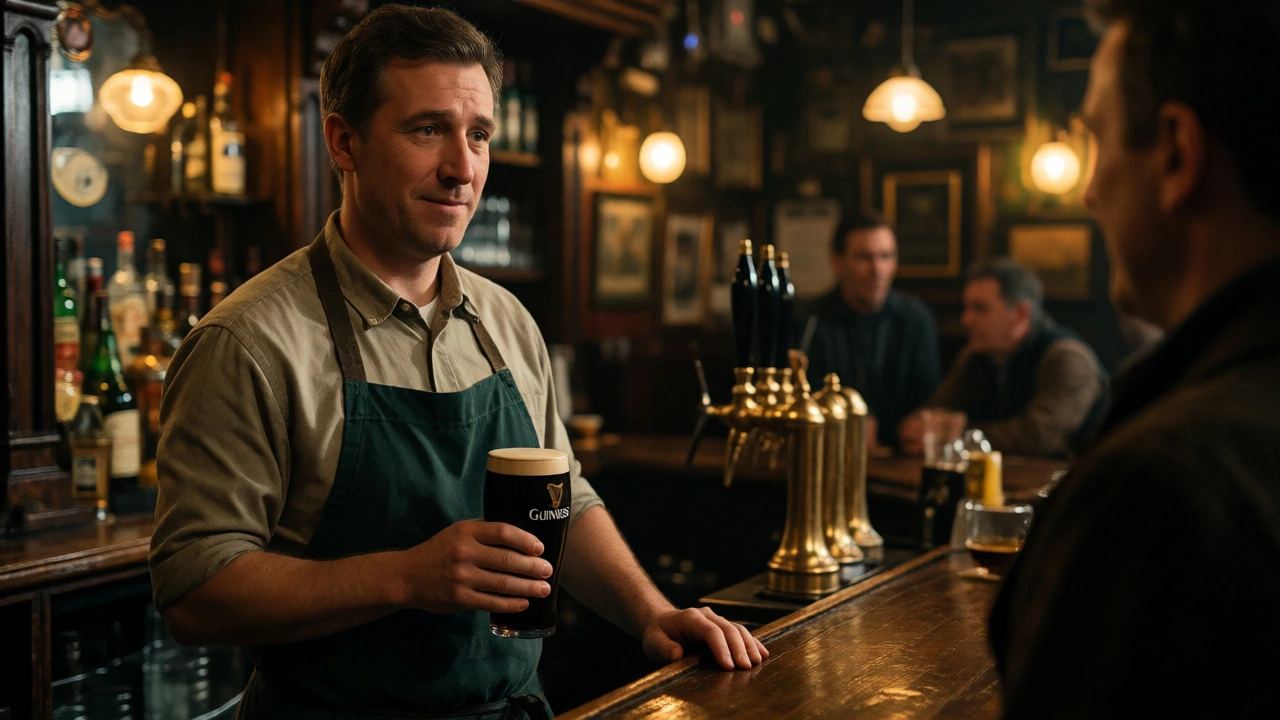
You walk into a pub in Dublin city centre, order a pint of Guinness, and ask the barman if he can chill your fridge. He looks at you blankly. Not because he doesn't know what a fridge is, but because he thinks you're speaking a different language. This isn't just a joke; it's a real linguistic gap that trips up plenty of visitors and even some confused locals when they cross the border or hop on a ferry to Holyhead. So, what do Brits call a fridge? And more importantly, why does this matter if you're looking for the perfect gift or a conversation starter?
The short answer is: they don't call it anything different. In standard British English, it is also called a "fridge." However, the confusion stems from a persistent myth that has fueled decades of banter between the UK and Ireland. People often claim Brits say "icebox," "cooler," or even "chiller." They don't. But here in Ireland, we have our own rich tapestry of terms that make the simple act of storing milk an exercise in cultural identity.
The Great Fridge Myth Explained
Let's clear the air first. If you search online for "what do Brits call a fridge," you'll find thousands of clickbait articles suggesting they use obscure words like "cold box" or "refrigerator" exclusively. While "refrigerator" is technically correct, no one says it in casual conversation. A Brit in Manchester or London will say "put it in the fridge" just like you would in Cork or Galway.
So where does the confusion come from? It largely comes from American influence and regional dialects. Americans sometimes say "icebox" (an older term) or "cooler" (usually referring to a portable ice chest). When Irish people hear Americans using these terms, they sometimes mistakenly attribute them to the British. Or, perhaps more likely, it's just good-natured ribbing. We love poking fun at each other across the Irish Sea. Saying "you lot call it a chiller" is a way to highlight difference, even if the difference is minimal.
How We Say It Here in Ireland
If Brits and most Americans say "fridge," what about us? Well, we mostly say "fridge" too. But if you want to sound authentically local, especially outside the major cities, you might hear other terms. In rural parts of the West, particularly around Connemara or Mayo, you might still hear "the press" used loosely, though this usually refers to the cupboard above the stove. True, "press" is technically a cabinet, not a cooling device, but language is fluid.
More commonly, you'll hear "the cold box" or "the cooler" used interchangeably with fridge in certain contexts, especially among older generations who remember when actual ice was delivered. In working-class communities in Dublin, such as the Northside, you might hear "the freezer" used to refer to the whole unit, even if only the bottom half freezes. It’s shorthand. You’re not being pedantic; you’re saving breath.
Then there's the word "icebox." While rare in modern daily speech, it pops up in nostalgia. If your grandmother talks about "the old icebox," she means the pre-electric era contraption that held a block of ice. Today, calling a modern Bosch appliance an "icebox" is either ironic or a sign you haven't updated your vocabulary since 1975.
Why This Matters for Your Wardrobe
You might be wondering, "Fiona, I'm shopping for t-shirts, not writing a linguistics thesis." Fair point. But language is style. Think about the last time you bought a graphic tee. Did you buy it for the fit? Sure. But often, you buy it for the message. A t-shirt that plays on linguistic differences is instantly relatable. It signals belonging. It says, "I get the joke. I live here. I understand the nuance."
In Ireland, humor is often dry, self-deprecating, and rooted in everyday observations. A t-shirt that reads "It's a Fridge, Not an Icebox" works because it validates a specific frustration many of us feel when dealing with foreign tourists or new expats. It’s a badge of honor. It shows you’re part of the club that knows the right word, even if the "wrong" word is technically acceptable elsewhere.
Consider the market for novelty tees in places like Temple Bar or Grafton Street. You see shirts referencing "Craic," "Grand," and "Yoke." Why? Because these words are shibboleths. If you wear a shirt saying "Don't Mind Me, I'm Just Looking for My Fridge," you’re tapping into a shared experience. You’re inviting conversation. And in a country where the pub is the living room, conversation is currency.
British vs. Irish Terminology: A Quick Guide
To help you navigate both the supermarket aisle and the clothing rack, let's break down the key terms. This isn't just about fridges; it's about understanding the subtle shifts in vocabulary that define our respective islands.
| Item | Standard British English | American English | Common Irish Usage | Context Note |
|---|---|---|---|---|
| Refrigerator | Fridge | Refrigerator / Fridge | Fridge | Universal term. Safe everywhere. |
| Cooler Box | Cooler / Cool box | Cooler | Cooler / Icebox | Often used for camping gear in Ireland. |
| Freezer | Freezer | Freezer | Freezer / Freezer compartment | Irish homes often have integrated units. |
| Cupboard | Cupboard | Pantry / Closet | Press | "The Press" is distinctly Hiberno-English. |
| Larder | Larder | Pantry | Press | Old term fading out, replaced by 'Press'. |
Notice the column for "Common Irish Usage." It highlights how we borrow from both sides of the Atlantic while maintaining our own quirks. "Press" is the standout here. If you tell a Brit you put the tea bags in the "press," they’ll look confused. If you tell an American, they’ll think you mean a garment steamer. But if you say it to someone from Limerick, they’ll nod knowingly.
Choosing the Right Slogan for Your Tee
So, you’ve decided to buy or design a t-shirt based on this linguistic divide. What should it say? Here are three angles that work well in the Irish market:
- The Pedant: "It’s Called a Fridge." Simple, direct, slightly smug. Perfect for someone who enjoys correcting others over a pint.
- The Nostalgic: "Remember the Icebox?" Appeals to older demographics or those who appreciate vintage aesthetics. Works well with retro fonts.
- The Confused Tourist:** "Where is the Chiller?" Mocking the outsider’s perspective. This is great for gifts for friends who just moved to Ireland from the US or Australia.
Avoid overly complex jokes. If you need a footnote to explain the pun, it won’t sell. The best Irish humor is immediate. Think of the classic "It’s Grand" t-shirts. Everyone gets it instantly. Your fridge shirt needs that same snap.
Where to Buy Authentic Irish Tees
If you’re in Dublin, skip the tourist traps on O’Connell Street unless you want mass-produced rubbish. Head to independent stores in Smithfield or the Liberties. Places like Dublin Design Week pop-ups often feature local artists who play with language. These shirts are printed locally, meaning better quality cotton and designs that actually resonate with locals.
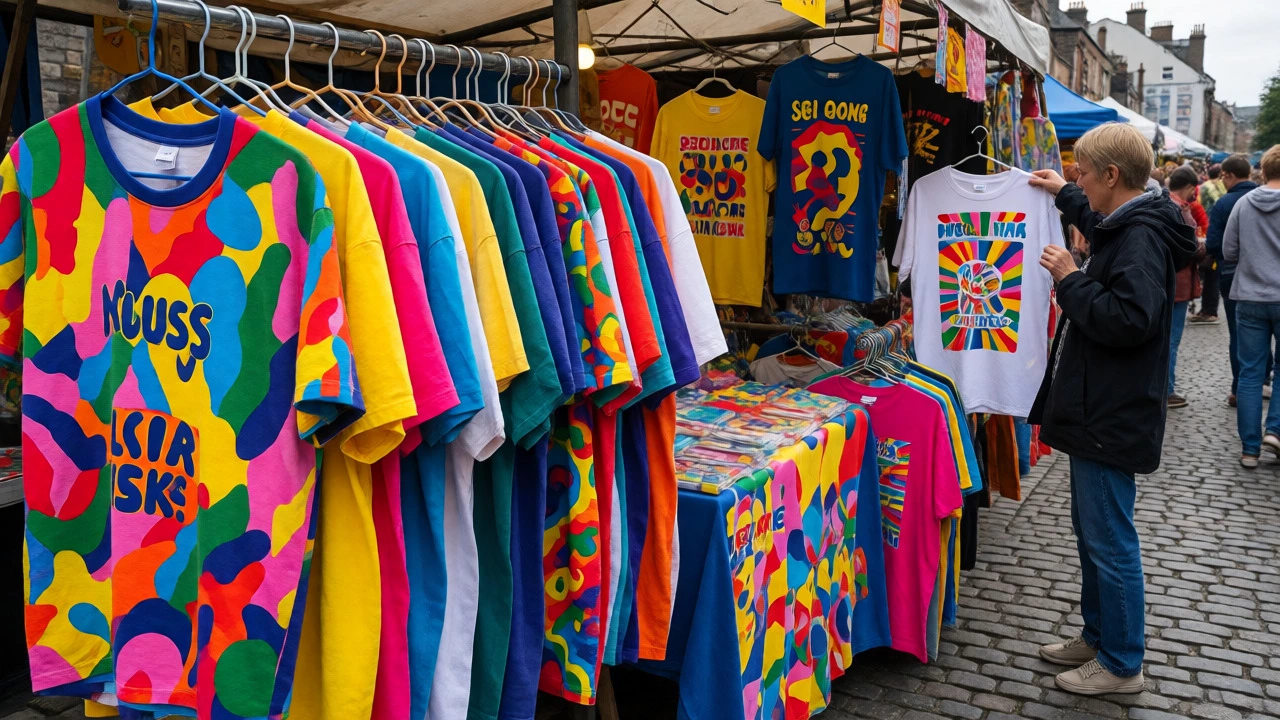
For those outside the capital, check out markets in Galway or Cork. The English Market in Cork often has stalls selling quirky apparel. Buying from a local maker supports the community and ensures you’re getting a product that understands the local dialect. Plus, you can haggle a bit. That’s very Irish.
Online, look for brands that specialize in Hiberno-English humor. Search for keywords like "Irish slang t-shirts" or "Dublin humour apparel." Be wary of generic "Lucky Irish" merchandise sold globally. Those often miss the mark because they rely on stereotypes (leprechauns, green beer) rather than authentic linguistic wit.
Beyond the Fridge: Other Words That Trip Us Up
If you’re interested in fridge terminology, you’ll likely enjoy other examples of how our English differs. Take "wee." To a Scottish person, "wee" means small. To an Irish person, "wee" can mean anything from small to significant, depending on tone. "Have a wee chat" could mean five minutes or two hours. Context is king.
Or consider "craic." Originally spelled "crack," it meant fun or gossip. Now, it’s ubiquitous. "What’s the craic?" is the universal greeting. Wearing a shirt that says "No Craic" is a powerful statement. It tells the world you’re having a bad day and don’t want to talk. It’s efficient communication.
These linguistic markers are what make Irish culture distinct. They aren’t just words; they’re social codes. Understanding them helps you blend in. Buying a t-shirt that references them is a shortcut to showing you belong.
Final Thoughts on Language and Style
Language evolves. Ten years ago, "fridge" was the undisputed king. Today, with streaming services bringing American accents into every living room, terms like "icebox" or "cooler" are creeping back in. Younger people in Dublin might mix these terms freely. It’s not wrong; it’s just change.
But for now, if you want to be safe, stick with "fridge." If you want to be funny, play on the confusion. And if you want to be authentically Irish, maybe throw in a "yoke" or a "grand" somewhere. After all, fashion is personal, but language is communal. Wear your words proudly.
Do Brits really call a fridge something else?
No, in standard British English, they call it a "fridge" just like Americans and most Irish people. The idea that they use unique terms like "icebox" or "chiller" is largely a myth or limited to very specific regional dialects or older generations. Most Brits use "fridge" in daily conversation.
What is the most common Irish word for a kitchen cupboard?
In Ireland, the most common term for a kitchen cupboard, especially the one above the stove or holding dry goods, is "the press." This is a distinct Hiberno-English term that differs from the British "cupboard" or American "pantry/closet."
Are t-shirts about Irish slang popular in Ireland?
Yes, t-shirts featuring Irish slang, humor, and linguistic quirks are very popular. They serve as conversation starters and expressions of identity. Designs referencing words like "craic," "grand," or misunderstandings about appliances like fridges tend to perform well in local markets and online stores catering to Irish audiences.
Is "icebox" an outdated term in Ireland?
Generally, yes. "Icebox" is considered an archaic term referring to pre-electric refrigeration methods. While it might be used nostalgically or ironically, modern Irish households almost exclusively use "fridge" or occasionally "freezer" for the entire unit. Using "icebox" today might signal age or a deliberate retro aesthetic.
Where can I find high-quality Irish-themed t-shirts?
For authentic, high-quality options, visit independent retailers in Dublin’s Smithfield or Liberties districts, or local markets in Galway and Cork. Online, seek out brands specializing in Hiberno-English humor rather than generic souvenir shops. Look for local printing to ensure better fabric quality and culturally relevant designs.