Flip-Flops and Foot Health: What You Need to Know in Ireland
When you think of flip-flops, a simple, open-toed sandal commonly worn in warm weather. Also known as Hawaii slippers, it’s the go-to choice for beaches, garden centres, and quick runs to the shop in Ireland. But here’s the thing: just because they’re everywhere doesn’t mean they’re safe. In Ireland, where rain turns pavement into slick surfaces and uneven cobblestones are everywhere, flip-flops can do more harm than good if you wear them too often or for too long.
Foot health isn’t just about comfort—it’s about support. Your feet take on your whole body weight with every step, and flip-flops offer almost none. No arch support. No heel cushioning. No stability. That’s why people in Ireland who walk long distances—whether it’s to the bus stop, the market, or a festival—often end up with sore arches, plantar fasciitis, or knee pain. Local podiatrists see it all the time. The problem isn’t the flip-flop itself; it’s using it as everyday footwear in a climate that demands more from your shoes. That’s why brands like Ugg and local Irish makers focus on grippy soles, padded insoles, and closed backs for summer wear. Flip-flops might feel cool, but they’re not built for Irish streets.
And it’s not just about the design—it’s about how you use them. Wearing flip-flops while walking on wet tiles, climbing stairs, or standing for hours at work? That’s asking for trouble. Irish workplaces, from hospitals to shops, often ban them for safety reasons. Even casual settings like Galway festivals or Dublin parks see people switching to supportive sandals by midday. The real trend isn’t ditching flip-flops entirely—it’s knowing when to wear them and when to grab something sturdier. A good summer shoe in Ireland needs to handle rain, mud, and uneven ground without sacrificing comfort. That’s why Hawaii slippers, while popular, are mostly for beach days and backyard lounging—not long walks or commuting.
So what’s the fix? You don’t need to give up flip-flops. You just need to choose smarter. Look for ones with contoured footbeds, rubber soles with grip, and straps that hold your foot securely—not just dangling loose. Brands that make them for European climates often add these features. And if you’re on your feet all day, swap them for a supportive slide or a low-heeled sandal with arch support. Your feet will thank you by the end of summer.
Below, you’ll find real advice from Irish shoppers, podiatrists, and locals who’ve learned the hard way. From which flip-flops actually last in wet weather to when you should skip them entirely—this collection gives you the facts, not the fluff.
Why Irish Podiatrists Warn Against Flip‑Flops
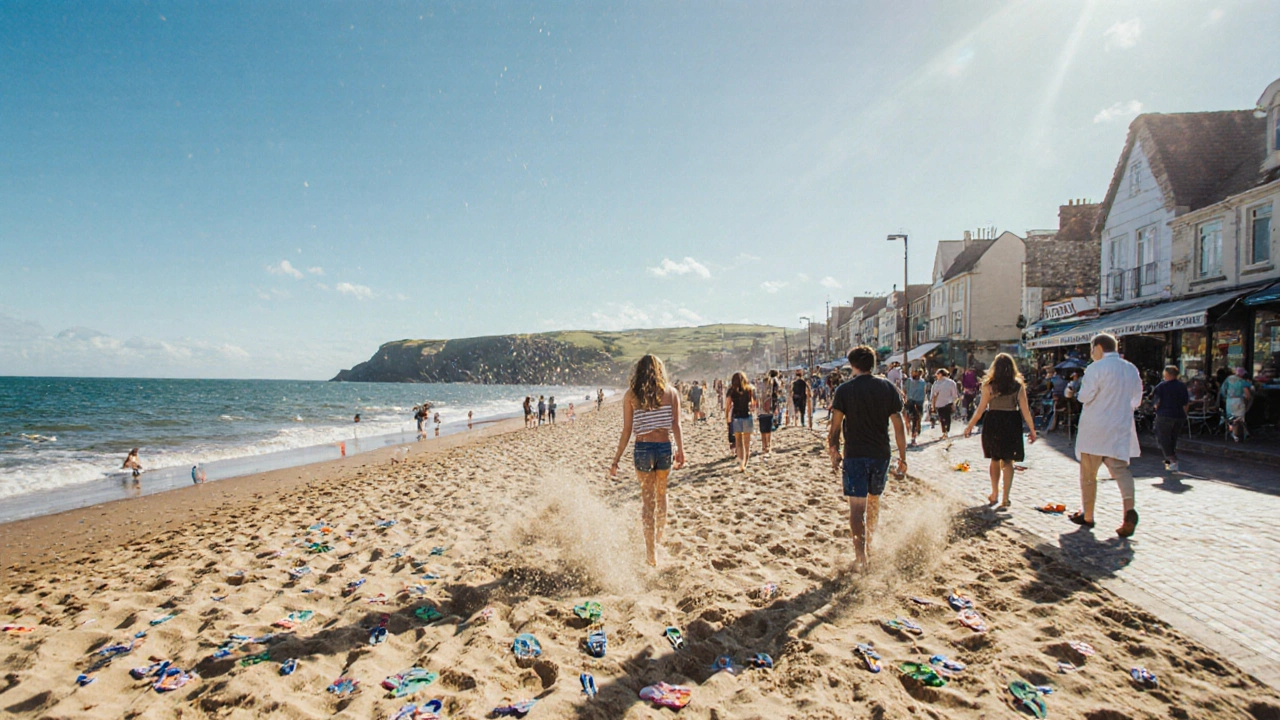
Discover why Irish podiatrists advise against flip‑flops, the foot problems they cause, and safer summer shoe options for Ireland's climate.