Foot Width & Sizing Checker
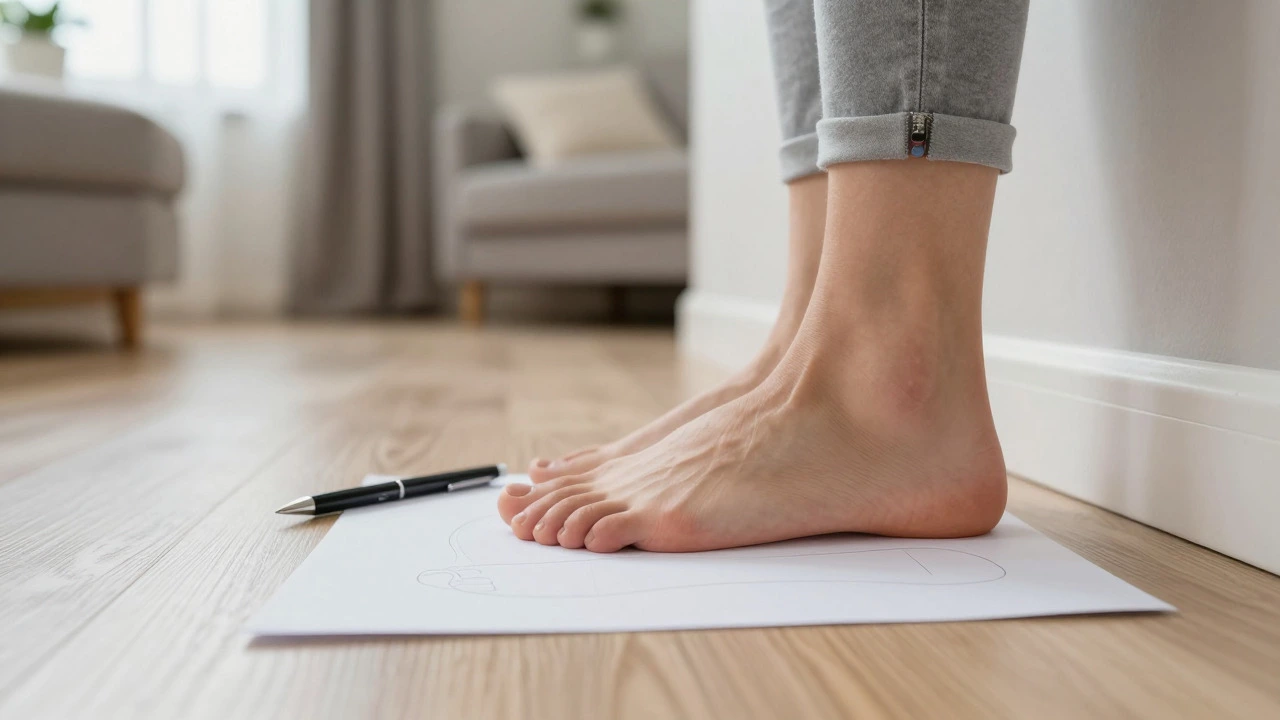
Measure your foot at home: stand on paper against a wall, trace your outline, then measure the length (heel to longest toe) and width (widest part of the ball).
*Scale is calibrated for average female foot proportions in Ireland.
Enter your measurements above to see your personalized sizing advice.
Walking through the cobblestones of Temple Bar or navigating the rain-slicked streets of Galway with aching toes is no way to enjoy life. If you struggle to find boots that don't feel like vice grips, you are not alone. In Ireland, where damp weather and uneven terrain are part of daily life, having the right fit is crucial. Many women assume their foot shape is "normal" until they try on a standard pair of ankle boots and realize the sides dig in painfully. Understanding what constitutes a wide foot for a woman is the first step toward comfort and style.
The average female foot in Ireland typically falls within a specific length-to-width ratio, but individual variation is significant. A foot is generally classified as wide when its width exceeds the standard last used by most manufacturers. For a US size 8 (UK 6), a standard width might be around 3.5 inches, while a wide width could range from 3.75 to 4 inches. However, this isn't just about numbers; it's about how the foot interacts with the shoe. If your toes splay out when you stand, or if you have high arches that push your heel down, you likely need more room across the forefoot.
Why Standard Sizing Fails Irish Women
Most mass-market footwear brands use a single "standard" last, which assumes a narrow-to-medium foot shape. This design choice works for some, but for many women in Ireland, it leads to common issues like black toenails, bunions, and general discomfort after just an hour of wear. The problem is exacerbated by the local climate. We spend a lot of time outdoors, often in wet conditions, which can cause feet to swell slightly due to temperature changes and prolonged standing. If you work in hospitality in Dublin or walk long distances in rural areas, your feet are under constant stress. Ignoring width differences means compromising on health for the sake of fitting into a boxy retail standard.
It is also worth noting that foot shape varies significantly among different ethnic groups and family lines. Some families naturally have wider metatarsals, the bones in the mid-foot that determine the overall width of the shoe required. If your mother or grandmother struggled with tight shoes, there is a strong genetic component at play. Recognizing this helps shift the mindset from "finding the perfect brand" to "finding the right fit."
How to Measure Your Foot Width Accurately
You do not need a podiatrist to determine if you have wide feet. You can measure yourself at home with basic tools. Here is a simple method that yields reliable results:
- Gather Tools: You will need a piece of paper larger than your foot, a pen, and a measuring tape or ruler.
- Positioning: Stand on the paper with your back against a wall. Ensure your weight is evenly distributed on both feet.
- Trace: Trace the outline of your foot. Keep the pen vertical to avoid skewing the measurements.
- Measure Length: Measure from the heel to the longest toe. This gives you your length size.
- Measure Width: Find the widest part of your foot (usually across the balls of the foot) and measure the distance between the two outermost points on the trace.
Once you have these numbers, compare them to a size chart. Most international brands provide width charts online. For example, a UK size 6 with a width of over 9.5 cm is typically considered wide. If your measurement sits between two sizes, always round up for width. It is easier to make a wide shoe fit snugly with insoles than to stretch a narrow shoe to accommodate a wide foot.
Identifying Wide-Friendly Features in Boots
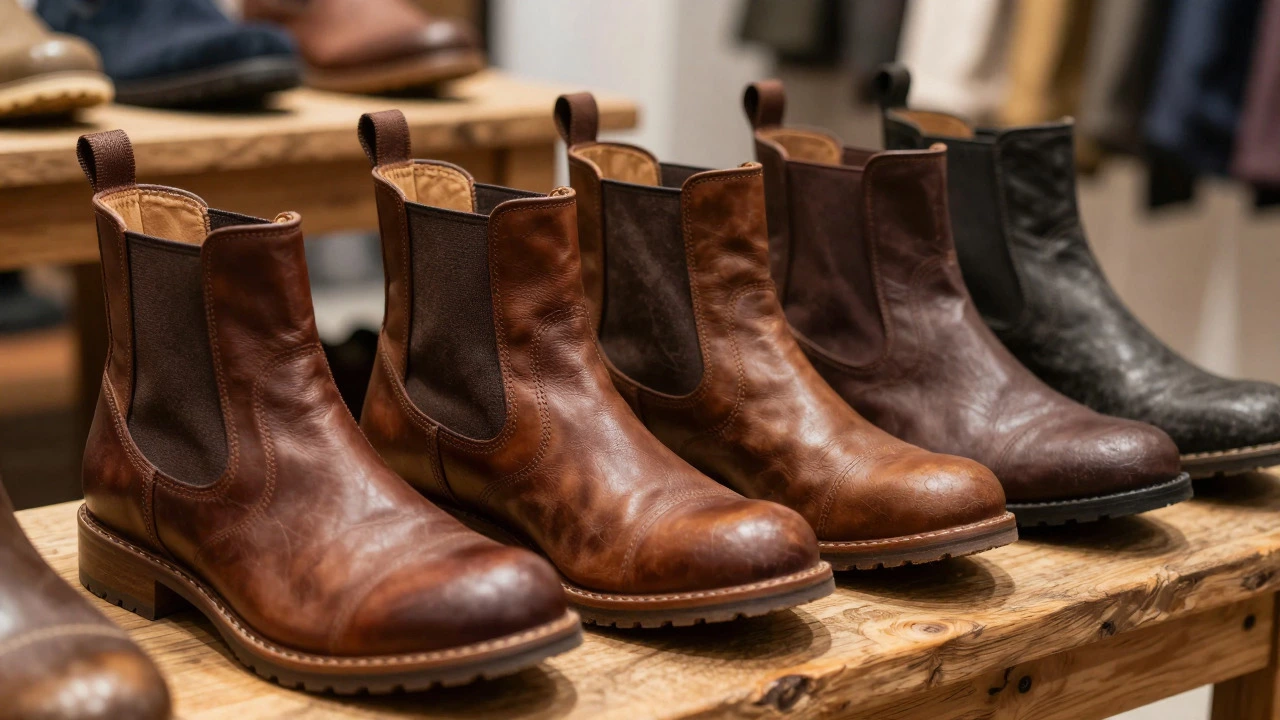
Not all boots labeled "wide" are created equal. When shopping in stores like Brown Thomas in Grafton Street or local independent boutiques in Cork, look for specific design elements that indicate a true wide fit.
- Rounded Toe Box: Avoid pointed toes. A rounded or square toe allows your toes to spread naturally without pressure.
- Elastic Side Panels: These provide flexibility and accommodate swelling throughout the day.
- Adjustable Straps or Laces: Laced boots offer the most customization. You can loosen the top eyelets to relieve pressure on the instep while keeping the heel secure.
- Removable Insoles: This allows you to add custom orthotics or remove them for extra volume if needed.
Made-to-order options are also becoming more accessible. Several Irish-based cobbler services now offer bespoke boot making, allowing you to specify exact width measurements. While more expensive upfront, these boots often last longer because they are built for your specific anatomy rather than a generic mold.
Popular Brands and Where to Shop in Ireland
Finding the right pair requires knowing which brands cater to wider feet. While global giants like Clarks and New Balance have dedicated wide-width lines, some European brands excel in this area. Dune and River Island, popular in Irish malls, occasionally carry extended sizes, but availability varies by season. For a more curated experience, visiting specialized footwear retailers in cities like Belfast, Dublin, or Limerick can save you time. These shops often stock brands known for comfort, such as Blundstone, which offers sturdy boots suitable for the Irish countryside, or Merrell, which provides technical footwear with adjustable fits.
Online shopping has made it easier to find niche brands, but it comes with risks. Always check the return policy before ordering. Many Irish consumers prefer trying on boots in person to assess the feel of the material. Leather, for instance, stretches differently than synthetic materials. If you buy online, order one size up in width and keep the receipt handy for easy exchanges.
Caring for Your Wide-Width Boots
Proper care extends the life of your boots and maintains their fit. Irish weather can be tough on leather and suede. Regular conditioning keeps the material supple, preventing cracks that can occur when the boot is stretched too tightly. Use a shoe tree after each wear to maintain the shape and absorb moisture. This is particularly important in winter months when condensation builds up inside the boots. By treating your boots as a long-term investment rather than a disposable item, you ensure they remain comfortable and stylish for years to come.
What is the average foot width for a woman in Ireland?
The average female foot width in Ireland is approximately 8.5 to 9 cm for a medium size. However, individual variation is high, and many women fall outside this range. Measuring your own foot is the only accurate way to determine your specific needs.
Do wide feet mean I need a bigger shoe size?
Not necessarily. You may need the same length size but a wider width option. If you only increase the length, the heel may slip, causing blisters. Look for brands that offer separate width specifications (e.g., W, XW) rather than just increasing the numerical size.
Which materials are best for wide feet?
Soft leathers, suede, and elasticated fabrics are ideal. They conform to the foot shape and allow for natural movement. Stiff materials like patent leather or thick canvas can be uncomfortable for wide feet unless the boot is specifically designed with a wider last.
Can I stretch my boots to fit wide feet?
Yes, professional stretching can help, especially for leather boots. Coblerys in major Irish cities offer this service. However, stretching should be done gradually to avoid damaging the structure of the boot. It is a good solution if the boot is only slightly too tight.
Where can I find wide-width boots in Dublin?
Stores like Brown Thomas, Penneys, and independent boutiques in areas like Temple Bar and the IFSC often carry extended sizes. Additionally, specialty outdoor stores in suburbs like Sandyford or Swords stock hiking and work boots with wide options suitable for various terrains.