Ireland Footwear Survival Score Calculator
Configure Your Footwear
Survival Score Report
Score out of 100
- Water Resistance: -
- Drying Time: -
- Ethical Impact: -
Select your shoe options to see if they will survive an Irish Tuesday.
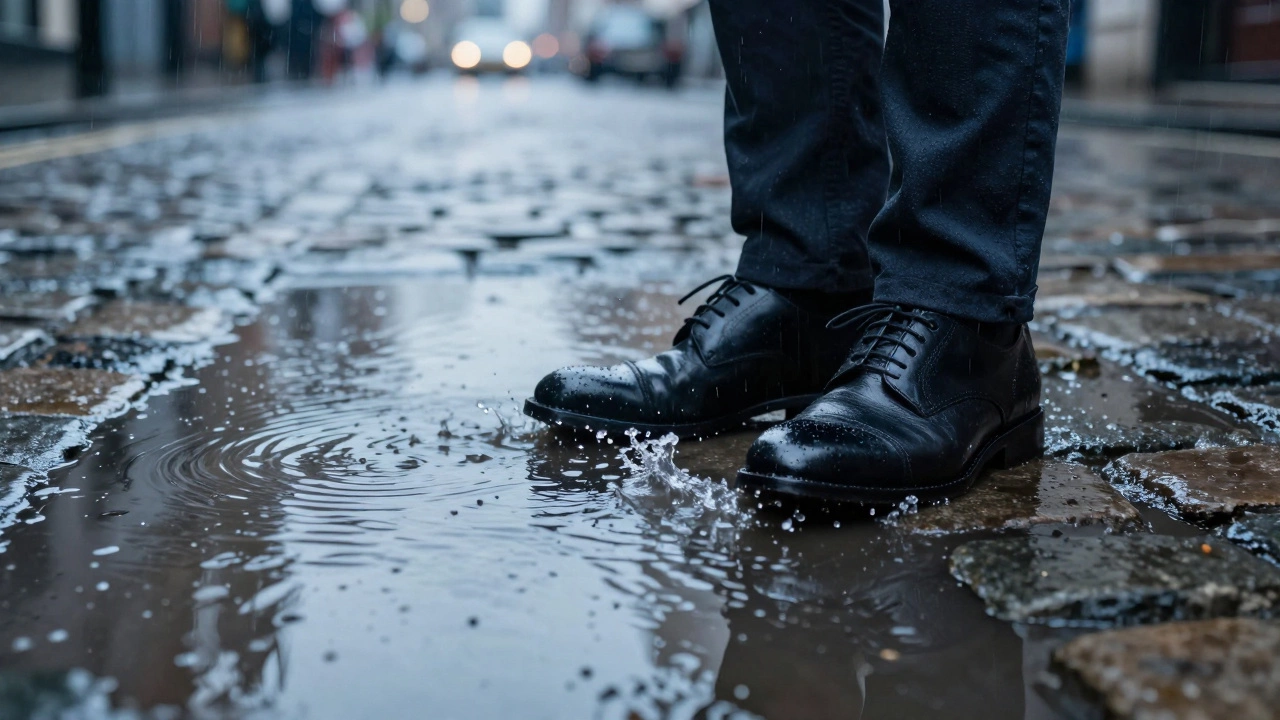
It is a Tuesday afternoon in Dublin. You are walking from Grafton Street towards St. Stephen’s Green, feeling quite pleased with your polished leather shoes, traditional footwear made from animal hide known for durability and classic style. Then, the sky opens up. It doesn’t just rain; it pours sideways. Within twenty minutes, your pristine leather soles are soaked, your socks are damp, and you are shivering under the umbrella of a stranger who looks at your ruined shoes with pity. If you live here, or plan to spend much time outdoors in Ireland, wearing standard leather shoes might be the most uncomfortable mistake you make all year.
The Weather Reality Check
We need to talk about the climate. Ireland is not known for scorching heat or bone-dry winters. We are known for wind and water. The Atlantic Ocean dictates our lives. When people say "four seasons in one day," they aren’t being poetic; they are describing a commute. Standard leather, especially the smooth calfskin found in many dress shoes, is porous. It breathes, which is great for temperature regulation in dry climates like Italy or California. Here? It acts like a sponge.
Even if you treat your shoes with wax or spray, there is a limit to what chemistry can do against a relentless drizzle that lasts for three days straight. Once the water penetrates the upper part of the shoe, it takes days to dry properly. Walking around with wet feet isn’t just uncomfortable; it leads to blisters, fungal infections, and that distinct chill that seeps into your bones no matter how thick your trousers are. For anyone navigating the cobblestones of Temple Bar or the muddy trails of the Wicklow Mountains, this is a significant downside.
The Environmental Cost
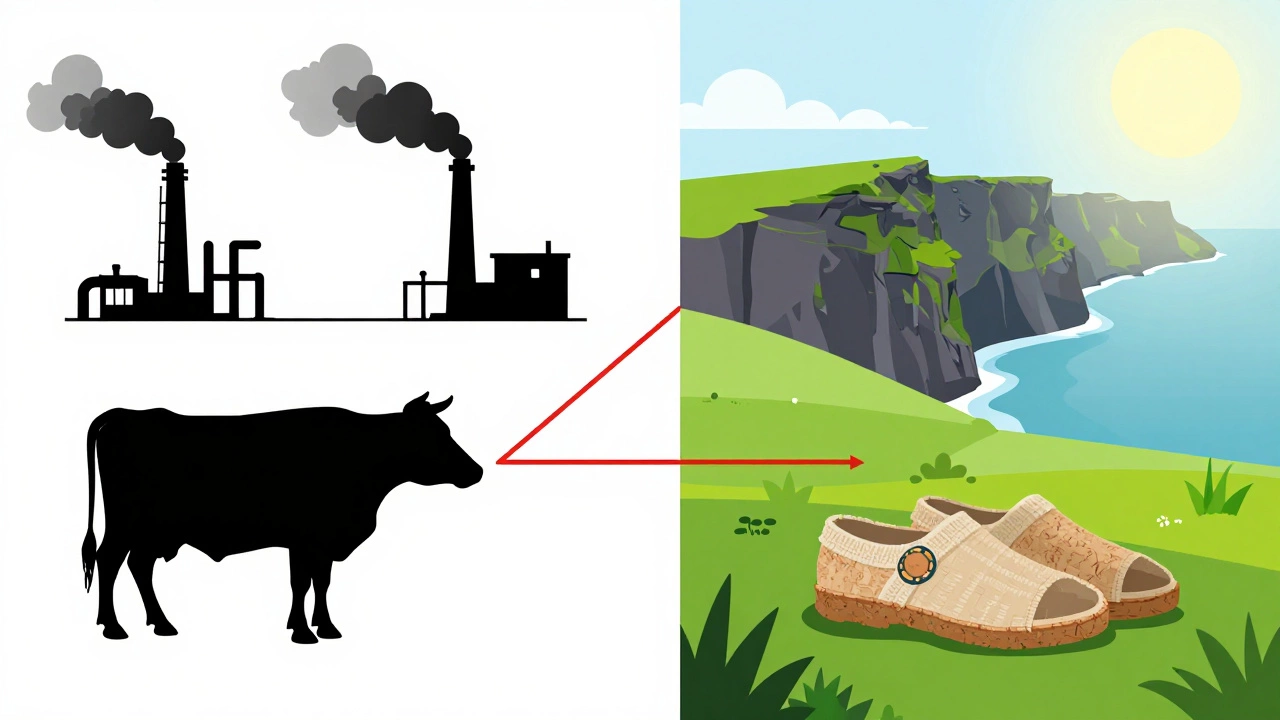
Beyond comfort, there is the ethical angle. The leather industry has a heavy environmental footprint. Tanning hides requires toxic chemicals, including chromium, which often ends up in local water supplies in manufacturing countries. In Ireland, where environmental consciousness is growing rapidly, more consumers are questioning their choices. Brands like Veja, a French sneaker brand known for sustainable materials or local Irish designers using recycled fabrics are gaining traction because they align with these values.
If you care about preserving the wild landscapes we love-from the Cliffs of Moher to the Ring of Kerry-considering the carbon cost of your wardrobe makes sense. Leather production contributes significantly to greenhouse gas emissions through deforestation and methane release from cattle farming. Switching to plant-based or synthetic alternatives reduces this impact. It is a small change, but when millions of people make it, the difference is real.
Maintenance Is a Hassle
Let’s be honest: leather demands attention. To keep it looking good, you need to polish it, condition it, and store it properly. In a busy life, whether you are a student in Galway, a professional in Cork, or a parent juggling school runs in Limerick, finding time to buff your shoes every week is a luxury few have. Synthetic materials, high-quality textiles, and rubber require almost zero maintenance. You wipe them down, let them air dry, and you are ready to go again. This convenience factor is huge for modern lifestyles.
Better Alternatives Exist
You don’t have to sacrifice style for practicality. The market has evolved. Today, you can find shoes that look sharp but perform better in our conditions.
| Material | Water Resistance | Drying Time | Ethical Impact | Maintenance |
|---|---|---|---|---|
| Standard Leather | Low (unless heavily treated) | Slow (12-24 hours) | High | High (polishing needed) |
| Rubber/Synthetic | High | Fast (hours) | Low to Medium | Low (wipe clean) |
| Cork & Fabric | Medium | Medium | Very Low | Low |
| Treated Suede | Medium (with protector) | Medium | High | Medium |
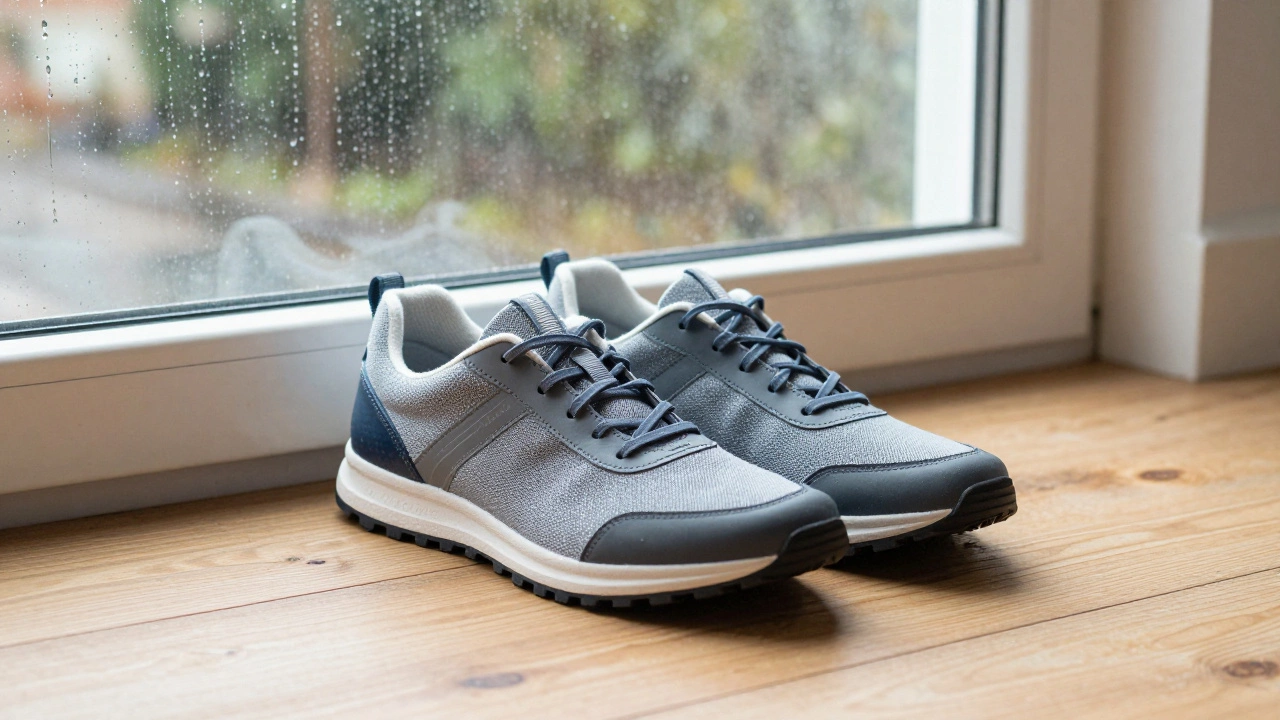
Consider brands that specialize in weather-resistant tech. Gore-Tex linings, for example, keep water out while letting sweat escape. Many hiking boots now look casual enough for office wear. Local Irish brands also offer innovative designs suited to our terrain. Investing in a pair of high-quality waterproof trainers or stylish rain boots can save you from countless miserable moments.
Social Perception and Style
Some worry that giving up leather means looking less professional. This is outdated thinking. In Ireland, smart-casual is the norm. Even in business settings in Dublin’s financial district, comfort and practicality are increasingly valued over rigid formality. A clean, well-designed synthetic shoe looks just as professional as a scuffed, wet leather one. In fact, arriving with dry, comfortable feet suggests you are prepared and adaptable-traits employers appreciate.
Fashion is about expression, not suffering. If your shoes are causing you pain or anxiety every time it clouds over, they are failing their primary job. Embrace materials that work with your environment, not against it.
Conclusion: Make the Switch
There is no single reason to banish leather entirely, but for daily wear in Ireland, the drawbacks outweigh the benefits. The weather will ruin them, the environment pays a price, and the maintenance is tedious. By choosing alternative materials, you gain comfort, reduce your ecological footprint, and simplify your life. Next time you shop, look beyond the traditional leather sole. Your feet-and the planet-will thank you.
Are there any types of leather that handle Irish rain well?
Full-grain leather treated with beeswax or specialized waterproofing sprays can resist light rain, but it is not impervious. Heavy downpours will eventually penetrate. Additionally, these treatments need regular reapplication, which adds to the maintenance burden.
What should I wear instead of leather shoes in Dublin?
Opt for shoes with Gore-Tex lining, rubber soles, or synthetic uppers. Brands like Keen, Merrell, or local Irish makers offering weather-resistant options are excellent choices. Waterproof sneakers are particularly popular for urban commuting.
Is it ethical to buy second-hand leather shoes?
Buying second-hand is generally more ethical than buying new, as it extends the product's life and reduces demand for new production. However, if you are concerned about animal welfare or environmental impact, even second-hand leather has limitations compared to plant-based alternatives.
Can I wear leather shoes to work in Ireland?
Yes, but consider the commute. If you walk or cycle in the rain, leather may get damaged. Many offices allow smart-casual attire, so waterproof alternatives are often acceptable. Check your company’s dress code policy.
How do I dry wet leather shoes quickly?
Stuff them with newspaper to absorb moisture and let them air dry away from direct heat sources like radiators, which can crack the leather. Avoid using hairdryers. Proper drying can take 24 hours or more depending on humidity.