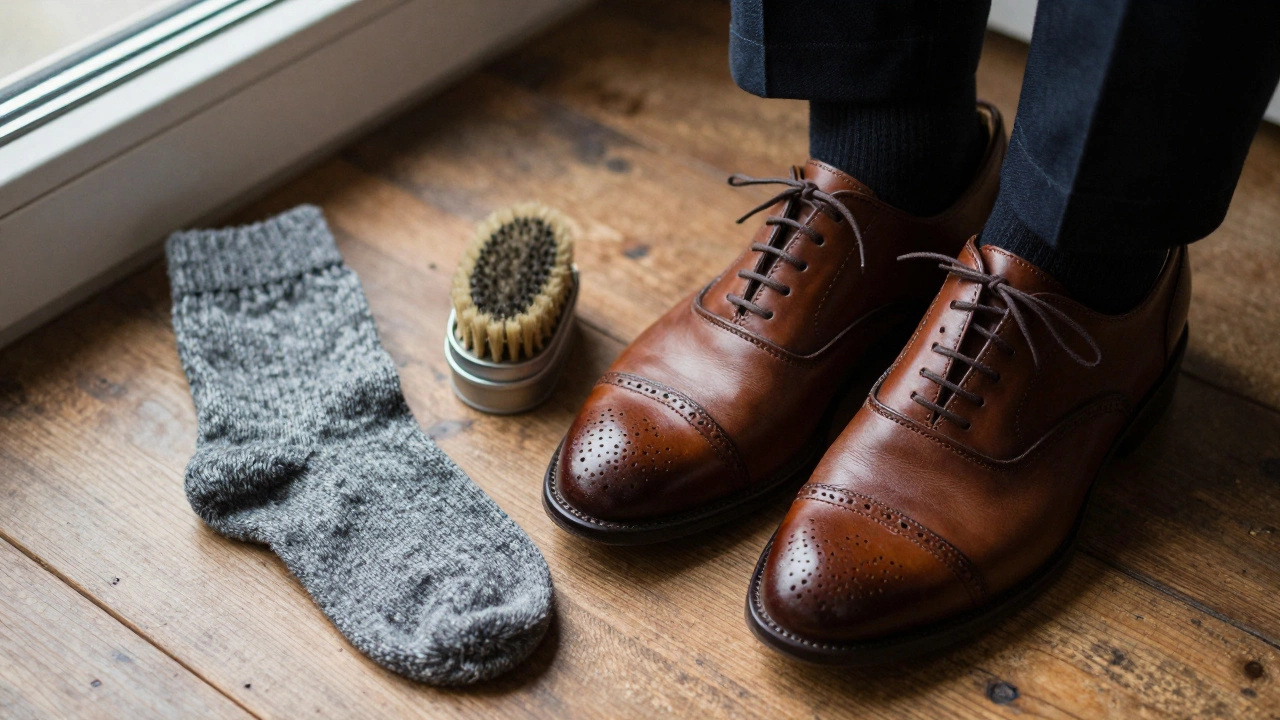
Leather Shoe Break-in Estimator
Quick Tips for Pain-Free Leather
- Wear thick socks during the first few wears to prevent friction.
- Use a leather conditioner to soften the hide before the first outing.
- Apply blister plasters to "hot spots" before you even leave the house.
- Walk in short bursts around the living room rather than a full trip to Grafton Street.
The battle between your skin and the hide
To understand the pain, we first have to look at what we're wearing. Leather is a durable natural material created from the processed skins of animals, primarily cattle. Because it's an organic protein structure, it doesn't stretch instantly like a knit sneaker. It has a "memory," meaning it wants to hold the shape it had at the factory.
When you put on a new pair of shoes, the leather is stiff. As you walk, your foot moves and expands. If the shoe doesn't move with you, the material rubs against your skin. This creates friction, which leads to heat, and eventually, a blister. In the Irish climate, where we're often switching between a rainy morning and a humid afternoon, your feet can swell slightly, making that stiffness feel even more restrictive.
Why the "Break-in Period" is a real thing
You've probably heard people talk about "breaking in" shoes. This isn't just a suggestion; it's a mechanical process. Tanning is the process of treating animal skins to produce leather, using chemicals like chromium or vegetable tannins. Depending on how the shoe was tanned, the leather will be more or less rigid.
As you wear the shoes, the heat from your feet and the pressure of your weight actually break down some of the internal fibers of the leather. This allows the shoe to mold to the unique contours of your foot. If you try to skip this process-say, by wearing brand new oxfords to a formal event at the Convention Centre Dublin without testing them first-you're essentially fighting a battle against the structural integrity of the shoe. You'll lose that battle every time.
| Leather Type | Stiffness | Break-in Time | Best Use Case |
|---|---|---|---|
| Full-Grain Leather | High | Long (2-4 weeks) | Formal business, high-end boots |
| Top-Grain Leather | Medium | Moderate (1-2 weeks) | Casual dress shoes, everyday wear |
| Suede/Nubuck | Low | Short (Days) | Casual outings, autumn style |
The Irish weather factor: Dampness and Swelling
Living on an island means moisture is always a factor. Whether you're navigating the puddles of Cork city or walking through a misty morning in the Burren, humidity affects your leather. When leather gets damp and then dries, it can actually shrink or stiffen if not cared for properly. This is why a pair of shoes that felt fine on a dry Tuesday might suddenly feel tight on a rainy Wednesday.
Moreover, moisture increases the friction between your sock and the inside of the shoe. If your feet get slightly damp from the Irish drizzle, the fabric of your sock can "stick" to your skin and the leather, pulling on your heel with every step. This is why using Cedar Shoe Trees is a game changer. Wooden inserts that maintain the shape of a shoe and absorb moisture from the leather. They pull out the dampness and prevent the leather from collapsing and becoming tight and uncomfortable.
Common culprits: Where the pain actually starts
Not all discomfort is created equal. Usually, the pain comes from three specific areas:
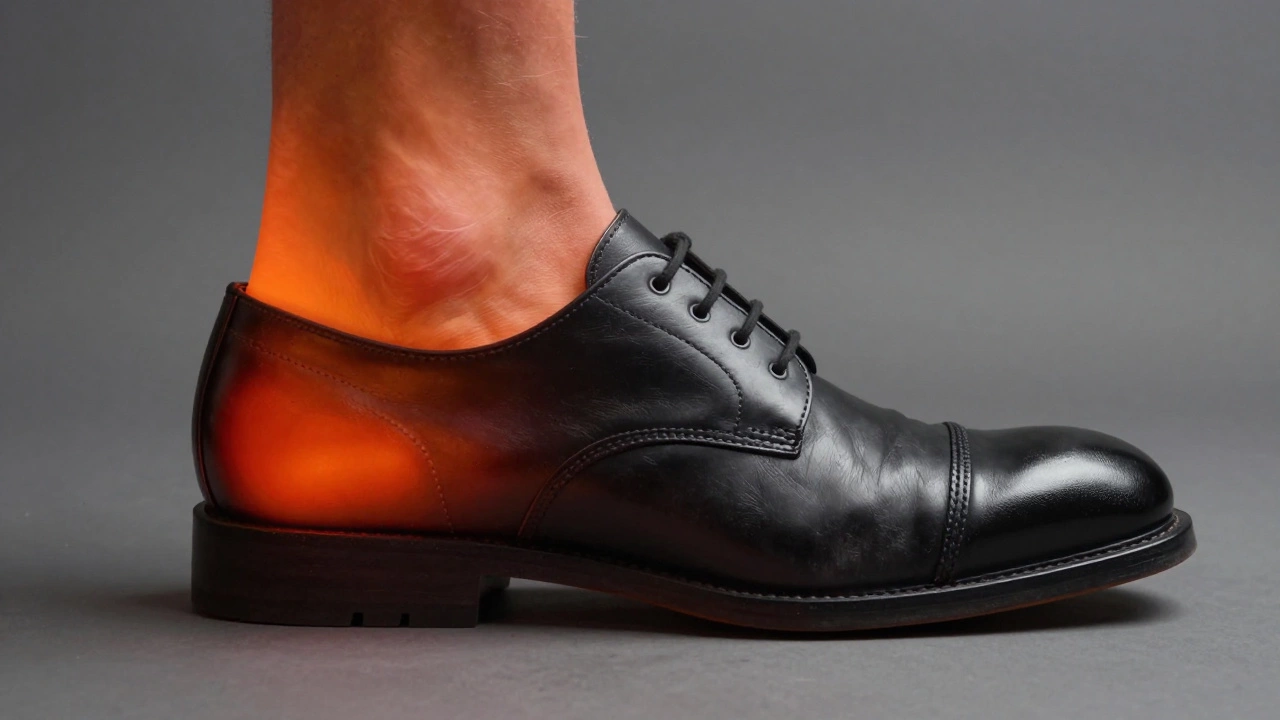
- The Heel Counter: This is the stiff back part of the shoe. It's designed to keep your foot in place, but if it's too rigid, it acts like a saw against your Achilles tendon.
- The Vamp: The top part of the shoe. If this is too tight, it presses down on the nerves on the top of your foot, leading to that "tingling" feeling or numbness.
- The Toe Box: If you're wearing shoes with a narrow point-common in some high-fashion styles found in boutiques around Henry Street-your toes get squeezed together, leading to blisters on the pinky toe.
How to fix the discomfort without ruining the shoe
If you've bought a pair of quality Irish-made shoes-perhaps from a traditional cobbler or a brand like Dubarry-you don't want to just force your foot in and suffer. There are smarter ways to handle it.
First, check your socks. Thin dress socks offer zero protection. Try a slightly thicker cotton or wool blend for the first few wears. Second, use a leather conditioner. A good cream softens the fibers, making the leather more pliable. If you have a specific "hot spot," you can use a shoe stretch spray, which is a chemical compound that relaxes the leather fibers, allowing you to flex the shoe manually.
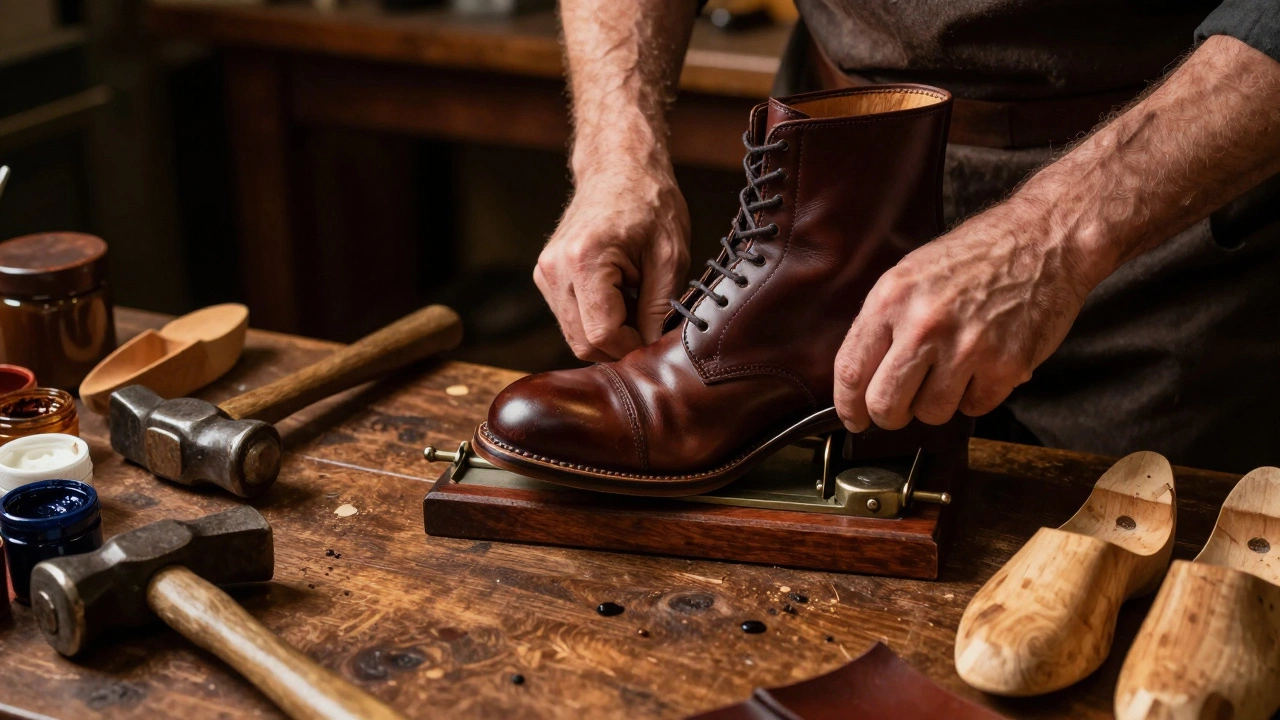
If the pain persists, visit a professional. Ireland still has a wonderful culture of independent cobblers. A professional can use a Shoe Stretcher, a mechanical device used to widen or lengthen the fit of a shoe without damaging the material. They can target the exact spot where your foot is rubbing, which is far more effective than just "walking through the pain."
When to admit defeat and return them
There is a big difference between a shoe that is "stiff" and a shoe that is "too small." If your toes are curling or if the shoe is pinching the sides of your feet so hard you can't breathe, no amount of breaking-in will fix that. Leather stretches in width, but it almost never stretches in length. If your toes are hitting the end of the shoe, take them back to the shop.
How long does it actually take to break in leather shoes?
For most high-quality leather shoes, expect about two to four weeks of intermittent wear. Start with one hour a day at home, gradually increasing the time. Don't wear them for a full 8-hour workday immediately, or you'll likely end up with blisters that keep you out of the shoes for a week.
Can I use a hairdryer to stretch my shoes?
Some people suggest heating the leather with a hairdryer and then walking in them. While this can work, it's risky. Excessive heat can dry out the natural oils in the leather, causing it to crack. If you try this, follow it up immediately with a high-quality leather conditioner to restore the moisture.
Do all leather shoes eventually become comfortable?
Not necessarily. If the shoe is constructed with a synthetic lining or has a very rigid internal plastic heel counter, it may never truly "mold" to your foot. Natural leather linings are far more breathable and flexible than synthetic alternatives.
What is the best way to stop a blister from forming?
The best method is prevention. Use moleskin or a hydrocolloid blister plaster on the area where you feel the first sign of "heat" or rubbing. This creates a secondary skin barrier that takes the friction so your actual skin doesn't have to.
Why are my leather shoes tighter in the morning than the evening?
Actually, it's usually the opposite. Feet tend to swell throughout the day due to gravity and activity. This is why it's a professional tip to buy shoes in the afternoon or evening; if they fit comfortably then, they'll likely fit all day. If you buy them in the morning, they might feel tight by 4 PM.
Next steps for your footwear
If you're currently struggling with a pair of shoes, don't just push through the pain. Start by auditing your socks and adding a conditioner to your kit. If you're in a city like Dublin or Galway, take a stroll to a local cobbler and ask for a professional stretch. It's a small investment that saves your feet from a lot of misery.