Kitchen Footwear Comparison Tool
Compare the top footwear choices for busy Irish kitchens. See why specific models are preferred over others based on safety regulations and practicality.
Why These Shoes? The "Big Three" Factors
Slip Resistance
Essential for wet floors. OSHA-tested treads prevent accidents in greasy environments.
Easy Cleaning
Waterproof material allows for quick hosing down. No scrubbing leather or fabric.
Cost Effective
Durable enough to last months without costing a week's wages (€50-€70).
Model Comparison: Which One Do You Need?
| Model | Slip Resistant? | Closed Toe? | Best For | Verdict |
|---|---|---|---|---|
| Crocs Classic Clog | Waiting tables (dry areas) | Limited Use | ||
| Crocs Bistro | Kitchen prep, cooking | Recommended | ||
| Crocs Work | Heavy-duty cleaning, outdoor service | Recommended |
Considering Alternatives?
If you need more arch support, Skechers Work shoes are a popular choice. For sneaker-style stability, Nike Metcons work well. However, note that these alternatives are generally more expensive (often over €100) and require more maintenance than Crocs.
Walk into any busy pub kitchen in Dublin or a bustling restaurant in Galway, and you’ll notice something odd. Chefs and waiters aren’t wearing leather boots or fancy sneakers. They’re rocking Crocs. It looks casual, maybe even lazy. But if you’ve ever worked a double shift during the Christmas rush in Cork, you know there’s a method to this madness. So, why do restaurant workers wear Crocs? Is it just comfort, or is there a deeper reason behind this footwear choice across Ireland’s hospitality industry?
The Reality of Working in an Irish Kitchen
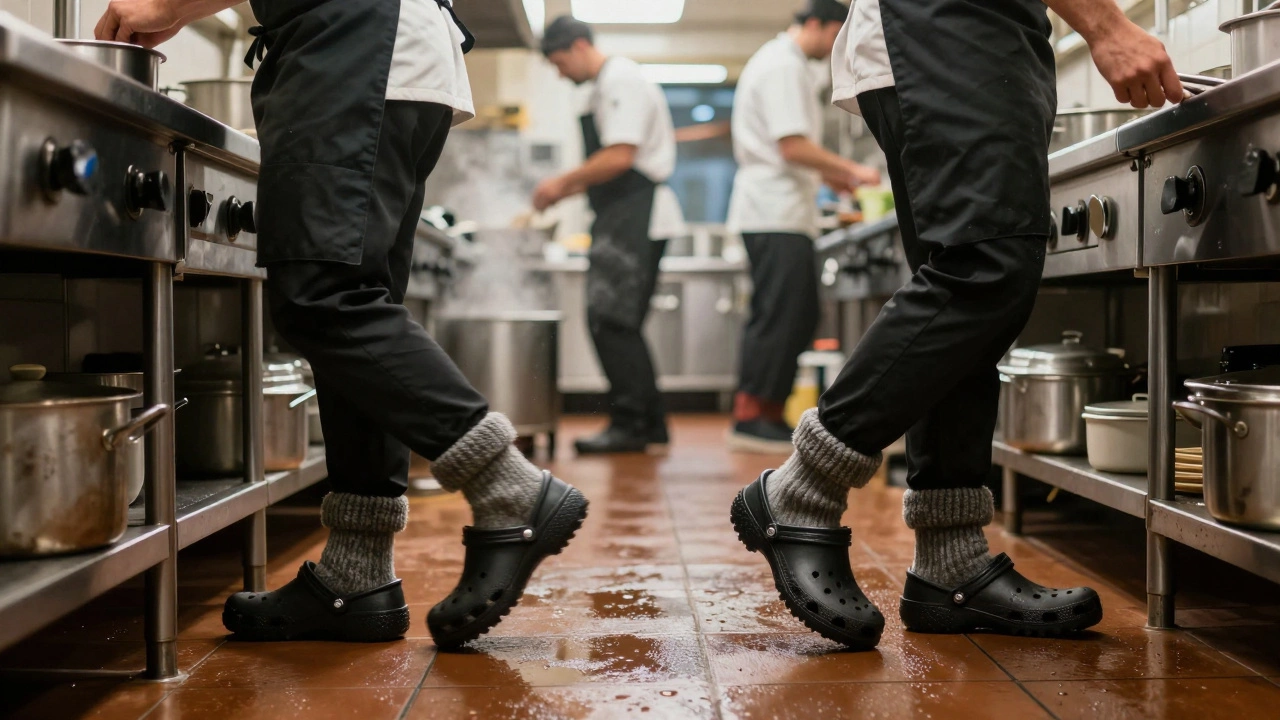
To understand the shoe choice, you first have to understand the job. Working in the food service sector in Ireland isn’t just about flipping burgers or pouring pints. It’s physically demanding. You’re on your feet for ten, sometimes twelve hours a day. The floors are often wet from washing down stations, mopping spills, or dealing with the unpredictable Irish rain that tracks mud into the back entrance.
In cities like Dublin, where rent is high and staff turnover is fast, kitchens are tight spaces. In rural areas, like a farm-to-table spot in Kerry, the terrain might be uneven. Your feet take a beating. If you wear stiff leather boots, your toes will bruise. If you wear canvas trainers, they’ll soak up every spill, leading to fungal infections. You need something that survives the chaos.
Safety First: Why Crocs Meet Health and Safety Standards
You might think open-back clogs are unsafe. Actually, many professional models are designed specifically for industrial use. In Ireland, health and safety regulations in workplaces require protective footwear. Standard Crocs Bistro or Crocs Work lines are made from Croslite™ material, which is non-marking, oil-resistant, and slip-resistant.
- Slip Resistance: The tread pattern on these shoes is tested against OSHA standards (and equivalent EU safety norms). They grip slick surfaces better than smooth-soled dress shoes.
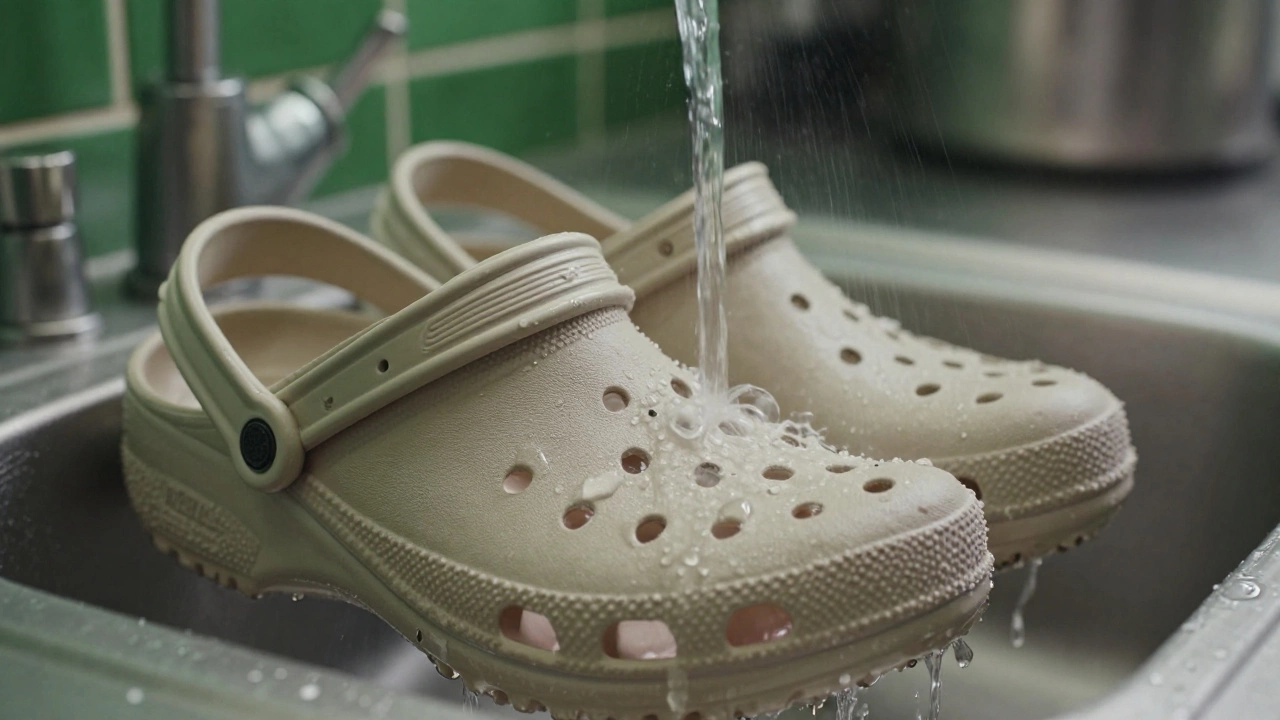
- Easy Cleaning: When a pot of stew boils over, you don’t want to scrub leather for hours. You just hose them off. In a busy Dublin cafe, time is money.
- Closed-Toe Protection: Unlike sandals, these cover the toes, protecting them from falling knives or heavy pots.
Many Irish restaurants now mandate specific safety shoes. Crocs fit the bill without breaking the bank or sacrificing mobility.
Comfort That Lasts Through a Double Shift
Let’s talk about the arch support. Or rather, the lack of traditional arch support. Critics say Crocs hurt your feet. Proponents say they’re the only thing that saves their knees. The Croslite™ foam molds to your foot over time. After six months of daily wear, they feel custom-made.
In Ireland, where winter months are long and damp, keeping your feet dry is crucial. Leather gets cold and retains moisture. Synthetic fabrics trap sweat. Crocs are waterproof. If you step in a puddle outside a Belfast gastropub or splash water while cleaning a dishwasher in Limerick, your socks stay relatively dry because the shoe itself doesn’t absorb liquid.
Also, consider the weight. A pair of steel-toed boots can weigh nearly two kilograms per pair. Over a 10-hour shift, that’s extra energy burned lifting your legs. Crocs weigh less than half that. Less fatigue means fewer mistakes when handling hot pans.
The Cost Factor for Irish Staff
Money talks. Minimum wage in Ireland has risen, but living costs have risen faster. For a line cook earning close to the minimum wage, buying new work shoes every few months is a burden. High-end chef shoes from brands like Sorel or Dansko can cost over €150. A pair of basic Crocs runs around €50-€60.
If you drop a knife on expensive leather, you ruin it. If you spill bleach on Crocs, you wipe it off. For young workers starting out in the industry, affordability is a huge factor. They need gear that lasts through the abuse of a commercial kitchen without costing a week’s wages.
Are All Crocs Safe for Work?
Not all Crocs are created equal. This is a common mistake. You cannot just grab any colorful clog from the rack and assume it’s safe for a professional kitchen.
| Model | Slip Resistant? | Closed Toe? | Best For |
|---|---|---|---|
| Crocs Classic Clog | No | Yes | Waiting tables (dry areas) |
| Crocs Bistro | Yes | Yes | Kitchen prep, cooking |
| Crocs Work | Yes | Yes | Heavy-duty cleaning, outdoor service |
Always check the label. Look for "Slip-Resistant" and "Non-Marking." Many Irish employers are strict about this. Wearing the wrong model could get you sent home to change, which means lost pay and embarrassment.

Cultural Acceptance in the Irish Hospitality Scene
Ireland has a relaxed culture compared to some European neighbors. We value practicality over pretension. In the past, wearing Crocs to a formal dinner service might have been frowned upon. Today, it’s accepted. Even Michelin-starred restaurants in Ireland prioritize function over fashion in the back-of-house.
There’s also a sense of camaraderie. When everyone wears similar shoes, it levels the playing field. The head chef and the dish washer look the same from the ankles down. It reduces hierarchy stress. Plus, let’s be honest, they’re iconic. Seeing a row of green or black Crocs by the staff locker is as normal as seeing a pint of Guinness on the bar.
Alternatives to Consider
If Crocs aren’t for you, what else works? Some Irish chefs prefer Skechers Work shoes for more arch support. Others go for Nike Metcon trainers for stability. However, these options usually cost more and require more maintenance. Crocs remain the default because they offer the best balance of price, durability, and ease of care.
Can I wear regular Crocs in a professional kitchen in Ireland?
Generally, no. Regular Crocs Classic Clogs lack the necessary slip-resistant tread required for safety in wet, greasy environments. You should opt for the Crocs Bistro or Work series, which are specifically designed for food service and meet safety standards.
Do Crocs keep your feet warm in Irish winters?
Crocs themselves are not insulated. However, because they are waterproof and easy to dry, they prevent the cold, damp feeling associated with soaked leather boots. Most staff wear thick wool socks underneath to maintain warmth during long shifts in unheated storage areas or outdoors.
Are Crocs allowed in Michelin-starred restaurants?
Yes, many high-end establishments allow them, provided they are the correct safety-approved model. The focus in professional kitchens is on hygiene and safety, not aesthetics. As long as the shoes are clean and closed-toe, they are typically acceptable.
How much do work-appropriate Crocs cost in Ireland?
You can expect to pay between €50 and €70 for a pair of Crocs Bistro or Work shoes at major retailers like Sports Direct or online via the official Crocs store. Prices may vary slightly depending on sales and promotions.
What are the best alternatives to Crocs for kitchen staff?
If you need more arch support, Skechers Work shoes are a popular alternative. For those who prefer a sneaker style, Nike Metcons offer good stability. However, these options are generally more expensive and harder to clean than Crocs.