Chelsea Boot Comfort Finder
Identify your pain point and find the perfect fix for your boots.
Select a pain point on the left to see the recommended solution and a quick material check.
The Heel Slip Fix
This is likely caused by the boot being slightly too large or a rough internal lining creating friction.
Recommended Solution:
- Apply adhesive heel grips to the inside back of the boot.
- Try a half-insole to lift your foot and snug the fit.
- Check if you have a thumb's width of space at the heel.
The Shock Absorber Fix
Hard soles often lack the necessary flex, causing the ball of your foot to absorb all the impact.
Recommended Solution:
- Insert an arch-support insole for better shock absorption.
- If you have a choice, opt for rubber soles over hard resin.
- Rotate your boots daily to let the leather breathe and maintain shape.
The Toe Pinch Fix
Narrow toe boxes compress metatarsals. If the pain is stabbing, the boot may be a full size too small.
Recommended Solution:
- Wear thick merino wool socks to prevent sliding forward.
- Use the hairdryer method: heat tight areas while wearing thick socks.
- Visit a professional cobbler for targeted stretching.
The Pressure Fix
Too much pressure on the top of the foot usually means the elastic gore is too tight or the fit is too narrow.
Recommended Solution:
- Gradual "home shifts" (20 min wear) to let the material warm up.
- Check for a "wide fit" version of the boot.
- Avoid synthetic materials; choose full-grain leather for better molding.
Material Quick-Check:
The Main Culprits Behind the Pain
Why does a boot that looks so sleek feel so restrictive? Usually, it comes down to a few specific design elements. The first is the "stiffness" of the material. Many high-quality boots use thick leather or synthetic alternatives to keep the wind and rain out-crucial for a damp Dublin morning-but this means the boot doesn't bend with your foot. When the sole doesn't flex, your toes end up doing all the work, leading to that aching feeling in the ball of your foot. Then there's the elastic gore. That stretchy side panel is what makes the boot a Chelsea style, but if the elastic is too tight, it compresses the top of your foot. If it's too loose, your heel slips, creating friction. This friction is the primary cause of those nasty blisters on the back of your ankles. Finally, the narrow toe box is a common issue. Many women's boots are tapered to look more elegant, but this squeezes the metatarsals, which can lead to pinched nerves or bunion flare-ups.How Fit and Material Impact Your Comfort
Not all Chelsea boots are created equal. The material determines how the boot "breaks in." Genuine leather will eventually mold to the shape of your foot, but the initial phase can be brutal. Vegan leather or synthetic plastics often don't have this flexibility, meaning if they hurt on day one, they might hurt forever.| Material | Flexibility | Breathability | Break-in Period |
|---|---|---|---|
| Full-Grain Leather | Medium (improves) | High | Moderate |
| Suede/Nubuck | High | Medium | Short |
| Synthetic/Vegan | Low | Low | None (doesn't stretch) |
Common Pain Points and Their Fixes
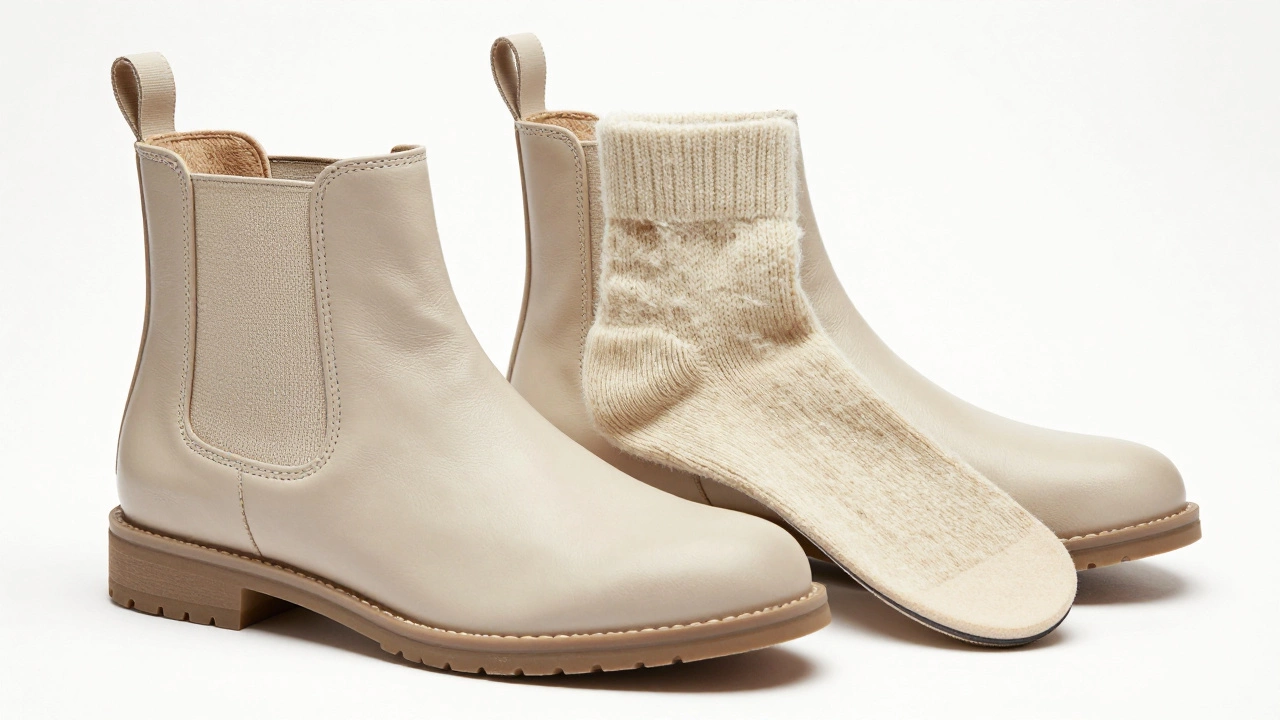
If you're feeling the pain in specific areas, the solution usually depends on the location of the discomfort.- Heel Blisters: This is usually caused by the boot being slightly too large or the lining being too rough. Try using a "heel grip"-a small adhesive cushion that sticks to the inside back of the boot. It locks your foot in place and stops the sliding.
- Ball of Foot Ache: If the sole is too hard, you need an insole. Look for something with Arch Support, as many Chelsea boots have a flat interior that offers zero shock absorption.
- Toe Pinching: This is the hardest to fix because leather doesn't stretch sideways much. However, wearing thicker wool socks (like those from local Irish knitwear brands) can actually help some people by filling the gap and preventing the foot from sliding forward into the narrow toe.
- Instep Pressure: If the top of your foot feels crushed by the elastic, you may need a wider fit. Some brands offer a "wide fit" version specifically to accommodate different foot shapes.
The Art of Breaking Them In Without Suffering
You shouldn't have to bleed for fashion. The secret to breaking in boots is gradual exposure. Don't wear them for a full day of shopping at Dundrum Town Centre the moment you take them home. Instead, start with "home shifts." Wear them for 20 minutes while making tea or tidying the living room. This allows the leather to warm up and stretch slightly without you being stranded far from home with sore feet. Another pro tip is to use a hairdryer. Put on a pair of thick socks, pull on your boots, and gently heat the tight areas with a hairdryer for a few seconds. Move your foot around while the leather is warm. This helps the material expand and take the shape of your foot much faster than walking alone would.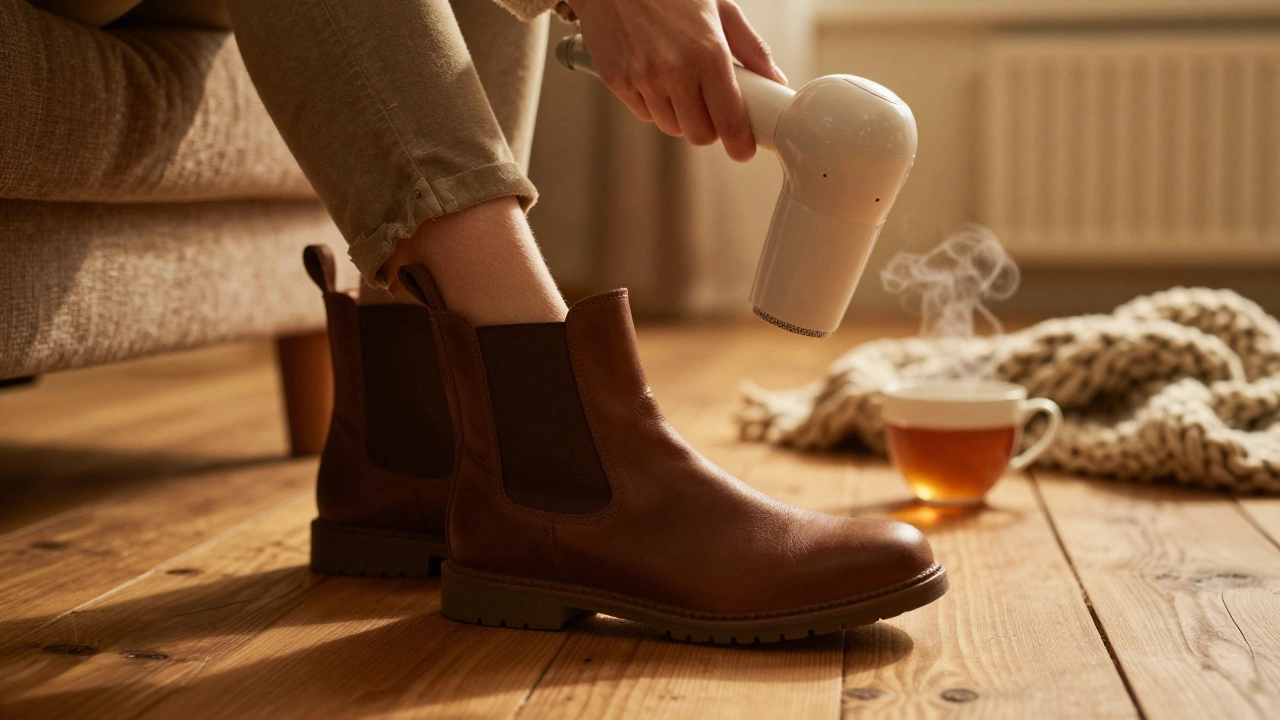
When to Admit They Just Don't Fit
There is a big difference between a "stiff" boot and a boot that is simply too small. If you feel a sharp, stabbing pain in your toes or if your toes are curling (clawing) to stay inside the boot, the size is wrong. No amount of breaking-in will fix a boot that is a full size too small. Check the gap at the heel. You should have about a thumb's width of space between your heel and the back of the boot when standing. If there's no room, your toes are being crushed. If there's too much room, you'll slide forward, and that's where the friction and blisters come from. If you're unsure, visit a professional cobbler in town; they can often stretch specific points of the boot using professional tools that are far more effective than home remedies.Choosing Your Next Pair for the Irish Terrain
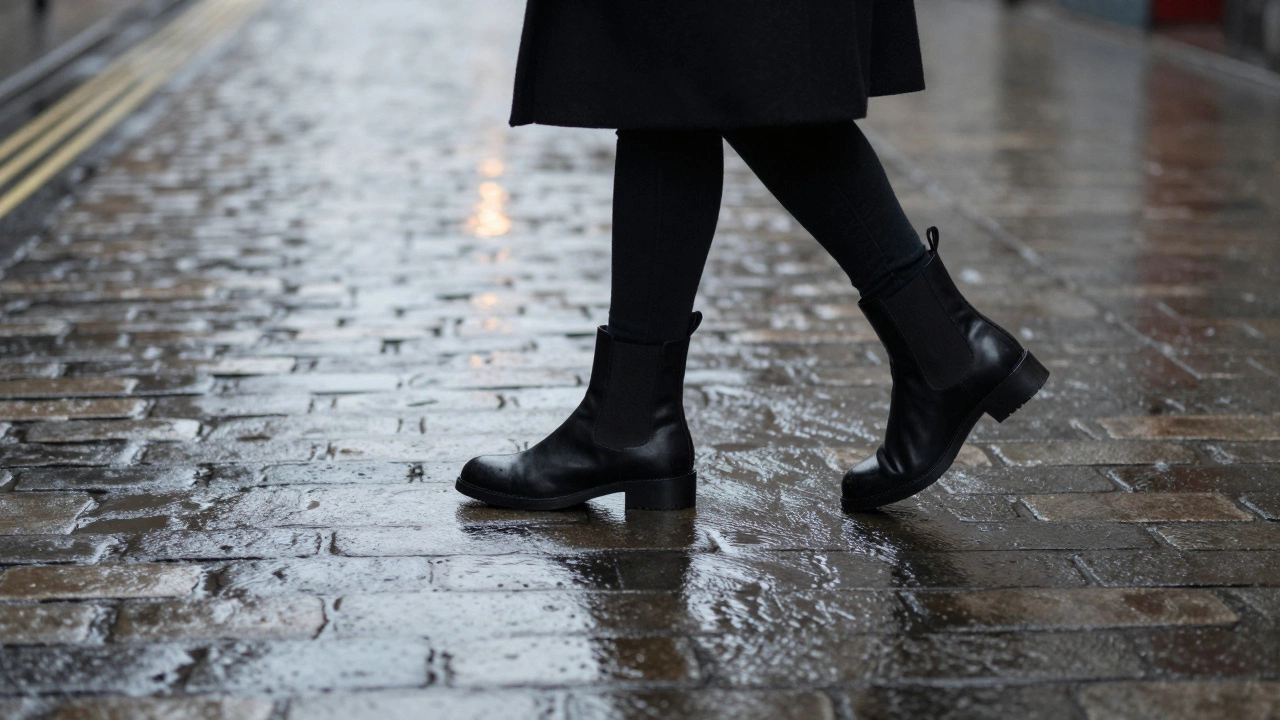
When shopping for your next pair, consider the terrain you'll actually be walking on. If you spend most of your time on the cobblestones of Temple Bar or the hilly streets of Galway, a completely flat sole might be your enemy. A slight block heel provides better weight distribution and reduces the strain on your Achilles tendon. Look for boots with a Rubber Sole. Not only does this provide a grip on slippery Irish pavements, but rubber is naturally more flexible than hard resin or wood, which absorbs the impact of every step and saves your joints from the jarring feeling of a stiff boot.Can I wear Chelsea boots every day?
It's actually better to rotate them. Wearing the same pair every day doesn't give the leather time to dry out, especially in Ireland's humid climate. Rotating your boots allows moisture to evaporate, which prevents the material from becoming brittle and keeps your feet healthier.
Do Chelsea boots cause bunions?
They won't necessarily cause bunions if you have a healthy foot, but if you already have them, narrow Chelsea boots will definitely make the pain worse. If you have bunions, look for boots with a rounded toe box rather than a pointed one.
What are the best socks for Chelsea boots?
Merino wool socks are the gold standard. They wick away moisture, provide natural cushioning, and keep your feet warm without being so bulky that they squeeze your foot into the boot. Avoid thin cotton socks, as they hold onto moisture and increase the chance of friction blisters.
How do I stop the heel from slipping in my boots?
The best way is to use adhesive heel grips or a half-insole. If the boot is slightly too big, adding a thin insole can lift your foot slightly, making the heel fit more snugly against the back of the boot.
Are leather or synthetic boots more comfortable?
Generally, high-quality leather is more comfortable in the long run because it breathes and stretches to fit your foot. Synthetic materials are often stiffer and don't adapt to your foot shape, which can lead to more persistent pain points.