
Irish Summer Wardrobe Checker
Living in Dublin or Cork? Use this tool to see if your outfit will keep you cool during those rare warm spells, or if you'll be wishing you'd stayed in bed.
Select your items above and click "Check Suitability" to get advice tailored for the Irish climate.
Living in Dublin, you learn pretty quickly that the weather here has a mind of its own. One minute it’s sunny enough to wear shorts on St Stephen’s Green, and the next, a sideways rainstorm hits so hard you’re wishing you’d stayed in bed. But when those rare stretches of genuine warmth arrive-usually around July or August-you want your clothes not used in summer packed away, not cluttering up your wardrobe. The question isn’t just about what looks good; it’s about comfort, practicality, and avoiding that sticky, overheated feeling that can ruin a day out at the beach in Lough Garadice or a stroll along the Cliffs of Moher.
If you’ve ever tried to wear heavy wool trousers during a heatwave in Kilkenny, you know the pain. It’s not just about being hot; it’s about fabrics that trap moisture, colors that absorb too much sun, and cuts that restrict movement when you’re trying to enjoy an outdoor festival like Electric Picnic. This guide breaks down exactly which items should stay in the back of your closet from May through September, specifically tailored for our unique Irish climate where humidity often plays as big a role as temperature.
The Heavyweight Champions: Why Wool and Velvet Don’t Belong Here
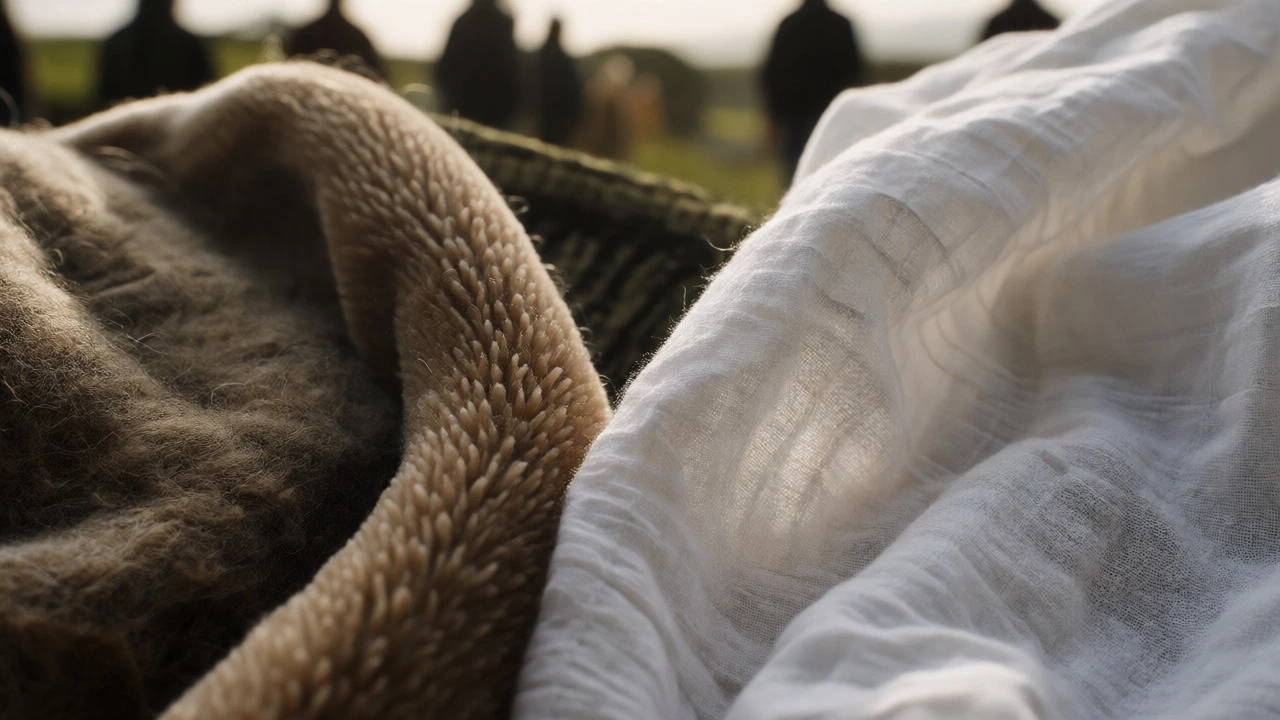
Let’s start with the obvious offenders. In many parts of Europe, people might brave heavier fabrics in summer, but here in Ireland, the combination of high humidity and mild temperatures makes certain materials genuinely uncomfortable. Wool is a natural fiber known for its insulation properties, which means it traps body heat effectively. While merino wool has its place in light hiking socks, traditional thick wool sweaters and suits are absolute no-gos for typical Irish summers. They hold onto sweat rather than letting it evaporate, leaving you damp and cold once the wind picks up-which, let’s be honest, happens constantly.
Velvet is another fabric that screams "winter ball," not "pub garden." It’s dense, plush, and absorbs heat like a sponge. Wearing a velvet blazer to a wedding in Cork in August is a recipe for regret. You’ll look great in photos, sure, but you’ll feel like you’re wrapped in a duvet. If you love the texture, save it for autumn events when the air gets crisp again.
Faux Fur and Thick Leather: Style vs. Sweat
There’s something undeniably chic about a leather jacket or a faux fur coat. They add edge to any outfit. But unless you’re heading to a night out in Temple Bar where the indoor heating is cranked up, these items are rarely worth the discomfort outdoors. Real leather doesn’t breathe well. It creates a barrier between your skin and the air, trapping heat against your body. Faux fur is even worse because it’s often made from synthetic plastics that offer zero breathability.
In Ireland, we get plenty of breezy days, so some might argue for a light layer. But if you’re looking for alternatives, consider a linen shirt or a lightweight cotton overshirt instead. These allow air circulation while still providing a bit of structure. Save your leather biker jacket for October when the leaves start turning brown and the temperature drops below 15°C (59°F).
Synthetic Blends That Trap Heat
We all have that one cheap polyester t-shirt from a fast-fashion retailer like Penneys or Primark that feels okay in the shop but terrible after ten minutes outside. Synthetic fibers like polyester, nylon, and acrylic are designed for durability and wrinkle resistance, not comfort in warm weather. They tend to repel water rather than absorb it, meaning sweat stays on your skin instead of wicking away.
| Fabric Type | Breathability | Moisture Wicking | Summer Rating |
|---|---|---|---|
| Linen | High | Excellent | Perfect |
| Cotton | Medium-High | Good | Great |
| Polyester | Low | Poor | |
| Acrylic | Very Low | Non-existent | Avoid |
| Heavy Denim | Low | Poor | Uncomfortable |
If you’re shopping for new summer gear, check the label. Aim for natural fibers like cotton, linen, or bamboo. If you must have synthetics for sportswear, look for technical fabrics explicitly marketed as "moisture-wicking" or "breathable," such as those found in brands like Decathlon or specialized running stores in Dublin city center.
Dark Colors and Heavy Patterns: The Sun Absorbers
It’s not just about fabric weight; color matters too. Black, navy blue, and deep charcoal absorb more sunlight than lighter shades. On a bright day in Galway, wearing a black hoodie can make you feel five degrees hotter than someone in white or pastels. This isn’t just aesthetic advice-it’s physics.
Similarly, overly busy patterns can sometimes clash with the relaxed vibe of summer. While floral prints are fine, heavy geometric designs or dark, moody tones can feel visually oppressive when everything else is vibrant and green. Stick to lighter hues, whites, creams, and soft blues. They reflect sunlight and help keep your body temperature regulated. Plus, they photograph beautifully against the lush green landscapes that Ireland is famous for.
Bulky Footwear: Boots and Closed-Toe Shoes
Your footwear choice can make or break your summer comfort. Heavy boots, whether they’re work boots or stylish ankle boots, are generally unnecessary unless you’re dealing with muddy trails in Wicklow Mountains National Park. For everyday wear, closed-toe shoes made of non-breathable materials can lead to sweaty feet and blisters.
Consider swapping them for sandals, espadrilles, or breathable sneakers. Brands like Birkenstock or local Irish makers like Dunnes Stores’ house brand offer comfortable options that allow airflow. If you need protection for your toes, choose canvas or mesh over leather. Your feet will thank you when you’re walking along the promenade in Bray or exploring the streets of Derry.
Layering Mistakes: Too Many Tops
Ireland’s unpredictable weather tempts us into over-layering. We carry jumpers everywhere, just in case. But in true summer weather, wearing three layers-a t-shirt, a cardigan, and a denim jacket-is excessive. It restricts movement and increases heat retention unnecessarily.
Adopt a minimalist approach. Wear one breathable top and have a single light layer ready for sudden rain showers. A thin raincoat from a local brand like Helly Hansen or a compact umbrella is far more practical than a bulky sweater. Remember, the goal is to stay dry without overheating.
Practical Tips for Transitioning Your Wardrobe
As you sort through your clothes, ask yourself these questions:
- Does this fabric breathe? If it feels stuffy in the shop, it will feel worse outside.
- Is it heavy? Lift it. If it feels substantial, set it aside for cooler months.
- Will it stain easily? Lighter colors show grass stains and mud, common in Irish parks, but they also dry faster and feel cooler.
- Can I move freely? Tight fits restrict airflow. Choose looser cuts for better ventilation.
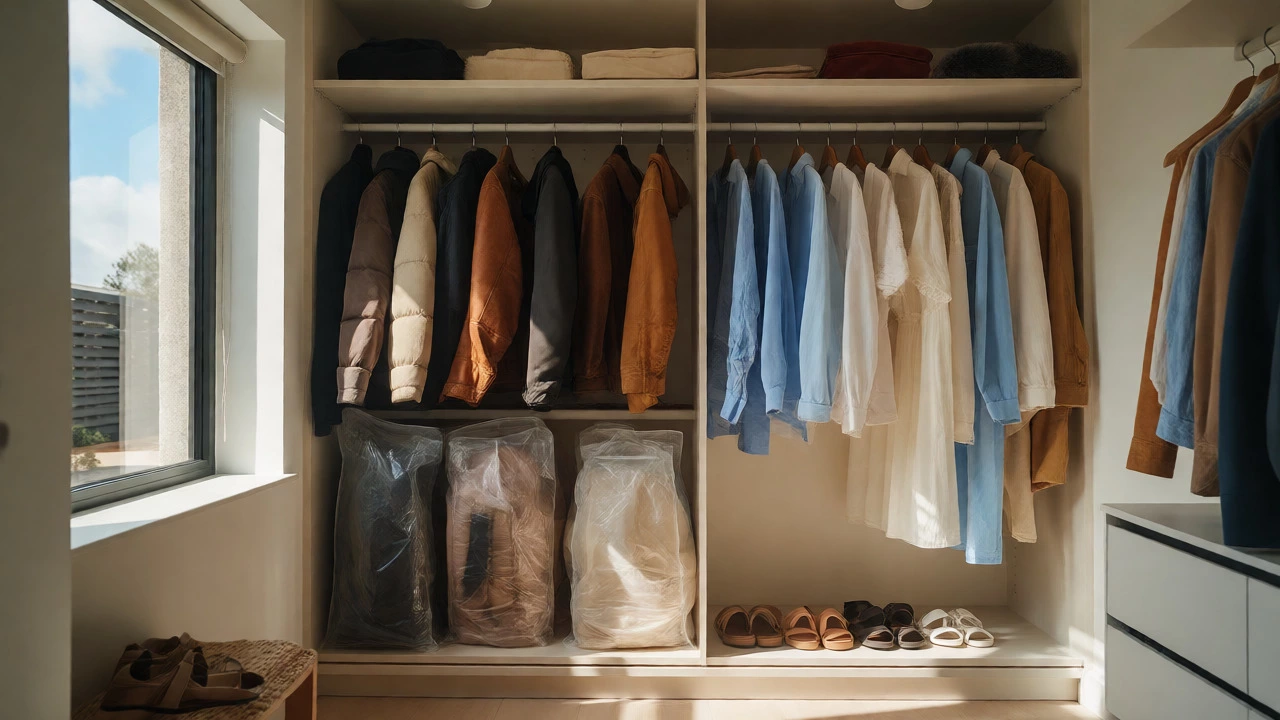
Store your winter items in vacuum-sealed bags under the bed or in the attic. This frees up space for your summer essentials and keeps your wardrobe organized. When autumn returns, you’ll appreciate having your heavy coats clean and ready to go.
Can I wear jeans in an Irish summer?
Yes, but opt for lighter-weight denim or stretch fabrics. Heavy, rigid jeans can be quite hot. Consider cropped styles or linen-blend trousers for better airflow, especially during heatwaves in cities like Dublin or Cork.
Are synthetic fabrics always bad for summer?
Not always. Technical synthetics designed for sports use advanced weaving techniques to wick moisture away from the skin. However, standard polyester shirts often trap heat and smell worse than natural fibers. Check the garment's intended use before buying.
What is the best fabric for humid Irish summers?
Linen is widely considered the best option due to its exceptional breathability and quick-drying properties. Cotton is also excellent, particularly in loose weaves. Both handle humidity better than synthetics or heavy wools.
Should I avoid dark colors completely?
You don't have to avoid them entirely, but limit their use to evenings or cooler days. During peak daylight hours, dark colors absorb significantly more solar radiation, making you feel hotter. Mix dark accents with light bases to balance style and comfort.
How do I prepare my summer clothes for rainy spells?
Choose quick-drying fabrics like cotton blends or treated linens. Avoid suede or untreated leather. Keep a lightweight, packable rain shell handy. Irish summers often alternate between sunshine and brief showers, so versatility is key.