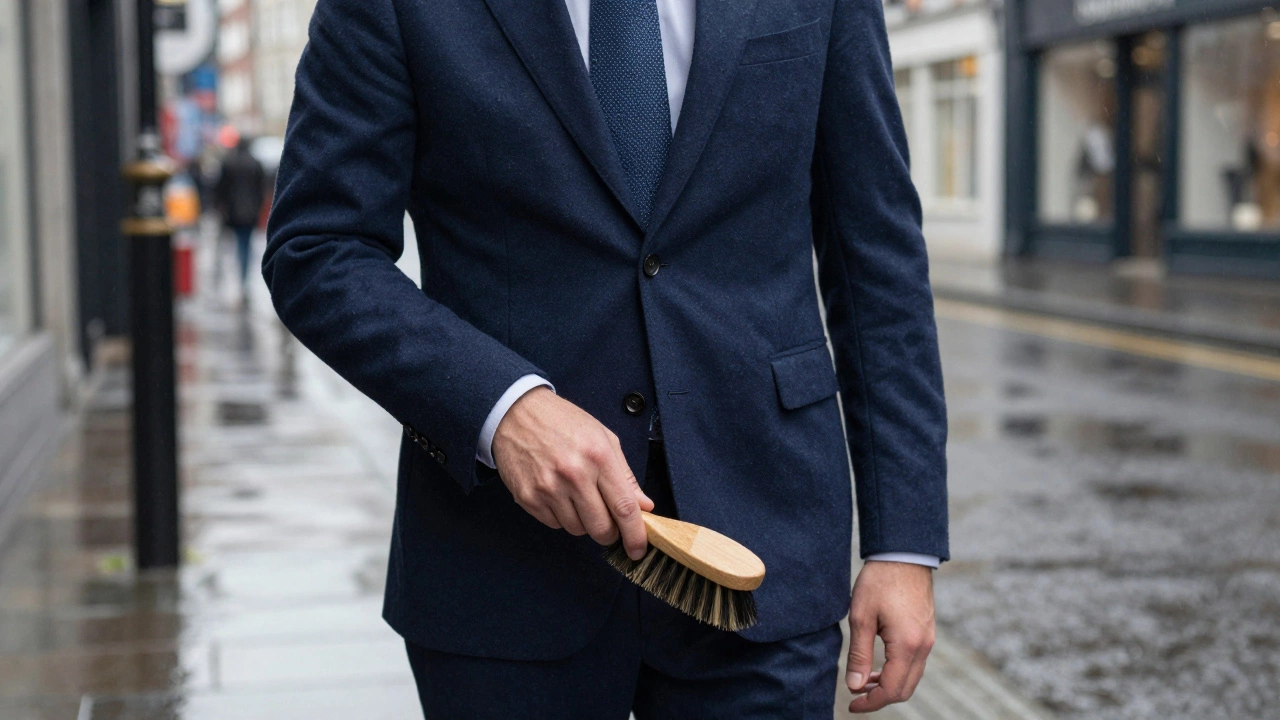
In Ireland, a well-fitted suit isn’t just for job interviews or weddings-it’s part of the fabric of everyday life. From Dublin’s financial district to Galway’s cultural events, men wear suits to funerals, christenings, job fairs, and even the occasional pub quiz where the prize is a bottle of Irish whiskey. But with our damp climate, frequent rain, and unpredictable weather, suits don’t last as long as you might think. So when do you actually throw away a suit? Not when it looks old. Not when it’s slightly wrinkled. But when it stops working for you-physically, practically, and socially.
Sign #1: The Fabric Is Thinning, Especially Around the Elbows
Irish winters are brutal on wool. The constant damp from rain, fog, and indoor heating eats away at natural fibers. If you’ve worn the same navy suit to three funerals in Cork, a wedding in Kilkenny, and three business meetings in Limerick over two years, check the elbows. Run your fingers along the seam where your arms bend. If you can see the lining through the fabric-or worse, if it feels papery and tears when you pull your coat off-that suit is done. Wool blends from brands like John Smedley or Barbour hold up better than cheap imports, but even the best wool in Ireland won’t survive more than 3-4 years of regular use without showing wear.
Sign #2: The Lapels Are Curling or Losing Shape
Ever notice how the lapels on some suits look like they’ve been folded and forgotten in a suitcase after a trip to Belfast? That’s not just bad storage-it’s structural failure. Suit lapels are reinforced with canvas and horsehair, which degrade over time, especially when exposed to moisture. In Ireland, where suits often go from dry office to wet street in minutes, this happens faster than you’d expect. If your lapel no longer lies flat against your chest, or if it curls upward like a wilted leaf after a rainstorm, the suit’s internal structure is compromised. No amount of steaming from your Dryclean Ireland outlet in Bray will fix that.
Sign #3: The Pockets Are Bulging or Hanging Low
Irish men carry things. A wallet, a pocket watch, a small flask of Jameson, maybe a crumpled train ticket to Galway. But if your breast pocket sags like a deflated balloon, or your side pockets are stretched open and won’t close properly, it’s not just about clutter-it’s about tailoring. A suit’s shape is built on balance. Once the fabric stretches beyond its natural tension, it can’t be taken in again without looking like a costume. That’s why tailors in Dublin’s Grafton Street charge €80+ just to re-line a pocket. If you’re spending more on repairs than you paid for the suit, it’s time to let it go.
Sign #4: It Doesn’t Fit Anymore-And You’ve Tried Everything
Weight changes happen. Life happens. You gained a few kilos after Christmas dinners in Tipperary. Or you lost them after a 6-month hiking trip along the Wicklow Way. If your suit’s shoulders are too tight, the sleeves are too short, or the waistband gapes when you sit down, no tailor can fully fix it. A good tailor can take in a suit by 1-2 inches. But if you’ve shifted more than that, the suit’s proportions are broken. And in Ireland, where formality still matters at events like the Galway International Oyster Festival or St. Patrick’s Day parades, looking like you’re wearing your dad’s suit isn’t charming-it’s awkward.
Sign #5: The Color Is Faded or Stained Beyond Repair
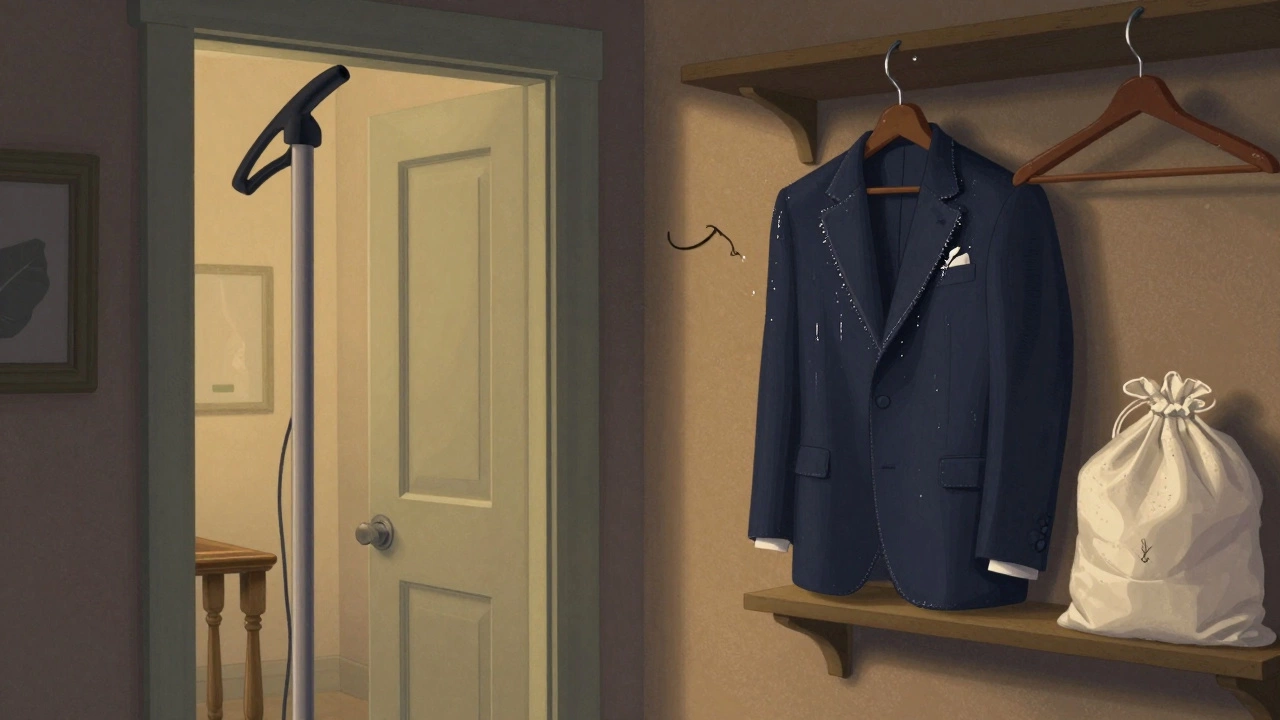
Dark grey and navy are the staples of Irish wardrobes. But over time, sunlight, rain, and dry cleaning chemicals fade them. If your once-deep navy suit now looks more like a washed-out charcoal, or if you’ve got a stubborn coffee stain from a meeting at Clerys that won’t come out even after three professional cleanings, it’s not just a stain-it’s a statement. In Ireland, where men still dress up for church on Sunday and funerals are community events, a faded suit says you don’t care. And that’s worse than being underdressed.
Sign #6: You Dread Wearing It
This is the most important sign. If you open your wardrobe and sigh when you see that suit, if you put it on and feel like you’re wearing a costume from a 2015 LinkedIn profile, it’s gone. Suits should make you feel confident, not guilty. In Ireland, where understated elegance is valued over flashy trends, a suit that makes you uncomfortable doesn’t belong in your closet. You don’t need to own five suits. But you do need to own one that fits, feels right, and doesn’t remind you of a bad interview or a failed proposal.
What to Do Instead of Throwing It Away
Before you toss it in the bin, consider these Irish-friendly options:
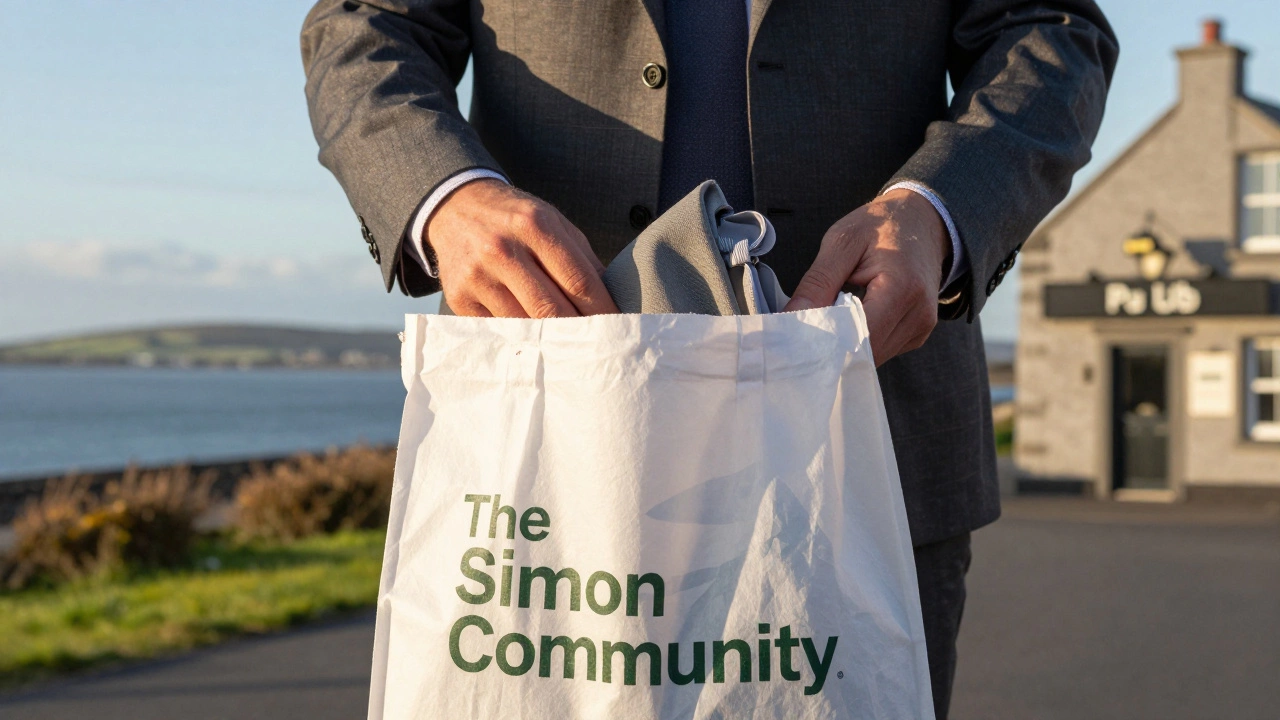
- Donate to The Simon Community in Dublin or Cork-they accept gently used formal wear for men re-entering the workforce.
- Sell it on Facebook Marketplace under ‘Dublin Suits’ or ‘Cork Business Wear’-there’s always someone looking for a decent second-hand suit under €50.
- Repurpose it: Turn the wool into a waistcoat, or use the lining for a hat or bag. Local crafters in Limerick and Galway often take fabric donations.
- Use it for gardening or DIY: If it’s too worn for public wear but still structurally sound, keep it for weekend projects. Many Irish men have a ‘work suit’ they wear to fix fences or paint sheds.
How Long Should a Suit Last in Ireland?
There’s no magic number. But here’s a rule of thumb: if you wear a suit once a month in Ireland’s climate, expect 3-5 years of good use. If you wear it weekly-like a banker in Dublin’s Docklands or a solicitor in Limerick-it’s time to replace it after 2-3 years. The key isn’t how many times you’ve worn it, but how many times you’ve cleaned it. Every dry cleaning strips natural oils from wool. After 8-10 cleanings, even the best suit starts to break down.
Pro tip: Use a clothes brush after every wear. It removes dust and moisture without chemicals. Keep it in a breathable cotton bag-not plastic. And never hang it on a wire hanger. Use a wide wooden one, like the kind sold at Claremont Home in Belfast or John Lewis in Dundrum.
When You’re Ready to Buy a New One
Don’t rush to the mall. In Ireland, the best suits come from local tailors or trusted heritage brands. Try McGee’s Tailors in Galway, Donnelly’s in Cork, or Irish Made Suits in Dublin’s Temple Bar. They use wool from Donegal and lining from County Antrim. You’ll pay more upfront-€500-€800-but you’ll get a suit that lasts, fits your body, and matches the quiet dignity of Irish style.
And if you’re buying online? Stick to Irish-based retailers like Irish Tailor or Donegal Wool Co. They know our weather. They know our build. And they won’t send you a suit that falls apart after two rainy Tuesdays in Waterford.
Final Thought: It’s Not About Waste. It’s About Respect.
Throwing away a suit isn’t about being wasteful. It’s about respecting yourself and the occasions you wear it for. In Ireland, where tradition and quiet pride still matter, your suit isn’t just clothing. It’s your presence. When it no longer serves you, let it go-not with guilt, but with gratitude. And then, buy one that makes you stand a little taller.
Can I repair a suit instead of replacing it in Ireland?
Yes, but only if the damage is minor. Repairs like re-stitching seams, replacing buttons, or re-lining pockets are common and worth it. But if the fabric is thinning, the shoulders are collapsing, or the lapels won’t lie flat, repairs won’t restore the suit’s integrity. A good tailor in Dublin or Cork will tell you honestly-most won’t take on suits beyond their repair limit.
How often should I dry clean my suit in Ireland?
No more than once every 3-4 wears, and only if it’s visibly soiled or smells of smoke or rain. In Ireland’s damp climate, many men skip dry cleaning entirely and just brush their suits with a horsehair brush after each wear. Steam from a handheld steamer works better than dry cleaning for wrinkles. Over-cleaning is the fastest way to shorten a suit’s life.
Is it okay to wear a suit to a funeral in Ireland?
Yes, it’s expected. In Ireland, funerals are deeply social events, and dressing respectfully matters. A dark suit-navy or charcoal-is the standard. Avoid bright colors, patterns, or flashy accessories. Many families still prefer men to wear suits as a sign of honor. If you don’t own one, borrow one or rent from a service like Suitcase in Dublin.
What’s the best wool for Irish weather?
Worsted wool from Donegal or County Tyrone is ideal. It’s dense enough to resist wind and damp but breathable enough for indoor heating. Avoid lightweight summer wools-they’ll pill and shrink fast in Ireland’s unpredictable climate. Look for 280-320gsm fabric weight. Brands like Johnstons of Elgin or Donegal Tweed are trusted locally.
Should I buy a suit online if I live in rural Ireland?
Only if the retailer offers free returns and Irish sizing. Many online suits are cut for American or continental bodies, which don’t match the average Irish build-shorter torso, broader shoulders. Stick to Irish-based sellers like Irish Tailor or Donegal Wool Co. They measure for Irish proportions and ship within 2-3 days. Avoid international fast fashion brands-they won’t last a rainy season.
Next Steps
Take a look at your suit right now. Is it still holding up? Does it still make you feel like the man you want to be? If the answer is no, don’t wait for the next stain or tear. Start planning your replacement. Visit a local tailor. Try on three options. Take your time. In Ireland, good style isn’t loud-it’s lasting.