Leather Shoe Lifespan & Repair Estimator
Assess your footwear condition and make the right financial decision for Irish conditions.
Wear Score: 0%
Select your shoe's condition details on the left to get a personalized recommendation.
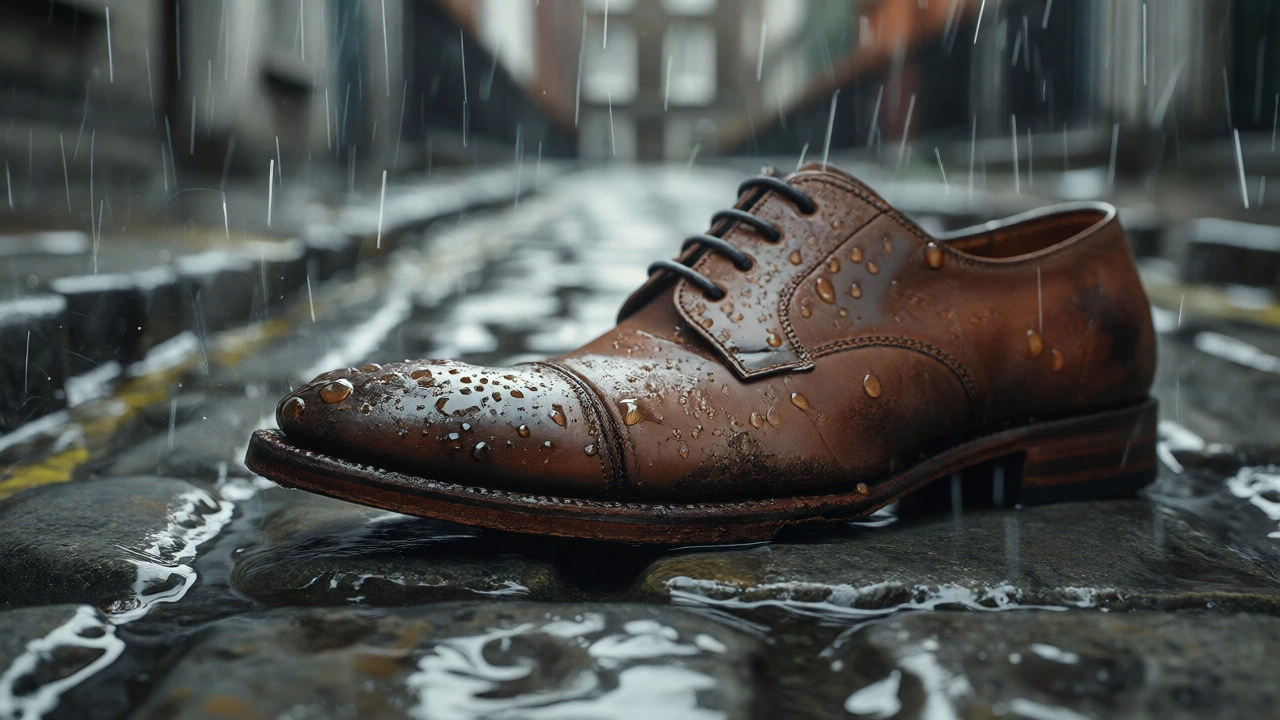
You know that feeling when you pull on your favorite pair of leather shoes and they just don't feel right anymore? Maybe the sole feels thin, or there’s a crease that won’t polish out. In Ireland’s damp, unpredictable climate, our footwear takes a beating. Between the constant rain in Dublin, the salt spray along the Wild Atlantic Way, and the humidity in Cork, leather shoes age faster here than in drier climates. So, when is it actually time to stop wearing them? Is it when the leather cracks? When the sole wears through? Or is it something else entirely?
The Irish Climate Factor
If you live in Ireland, you know the drill. One minute it’s sunny, the next it’s sideways rain. This cycle is brutal on leather. Unlike in Mediterranean countries where shoes might last five years with minimal care, Irish conditions accelerate wear. Moisture seeps into the pores of the leather, causing it to swell and then contract as it dries. Over time, this leads to cracking, especially around the toe box and heel counter.
Consider the difference between a pair worn in dry Arizona versus one worn in Galway. The Irish wearer faces unique challenges:
- Constant Dampness: Even if you’re not walking through puddles, high humidity levels mean your shoes rarely dry out completely.
- Salt Damage: If you drive or walk near coastal areas, road salt and sea air corrode stitching and degrade leather fibers.
- Temperature Fluctuations: Moving from cold outdoor temperatures to warm, centrally heated offices causes condensation inside the shoe, weakening the structure.
Signs It’s Time to Let Go
How do you know when your shoes have reached their end? It’s not always obvious. Here are the concrete signs that your leather shoes are past their prime.
1. Sole Separation and Thinning
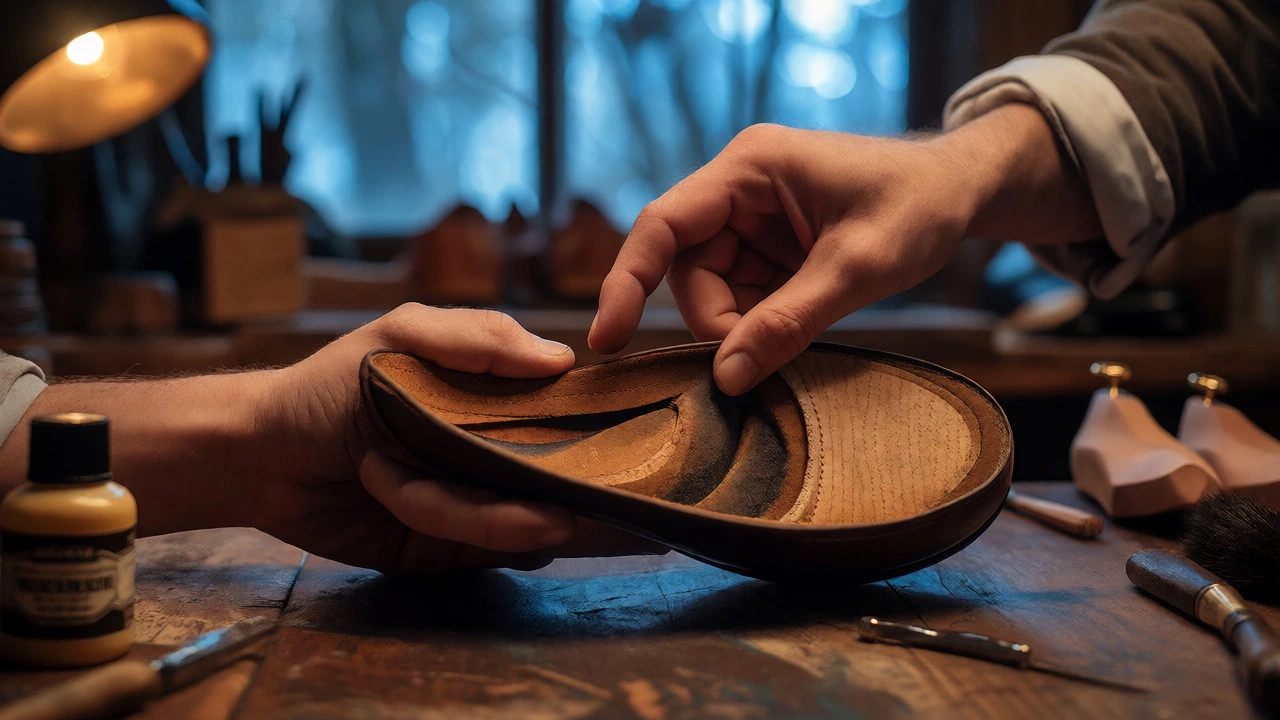
Check the bottom of your shoes. If the sole is worn down so much that you can feel the shape of the ground through it, it’s time. But more importantly, look at the edge where the sole meets the upper. If you see gaps forming, especially after a wet day, the glue is failing. In Ireland, this often happens faster because water gets trapped in these seams. Once water reaches the insole, it damages the cork filler (if present) and makes the shoe uncomfortable.
2. Irreparable Creasing
All leather creases. That’s natural. But if the creases have turned into deep cracks that expose the suede lining underneath, no amount of cream will fix it. These cracks let moisture in every time you step outside. For anyone commuting on the Luas or Dart, this means your feet are getting wet, leading to blisters and cold toes.
3. Structural Collapse
Hold your shoe up. Does it still hold its shape? If the heel counter (the back part) has collapsed inward, or the toe box has become misshapen beyond recognition, the internal structure is gone. This affects your posture and gait. In a country where we walk a lot-whether it’s hiking in Wicklow Mountains or navigating cobblestones in Kilkenny city center-poor support leads to knee and back pain.
Repair vs. Replace: The Economic Decision
Should you repair or replace? This depends heavily on the quality of the original shoe and the cost of repairs in Ireland.
| Shoe Type | Average Purchase Price (EUR) | Resole Cost (EUR) | Verdict |
|---|---|---|---|
| Mass-Market Leather (e.g., Clarks, H&M) | €60 - €90 | €40 - €50 | Replace. Resoling costs nearly half the price of new. |
| Mid-Range (e.g., Loake, Meermin) | €150 - €200 | €50 - €70 | Repair once. Good value if upper is intact. |
| High-End Handmade (e.g., Edward Green, Church's) | €400+ | €80 - €120 | Always Repair. These are built to be resoled multiple times. |
In cities like Dublin and Cork, independent cobblers offer high-quality resoling services. Places like Shoe Doctor or local artisans in Temple Bar can extend the life of good shoes by years. However, if the upper leather itself is cracked or torn, no cobbler can save it. At that point, buying new is the only option.
Care Tips to Extend Lifespan in Ireland
You can’t change the weather, but you can change how you treat your shoes. Here’s how to make your leather shoes last longer in the Irish environment.
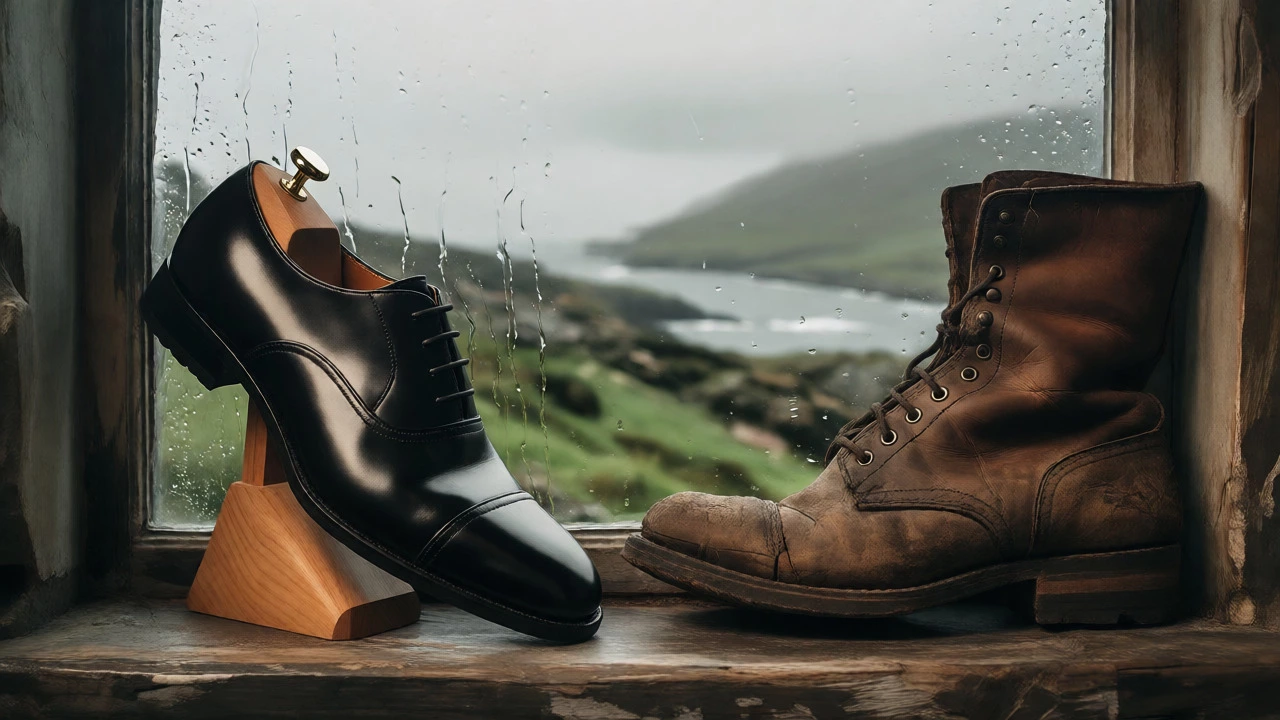
- Use Shoe Trees: Cedar shoe trees are essential. They absorb moisture and maintain shape. Without them, your shoes will warp within months in humid Irish homes.
- Rotate Your Pairs: Never wear the same pair two days in a row. Give them 24-48 hours to dry out fully. This prevents bacterial growth and preserves the leather.
- Waterproofing: Apply a wax-based waterproofing cream before winter starts. Creams penetrate better than sprays for heavy rain. Reapply every few weeks during rainy seasons.
- Drying Properly: Never put wet shoes near a radiator. Heat dries leather too fast, making it brittle. Stuff them with newspaper and let them air-dry at room temperature.
When Quality Matters Most
If you’re investing in shoes for professional settings in Dublin’s financial district or client meetings in Belfast, appearance matters. Scuffed heels and cracked toes signal neglect. In these contexts, retire shoes as soon as they lose their polish ability. You can buff minor scuffs, but deep scratches require sanding and re-dyeing, which is expensive and doesn’t always match perfectly.
Conversely, if you’re using boots for weekend hikes in Connemara, function trumps form. As long as the sole grips and the footbed supports, keep wearing them. Irish trails are muddy and rocky; expect rapid wear. Consider dedicated hiking boots rather than dress leather for these activities.
Environmental Impact of Discarding Shoes
Ireland is increasingly focused on sustainability. Throwing away shoes contributes to landfill waste. Before binning a pair, ask yourself:
- Can the soles be replaced?
- Is the damage purely cosmetic?
- Could they be donated to charity shops like Oxfam or Simon Community?
Many Irish charities accept gently used shoes. If the shoes are truly dead, check if local recycling programs accept mixed materials. Some brands now offer take-back schemes, though availability varies across Ireland.
Final Checklist: Keep or Toss?
Run through this quick test before deciding:
- Inspect the Sole: Is it thinner than 2mm? Yes? Toss or resole.
- Check the Upper: Are there cracks exposing the lining? Yes? Toss.
- Test the Fit: Do they slip off your heel easily? Yes? The structure is compromised. Toss.
- Evaluate Comfort: Do your feet hurt after 30 minutes? Yes? The cushioning is gone. Toss.
- Assess Value: Is the repair cost more than 50% of a new pair? Yes? Buy new.
Remember, your shoes protect your feet from Ireland’s harsh elements. Don’t wait until they fail mid-commute on a rainy Tuesday morning. Regular inspection saves money and discomfort.
How long do leather shoes typically last in Ireland?
With proper care, high-quality leather shoes can last 5-10 years in Ireland. Mass-market pairs may only last 1-2 years due to lower material quality and frequent exposure to damp conditions.
Can I wear leather shoes in the rain in Dublin?
Yes, but you must waterproof them regularly. Use wax-based creams rather than silicone sprays for better protection against prolonged rain. Always use shoe trees afterward to help them dry properly.
Is it worth resoling expensive shoes in Ireland?
Absolutely. Brands like Church’s or Crockett & Jones are designed for multiple resolings. Independent cobblers in major Irish cities provide high-quality service that extends shoe life significantly, making it cost-effective compared to buying new.
What should I do if my leather shoes get soaked?
Remove the insoles and stuff the shoes with crumpled newspaper. Let them dry naturally away from direct heat sources like radiators. Once dry, clean and condition the leather to restore moisture lost during soaking.
Do shoe trees really make a difference?
Yes, cedar shoe trees absorb moisture and maintain the shoe’s shape. In Ireland’s humid climate, this prevents warping and reduces drying time, extending the lifespan of your leather shoes.