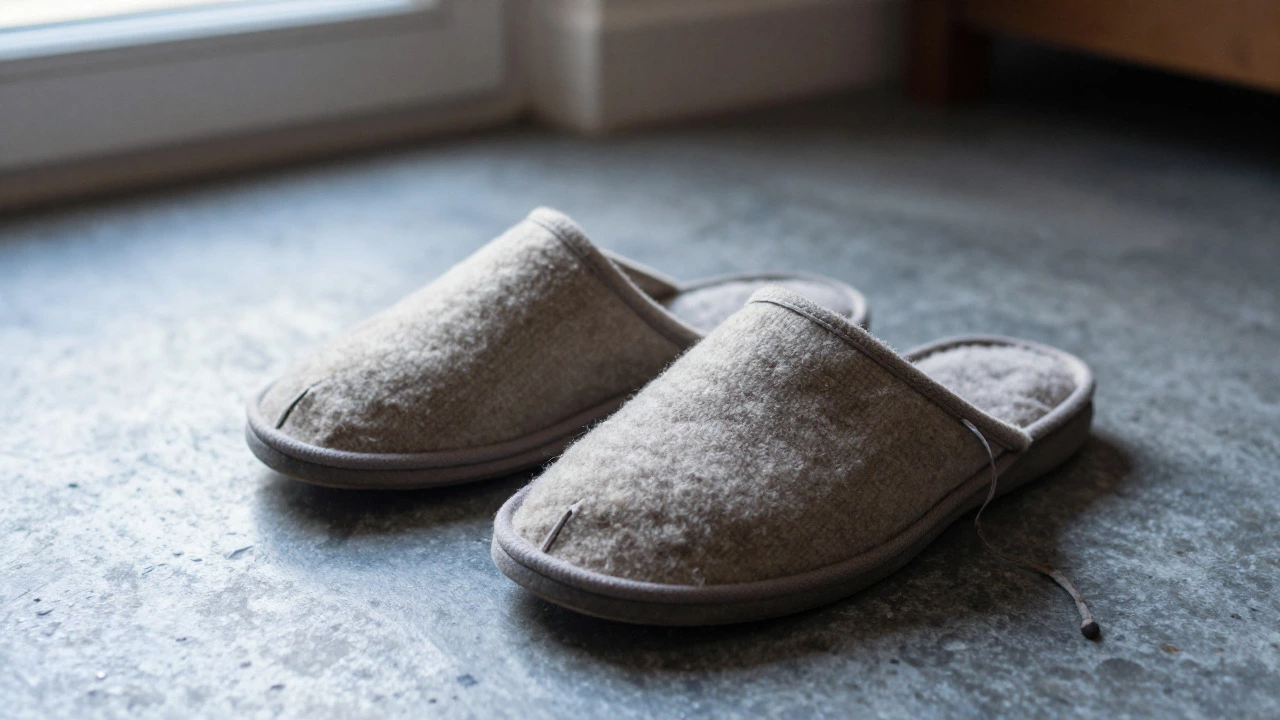
Slipper Replacement Checker
Check the boxes below that apply to your current pair of slippers. The tool will calculate a "Replacement Urgency Score."
Start Checking
Select the issues you are experiencing to see your urgency score.
There is a specific moment in every Irish household when the pair of slippers by the front door stops feeling like comfort and starts feeling like a hazard. Maybe it’s that one slipper where the sole has worn thin, letting you feel the cold tile floor even in January. Or perhaps the heel strap has stretched so much it barely holds your foot in place while you’re walking to the kitchen for tea. In Ireland, where the weather outside can be unpredictable and the floors inside are often stone or hard wood, knowing when to buy new slippers isn’t just about aesthetics; it’s about maintaining warmth, safety, and dignity during the long, damp months.
We don’t talk about slippers as much as we talk about boots or trainers here. They are the unsung heroes of the Irish home. From the traditional wool-lined pairs found in local stores in Galway to the modern memory foam options available online, they serve a critical function. But how do you know when the current pair has served its purpose? It’s not always obvious. You might think you can keep wearing them until they fall apart completely, but there are subtle signs that indicate it’s time for an upgrade. Let’s look at the practical indicators that tell you your old pair has had enough.
The Sole Wear Indicator
The first thing to check is the bottom of your slippers. If you live in a house with polished concrete, terrazzo, or hardwood floors, the wear pattern will be visible quickly. Run your hand over the sole. If you can feel distinct ridges or grooves where the rubber or leather used to be, the cushioning is gone. Without that layer, every step transmits the cold directly to your feet. In older Irish homes, particularly those built before the 1980s, the floors can be quite chilly, especially in the mornings. A worn-out sole means you are essentially walking on ice in your own living room. If you notice that your toes start curling up involuntarily after ten minutes of walking around the house, that is a clear signal that the insulation provided by the sole has failed.
Structural Integrity and Fit
Next, examine the upper part of the slipper. Does the material still hold its shape? High-quality slippers, whether they are made from suede, sheepskin, or high-density foam, should retain their structure after several months of use. If the sides have collapsed inward, or if the toe box looks squashed, the support system is compromised. This matters more than you might think. Poor fit leads to friction blisters or calluses, which are painful and slow to heal, especially if you have sensitive skin or circulation issues common in colder climates. Additionally, check the straps or closures. If a Velcro strip no longer sticks firmly, or if a buckle is loose, you are constantly readjusting your grip. This constant micro-movement prevents your foot from settling into a relaxed position, leading to fatigue by the end of the day.
Hgiene and Odor Control
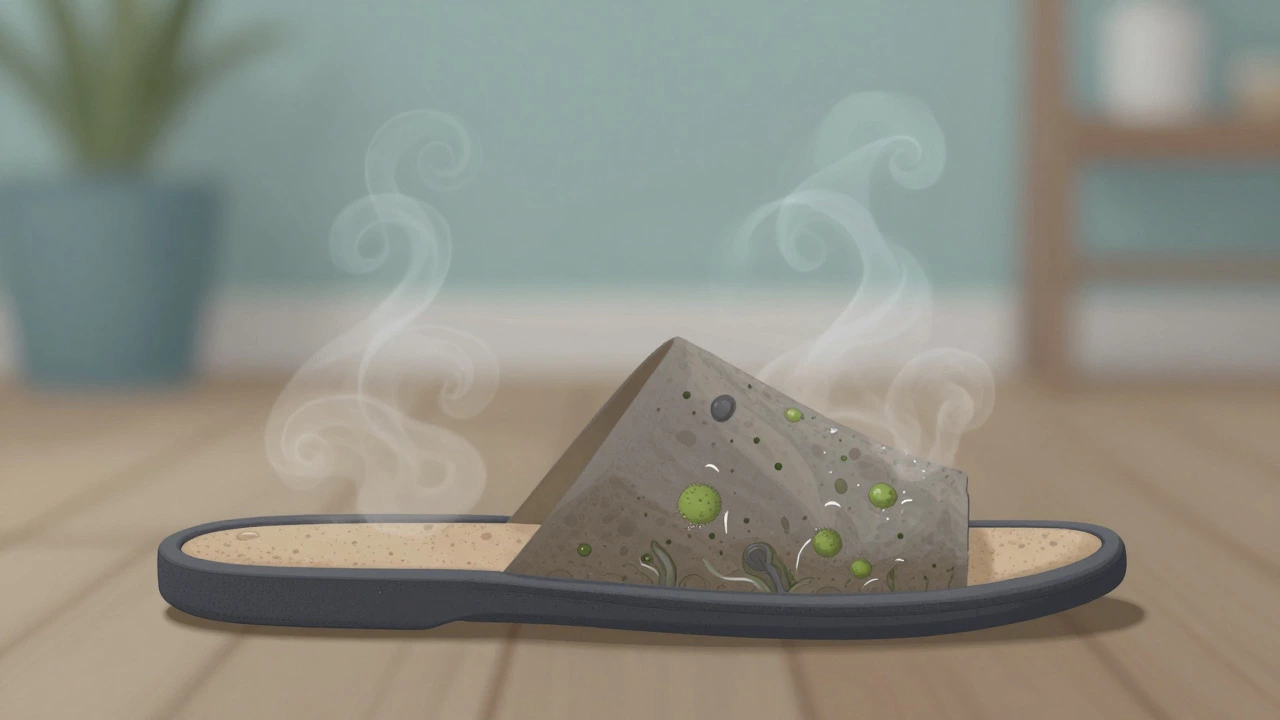
Ireland’s climate is humid. Even indoors, moisture accumulates, especially if you have underfloor heating or simply walk around barefoot before putting on your slippers. Over time, this moisture gets trapped in the lining of the slippers. While some odor is normal, persistent smells that don’t go away after airing out indicate bacterial growth. Wool and leather breathe better than synthetic materials, but even they need replacement eventually. If you find yourself washing your slippers weekly and they still smell musty, the lining has likely degraded. This is a hygiene issue, not just a comfort one. Fungal infections like athlete’s foot thrive in these damp, dark environments. Replacing your slippers every six to twelve months is a good rule of thumb for preventing these issues, depending on how heavily you use them.
Seasonal Transitions in Ireland
Your choice of timing also depends on the season. In Ireland, the transition from summer to autumn is gradual. You might still be wearing sandals in September, but by October, the rain sets in consistently. This is the prime time to invest in heavier, lined slippers. Conversely, if you bought lightweight summer slippers in May, they may not last through the winter. Don’t wait until December to realize you need something warmer. The best time to buy is often late August or early September, when retailers are clearing out summer stock and bringing in winter lines. This overlap period offers the best value for money. You can find quality brands at discounted prices, ensuring you are ready for the cold snap without paying premium winter rates.
Material Matters: What Lasts Longer?
Not all slippers are created equal, and the material dictates how long you should expect to keep them. Here is a quick comparison of common materials found in the Irish market:
| Material | Average Lifespan | Best For | Maintenance Tip |
|---|---|---|---|
| Sheepskin/Wool | 1-2 years | Cold winters, natural breathability | Air out daily, brush lint regularly |
| Memory Foam | 6-12 months | All-day standing, arch support | Rotate with another pair to allow rebound |
| Synthetic/Fabric | 3-6 months | Budget-friendly, easy cleaning | Machine washable (check label) |
| Leather | 2-3 years | Durability, formal indoor wear | Condition monthly, avoid direct heat |
If you live in a coastal area like Donegal or Kerry, where salt air can degrade materials faster, lean towards synthetic or treated leather options. In drier inland areas like Cavan or Longford, natural fibers like wool perform exceptionally well because the lower humidity helps them retain their insulating properties longer.
The Health Factor: Arch Support and Posture
Many people underestimate the impact of indoor footwear on their overall posture. If you stand at a desk or work from home, which is increasingly common in Dublin and Cork tech hubs, you are on your feet for hours. Worn-out slippers offer zero shock absorption. This can lead to lower back pain, knee strain, and plantar fasciitis. If you notice increased joint pain after a day of working indoors, check your slippers. They might be the culprit. Investing in a pair with proper arch support isn’t just a luxury; it’s a health investment. Look for models that mimic the shape of your foot rather than flat, generic designs. Your feet change shape slightly over time, especially as we age, so a pair that fit perfectly two years ago might not provide the same support today.
Where to Shop in Ireland
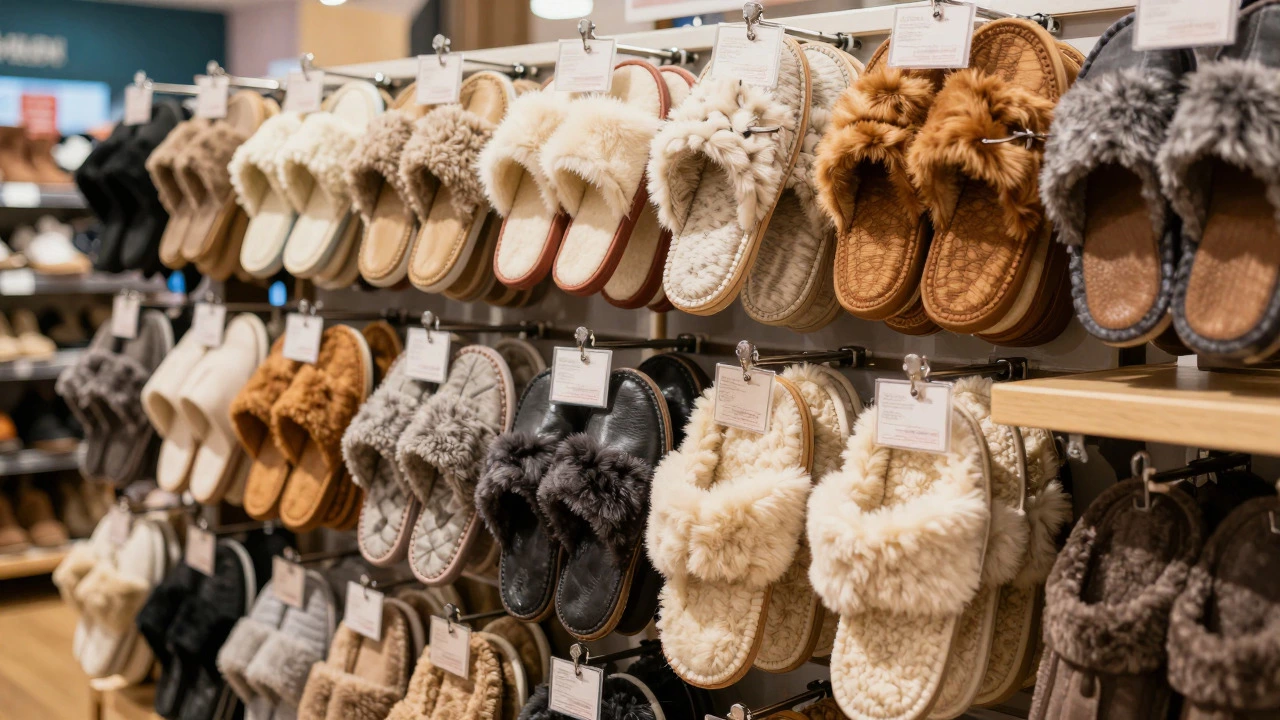
You have plenty of options for replacing your slippers across the country. Major department stores like Dunnes Stores and Penneys carry a wide range of affordable options suitable for everyday wear. For higher-end materials, specialty shoe shops in city centers often stock imported brands known for durability. Online retailers based in Ireland also offer convenient delivery, which is handy if you live in rural areas where access to physical stores is limited. Keep an eye out for seasonal sales events, such as Black Friday in November or the January sales, where you can often find significant discounts on last year’s styles. However, don’t wait too long. If your current pair is unsafe or uncomfortable, waiting for a sale could mean weeks of discomfort. Prioritize comfort and safety over saving a few euros.
Frequently Asked Questions
How often should I replace my slippers in Ireland?
For most people, replacing slippers every 6 to 12 months is ideal. This frequency ensures that the cushioning remains effective against the cold and that hygiene standards are maintained, especially given the humid Irish climate.
Are wool slippers better for Irish winters?
Yes, wool and sheepskin slippers are excellent for Irish winters. They provide natural insulation, wick away moisture, and regulate temperature better than synthetic materials. They are particularly suited for homes with stone or tiled floors.
Can I wash my slippers to extend their life?
It depends on the material. Synthetic slippers can often be machine washed on a gentle cycle. Wool and leather slippers should generally be spot-cleaned and aired out to prevent damage to the fibers or glue. Always check the care label before washing.
What is the best time of year to buy new slippers?
Late August to September is the best time. Retailers are transitioning from summer to winter stock, offering discounts on lighter styles and full price on heavier ones. This allows you to secure quality winter slippers at a reasonable cost before peak demand hits in November.
Do I need different slippers for different rooms?
While not necessary, having a dedicated pair for the bathroom can help with hygiene, as this area is often wetter. Alternatively, using bath mats and drying your feet thoroughly before putting on your main pair of slippers can extend their lifespan and keep them dry.