Irish Suit Style Selector
Recommended Look
Modern ClassicBased on your inputs, here is the ideal suit configuration for the Irish climate and setting.
- ● Brown leather brogues
- ● Minimalist stainless steel watch
- ● Pocket square (straight fold)
Select your occasion and season above to generate your personalized Irish suit style guide.
Walking down Grafton Street in Dublin or heading to a business meeting in Galway, you might notice that the men’s suit landscape in Ireland has shifted. The days of bulky, boxy silhouettes are long gone. If you are wondering what type of men's suit is in style right now, the answer isn't just one cut-it’s about balance. For 2026, the Irish market favors a blend of heritage craftsmanship and modern, streamlined aesthetics. Whether you are dressing for a wedding in County Kerry or a boardroom in Cork City, understanding these nuances will help you look sharp without looking like you tried too hard.
The Rise of the Modern Classic Cut
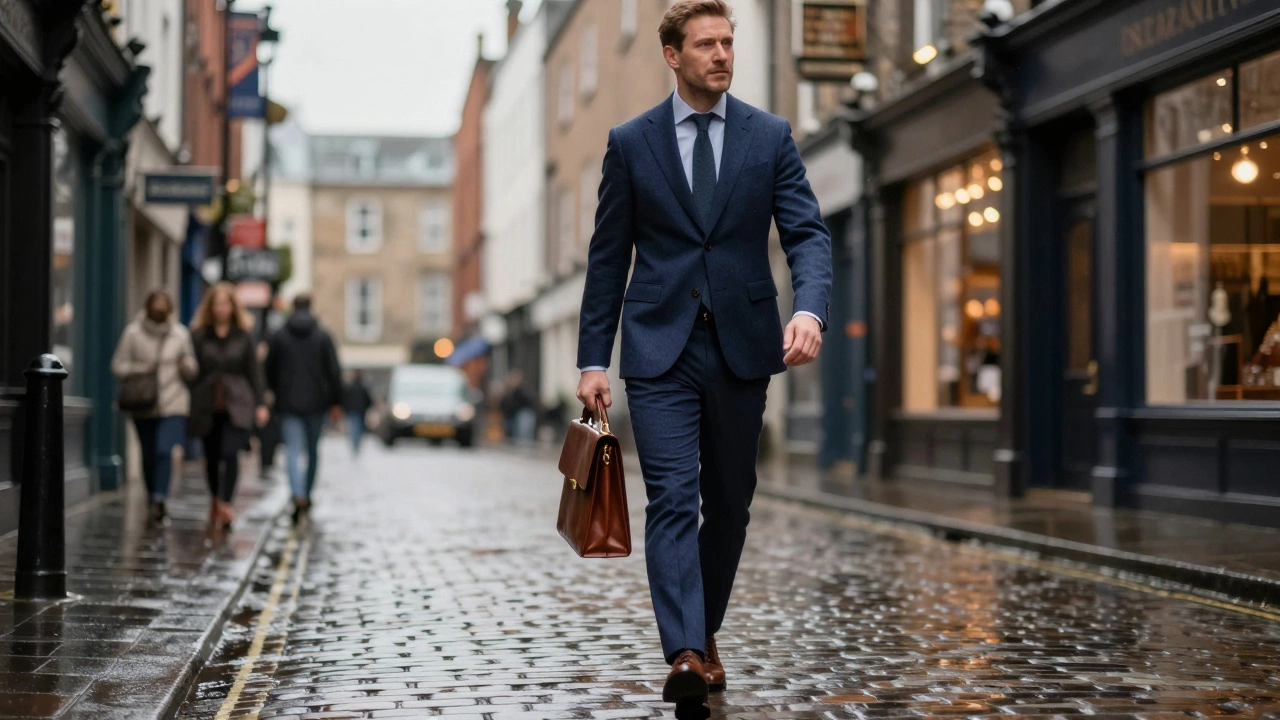
Gone are the extreme skinny fits of the early 2010s. In Ireland, where weather can change from sunny to pouring rain in minutes, comfort and practicality matter. The dominant silhouette this year is the "modern classic" or "tailored" fit. This cut sits between the traditional broad-shouldered British style and the ultra-slim European look.
This style features narrower lapels-usually around 2.5 to 3 inches-and a slight taper at the waist, but it allows enough room in the chest and shoulders for movement. Think of brands like Jack Wills, which is a British-Irish brand known for preppy, collegiate-inspired menswear or local staples found in Dunnes Stores, a major Irish retail chain offering affordable fashion and home goods. These suits offer structure without constriction. For the average Irish man, who might be cycling to work or navigating cobblestone streets, this flexibility is key. It looks polished under a blazer but doesn’t restrict your range of motion when you’re grabbing a pint after work.
Color Palette: Beyond Navy and Grey
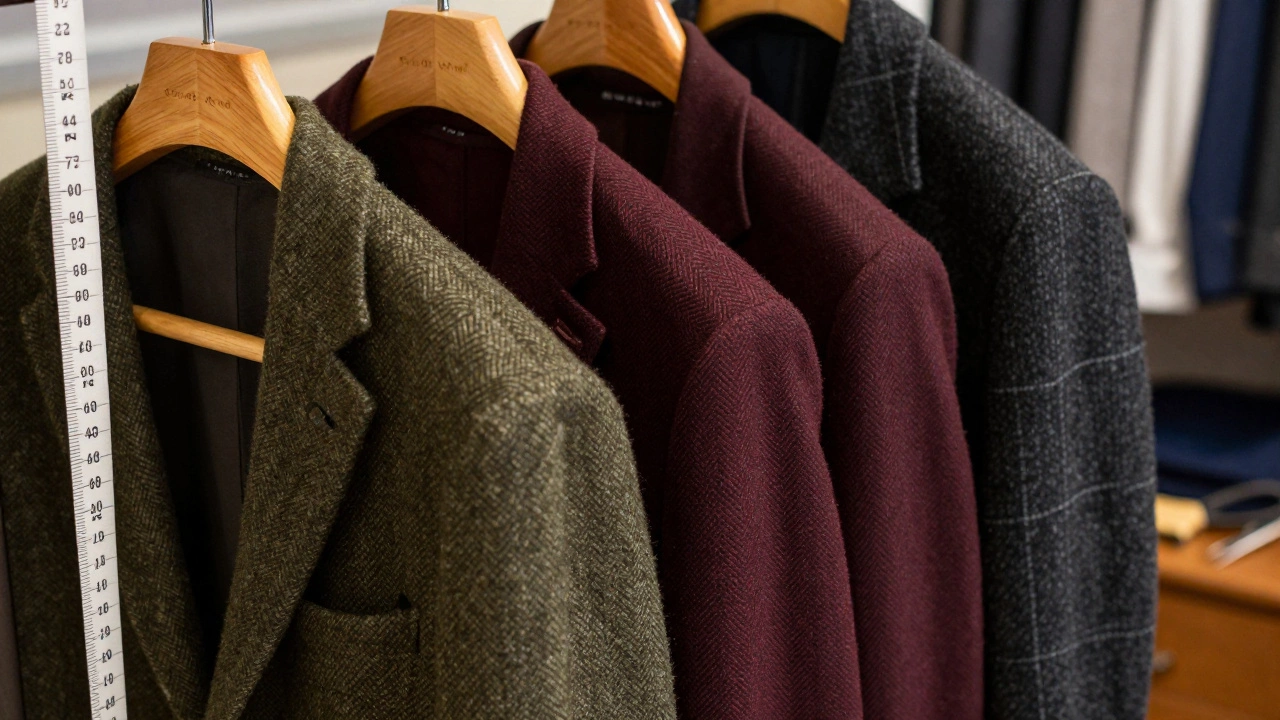
While navy blue and charcoal grey remain the workhorses of the Irish professional wardrobe, 2026 sees a bold shift towards earthier, more textured tones. This reflects a broader trend in global fashion that resonates well with Ireland’s natural landscapes. We are seeing a surge in olive greens, deep burgundies, and even muted browns for social occasions.
Why does this work in Ireland? Because our light is often soft and diffused due to cloud cover. Dark, flat colors can sometimes look harsh against this backdrop. Textured fabrics like tweed, herringbone, and corduroy add depth and visual interest. A tweed suit, once reserved for country houses in Connemara, is now making its way into urban settings. It’s perfect for autumn and winter weddings or formal events in cooler months. Pair an olive green wool suit with a crisp white shirt and brown leather shoes, and you have an outfit that feels both contemporary and deeply rooted in tradition.
Fabric Matters: Dealing with the Irish Climate
You cannot talk about suits in Ireland without talking about fabric. Our climate is notoriously damp and cool. A lightweight linen suit, popular in Mediterranean countries, is rarely practical here unless you are indoors all day. Instead, focus on medium-weight wools, flannel, and wool-cotton blends.
Flannel is a soft, slightly fuzzy wool fabric that provides excellent warmth and water resistance. It is a fantastic choice for Irish winters. It repels light rain better than smooth worsted wool and keeps you warm during those chilly commutes on the Luas or DART. Another rising star is the wool-silk blend, which offers a subtle sheen suitable for evening events while maintaining breathability. When shopping in stores like Marks & Spencer, widely available across Ireland, look for labels that mention "moisture-wicking" or "breathable" properties, especially if you plan to wear your suit for extended periods.
Bespoke vs. Off-the-Rack: The Irish Tailoring Tradition
Ireland has a rich history of tailoring, particularly in cities like Cork and Dublin. While off-the-rack suits have improved dramatically in fit and quality, there is still a strong case for getting something tailored. You don’t need to go fully bespoke (which can cost €1,500 or more), but investing in alterations is crucial.
Many Irish men buy suits from high-street retailers and then take them to local tailors. Shops in areas like Temple Bar, a historic area in Dublin known for its cultural significance and tourist attractions or St. Patrick’s Street, the main commercial thoroughfare in Cork City offer affordable alteration services. Focus on three key adjustments: hemming the trousers so they break cleanly over your shoes, taking in the waist for a cleaner silhouette, and shortening the sleeves so that a quarter-inch of your shirt cuff shows. This small investment transforms a generic suit into one that looks custom-made for you.
Wedding Suits: Navigating Irish Celebrations
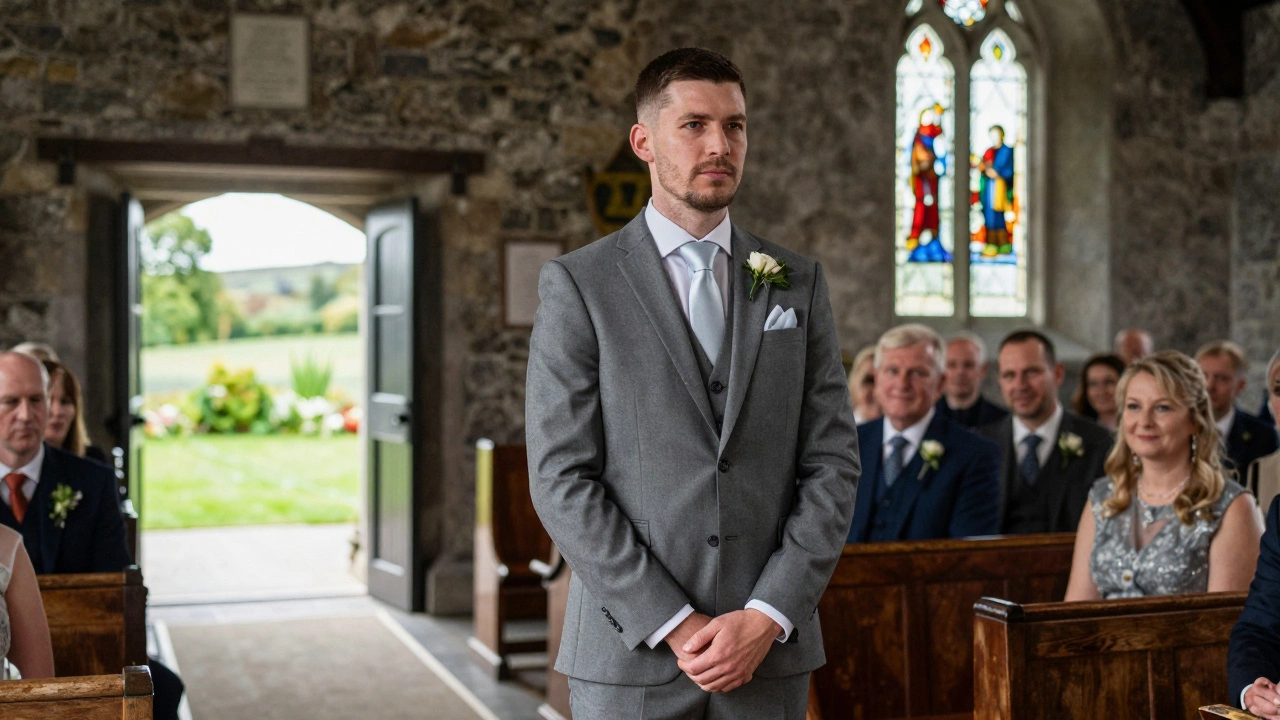
Irish weddings are known for their longevity and mix of formal and informal moments. The suit you choose needs to be versatile. For daytime ceremonies in rural venues, a mid-grey or tan suit works beautifully. As the sun sets and the party moves to the reception hall, darker tones become more appropriate.
In recent years, there has been a move away from black tie for daytime weddings. A well-fitted navy suit with a pocket square and a silk tie strikes the right balance. However, for evening receptions, especially in grand hotels or historic castles, consider a tuxedo or a very dark charcoal suit. Don’t forget the accessories. A flat cap made of tweed or wool adds a distinctly Irish touch to a casual wedding ensemble, while a sleek fedora might suit a more urban vibe. Brands like O’Neill’s, an iconic Irish clothing retailer specializing in premium knitwear and outerwear often carry complementary pieces that elevate your suit look.
| Suit Style | Best For | Fabric Recommendation | Fit Profile |
|---|---|---|---|
| Modern Classic | Office, Daytime Weddings | Medium-weight Wool | Tailored, slight taper |
| Textured Tweed | Autumn/Winter Events, Rural Venues | Tweed, Herringbone | Relaxed, structured shoulders |
| Dark Charcoal/Navy | Evening Receptions, Business Formal | Wool-Silk Blend | Slim to Tailored |
| Linen/Cotton Blend | Summer Garden Parties (Indoors) | Linen-Cotton Mix | Relaxed, breathable |
Where to Shop in Ireland
Finding the right suit depends on your budget and location. In Dublin, you have access to international brands and high-end boutiques. Areas like Stephen’s Green, a large public park in central Dublin surrounded by luxury shops host flagship stores for designers like Hugo Boss and Armani. For a more local feel, explore independent boutiques in neighborhoods like Rialto or Smithfield.
Outside of Dublin, cities like Limerick, Waterford, and Galway have robust high streets. Retailers like Penneys (known as Primark elsewhere) offer budget-friendly options, though quality varies. For mid-range reliability, Dunnes Stores remains a favorite among Irish consumers for its consistent sizing and durable fabrics. If you are looking for something unique, consider visiting tailors in smaller towns; many still operate family-run businesses passed down through generations, offering personalized service that big chains can’t match.
Accessories: Finishing the Look
Your suit is only as good as its accessories. In Ireland, where practicality meets style, choose shoes and belts that can handle wet pavements. Brown leather brogues are a timeless choice, pairing well with navy, grey, and even green suits. Avoid shiny black patent leather unless you are attending a very formal black-tie event.
A pocket square adds a pop of color and personality. Fold it simply-a straight fold for business, a puff fold for weddings. And don’t underestimate the power of a good watch. A minimalist stainless steel watch complements almost any suit and signals attention to detail. Finally, consider a scarf in colder months. A merino wool scarf in a neutral tone can keep you warm during outdoor ceremonies while adding a layer of sophistication.
What is the most versatile suit color for Irish professionals?
Navy blue is the most versatile suit color. It pairs well with white, light blue, and patterned shirts, and it transitions easily from office meetings to evening events. It also hides minor stains better than lighter colors, which is useful in a rainy climate.
Should I buy a bespoke suit or off-the-rack in Ireland?
For most people, buying a well-fitting off-the-rack suit and having it altered is the best value. Bespoke suits are expensive and require multiple fittings. However, if you have a unique body shape or specific fabric preferences, a local tailor can provide a superior fit and personalized experience.
Is a double-breasted suit still in style?
Yes, double-breasted suits are making a comeback, particularly in navy or pinstripe patterns. They offer a bold, authoritative look suitable for senior executives or formal occasions. Ensure the fit is precise, as double-breasted jackets are less forgiving than single-breasted ones.
How do I care for my suit in humid Irish weather?
Avoid dry cleaning your suit after every wear, as it can damage the fibers. Instead, air it out in a well-ventilated space to remove moisture and odors. Use a wooden hanger to maintain the shoulder shape. Spot clean minor stains and brush the fabric regularly with a clothes brush to remove dust and lint.
Can I wear sneakers with a suit in Ireland?
In casual settings, yes. Clean, minimalist white leather sneakers can pair well with a navy or grey suit for a smart-casual look. However, avoid this combination for formal business meetings or traditional weddings, where leather dress shoes are expected.