Irish Evening Dress Guide
Select your event details below to get tailored advice on fabric, length, and practical tips for navigating Irish social scenes.
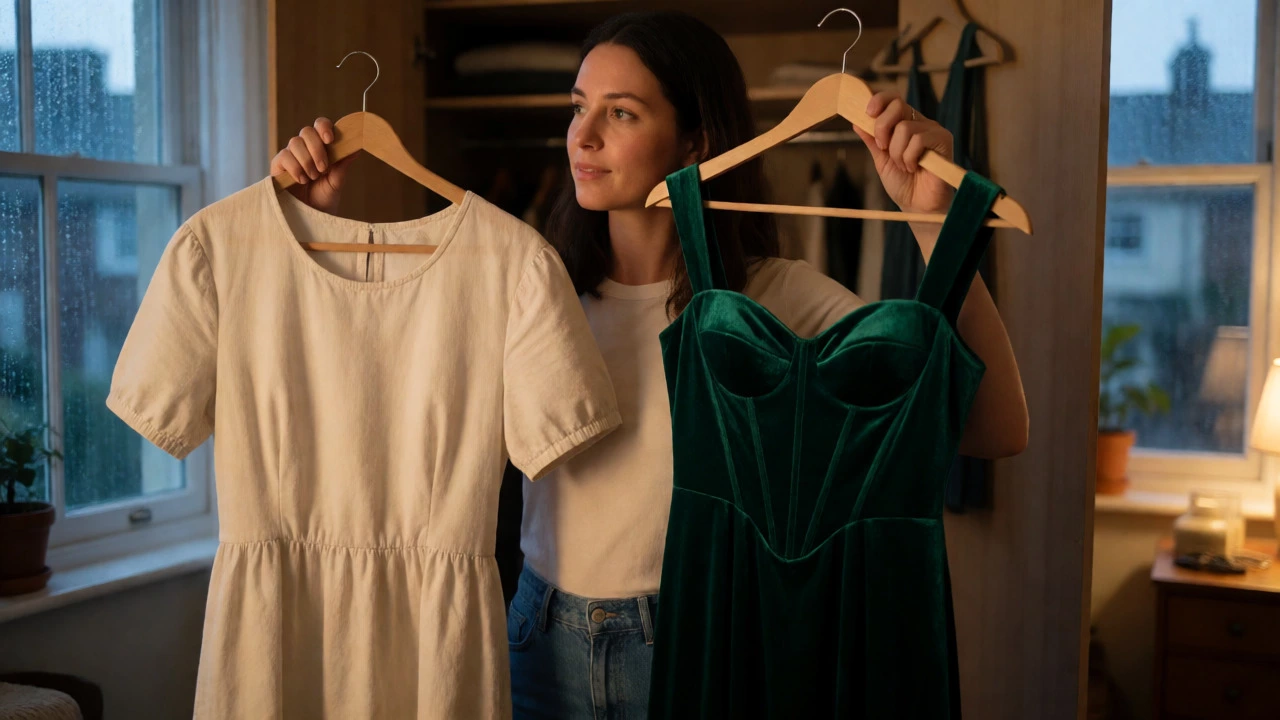
You’ve got an invite. Maybe it’s a wedding in County Clare, a gala at the Mansion House in Dublin, or just a night out that demands more than your usual jeans and jumper. You’re standing in front of your wardrobe, staring at a pile of clothes, wondering: what makes an evening dress?
It’s not just about length. It’s not even just about sparkles. In the Irish market, where weather can shift from sunny to sideways rain in ten minutes, an evening dress is a specific tool for a specific job. It needs to look right under dim restaurant lights, feel comfortable enough for six hours of socializing, and survive the walk from a taxi or the bus stop without losing its shape. Let’s break down exactly what separates a regular day dress from a true evening piece, with practical advice tailored for life here in Ireland.
The Fabric Factor: Why Material Matters More Than Cut
If you take one thing away from this guide, let it be this: fabric dictates the vibe. A cotton sundress might have a flattering cut, but if you wear it to a black-tie event in Galway, people will notice. Evening dresses rely on materials that drape heavily, catch light differently, or hold structure. Think silk, satin, velvet, chiffon, and high-quality synthetics like crepe.
In Ireland, we have a unique relationship with wool. While traditional tweed is great for daytime, fine merino or silk-wool blends are making waves in evening wear because they breathe well yet provide warmth when the wind picks up off the Atlantic. If you’re shopping at boutiques in Dublin’s George’s Street Arcade or browsing online retailers like Brown Thomas, pay attention to the label. A polyester blend can work if it’s engineered to mimic silk (often called "silk-like"), but cheap polyester looks shiny under harsh lighting, which screams "costume." High-end synthetics use matte finishes to avoid that plastic sheen.
| Fabric Type | Best For | Irish Weather Suitability | Maintenance |
|---|---|---|---|
| Silk | Luxury galas, weddings | Low (needs layering) | Dry clean only |
| Velvet | Winter parties, autumn events | High (warm & stylish) | Steam carefully |
| Chiffon | Summer garden parties | Medium (windy issues) | Hand wash or delicate cycle |
| Crepe | Cocktail hours, office-to-evening | High (wrinkle resistant) | Easy care |
Silhouette and Structure: The Architecture of Elegance
An evening dress isn’t just draped over your body; it’s constructed. Daywear often prioritizes ease-elastic waists, loose fits. Evening wear prioritizes form. This means boning in bodices, structured seams, and strategic draping. When you try on a dress, move around. Sit down. Raise your arms. If the dress pulls across the back or rides up awkwardly, it’s not ready for an evening.
In Ireland, our social calendars are packed with weddings and christenings. For these events, the silhouette should respect tradition while allowing personal style. A-line skirts are universally flattering and allow for dancing (a crucial factor if you’re heading to a reception in Cork or Limerick). Column dresses offer sleekness but require careful sizing to ensure comfort during long periods of standing. Avoid overly tight cuts if you plan on eating a full dinner; Irish hospitality rarely involves small portions.
Length and Formality Codes
There’s a persistent myth that evening equals floor-length. Not true. The rule of thumb depends on the time of day and the venue’s prestige.
- Knee-length or Midi: Perfect for cocktail parties, smart dinners in Dublin city center, or semi-formal gatherings. This is the safest bet for most Irish social events.
- Tea Length: Hits mid-calf. Very chic, very retro. Great for vintage-inspired themes or afternoon weddings.
- Floor-Length: Reserved for Black Tie or White Tie events. If the invitation says "Black Tie," do not show up in a midi dress unless you want to stand out for the wrong reasons.
Consider the venue. If you’re attending a wedding in a rural manor house in Wicklow, a train on your skirt might drag through grass or gravel. Practicality matters. A slightly shorter hemline or a slit can save you from tripping, especially if you’re wearing heels on uneven surfaces common in older Irish estates.
Color and Pattern: Navigating Irish Light and Culture
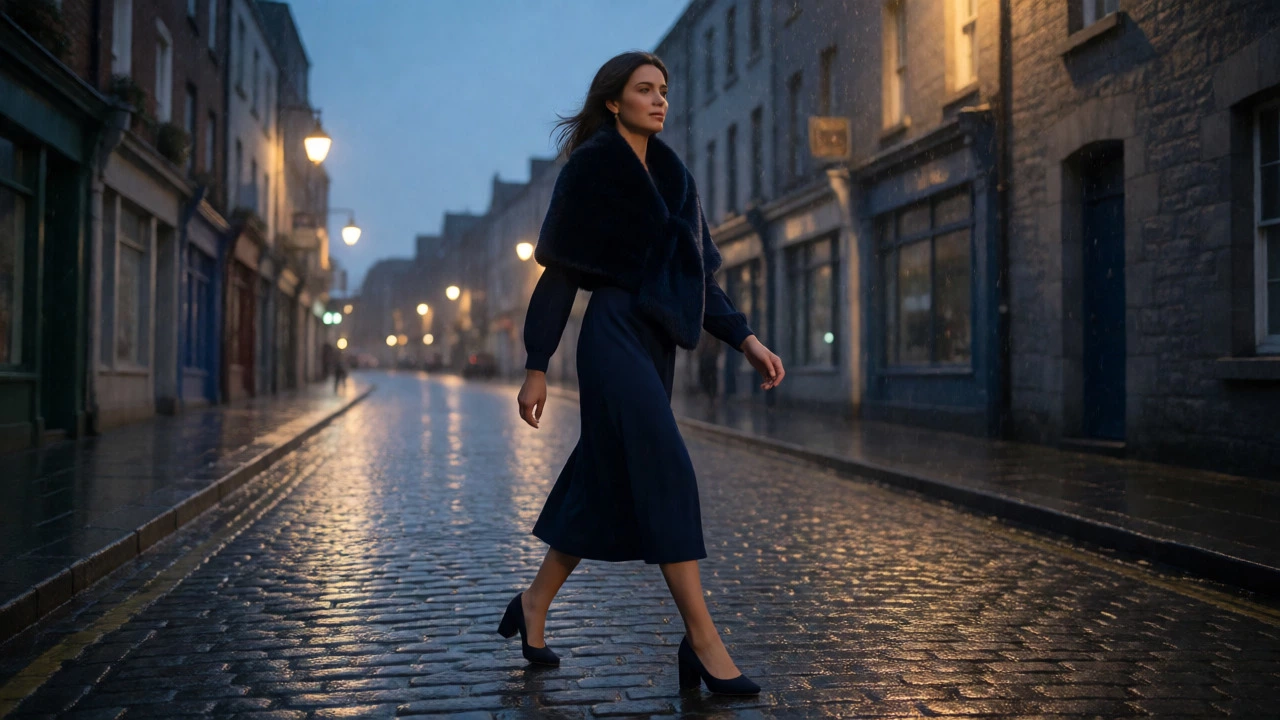
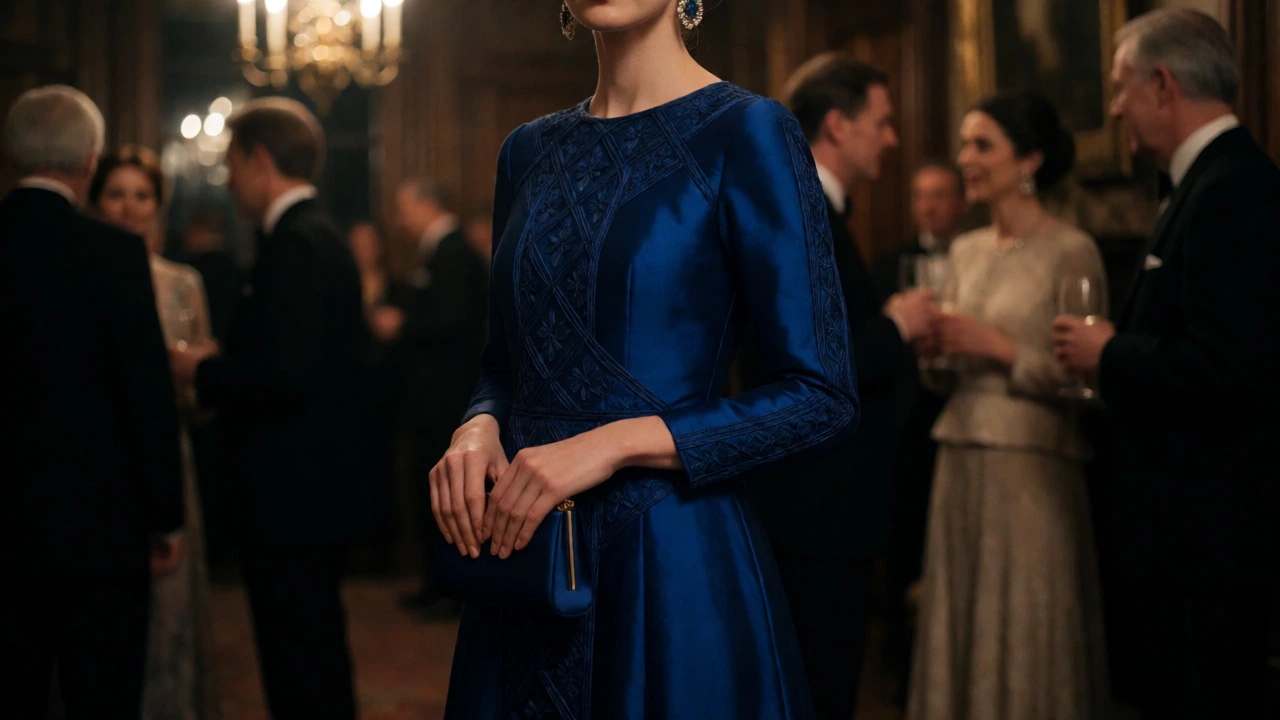
Ireland is famous for its grey skies, but don’t let that dictate your palette entirely. Dark colors like navy, charcoal, and deep emerald absorb light and can look flat indoors unless paired with metallic accessories or bold jewelry. Jewel tones-ruby red, sapphire blue, amethyst purple-pop beautifully against pale skin tones common here and photograph well in low-light settings.
Patterns are tricky. Large florals can look dated if not styled correctly. Small, intricate prints or geometric patterns tend to read as more modern and sophisticated. However, solid colors are easier to accessorize. If you choose a patterned dress, keep your shoes and bag neutral. If your dress is plain, go wild with a clutch or statement earrings.
Avoid white or cream unless you are the bride or explicitly told to wear pastels. At Irish weddings, guests typically steer clear of anything that could compete with the bridal party. Black is acceptable now for evening wear, though some older generations still associate it strictly with mourning. If you’re unsure, check with the host or opt for dark navy instead.
Accessories: Completing the Look
No evening dress is complete without the right support system. Shoes must match the occasion’s intensity. Strappy sandals are elegant but risky if you’ll be walking outside in wet weather. Block heels or elegant flats are often smarter choices in Ireland due to cobblestones and rain. Always break in your shoes before the big night; blisters ruin evenings faster than bad hair days.
Bags should be small. Clutches or mini shoulder bags are standard. Tote bags scream "daytime errands." Jewelry should complement the neckline. A high neck calls for earrings but no necklace. A V-neck benefits from a pendant. Keep it balanced-if your dress has heavy embellishment, skip the necklace entirely.
Where to Shop in Ireland
Knowing where to look saves time and money. Here’s a quick guide to sourcing quality evening wear locally:
- Brown Thomas (Dublin): High-end designer pieces. Ideal if budget isn’t a concern and you want exclusivity.
- Arnotts (Dublin): Mid-range options with frequent sales. Good for finding trendy cuts at reasonable prices.
- Independent Boutiques: Cities like Galway, Cork, and Belfast have thriving independent scenes. Stores like Monsoon or local designers often carry unique pieces you won’t see on everyone else.
- Rental Services: Companies like By Rotation or local hire shops in Dublin offer sustainable alternatives. Renting is increasingly popular among younger Irish professionals who want variety without cluttering their closets.
Buying second-hand is also huge here. Charity shops in affluent areas like Ballsbridge or Rathmines sometimes uncover designer gems for a fraction of the retail price. Just inspect seams and zippers carefully.
Practical Tips for the Irish Climate
Let’s be real: it rains. And it’s windy. An evening dress needs a strategy for getting from point A to point B without disaster.
- Layer Smartly: Bring a tailored coat or a faux-fur wrap. Avoid bulky puffer jackets that crush your hairstyle and hide your outfit.
- Protect Your Hem: If your dress is long, consider carrying it slightly when stepping into taxis or navigating puddles. Some people use fashion tape to secure hems temporarily.
- Weatherproof Makeup: Humidity affects hair and makeup. Use setting sprays designed for humid conditions to keep your look intact despite the damp air.
- Shoe Backup: Carry foldable ballet flats in your clutch. They fit easily and save your feet after hours in heels.
Remember, confidence is the best accessory. If you feel uncomfortable adjusting your dress every five minutes, you won’t enjoy the event. Choose a piece that lets you focus on conversation, food, and fun, rather than worrying about wardrobe malfunctions.
Can I wear a short dress to a formal event in Ireland?
Generally, no. Formal or Black Tie events expect floor-length gowns. Cocktail events allow knee-length or midi dresses. Always check the invitation wording carefully. If it says "Formal," play it safe with longer lengths.
Is black appropriate for evening wear in Ireland?
Yes, black is widely accepted for evening wear now, including weddings, provided it’s styled elegantly with accessories. However, for daytime weddings, some hosts prefer guests avoid black. For evening galas, it’s perfectly chic.
How do I handle rain with an evening dress?
Plan for transport. Take a taxi directly to the entrance if possible. If you must walk, use a large umbrella and lift your hem slightly. Choose fabrics that dry quickly or resist water spots, like crepe or treated synthetics, rather than delicate silks.
What shoes go best with evening dresses in Ireland?
Block heels or wedges are practical for uneven pavement and grass. Strappy sandals work for indoor venues. Closed-toe pumps are elegant for colder months. Always prioritize comfort-you’ll likely be standing or dancing for hours.
Should I buy or rent my evening dress?
Rent if you attend many varied events and want variety without storage issues. Buy if you find a timeless piece you’ll wear multiple times or if you prefer ownership for hygiene reasons. Rental services are growing rapidly in major Irish cities.