
The Irish Summer Dress Survival Calculator
Dress Specifications
Select your dress details and click Analyze to see if it's Irish-weather ready.
Let’s be honest: if you live in Ireland, the concept of a "summer" is less of a season and more of a hopeful suggestion. One minute it’s 20°C with a gentle breeze from the Atlantic, and ten minutes later, you’re dodging rain while shivering in a cardigan. So, when we ask what makes a summer dress a summer dress here, we aren’t just talking about pretty patterns or floral prints. We are talking about survival gear for a climate that refuses to commit.
In many parts of the world, a summer dress is defined by its ability to handle scorching heat. In Ireland, it’s defined by its versatility against unpredictable weather. It needs to keep you cool during those rare, glorious days at the Galway Arts Festival, but it also needs to layer easily under a denim jacket when the wind picks up off the Cliffs of Moher. If your dress can’t do both, it doesn’t belong in your wardrobe.
The Fabric Factor: Why Cotton and Linen Rule
The first thing that separates a true summer dress from a spring or autumn number is the fabric. You might think any light material works, but not all fibers behave the same way in damp air. In Ireland, humidity can hit even when it’s not hot, making heavy synthetics feel like plastic wrap against your skin.
| Fabric Type | Performance in Ireland | Why It Works (or Doesn't) |
|---|---|---|
| Linen | Excellent | Breathable, dries quickly, and looks chic even when wrinkled. Perfect for coastal towns like Dingle or Kinsale. |
| Cotton Poplin | Very Good | Smooth, lightweight, and absorbs moisture without feeling clammy. Great for city walks in Dublin. |
| Viscose/Rayon | Good | Drapes beautifully and feels cool to the touch, but can take longer to dry if caught in a shower. |
| Polyester Blends | Poor | Traps heat and sweat. Unless it’s specifically designed for moisture-wicking, avoid this in humid conditions. |
| Silk | Moderate | Natural temperature regulation, but high maintenance. A drop of rain can leave a permanent stain. |
Linen is arguably the king of Irish summer fabrics. It has a natural texture that breathes better than almost anything else. When you’re walking through the streets of Cork or sitting at an outdoor café in Temple Bar, linen allows air to circulate, keeping you comfortable even if the sun decides to make a rare appearance. Yes, it wrinkles. Embrace it. In Ireland, a crisp, unwrinkled look often signals you’ve been indoors too long. A slightly rumpled linen dress says you’re out living your life.
Cotton poplin is another strong contender. It’s lighter than standard cotton jersey and holds its shape better. If you’re heading to a wedding in Killarney or a garden party in Wicklow, poplin offers a polished look without the stiffness of formal fabrics. It washes well and dries relatively fast, which is crucial when you’re packing for a weekend trip and don’t know if you’ll need to hang clothes in a damp hotel room.
Design Details That Matter: Sleeve Length and Silhouette
When choosing a summer dress in Ireland, sleeve length is a strategic decision, not just an aesthetic one. Strapless dresses look stunning in photos, but they offer zero protection against sudden gusts of wind or unexpected drizzle. Opt for dresses with short sleeves, cap sleeves, or three-quarter lengths. These provide just enough coverage to keep you warm when the temperature drops in the evening, yet still expose enough skin to feel summery during the day.
Silhouette also plays a role in comfort. A-line dresses and shirt dresses are particularly popular in Ireland because they allow for movement and layering. An A-line cut skims the body without clinging, which is helpful if you’re eating a hearty lunch at a pub after a hike in the Wicklow Mountains. Shirt dresses, with their button-down fronts, offer the flexibility to adjust ventilation. Open a few buttons at the top on a warmer day, or zip up a cardigan over them when the chill sets in.
Avoid overly tight fits. While bodycon styles have their place, they restrict airflow and can become uncomfortable if you’re active. Irish summers are often spent outdoors-whether it’s visiting the Giant’s Causeway in Northern Ireland or exploring the Ring of Kerry. You want a dress that moves with you, not against you.
Color Palette: Beyond Floral Prints
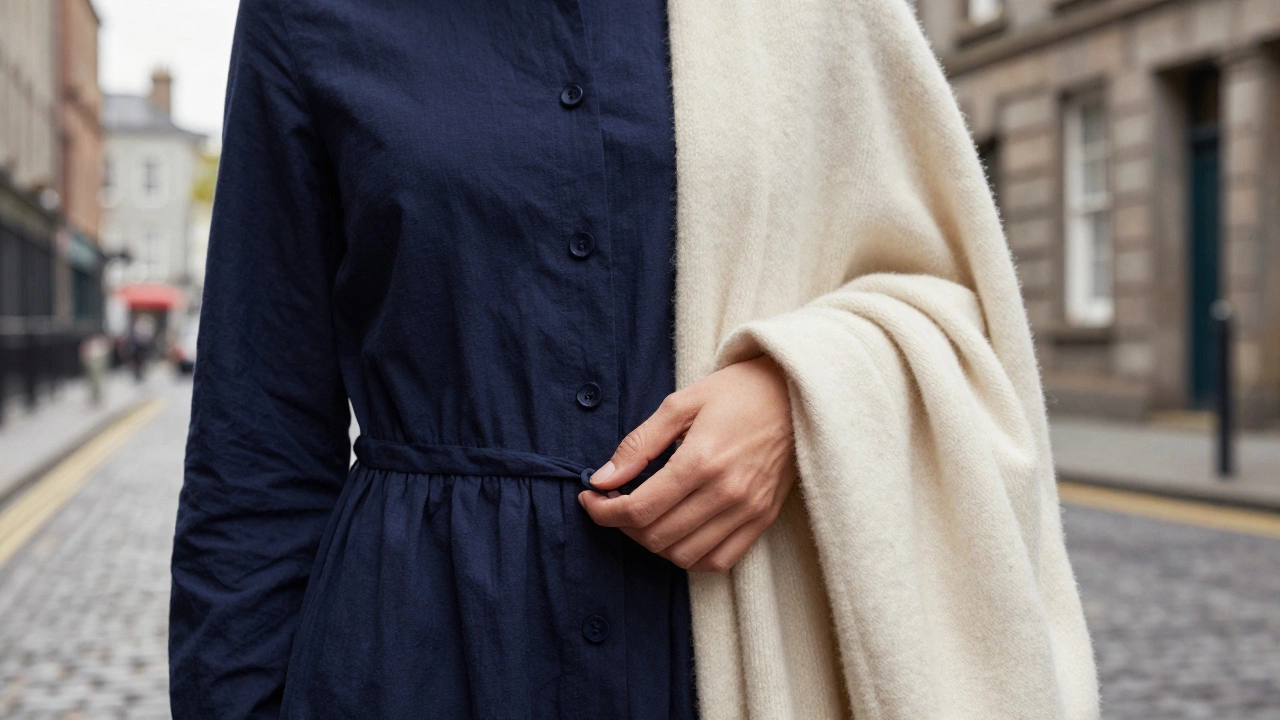
We tend to associate summer dresses with bright florals, and there’s nothing wrong with that. But in Ireland, where the landscape is dominated by lush greens, deep blues, and earthy tones, neutral colors can be just as effective-and sometimes more practical. Darker shades like navy, olive green, or charcoal grey hide dirt and stains better than white or pastels. This is useful if you’re navigating muddy trails or spilling Guinness at a local pub.
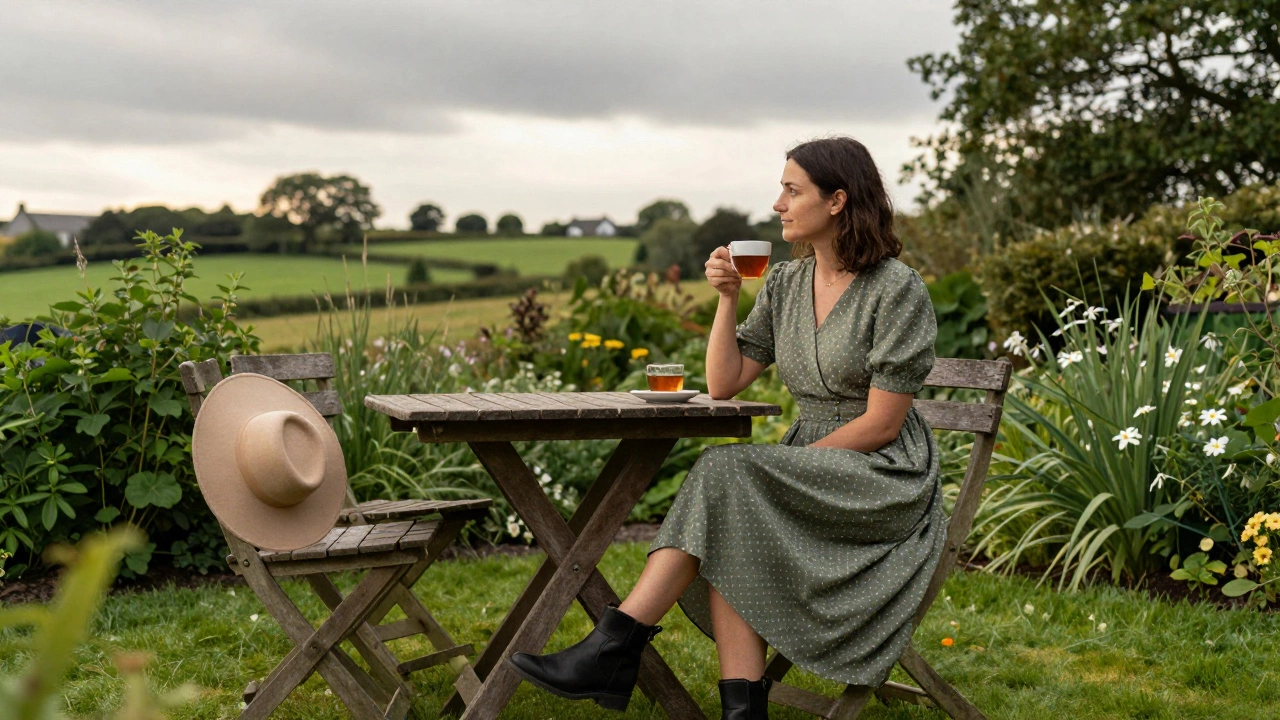
That said, don’t shy away from color entirely. A pop of red or yellow can lift your spirits on a grey day. Consider dresses with subtle patterns rather than loud, busy prints. Small polka dots, delicate stripes, or muted botanical designs blend well with the Irish aesthetic. They’re versatile enough to pair with sandals for a beach day in Westport or boots for a countryside stroll.
If you’re buying from local Irish brands, you’ll notice a trend towards timeless, understated elegance. Brands like Séafraidh and Niamh O’Leary often feature clean lines and high-quality materials that transcend seasonal trends. Investing in a few well-made pieces in classic colors means you can wear them year after year, regardless of how the weather behaves.
Layering: The Secret to Irish Summer Style
No discussion of summer dresses in Ireland is complete without mentioning layers. The key to staying comfortable is to treat your dress as a base layer, not your entire outfit. Always have a light jacket, cardigan, or blazer within reach. Denim jackets are a staple in Irish wardrobes because they’re durable, stylish, and provide adequate warmth without bulk.
Knitwear isn’t just for winter. Lightweight merino wool or cotton-blend cardigans are perfect for pairing with summer dresses. They add texture and sophistication while keeping you cozy. Think of it as the Irish version of dressing for the weather you *might* get, not just the weather you hope for.
Accessories matter too. Scarves can double as blankets on chilly evenings, and wide-brimmed hats protect your face from both sun and rain. Footwear should be practical. Wedge heels are great for grassy lawns at festivals, but sturdy flats or ankle boots are better for cobblestone streets in historic towns like Kilkenny or Limerick.
Where to Shop for Summer Dresses in Ireland
Finding the right summer dress doesn’t require traveling far. Ireland has a vibrant retail scene with options for every budget and style preference. In Dublin, Brown Thomas offers a curated selection of international designers alongside local labels. For something more affordable, Marks & Spencer and Next carry reliable basics in breathable fabrics.
Supporting local designers is also a great way to find unique pieces. Shops like The Bodyline in various cities stock independent Irish brands that prioritize quality and sustainability. Online retailers like ASOS and Zara are convenient, but always check the fabric composition before ordering. Many fast-fashion items claim to be "lightweight" but are made from synthetic blends that trap heat.
Second-hand shopping is increasingly popular in Ireland, thanks to stores like Charity Shops and vintage boutiques in areas like Smithfield in Dublin. You can find high-quality linen and cotton dresses at a fraction of the retail price. Plus, it’s an eco-friendly choice that aligns with growing environmental awareness.
Caring for Your Summer Dresses
To make your summer dresses last, proper care is essential. Linen and cotton should be washed in cold water to prevent shrinkage and fading. Air drying is preferred over tumble drying, as high heat can damage fibers and cause excessive wrinkling. If you do use a dryer, opt for a low-heat setting and remove the dress while it’s still slightly damp to minimize ironing.
Ironing linen is part of the process, but remember that some wrinkles are acceptable. Use a steam iron on a medium setting, and iron the dress inside out to preserve the color. Store your dresses on hangers rather than folding them to maintain their shape. Avoid overcrowding your closet, as this can lead to unnecessary creasing.
If you spill something on your dress, treat the stain immediately. Blot, don’t rub, and use a mild detergent suitable for delicate fabrics. For stubborn stains, consider professional cleaning, especially for expensive or intricate designs.
What is the best fabric for a summer dress in Ireland?
Linen is widely considered the best fabric for summer dresses in Ireland due to its breathability and quick-drying properties. Cotton poplin is also an excellent choice for its smooth texture and moisture absorption.
Should I wear sleeveless dresses in Ireland during summer?
While sleeveless dresses are fine for sunny days, they offer little protection against wind and rain. Opt for dresses with short or three-quarter sleeves for better versatility. Always carry a light jacket or cardigan for layering.
Where can I buy high-quality summer dresses in Ireland?
You can find high-quality summer dresses at department stores like Brown Thomas, high-street retailers such as Marks & Spencer, and local boutiques featuring Irish designers. Second-hand shops in cities like Dublin and Cork also offer great finds.
How do I care for linen summer dresses?
Wash linen dresses in cold water and air dry them to prevent shrinkage. Iron on a medium setting while the fabric is slightly damp. Accept that some wrinkles are natural and add character to the garment.
Are floral prints suitable for Irish summers?
Yes, floral prints are popular, but subtle patterns often work better with Ireland’s natural landscapes. Neutral colors like navy, olive, and grey are also practical for hiding stains and matching various accessories.