Evening Dress Length Selector
Recommended Footwear
Fabric Advice
Walking into a room in the wrong hemline feels like showing up to a wedding in sneakers. It’s awkward, it’s distracting, and it ruins the vibe you’re trying to create. The question isn’t just about fashion rules; it’s about reading the room. When you ask, what length should an evening dress be, you are really asking how to balance respect for the occasion with your personal comfort and style.
There is no single magic number in inches that fits every event. A black-tie gala demands a different silhouette than a summer garden party or a semi-formal office holiday mixer. Getting this right saves you from overdressing (which can feel stiff) or underdressing (which can feel disrespectful). Let’s break down the specific lengths, what they mean, and where they belong.
The Floor-Length Gown: The Gold Standard of Formality
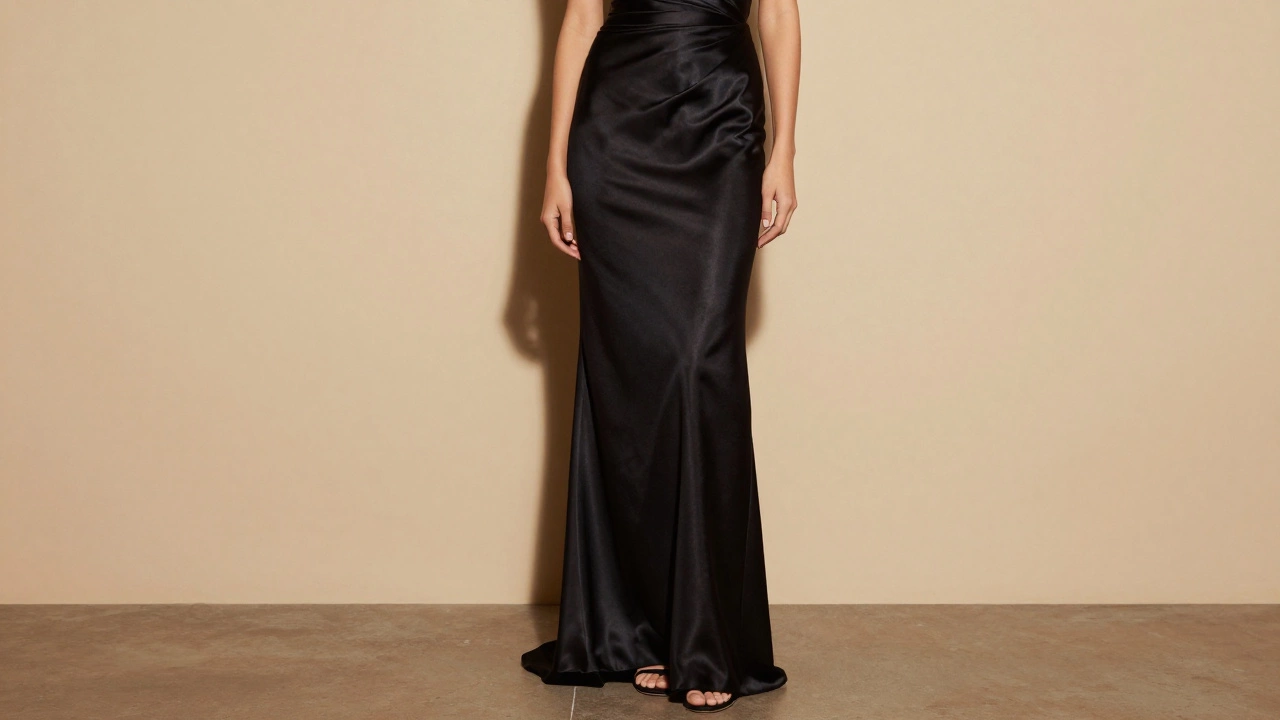
If the invitation says "Black Tie" or "White Tie," the answer is almost always floor-length. This is the most traditional and elegant option for high-end events. A true floor-length gown grazes the top of your shoes. It should not pool on the ground-that’s a tripping hazard and looks messy-but it shouldn’t show your ankles either.
Floor-length gowns are formal dresses designed to touch the floor at the back while allowing movement. They are typically made from luxurious fabrics like silk satin, chiffon, or velvet. These fabrics drape heavily, creating a dramatic line that commands attention without needing excessive embellishment.
Think of these as the tuxedo equivalent for women. You see them at galas, state dinners, and high-society weddings. If you are tall, a floor-length gown elongates your frame beautifully. If you are petite, you need to be careful with volume. Too much fabric can swallow a smaller frame. Opt for a fitted mermaid cut or a sleek sheath rather than a massive ballgown if you want to maintain proportion.
One practical tip: always check the heel height before you finalize the hem. A dress altered for 3-inch heels will drag if you switch to flats. Many women carry a pair of discreet stilettos specifically for their formal gowns to ensure that perfect "grazing" effect.
Tea-Length Dresses: The Sweet Spot Between Formal and Fun
Somewhere between the knee and the ankle lies the tea-length dress. This hem hits mid-calf, usually around 10 to 15 inches above the floor. It was incredibly popular in the 1940s and has seen a major resurgence in recent years because it offers a retro charm that floor-length gowns sometimes lack.
This length is perfect for "Cocktail" or "Semi-Formal" events where you want to look polished but not overly serious. It’s also fantastic for dancing. Because the skirt doesn’t drag, you can move freely. If you are attending a venue with outdoor elements-like a lawn ceremony or a rooftop bar-tea-length is safer than a floor-length train that might get dirty.
Styling tea-length requires a bit more thought regarding footwear. Since the calf is exposed, your shoes become a focal point. Strappy sandals, vintage pumps, or even clean white sneakers (for a very casual chic look) work well here. Avoid bulky boots unless the dress is very short and the vibe is edgy.
Knee-Length and Above: The Modern Cocktail Choice
When people think of a "cocktail dress," they often picture something hitting right at the knee or slightly above. This is the standard for business after-parties, birthday dinners, and less rigid social gatherings. The key here is sophistication. A mini-dress can work for an evening event, but only if the fabric and cut are elevated.
A simple cotton shift dress might look too casual for an evening function. However, a satin slip dress or a structured blazer-style mini dress reads as intentional and stylish. The shorter the hem, the more important the material becomes. Velvet, sequins, lace, and heavy silk signal "evening wear." Jersey and thin cotton signal "daytime."
If you choose a hemline above the knee, keep the neckline modest. The rule of thumb in fashion is balance. If you are showing legs, cover the shoulders or chest. If you go strapless, consider a midi or knee-length cut. This isn’t a strict law, but it helps avoid looking overdone. Confidence is sexy; confusion is not.
How Venue and Weather Dictate Your Hemline
You can have the best dress in the world, but if it clashes with the environment, it won’t work. Always consider the physical space where the event is taking place.
- Beach or Garden: Avoid floor-length heavy fabrics. They absorb sand, mud, and grass stains instantly. Stick to tea-length or knee-length in light linens or chiffons. Barefoot-friendly hems are a plus.
- Ballroom or Hotel Ballroom: This is prime territory for floor-length. The polished floors reflect the fabric, adding to the glamour. Heels are expected here.
- Rooftop or Outdoor Terrace: Wind is your enemy. Long trains blow up and cause embarrassment. Tea-length or knee-length is safer. Also, consider temperature. Evenings get cold outdoors. Bring a faux fur wrap or a tailored coat regardless of the dress length.
- Church or Religious Venue: Modesty matters. If the event starts with a ceremony, ensure your shoulders and knees are covered. A shawl or jacket can solve this without changing the dress.
Weather also plays a role. In Dublin, where I live, rain is part of the landscape. A floor-length dress in the pouring rain is a nightmare. It gets soaked, heavy, and clings to your legs. For rainy evenings, a darker-colored tea-length dress or a water-resistant fabric is a smart choice. You’ll stay dry and look put-together.
Body Type and Proportion: Finding Your Fit
Your body shape should influence your choice of length, but it shouldn’t restrict you. The goal is to highlight your favorite features.
If you have long legs, show them off. A knee-length or above-the-knee dress emphasizes your height. If you are shorter, a floor-length gown with a slight slit can create the illusion of length by drawing the eye vertically. Avoid cutting your body in half with a horizontal hemline at the widest part of your calf. Instead, aim for the slimmest part of your lower leg or go all the way down.
Petite women often worry that floor-length dresses overwhelm them. This is true if the dress is unstructured. But a column dress-a straight, narrow cut-looks stunning on petite frames because it creates a continuous vertical line. Just ensure the waist is defined, either with a belt or tailoring, so you don’t look like a tent.
For curvier figures, A-line skirts in floor or tea-length offer a flattering silhouette that skims over hips and thighs without clinging. Bodycon styles in shorter lengths can be powerful, but they require confidence and the right undergarments to smooth lines.
The Importance of Fabric Weight
Fabric dictates how a hemline behaves. A light organza skirt will float and flare, making a knee-length dress look airy and romantic. A heavy brocade or velvet will hang straight and sharp, making a floor-length gown look regal and grounded.
If you choose a flowy fabric like chiffon for a floor-length dress, expect movement. This is great for dancing but bad for windy days. If you choose a stiff fabric like taffeta, the dress will hold its shape, which is good for structure but can add visual bulk. Consider the season too. Heavy fabrics are for winter evenings; light fabrics are for summer nights.
Here is a quick comparison to help you decide:
| Dress Length | Best For | Footwear Pairing | Vibe |
|---|---|---|---|
| Floor-Length | Black Tie, Galas, Weddings | Stilettos, Hidden Wedges | Elegant, Dramatic, Traditional |
| Tea-Length | Cocktail, Semi-Formal, Outdoor | Strappy Sandals, Pumps | Retro, Playful, Balanced |
| Knee-Length | Business Parties, Dinner Dates | Nude Heels, Block Heels | Modern, Chic, Professional |
| Mini/Above Knee | Casual Evening, Clubs, Younger Crowds | Ankle Boots, Sneakers, High Heels | Bold, Edgy, Youthful |
Practical Tips for Trying On and Alterations
Never buy an evening dress without trying it on with the shoes you plan to wear. Even a half-inch difference in heel height changes the entire look. If you are ordering online, order early. Tailoring takes time. A cheap $50 dress tailored perfectly looks better than a $500 dress that drags on the floor.
Check the movement. Sit down. Walk up stairs. Dance a little jig. If the hem rides up too high when you sit, it might be too short for a formal event. If it trips you when you walk, it needs shortening. Most seamstresses can take a floor-length dress up to tea-length easily. Going the other way is impossible.
Consider the lighting. Evening events often have dim, warm lighting. Colors look different in low light. Navy can look black. Silver can look grey. Make sure the dress still pops in the environment where you’ll be wearing it.
And remember, fashion rules are guidelines, not laws. If you love a mini-dress and the event is semi-formal, wear it. Own it. Style is about feeling confident in your skin. If you feel comfortable, you look comfortable. And that is the most attractive accessory you can wear.
For those traveling internationally for events, local customs can vary wildly. What is acceptable in New York might be considered too revealing in parts of Asia or the Middle East. Always research local norms. Sometimes, a simple scarf or jacket can adapt your outfit to fit cultural expectations without sacrificing your style. Speaking of travel, if you are heading to exotic locations for special occasions, resources like this directory can provide insights into local services and etiquette, ensuring you navigate new cities with ease and discretion.
Can I wear a floor-length dress to a cocktail party?
Yes, but be cautious. A floor-length dress can sometimes look overdressed for a cocktail event, which is typically more relaxed. If you do wear one, choose a simpler cut and lighter fabric to keep it from feeling too heavy or formal. Avoid elaborate trains or excessive sparkle.
What is the difference between tea-length and midi dresses?
They are often used interchangeably, but there is a subtle distinction. Midi dresses generally hit anywhere from mid-calf to just below the knee. Tea-length specifically refers to the 1940s style that hits squarely at the mid-calf, often with a fuller skirt. Both are versatile for semi-formal events.
Should my evening dress show my ankles?
It depends on the formality. For black-tie events, no-your dress should graze the floor. For cocktail or semi-formal events, showing ankles is perfectly acceptable and often preferred for a modern, chic look. Ankle-grazing hems are very trendy right now.
How do I prevent a floor-length dress from dragging?
Always alter your dress with the specific heels you plan to wear. If you are concerned about getting it dirty, use hem tape to temporarily secure the bottom edge, or opt for a dress with a built-in petticoat that keeps the hem slightly lifted. Some women also use clear shoe clips to lift the back hem discreetly.
Is it okay to wear a mini dress to a wedding?
It depends on the wedding's dress code and venue. For a casual beach wedding, yes. For a formal church wedding, it is risky and may be seen as disrespectful. When in doubt, choose a knee-length or tea-length dress. If you must wear a mini, pair it with sophisticated accessories and a structured jacket to elevate the look.