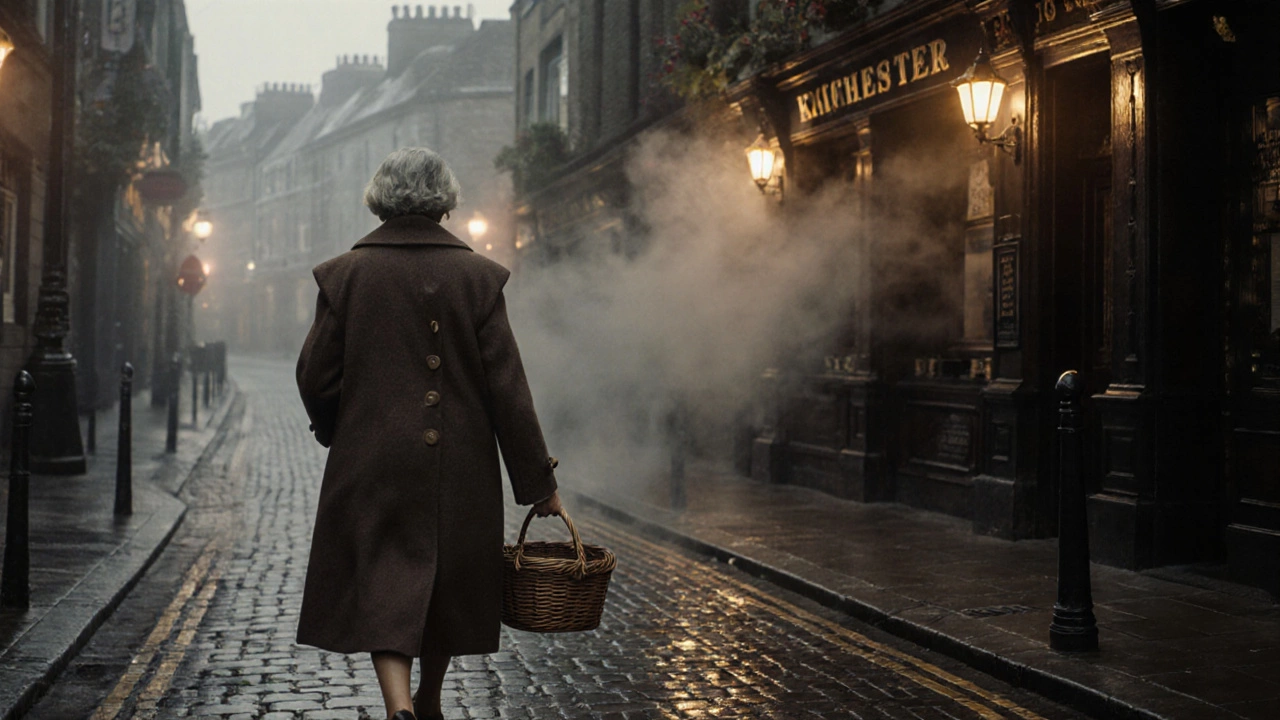
In Ireland, where the weather shifts from sunshine to sleet in under an hour, your jacket isn’t just fashion-it’s survival. The right one doesn’t just look good; it keeps you dry through Galway’s afternoon downpours, warm during Dublin’s wind-swept evenings, and stylish enough to wear from a pub in Cork to a funeral in Sligo. Over decades, certain styles have endured not because they’re trendy, but because they work. These are the jackets that never go out of style in Ireland.
The Classic Wool Coat
Ask any Irish grandmother, and she’ll tell you: a good wool coat is a family heirloom. Made from thick, tightly woven wool-often sourced from Irish mills like Claddagh Wool or Johnstons of Elgin-these coats are built to last. They’re heavy enough to block the Atlantic wind that rolls in off the coast of Donegal, yet breathable enough not to make you sweat during a brisk walk through Phoenix Park. The cut is simple: double-breasted, knee-length, with a notched collar and horn buttons. No zippers. No synthetic linings. Just wool, craftsmanship, and decades of use. You’ll see them on farmers in Kilkenny, teachers in Limerick, and retirees in Bray. They don’t change. They don’t need to.
The Waterproof Trench
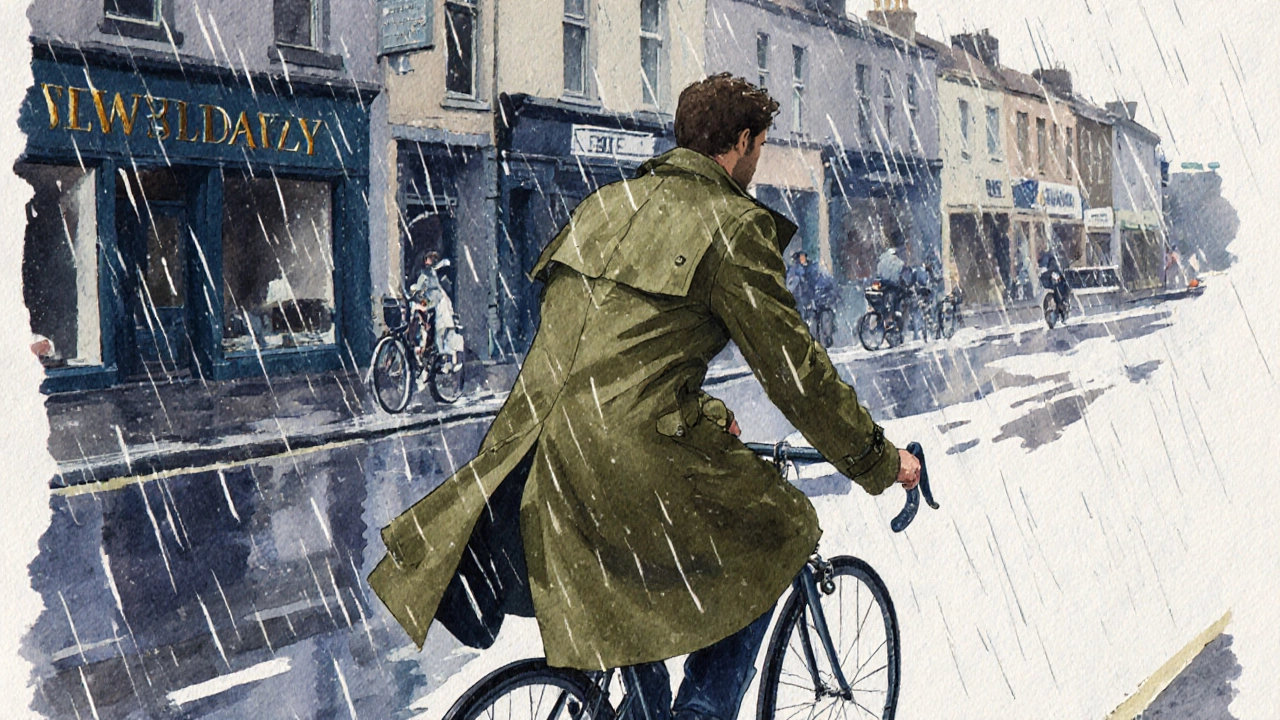
Before rain jackets had breathable membranes and high-tech coatings, the British military trench coat made its way to Ireland-and stayed. Brands like Barbour and Belstaff are common here, but local makers like Claremont in Galway and Irish Rainwear in Wexford have perfected versions that handle our unique climate. The key? A water-repellent cotton gabardine, a storm flap over the buttons, and a slightly longer hem that covers your knees when you’re cycling home from work in Cork. It’s not flashy. It doesn’t have reflective strips or a hood you can’t zip up. But when the rain comes sideways in Galway Harbour, this coat keeps you dry without looking like you’re dressed for a sci-fi movie.
The Leather Bomber
Don’t let the name fool you. This isn’t a motorcycle jacket from LA. In Ireland, the leather bomber is worn by students at Trinity College, musicians in Temple Bar, and even accountants on their way to a Friday pint. It’s usually made from soft, vegetable-tanned leather-often sourced from Irish tanneries like Irish Leather Co. in Tipperary-and lined with wool or fleece. The fit is snug, the sleeves are cropped, and the collar stands up just enough to block the wind off the River Liffey. You’ll find them in vintage shops on Grafton Street, but also in new collections from Dublin-based brands like Shanklin and Wexford Leather Co.. It’s the one jacket you can throw on over a jumper and still look sharp for a pub quiz, a wedding, or a spontaneous trip to the Cliffs of Moher.
The Field Jacket
Rooted in military surplus and rural practicality, the field jacket-often olive green or charcoal grey-is the quiet hero of Irish wardrobes. Think of it as a cross between a work coat and a hiking shell. It has multiple pockets for keys, a thermos, a packet of tissues, and a half-eaten scone. It’s made from durable cotton canvas or a blend with a light waterproof coating. Brands like Dublin Outdoors and McDonnell’s Workwear from Belfast still make them the old way: stitched by hand, with reinforced elbows and a drawstring hem. You’ll spot them on fishermen in Kinsale, hikers on the Wicklow Way, and even university lecturers heading to the campus canteen. It doesn’t scream for attention. But when you need to step out in the rain without getting soaked, it’s the one you reach for.
The Parka with a Hood
Yes, it’s cold here. And yes, it rains. And yes, you’ll need a hood that actually fits over your head without slipping off. The modern parka-especially those with a faux-fur trim around the hood-is a staple in Irish winters. You don’t need the oversized, puffy kind from Canada. You need something mid-weight, with a water-resistant outer shell and a removable fleece liner. Patagonia and The North Face are popular, but local favorites include Irish Wool & Co. and Clonakilty Outerwear, which use wool blends from County Cork. The best ones have adjustable cuffs, a long cut that covers your backside when you’re bending over to pick up a dropped glove, and a hood that stays put even when the wind howls across the Burren. It’s not just practical-it’s a cultural uniform. Walk through any town in Mayo on a January morning, and you’ll see half the population in one.
The Denim Jacket
It’s the one you wore in your teens. The one you still have. The one you throw on when you don’t feel like thinking. In Ireland, the denim jacket isn’t a fashion statement-it’s a comfort blanket. It’s not about the wash, the rips, or the embroidery. It’s about durability. A good Irish denim jacket is made from heavyweight cotton, often sourced from mills that also supply workwear for the fishing industry. You’ll find them in secondhand stores in Derry, at markets in Kilkenny, or hanging in the back of a local tailor’s shop in Waterford. They’re worn with jeans, with skirts, over jumpers, even with kilts at St. Patrick’s Day parades. They don’t need to be new. They just need to be there.
Why These Jackets Last
Irish weather doesn’t care about trends. It doesn’t follow Instagram influencers or seasonal collections. It just rains, blows, and freezes-and it does so reliably. The jackets that survive here are built for that. They’re made with natural materials: wool, leather, cotton. They’re stitched with care, often by hand. And they’re designed for function first, fashion second. You won’t find a single one of these jackets in a fast-fashion chain. They’re bought once, worn for years, passed down, repaired, and sometimes even inherited.
That’s why, in Ireland, a jacket isn’t just something you wear. It’s something you live in.
What to Avoid
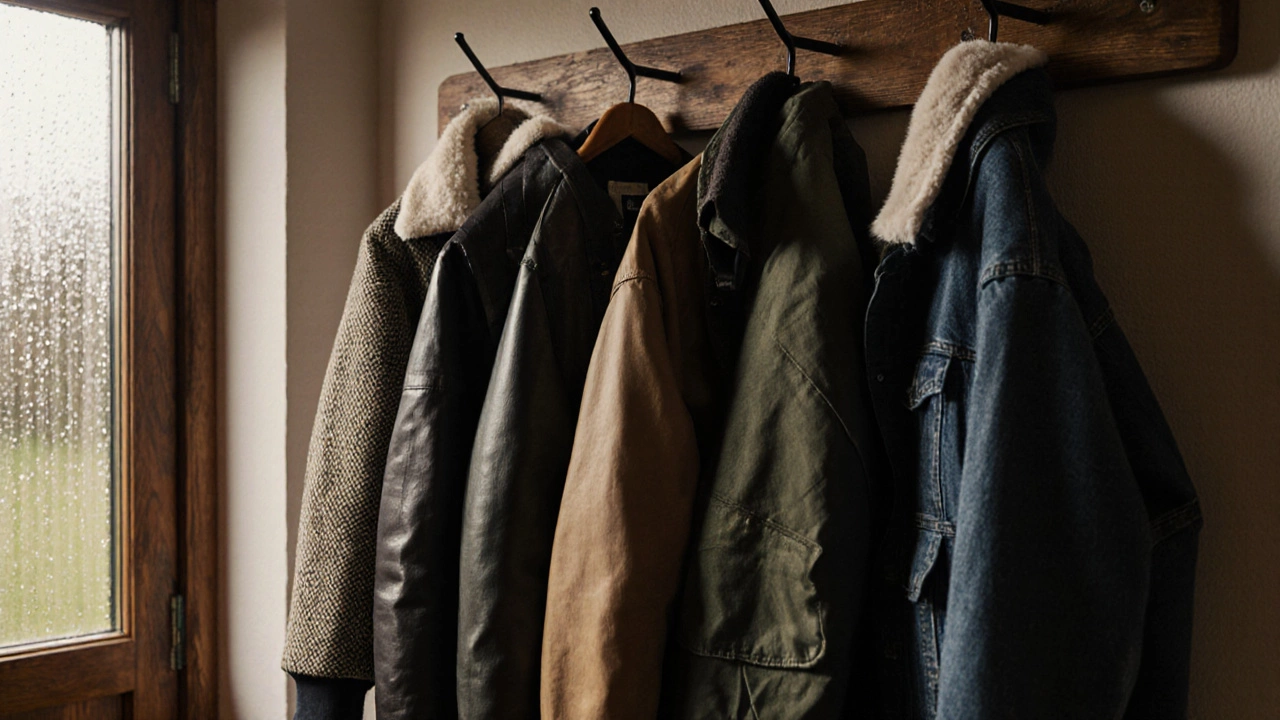
Don’t buy a lightweight windbreaker from a tourist shop in Killarney. They tear in the first storm. Don’t get a synthetic puffer with a flimsy zipper-those break when you’re carrying groceries home from the supermarket in Sligo. Avoid jackets with no hood if you ever plan to walk to the bus stop in Dublin during a November squall. And skip anything labeled “water-resistant” without a clear waterproof rating. In Ireland, that word means nothing unless it’s backed by a membrane like GORE-TEX or a durable water-repellent (DWR) finish that’s been tested in real rain-not a lab.
Where to Buy in Ireland
- Claddagh Wool (Galway) - For handwoven wool coats
- Irish Rainwear (Wexford) - Traditional trench coats
- Shanklin (Dublin) - Leather bombers made locally
- Dublin Outdoors (Dublin) - Field jackets and workwear
- Clonakilty Outerwear (Cork) - Parkas with real wool linings
- Secondhand shops on Grafton Street - For vintage denim jackets
How to Care for Them
- Wool coats: Brush off dirt with a clothes brush. Dry clean only if stained. Never machine wash.
- Leather bombers: Condition once a year with beeswax-based balm. Keep away from direct heat.
- Waterproof trench coats: Reapply DWR spray every 12-18 months. Hang to dry-never tumble dry.
- Denim jackets: Wash inside out, cold water, air dry. Don’t overwash-they get better with age.
- Field jackets: Patch holes with iron-on patches. Sew on loose buttons before they fall off.
What’s the best jacket for Irish winters?
The best jacket for Irish winters is a wool coat or a parka with a removable fleece liner and a hood that stays put. Wool holds heat even when damp, and a proper hood protects you from wind-driven rain. Brands like Clonakilty Outerwear or Irish Wool & Co. make versions tested in real Irish conditions-not just cold climates, but wet, windy ones.
Are leather jackets warm enough for Ireland?
Yes, if they’re lined. A plain leather bomber without insulation won’t cut it in January. But most Irish-made leather jackets have wool or fleece linings-sometimes even shearling. Look for ones with a removable inner layer so you can wear it in autumn, winter, and spring. The leather blocks wind, and the lining traps warmth.
Should I buy a waterproof jacket or just wear a raincoat?
You need both, but not at the same time. A waterproof jacket is your everyday armor-worn to work, to the shops, to school. A raincoat (like a traditional trench) is for heavier downpours or special occasions. The key difference? Waterproof jackets have sealed seams and breathable fabric. Raincoats are often just coated cotton. For daily use in Ireland, go with a waterproof jacket. Save the trench for when you want to look sharp.
Can I find good Irish-made jackets outside of Dublin?
Absolutely. Claddagh Wool is in Galway, Irish Rainwear is in Wexford, Clonakilty Outerwear is in Cork, and McDonnell’s Workwear is in Belfast. Many local makers sell online or at craft fairs like the Kilkenny Design Centre or the Belfast Christmas Market. Supporting Irish-made means you’re getting something built for our weather-not imported from somewhere that doesn’t get 200 days of rain a year.
Is a denim jacket worth having in Ireland?
Yes-if you already have a warmer layer underneath. A denim jacket is perfect for spring and autumn, or as a light outer layer over a jumper. It’s not for deep winter, but it’s the one jacket you’ll wear for years. It goes with everything, survives the wash, and gets better looking as it fades. Most Irish people have at least one.
Final Thought
In Ireland, your jacket tells people who you are before you say a word. A wool coat says you respect tradition. A leather bomber says you’ve been around. A field jacket says you know how to get things done. And a parka with a fur-trimmed hood? That says you’ve lived through a few winters. These aren’t just clothes. They’re companions. And if you choose one well, it’ll walk with you through every season-for decades.