Luxury Denim Value Calculator
Select a brand to see its base price, then adjust your expected lifespan to calculate the true value.
Naked & Famous
Japanese Selvedge Fabric
Walking down Grafton Street in Dublin or browsing the boutiques on Henry Street in Belfast, you might notice that a pair of blue trousers can cost more than your weekly grocery shop. It sounds crazy, right? But if you are looking at the most expensive brand of jeans, you aren't just paying for fabric. You are paying for heritage, craftsmanship, and sometimes, pure ego. For shoppers in Ireland, where we appreciate value but also have a deep respect for quality goods-from our local woolens to our craft beers-the world of ultra-luxury denim can be confusing. So, who actually makes the priciest pairs, and can you even buy them here?
The Heavyweights: Who Makes the Most Expensive Jeans?
When people talk about the absolute ceiling of denim pricing, one name usually pops up first: Naked & Famous is a Canadian luxury denim label known for using rare selvedge fabrics and hand-finishing techniques. Their 'Naked & Famous Original' pair often retails around €400-€500, but their limited-edition collaborations with Japanese mills can push prices well over €1,000 per pair. They use fabric from legendary Japanese factories like Kaihara Denim, which produces some of the tightest, highest-quality indigo in the world.
However, if we are talking about true record-breakers, we need to look at bespoke and artisanal brands. Gilmar Denim is an American brand founded by Levi's original cutters that offers fully custom-fitted jeans. A pair of Gilmar jeans starts around €600 but can climb to €1,500+ depending on the fabric choice and customization level. These aren't just bought off the rack; they are measured and made specifically for your body. For an Irish gentleman who values a perfect fit-whether for a wedding in Galway or a board meeting in Cork-this is the pinnacle of personalization.
Then there is Levi's Vintage Clothing (LVC), which is the heritage division of Levi Strauss & Co. that reproduces historical denim models with authentic period-correct materials. While standard LVC pairs are pricey (€200-€300), their limited reissues of 1870s-era jeans, made with raw hemp and cotton blends that require months of breaking in, can fetch thousands on the secondary market. In Ireland, where history is cherished, these pieces appeal to collectors who see denim as wearable art rather than just clothing.
Why Do Some Jeans Cost More Than a Car Part?
You might wonder why anyone would pay €1,000 for something you wear to sit on. The answer lies in three main factors: fabric origin, labor intensity, and exclusivity.
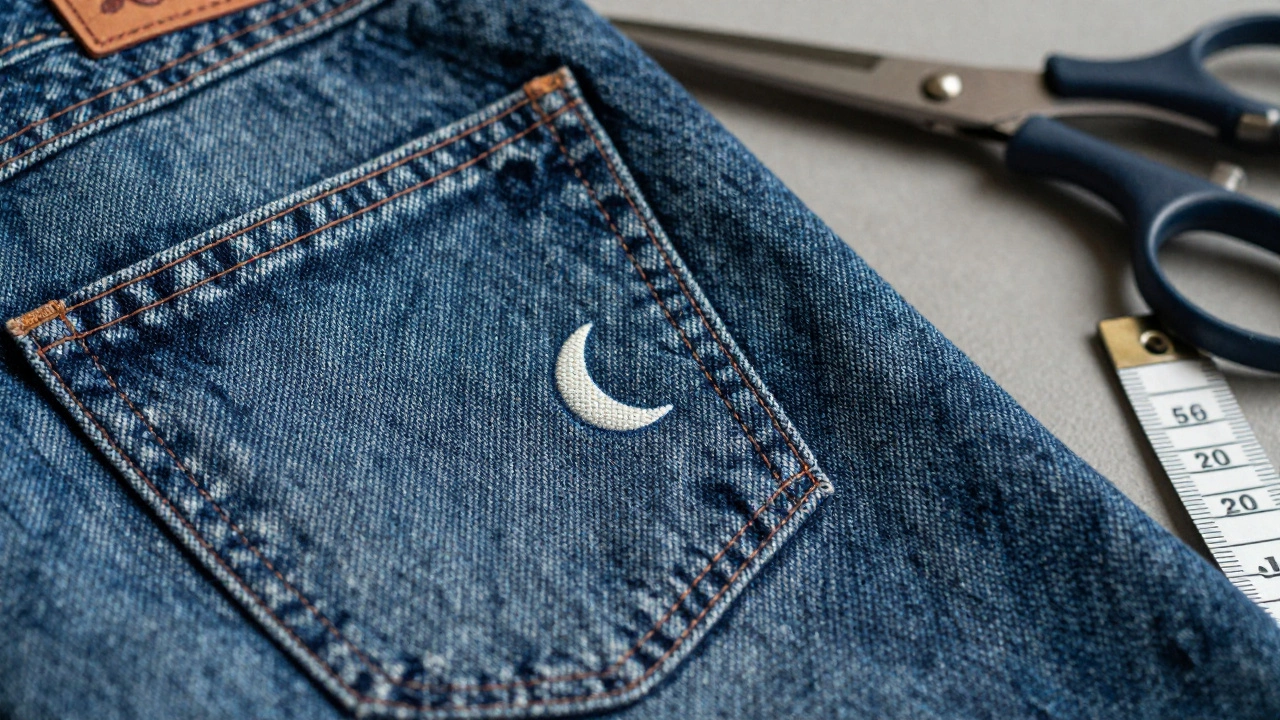
- Fabric Origin: The most expensive denim comes from Japan, particularly from Okayama Prefecture. Brands like Sanforized and Evisu use shuttle looms that weave fabric much slower than modern machines. This creates a tighter, stronger cloth with a distinctive slub texture. Evisu, for instance, is famous for its hand-painted crescent moon logo on the back pockets, a process that takes artisans hours to complete perfectly.
- Labor Intensity: Cheap jeans are mass-produced in seconds. Luxury jeans are often stitched by hand. Red Kap and other high-end US brands still use chain-stitch sewing machines that require skilled operators. In Ireland, we understand the value of skilled labor-from our traditional stone masons to our pub chefs-and this same principle applies to denim.
- Exclusivity: If only 100 pairs exist worldwide, the price skyrockets. Limited drops from brands like Rue Porter (a UK-based luxury brand popular among European connoisseurs) create scarcity. Rue Porter jeans often retail between €300 and €600, offering a middle ground between accessible luxury and extreme high-end.
Finding Luxury Denim in Ireland
If you live in Ireland, you don't necessarily need to fly to Tokyo or New York to find high-end denim. Dublin has a growing scene for premium menswear and womenswear. Stores like Dunnes Stores may not carry the €1,000 pairs, but they offer solid mid-range options. For true luxury, you need to look at specialist retailers.
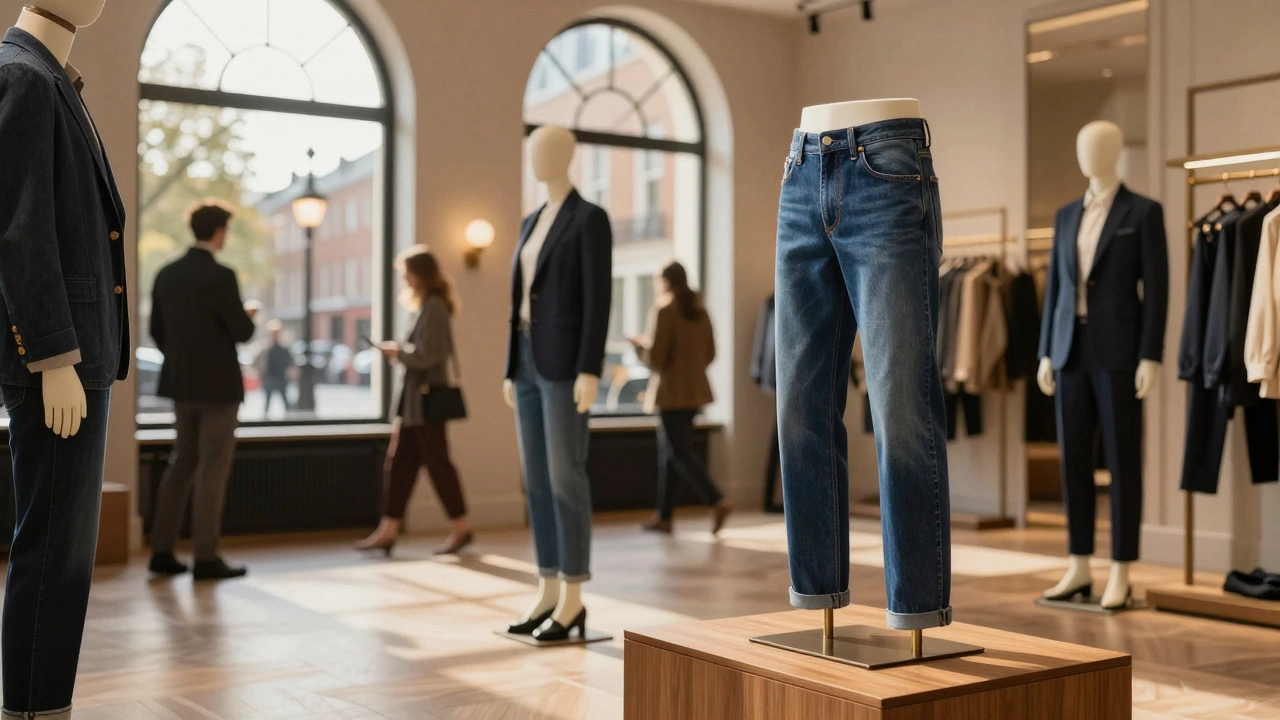
In Dublin, areas like Merrion Square and Stephen’s Green host boutiques that carry brands such as Tom Ford and Giorgio Armani. These designer labels produce jeans that blend denim aesthetics with suit-tailoring precision. A pair of Tom Ford jeans can easily hit €500-€700. They are designed to be worn with loafers and blazers, fitting seamlessly into the smart-casual culture that dominates Irish urban centers.
Belfast also has a vibrant fashion scene. Shops along Donegall Place often stock international luxury brands. Additionally, online shopping has made it easier for Irish consumers to access niche brands. Websites like Mr Porter or Farfetch ship directly to Ireland, though you must factor in VAT and potential customs duties if ordering from outside the EU. Since Brexit, buying from UK-based luxury retailers requires careful consideration of shipping costs and import taxes, which can add 23% VAT plus handling fees to your final bill.
The Cultural Context: Denim in Ireland
Ireland has a unique relationship with denim. Historically, our working-class roots meant durable clothing was essential. Farmers, builders, and fishermen valued sturdy fabrics. Today, that appreciation for durability translates into a preference for quality over fast fashion. Many Irish shoppers are turning away from cheap, disposable trends toward investment pieces.
Consider the rise of local tailors in cities like Cork and Galway. While they don’t make denim exclusively, many now offer alterations for high-end jeans. Getting a pair of Naked & Famous jeans hemmed and tapered by a local tailor ensures they fit perfectly for both a night out in Temple Bar and a weekend hike in the Wicklow Mountains. This blend of global luxury and local service is very Irish.
Furthermore, sustainability is a major concern for younger generations in Ireland. Fast fashion’s environmental impact is widely discussed. Buying one pair of expensive, long-lasting jeans instead of five cheap ones aligns with the growing eco-conscious mindset here. Brands that emphasize organic cotton and ethical production, such as Patagonia (which offers denim-like pants) or Everlane, resonate with Irish values of transparency and responsibility.
| Brand | Average Price Range (EUR) | Key Feature | Availability in Ireland |
|---|---|---|---|
| Naked & Famous | €400 - €1,000+ | Japanese Selvedge Fabric | Limited (Online/Specialists) |
| Gilmar Denim | €600 - €1,500+ | Fully Bespoke Fit | Online Only |
| Evisu | €300 - €800 | Hand-Painted Details | Select Boutiques |
| Tom Ford | €500 - €700 | Designer Tailoring | Major Department Stores |
| Rue Porter | €300 - €600 | British Craftsmanship | Online/European Retailers |
Is It Worth It? A Practical Perspective
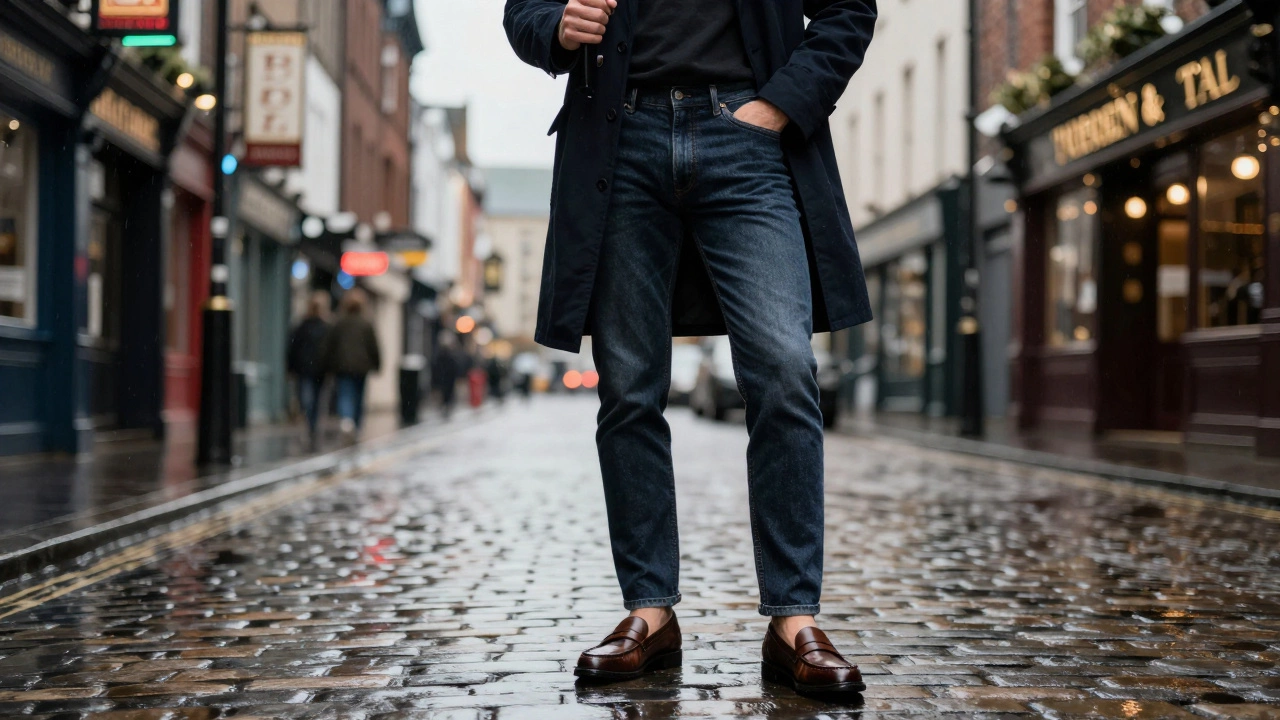
Let’s be honest. For most people living in Ireland, spending €1,000 on jeans is impractical. Our weather is damp, our streets can be muddy, and life is active. However, understanding the top end of the market helps you make better choices at every price point.
If you cannot afford Naked & Famous, look for similar qualities in mid-range brands. Seek out selvedge denim, check the stitching density, and feel the weight of the fabric. Brands like Levi’s (standard line) or Uniqlo offer decent quality for €50-€100. They won’t last decades, but they are far superior to ultra-fast fashion alternatives.
Also, consider the resale value. High-end denim holds its value better than cheap jeans. If you buy a pair of vintage Levi’s 501s or a well-maintained pair of Evisu, you might recover half your cost when selling them on platforms like Vinted, which is hugely popular in Ireland. This circular economy approach makes sense financially and environmentally.
How to Care for Your Investment Jeans
If you do invest in high-end denim, care matters. Here is how to keep them looking new:
- Wash Rarely: Raw denim enthusiasts suggest washing only after 6 months of wear. Frequent washing fades the color and breaks down fibers.
- Cold Water Only: When you do wash, use cold water and turn the jeans inside out. Avoid harsh detergents.
- Air Dry: Never put expensive jeans in the dryer. Heat shrinks and damages the fabric. Hang them in a well-ventilated area, perhaps on a line in your garden in County Kerry or a balcony in Dublin.
- Freeze Them: To freshen them up between washes, place them in a plastic bag and freeze overnight. This kills bacteria without damaging the fabric.
Where can I buy the most expensive jeans in Dublin?
While specific stock varies, high-end boutiques in Merrion Square and Stephen’s Green often carry designer denim from brands like Tom Ford and Armani. For niche Japanese denim, you may need to order online from specialists like Mr Porter or Farfetch, which deliver to Ireland.
Are expensive jeans worth the money?
It depends on your lifestyle. If you value craftsmanship, fit, and longevity, yes. High-end jeans last longer and maintain their shape better. However, for everyday rough use, mid-range options offer better value for money.
What is the difference between selvedge and regular denim?
Selvedge denim is woven on old-style shuttle looms, creating a self-finished edge that prevents fraying. It is typically denser, higher quality, and more expensive than regular denim, which is mass-produced on modern projectile looms.
Do I have to pay extra tax on jeans ordered from the UK?
Yes, since Brexit, orders from the UK are subject to Irish VAT (23%) and potentially customs duties if the value exceeds certain thresholds. Always check the retailer’s policy on pre-paid VAT to avoid surprise fees.
Can I get custom-fitted jeans in Ireland?
While few shops offer full bespoke denim like Gilmar, many local tailors in Dublin, Cork, and Galway can alter high-end jeans to fit perfectly. This is a cost-effective way to achieve a custom look without paying bespoke prices.