Irish Sportswear Wardrobe Builder
Build your perfect Irish sportswear outfit by selecting your activity level and budget. We'll recommend the ideal layers based on technical functionality and local climate needs.
Your Recommended Kit
Select your options and click "Build My Outfit" to see recommendations.
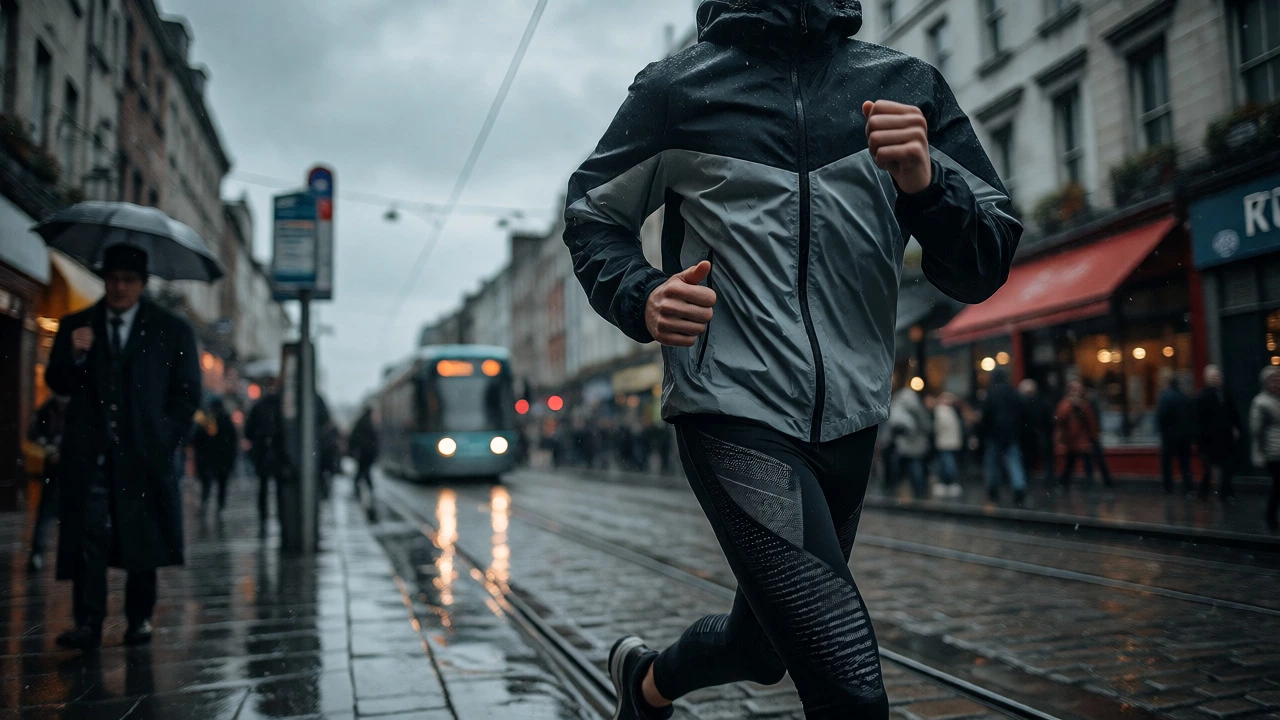
Walk down Grafton Street in Dublin on a rainy Tuesday, and you’ll notice something peculiar. The person rushing for the Luas tram isn’t wearing a trench coat; they’re in high-performance leggings and a windbreaker that costs more than their rent deposit. This isn’t just laziness or a lack of dry cleaning options. It’s a cultural shift. In Ireland, sportswear has evolved from simple gym gear into a lifestyle statement, a weather defense system, and a social signal all rolled into one.
But what does it actually mean to wear sportswear today? Is it just about comfort? Or is there a deeper functional and psychological layer we’re missing? If you’ve ever wondered why your neighbor wears hiking boots to pick up milk, or why a €120 hoodie feels like a necessity rather than a luxury, this guide breaks it down. We’ll look at the history, the tech, and the specific reasons why the Irish market has embraced activewear with such fervor.
The Evolution: From Rugby Shorts to Everyday Uniforms
To understand the meaning of sportswear, you have to look at where it started. Historically, sportswear was strictly utilitarian. Think of the heavy cotton jerseys worn by GAA players in the 1970s or the woolen tracksuits common in school PE lessons across Cork and Galway. These garments served one purpose: to survive physical exertion without chafing or freezing.
Fast forward to the late 1990s and early 2000s. Brands like Nike and Adidas began marketing performance fabrics to non-athletes. But in Ireland, the real turning point came with the rise of "athleisure." This term-often criticized but widely practiced-describes the blending of athletic apparel with casual wear. Why did this stick here? Partly because of our unpredictable weather. You can experience four seasons in an hour in Connemara. Sportswear, with its moisture-wicking properties and lightweight insulation, became the practical answer to dressing for chaos.
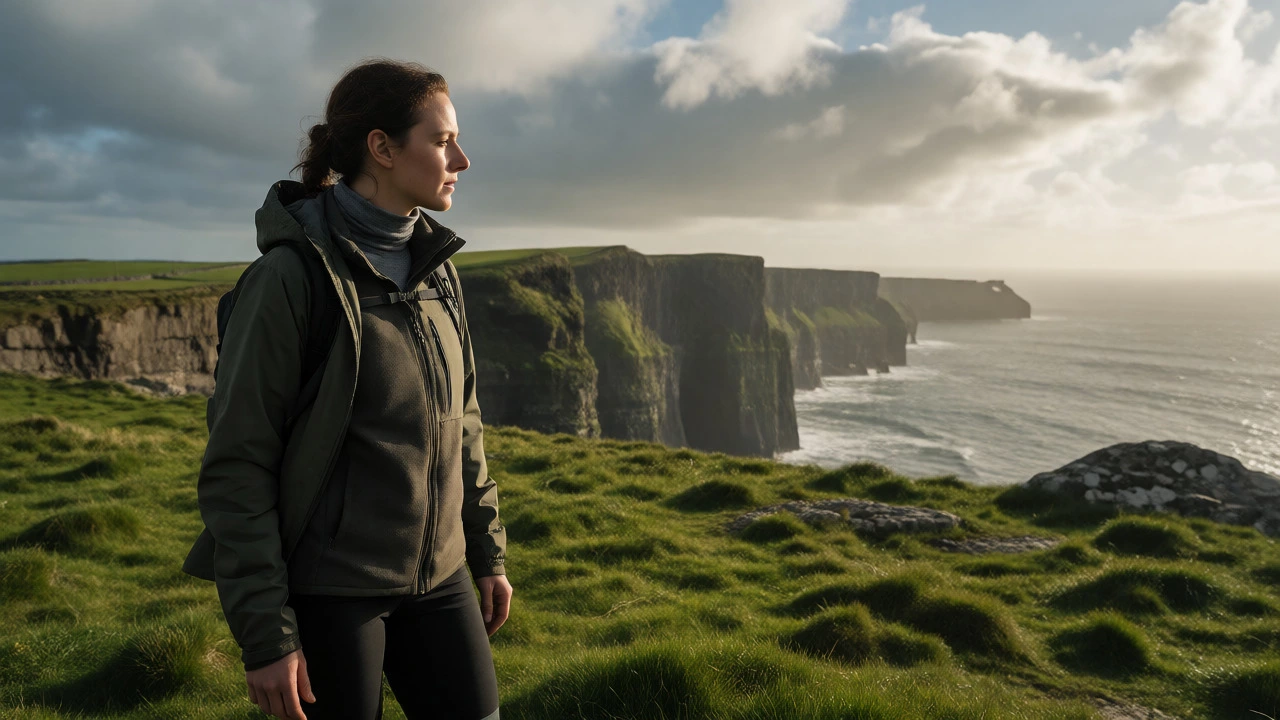
Today, wearing sportswear in Ireland signals readiness. It says you are prepared for a sudden sprint to catch a bus, a spontaneous walk along the Cliffs of Moher, or a long day on your feet in a retail job. It’s no longer just about looking like an athlete; it’s about feeling capable.
Technical Functionality: Why Fabric Matters More Than Logos
Many people assume sportswear is expensive because of brand prestige. While logos do play a role, the primary cost driver is technology. When you buy a pair of running tights in Dublin, you aren’t just paying for the name on the waistband. You’re paying for engineering.
Let’s break down the key attributes that define modern sportswear:
- Moisture-Wicking: Fabrics like polyester blends pull sweat away from your skin to the outer surface where it evaporates. This keeps you warm when you stop moving, crucial for those chilly mornings waiting for a train in Limerick.
- Thermal Regulation: Modern knits create air pockets that trap body heat without adding bulk. This allows for layering without looking like a marshmallow.
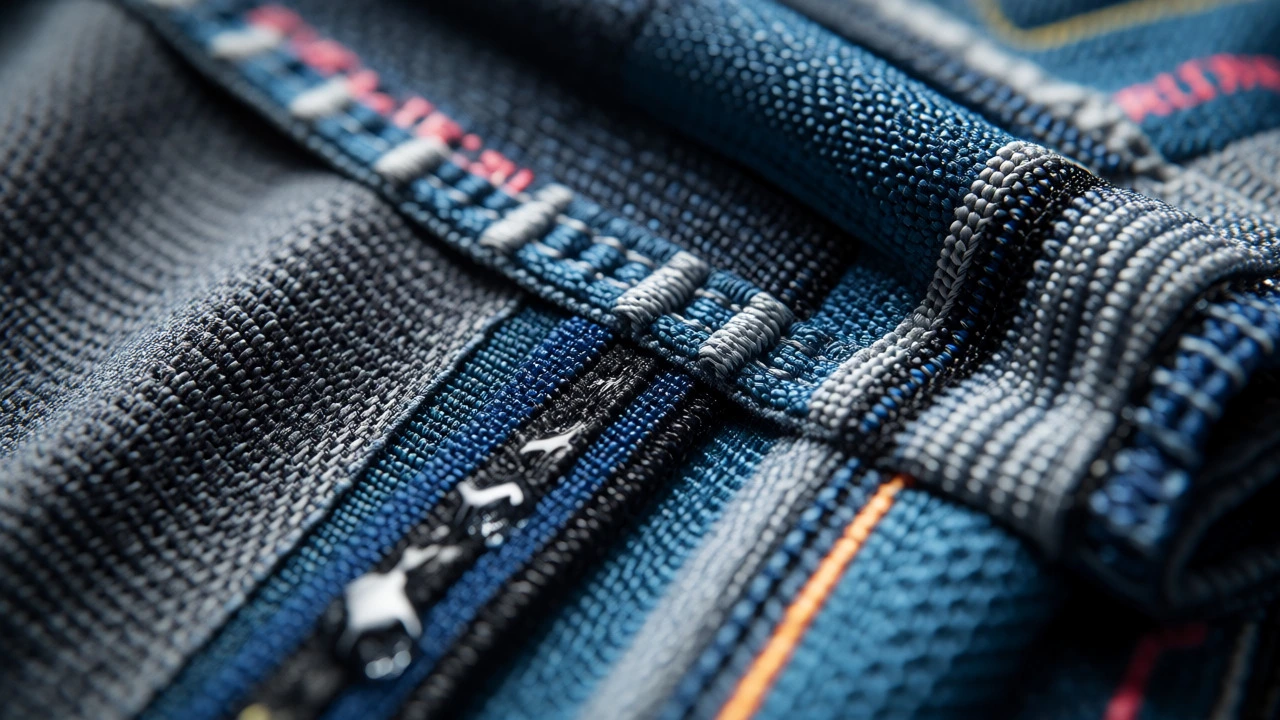
- Durability: Reinforced stitching and abrasion-resistant panels ensure clothes survive repeated washes and rough use, whether you’re training for a marathon or doing DIY home improvements.
Compare this to traditional fashion items. A standard cotton t-shirt absorbs sweat, becomes heavy, and stays wet. In a damp Irish climate, that leads to discomfort and even hypothermia risks if you’re stationary for too long. Sportswear solves this problem through material science, not magic.
| Feature | Traditional Cotton/Wool | Modern Technical Sportswear |
|---|---|---|
| Water Absorption | High (retains moisture) | Low (wicks moisture away) |
| Drying Time | Slow (hours) | Fast (minutes) |
| Weight When Wet | Heavy | Lightweight |
| Breathability | Moderate | High (engineered ventilation) |
| Best For | Cool, dry climates; formal settings | Active lifestyles; variable weather |
The Psychological Aspect: Comfort as Confidence
There’s a reason why so many professionals in Dublin’s tech hub wear joggers to client meetings. It’s not always about breaking dress codes; it’s about cognitive load. Decision fatigue is real. Choosing between three different outfits takes mental energy. Sportswear offers a uniform of sorts. Once you find a fit and feel that works, you repeat it. This reduces stress and increases focus on work or leisure.
Moreover, there’s a concept called "enclothed cognition." Studies suggest that what we wear affects how we think and behave. Wearing athletic gear can subconsciously prime us for action, productivity, and resilience. If you’re dressed for movement, you’re more likely to move. For expats in Ireland trying to integrate into a culture that values outdoor activity-from hiking in Wicklow to playing hurling-adopting sportswear can be a subtle way to align with local norms.
Irish Context: Weather, Culture, and Local Brands
You cannot discuss sportswear in Ireland without talking about the weather. Our reputation for rain is well-earned, but it’s also our defining feature. This has created a unique market demand. Irish consumers don’t just want stylish clothes; they want armor against the elements.
This need has fueled the growth of local and regional brands alongside global giants. While you’ll see plenty of North Face jackets in Temple Bar, there’s a growing appreciation for smaller, sustainable labels. Brands focusing on waterproofing and thermal efficiency are gaining traction. Consider the popularity of Merino wool base layers. Traditionally used by farmers in Kerry, Merino is now a staple in urban wardrobes because it regulates temperature perfectly in Ireland’s mild but damp winters.
Additionally, the rise of community sports clubs plays a huge role. Whether it’s soccer in Belfast or Gaelic football in Mayo, club kits are a form of identity. Wearing your county’s colors is a statement of belonging. This tribal aspect adds emotional value to sportswear. It’s not just fabric; it’s heritage.
Sustainability and Ethics: The New Meaning of Value
For younger generations in cities like Cork and Galway, the meaning of sportswear is increasingly tied to ethics. Fast fashion is out; durability and sustainability are in. Consumers are asking harder questions: Where was this made? What materials were used? Can I recycle it?
Brands that offer repair services or use recycled plastics (like bottles turned into polyester) are winning hearts. In Ireland, where environmental awareness is high due to coastal conservation efforts, buying a jacket that lasts ten years is seen as more valuable than buying five cheap ones. This shifts the definition of "good" sportswear from "trendy" to "responsible."
How to Build Your Irish Sportswear Wardrobe
If you’re looking to update your closet, don’t just buy random pieces. Build a system. Here’s a practical approach tailored for life in Ireland:
- Base Layer: Invest in high-quality Merino or synthetic base layers. They manage moisture closest to your skin. Look for flatlock seams to prevent chafing.
- Mid Layer: A fleece or lightweight insulated jacket. This traps heat. Choose breathable materials so you don’t overheat indoors.
- Outer Shell: A waterproof, windproof shell. This is your shield. Ensure it has sealed seams and adjustable hoods. Test it in a shower before trusting it in a storm.
- Bottoms: Versatile trousers or leggings that stretch and dry quickly. Avoid denim for active days; it holds water and restricts movement.
- Footwear: Waterproof trainers or trail shoes. With cobblestones in old towns and mud in rural areas, grip and protection are key.
This layered approach ensures you can adapt to any situation, from a boardroom presentation to a weekend hike in the Burren.
Frequently Asked Questions
Is sportswear appropriate for work in Ireland?
It depends on the industry. In tech, creative, and startup sectors in Dublin and Cork, smart sportswear (like clean sneakers and premium hoodies) is widely accepted. In finance or law, it may still be frowned upon unless it’s a designated casual Friday. Always check company policy.
Why is Merino wool popular in Irish sportswear?
Merino wool is ideal for Ireland’s climate because it regulates temperature effectively. It keeps you warm when it’s cold and cool when you’re active. Unlike cotton, it doesn’t retain odors easily, making it perfect for multi-day trips or frequent wear without washing.
Can I wear running shoes as everyday footwear in the city?
Yes, absolutely. Many modern running shoes are designed with style and comfort in mind. However, for maximum longevity, rotate them with other shoes. Also, ensure they have adequate arch support if you’re walking on hard surfaces like pavement for extended periods.
What is the difference between athleisure and sportswear?
Sportswear is designed primarily for physical activity, focusing on performance features like breathability and flexibility. Athleisure is a subset that prioritizes aesthetics and casual wearability while retaining some comfort features. Athleisure is meant for lounging or light activity, whereas true sportswear is built for intense exercise.
Are expensive sportswear brands worth it in Ireland?
Often, yes. Higher-priced items usually feature better waterproofing, durability, and fit. Given the frequency of rain and wind in Ireland, investing in a quality shell jacket can save money in the long run by replacing cheaper alternatives that fail quickly. Look for sales during end-of-season clearances at retailers like Brown Thomas or Arnotts.