T-Shirt Quality & Value Calculator
Input Specifications
Analysis Results
Enter details above to see quality breakdown.
Walking down Grafton Street on a humid July afternoon or commuting through Dublin’s unpredictable spring drizzle, you’ve likely asked yourself: why do some t-shirts look crisp after fifty washes while others shrink to doll size in the machine? The answer isn’t just about price tags. It’s about understanding fabric weight, weave types, and construction methods that separate a fleeting fast-fashion item from a garment that lasts years. In Ireland, where our weather swings from biting Atlantic winds to sudden bursts of sunshine, finding the right tee means balancing durability, comfort, and style.
When shoppers search for the highest quality t-shirts here, they aren't just looking for a logo; they are looking for longevity. Whether you’re dressing for a casual Friday in a Galway tech office or heading to a festival at Electric Picnic, the foundation of your wardrobe needs to hold up. This guide breaks down exactly what makes a t-shirt "high quality," so you can stop guessing and start investing in pieces that actually work for your lifestyle.
Understanding Fabric Weight: The GSM Factor
The single most important metric for judging t-shirt quality is its weight, measured in grams per square meter (GSM). Most people ignore this number, but it dictates everything from how the shirt feels to how long it survives in your washing machine. Think of GSM as the density of the fabric. A low GSM means thin, flimsy material; a high GSM means thick, substantial cloth.
| GSM Range | Quality Level | Best Use Case | Durability |
|---|---|---|---|
| 100-130 GSM | Lightweight / Budget | Base layers, cheap prints | Low (shrinks easily) |
| 140-160 GSM | Standard Retail | Everyday wear, supermarkets | Moderate |
| 170-200 GSM | Premium / High Quality | Workwear, stylish basics | High (holds shape) |
| 220+ GSM | Heavyweight / Luxury | Structured fits, winter layers | Very High |
If you want the highest quality, aim for at least 180 GSM. These shirts feel substantial in your hand. They don’t cling awkwardly to your body when the wind picks up near the Cliffs of Moher, nor do they become transparent if you sit under bright lights. Brands like Uniqlo often label their U series around 190-200 GSM, offering a sweet spot between comfort and structure. For those who prefer a softer, more drapey feel, 160 GSM ring-spun cotton is a reliable middle ground, provided the weave is tight.
The Cotton Difference: Ring-Spun vs. Open-End
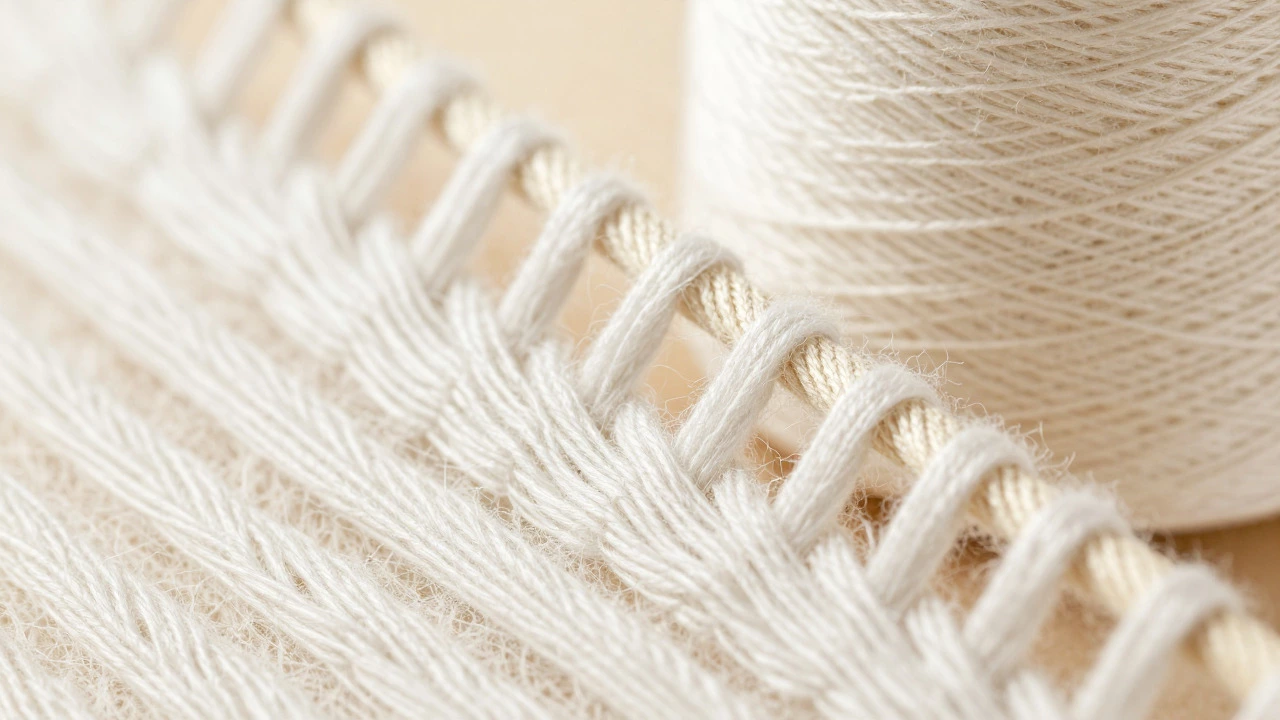
Not all cotton is created equal. If you buy a generic white tee from a discount rack in Dundrum Town Centre, it’s likely made from open-end yarn. This method spins fibers quickly and cheaply, resulting in a rougher texture and a higher chance of pilling-that annoying fuzziness that appears after a few weeks.
High-quality t-shirts use Ring-Spun Cotton, which involves drawing out and twisting the fibers before spinning them into yarn. This process aligns the fibers, creating a smoother, stronger thread. The result is a fabric that feels softer against the skin and resists wear and tear significantly better. Look for labels that say "ring-spun" or "combed cotton." Combed cotton takes it a step further by removing short strands, leaving only the longest, strongest fibers. This is crucial for longevity, especially if you wash your clothes frequently-a common habit among busy professionals in Cork or Limerick.
Weave Types: Jersey, Pique, and Interlock
Beyond the fiber itself, how the threads are woven matters immensely. The standard knit for t-shirts is jersey. However, premium brands often use specific variations to enhance durability and appearance.
- Single Jersey: The most common type. It has a smooth face and a textured back. Good for lightweight tees, but can curl at the hems if not finished properly.
- Interlock Knit: This creates a double-layered fabric that is thicker and more stable than single jersey. It doesn’t curl at the edges, giving the shirt a cleaner, more polished look. Ideal for minimalist styles popular in urban centers like Dublin 2.
- Pique: You know this one-it’s the waffle-like texture used in polo shirts. While not typical for standard t-shirts, some high-end casual brands use pique for added breathability and structure.
For the highest quality everyday tee, a tight single-jersey weave made from ring-spun cotton offers the best balance of softness and strength. If you prefer a stiffer, more structured silhouette that stands away from the body, look for interlock knits or heavier jersey weights.
Construction Details That Signal Quality
Fabric is only half the battle. How the shirt is put together determines whether it will survive the laundry cycle intact. Cheap t-shirts often fail at the seams first. Here’s what to inspect before buying:
- Seam Stitching: Look for flatlock stitching or covered seams. These lie flat against the skin, reducing chafing and preventing the threads from unraveling. Avoid simple overlock stitches that poke out, as they tend to snag and fray.
- Collar Reinforcement: The neckline is the weak point of any t-shirt. High-quality tees feature reinforced collars with extra stitching or ribbed binding that matches the shirt’s color perfectly. Check if the collar lies flat without rolling. If it curls upward after one wash, it’s a sign of poor elastic integration or weak stitching.
- Hem Finishing: Examine the bottom hem and sleeve cuffs. They should be straight and even. Uneven hems indicate rushed manufacturing. Double-stitched hems add durability, ensuring the edge doesn’t peel back over time.
- Side Seams: Premium shirts often have taped side seams inside. This prevents the fabric from stretching out of shape vertically, keeping the fit consistent wash after wash.
These details might seem minor, but they accumulate. A well-constructed shirt maintains its shape and aesthetic appeal far longer, saving you money in the long run despite a higher initial cost.
Sustainability and Local Context in Ireland
In recent years, Irish consumers have become increasingly conscious of environmental impact. With climate change affecting our local agriculture and coastal communities, choosing sustainable fabrics is no longer optional-it’s expected. The highest quality t-shirts today also consider their ecological footprint.
Look for certifications like GOTS (Global Organic Textile Standard) or OEKO-TEX. These ensure that the cotton was grown without harmful pesticides and processed without toxic chemicals. This is particularly relevant given Ireland’s strong tradition of green farming and respect for natural landscapes. Supporting brands that prioritize organic cotton helps reduce water usage and soil degradation.
Additionally, consider local production. While many global brands dominate the market, there is a growing movement of Irish designers and small-batch manufacturers producing high-quality garments locally. Buying local reduces carbon emissions from shipping and supports the domestic economy. Shops in areas like Temple Bar or independent boutiques in Kilkenny often carry these curated selections. Even if you shop online, checking if a brand manufactures in Europe rather than distant overseas factories can be a significant quality indicator due to stricter labor and environmental regulations.
Where to Find High-Quality T-Shirts in Ireland
Finding these premium options requires knowing where to look. Mass-market retailers often mix quality levels, making it hard to distinguish good from bad without reading every label. Here are some strategies for navigating the Irish retail landscape:
- Specialist Basics Brands: Stores dedicated exclusively to essentials, such as Uniqlo (available in major malls like Cherry Orchard or Dundrum), offer consistent quality control. Their focus on fabric innovation means you get reliable GSM weights and durable constructions.
- Department Stores: Brown Thomas in Dublin or smaller branches across the country curate higher-end brands. Look for sections featuring luxury basics like COS, Arket, or Massimo Dutti. These brands invest heavily in fabric research and ethical sourcing.
- Online Direct-to-Consumer: Many international brands ship directly to Ireland. Websites often provide detailed specifications, including GSM and cotton type, allowing you to compare products accurately before purchasing. Ensure you check return policies, as sizing can vary between European and American cuts.
- Local Independent Retailers: Explore shops in towns like Waterford or Derry-Londonderry. They often stock niche brands that emphasize craftsmanship and sustainability, offering unique finds you won’t see in chain stores.
Avoid impulse buys at checkout counters or clearance racks unless you’ve verified the fabric content and weight. A discounted shirt that falls apart in three months costs more per wear than a full-price garment that lasts five years.
Caring for Your Investment
Even the highest quality t-shirt will degrade if treated poorly. To maximize lifespan, follow these care tips tailored to Irish household conditions:
- Wash Cold: Hot water damages cotton fibers and causes shrinkage. Wash at 30°C or lower. This also saves energy, aligning with eco-friendly practices.
- Air Dry When Possible: Tumble drying is harsh on fabrics. Hang your shirts to dry indoors or outside on a line. Ireland’s frequent rain means indoor drying is often necessary, but using a dehumidifier can help prevent musty smells.
- Turn Inside Out: This protects the outer surface from friction and fading during washing.
- Minimize Washing Frequency: Unless visibly dirty or sweaty, t-shirts don’t need washing after every wear. Air them out between uses to extend freshness.
By combining smart purchasing decisions with proper care, you ensure that your wardrobe remains sharp and comfortable throughout Ireland’s varied seasons.
What GSM should I look for in a high-quality t-shirt?
Aim for 180-200 GSM for the best balance of durability, opacity, and comfort. Below 150 GSM, shirts tend to be too thin and prone to shrinking. Above 220 GSM, they may feel too heavy for everyday wear, especially in warmer months.
Is organic cotton always better than regular cotton?
Organic cotton is environmentally superior, but quality depends on processing. Look for ring-spun organic cotton for the softest, most durable result. Regular cotton can be high quality if it is combed and tightly woven, but organic options generally avoid harmful chemicals.
Why do my t-shirts shrink after washing?
Shrinkage occurs primarily due to heat agitation and lack of pre-shrinking treatment. Cotton fibers contract when exposed to hot water and dryer heat. To prevent this, wash in cold water and air dry. Some premium brands pre-shrink their fabrics, but checking the care label is essential.
Are expensive t-shirts worth the investment?
Yes, if you calculate cost per wear. A €50 t-shirt that lasts five years is cheaper annually than a €10 shirt replaced every six months. Higher-priced items typically use better materials, ethical labor practices, and superior construction techniques.
How can I tell if a t-shirt is well-made before buying?
Check the seam stitching for neatness and reinforcement. Feel the fabric weight-it should feel substantial, not flimsy. Inspect the collar for tight, even stitching. Read the label for fabric composition (look for ring-spun cotton) and GSM if available.