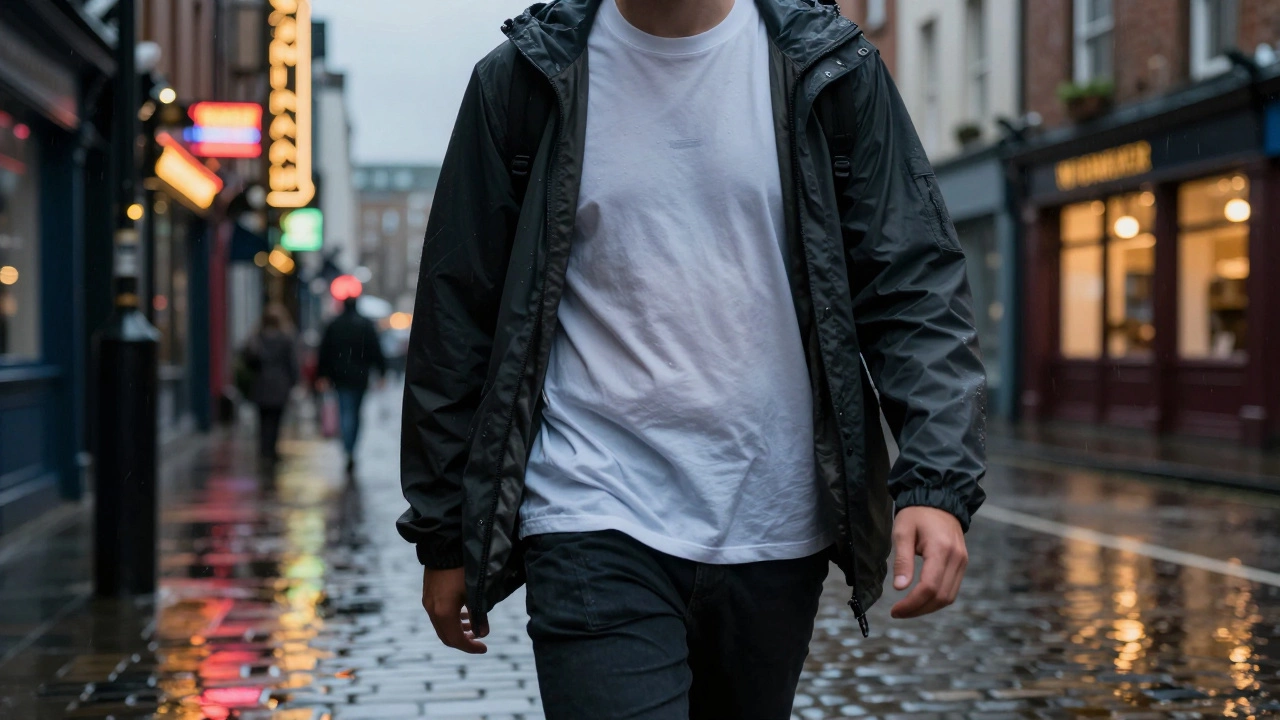
In Ireland, where rain is a daily companion and the wind doesn’t care if you’re wearing a hoodie or a tank top, the best quality T-shirt isn’t about logos or trends-it’s about surviving the climate without shrinking, fading, or turning see-through after one wash. You don’t need a T-shirt that looks good on a beach in Ibiza. You need one that holds up through a Dublin drizzle, a Galway pub night, and five consecutive washes in a front-loader at your Cork apartment.
What Makes a T-Shirt Work in Ireland?
The secret isn’t in the cut or the colour. It’s in the fabric. Most cheap T-shirts in Ireland-bought from fast fashion chains like Primark or H&M-are made from thin, low-count cotton (often under 180gsm) blended with polyester. These shirts look fine on the hanger, but after one rainy walk from the Luas to work in Dublin, they cling like wet paper. They stretch out at the shoulders, fade fast in the sun, and develop holes near the collar after just a few washes.
What works here? A 100% cotton T-shirt with a weight of 180-220gsm. That’s the sweet spot. It’s thick enough to hold its shape through damp mornings in Wicklow, light enough to layer under a waterproof jacket when the wind picks up on the Cliffs of Moher, and breathable enough to wear under a wool sweater on a chilly evening in Galway. Brands like Irish Linen Company a Dublin-based brand that sources organic cotton from European farms and uses ring-spun yarn for durability and Slieve Foye a County Donegal label known for its heavyweight, pre-washed cotton tees have built their reputations on this simple principle: quality over quantity.
Why Cotton Beats Blends for Irish Conditions
You’ll hear people say polyester is "moisture-wicking"-and sure, it pulls sweat away. But in Ireland, you’re not sweating on a treadmill. You’re getting soaked by sudden rain, then stepping into a warm pub. Polyester doesn’t absorb moisture-it traps it. That’s why your cheap T-shirt smells like a damp towel after two wears.
Cotton, on the other hand, absorbs. It soaks up the rain, the sweat, the spilled Guinness. Then it dries. And when you wash it? It doesn’t hold onto odours like synthetic fibres do. A 100% cotton tee from Co. Clare Organic a small-batch producer using GOTS-certified cotton and natural dyes can go weeks without washing and still smell neutral. That’s not magic-it’s science.
And don’t fall for "eco-friendly" blends that mix 5% recycled polyester with 95% cotton. That 5% still ruins the fabric’s breathability and makes recycling harder. In Ireland, where sustainability isn’t just a buzzword-it’s a way of life, especially in places like Kinsale or Limerick’s eco-co-ops-you want pure, unadulterated cotton.
Weight, Weave, and Wash: The Irish T-Shirt Triad
Not all cotton is equal. Here’s what to look for:
- Weight (gsm): Under 160gsm? Skip it. 180-220gsm is ideal. Heavier than 240gsm? You’re wearing a sweatshirt disguised as a tee.
- Weave: Look for "ring-spun" cotton. It’s softer, stronger, and holds colour better than open-end cotton. Brands like Wild Geese Apparel a Belfast-based brand that prints designs inspired by Irish mythology use ring-spun cotton for their limited-run tees.
- Pre-washed: If a T-shirt hasn’t been pre-shrunk, it’ll shrink 5-8% after your first wash. That’s fine if you’re buying a size up. But in Ireland, where tailoring is expensive and dry cleaners are scarce outside cities, you don’t want to guess. Always buy pre-washed.
Check the label. If it just says "100% cotton," dig deeper. Ask the retailer. Look for mentions of "combed cotton" or "single jersey knit." These are signs of care-not just marketing.
Where to Buy Quality T-Shirts in Ireland
You don’t have to order online from the US. Ireland has a quiet but growing scene of ethical, local makers:
- Clonakilty, County Cork: Clonakilty T-Shirt Co. hand-printed designs using local artists, made in a small factory just outside town. Their tees come in earthy tones-olive, charcoal, deep navy-that don’t show rain stains.
- Galway City: West Coast Wear uses organic cotton from County Mayo farms and dyes with plant-based pigments. Their "Atlantic Grey" tee is a cult favourite among surfers and teachers alike.
- Dublin: St. Stephen’s Green Threads a sustainable boutique that stocks only Irish-made, GOTS-certified cotton tees. They even offer mending workshops-because in Ireland, we fix things before we throw them out.
Even big retailers are catching on. Penneys the Irish name for Primark, now offers a "Premium Cotton" line with 190gsm fabric and pre-washed construction. It’s not artisanal, but for €12, it’s the best value in the Irish market.
How to Care for Your T-Shirt in Ireland
Even the best T-shirt won’t last if you treat it like a disposable item.
- Wash inside out, cold water (30°C max). Hot water kills cotton fibres and fades prints.
- Use a gentle detergent. Avoid bleach. Irish winters are damp enough-no need to add chemical damage.
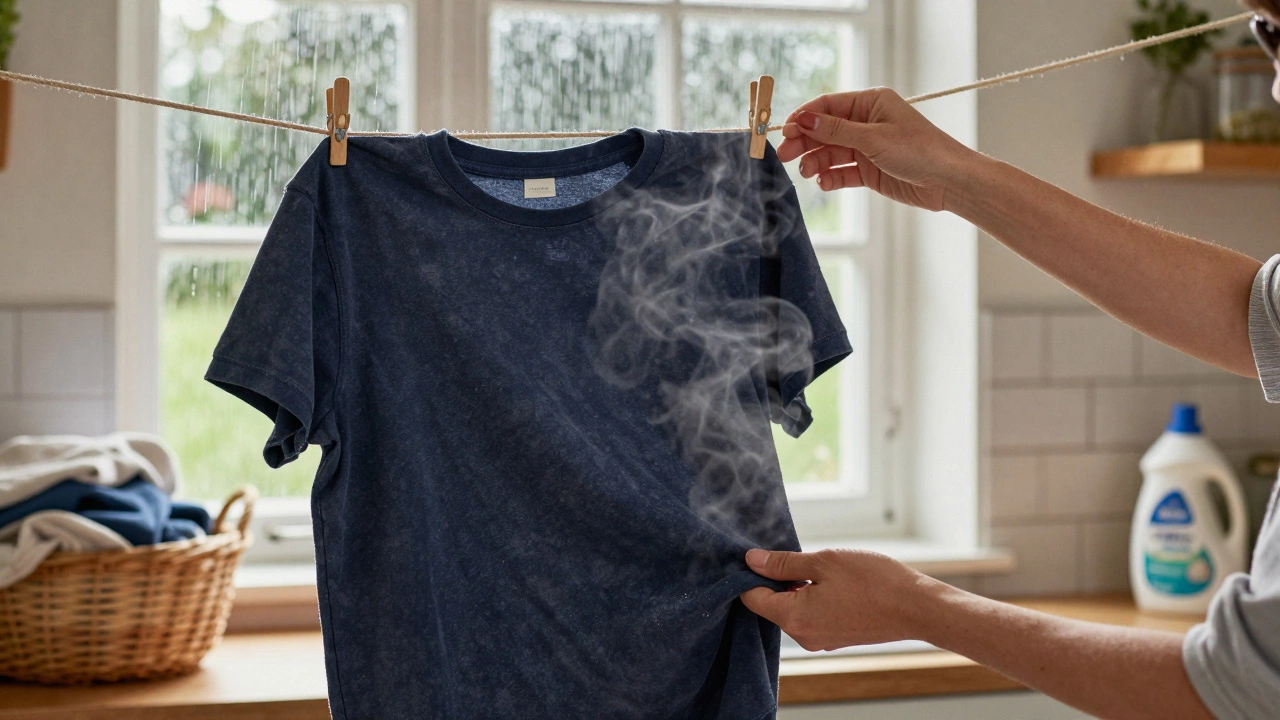
- Air dry. Skip the tumble dryer. The heat weakens the weave and causes shrinkage. Hang it on a clothesline in your kitchen or bathroom. It’ll dry faster than you think, even in Dublin’s grey skies.
- Don’t overload the washer. A T-shirt needs room to move. Overcrowding causes pilling and stretching.
- Store folded, not hung. Hanging stretches the shoulders. In Ireland, where space is tight, folding is practical-and better for the fabric.
What Not to Buy
Steer clear of:
- T-shirts with "ultra-lightweight" or "ultra-soft" claims-they’re usually under 150gsm.
- Brands that don’t list fabric weight or origin. If they won’t say where the cotton comes from, they’re hiding something.
- Graphic tees with plasticky prints. Those crack after a few washes. Look for screen-printed designs using water-based inks-they feel like part of the fabric.
- "Premium" tees from online marketplaces that use stock photos and no real reviews. Stick to Irish makers with real customer photos.
Remember: a T-shirt that costs €25 and lasts five years is cheaper than one that costs €10 and dies after six months.
Why This Matters Beyond Comfort
In Ireland, clothing isn’t just about looking good. It’s about resilience. It’s about wearing something that can keep up with a sudden downpour on the Dingle Peninsula, a long walk home from the Temple Bar after a session of live trad music, or a weekend hike in the Mourne Mountains. A good T-shirt becomes part of your story.
When you buy local, you support small workshops in Waterford, weavers in Donegal, and printers in Louth. You reduce transport emissions-no need for shipping from Bangladesh or China. And you avoid the guilt that comes with buying something made under poor conditions.
That’s the real quality. Not just how it feels on your skin-but how it fits into the rhythm of Irish life.
What’s the best T-shirt fabric for Ireland’s rainy weather?
The best fabric is 100% cotton, weighing between 180-220gsm. It absorbs moisture without clinging, dries naturally, and holds up to frequent washing. Avoid polyester blends-they trap dampness and smell quickly in Ireland’s humid climate.
Are Irish-made T-shirts worth the extra cost?
Yes. Irish-made T-shirts use higher-grade cotton, ethical labour, and eco-friendly dyes. While they cost €18-€28 compared to €8-€12 from fast fashion, they last 3-5 times longer. That makes them cheaper per wear and better for the environment.
Can I find quality T-shirts in Dublin supermarkets?
Yes, but be selective. Penneys now offers a "Premium Cotton" line with 190gsm fabric and pre-washed construction. Avoid their "Essentials" range-it’s still thin and low-quality. Look for the word "pre-washed" on the label.
How do I tell if a T-shirt is pre-washed?
Check the label for "pre-shrunk" or "washed finish." If it’s not stated, ask the store. Pre-washed tees feel softer from the start and won’t shrink more than 2% after the first wash.
Do I need to buy organic cotton for an Irish T-shirt?
Not essential, but highly recommended. Organic cotton uses less water and no synthetic pesticides. In Ireland, where environmental awareness is growing-especially in cities like Galway and Cork-it’s a meaningful choice. Look for GOTS certification to be sure.