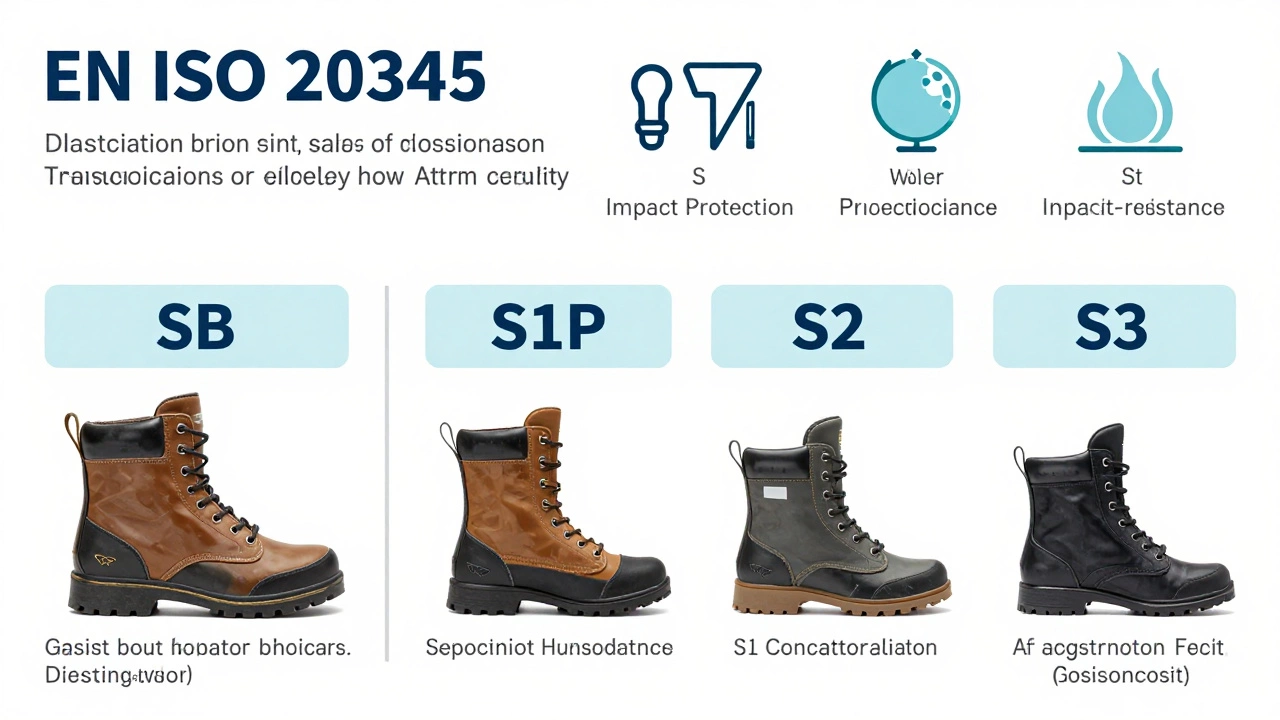
Irish Safety Footwear Selector (EN ISO 20345)
Select your work environment to determine the required safety boot classification under Irish law. Note: OSHA standards do not apply in Ireland.
You’re standing on a construction site in Dublin or walking through a factory floor in Cork, and the last thing you want to worry about is whether your shoes can protect you. You’ve heard the term OSHA approved footwear thrown around, maybe by a manager or seen it on a product listing online. But here’s the catch: if you are working in Ireland, that specific label might actually be misleading. Understanding what makes work boots safe isn’t just about picking the shiniest pair; it’s about knowing which standards actually apply to your job site, especially under Irish law.
The Myth of "OSHA Approved" in Ireland
Let’s clear up a common confusion right away. The Occupational Safety and Health Administration (OSHA) is a United States agency. They set rules for American workplaces. While their guidelines are respected globally, they do not have legal jurisdiction in Ireland. When you see a boot labeled as "OSHA compliant," it means it meets US federal standards, specifically 29 CFR 1910.136. That doesn’t automatically mean it’s suitable for a warehouse in Galway or a farm in Donegal.
In Ireland, we follow European and Irish national standards. The key regulation governing personal protective equipment (PPE) here is the Personal Protective Equipment at Work Regulations 1993. This means employers must provide appropriate PPE free of charge, and workers must use it correctly. For footwear, this translates to looking for CE marking (or UKCA in some contexts post-Brexit, though CE remains dominant in EU markets like Ireland) and adherence to EN ISO 20345 standards. If you’re buying boots for a job in Ireland, ignore the OSHA sticker and look for the EN certification.
Decoding the EN ISO 20345 Standard
If OSHA is the US benchmark, EN ISO 20345 is the gold standard for safety footwear in Europe and Ireland. This standard classifies safety boots based on the level of protection they offer. You’ll usually see codes like SB, S1, S1P, S2, S3, etc., printed on the tongue or inside the boot. Knowing these letters saves you from buying overkill for an office job or under-protection for a rugged site.
| Code | Protection Level | Key Features | Best For |
|---|---|---|---|
| SB | Basic | Impact protection (200J), antistatic | Light industrial, warehousing |
| S1 | Basic + Fuel Resistance | All SB features + fuel/oil resistant sole, closed heel | Food processing, light manufacturing |
| S1P | S1 + Penetration Resistance | All S1 features + midsole plate against nails/sharp objects | Construction sites with debris |
| S2 | S1 + Water Resistance | All S1 features + waterproof upper material | Outdoor work in wet conditions |
| S3 | S2 + Penetration + Cleated Sole | All S2 features + puncture-resistant midsole + aggressive tread | Heavy construction, agriculture, outdoor trades |
For most heavy-duty jobs in Ireland-think construction in the Greater Dublin Area or agricultural work in Munster-you’ll likely need S3 rated boots. These offer comprehensive protection against impact, penetration, water, and slips. If you’re in a cleaner environment like a pharmaceutical plant in Leinster, S1 or S1P might suffice. Always check your employer’s risk assessment; they should specify the required classification.
Why Slip Resistance Matters More Than You Think
Ireland’s weather is no secret. Rain is frequent, and surfaces get slippery fast. Whether you’re working on a slick kitchen floor in a restaurant in Belfast (for Northern Ireland colleagues) or a muddy site in Kerry, slip resistance is critical. Under the EN standard, you’ll look for additional codes like SRC, SRA, or SRB.
- SRA: Tested on ceramic tiles with soap solution. Good for indoor kitchens.
- SRB: Tested on steel plates with glycerol. Better for industrial floors.
- SRC: Passes both SRA and SRB tests. This is the highest level of slip resistance and is highly recommended for general outdoor and mixed-environment work in Ireland.
A boot with SRC rating will give you significantly better grip on wet cobblestones in historic city centers or oily machinery floors. Don’t skimp on this feature. A fall from standing height can cause serious injury, leading to time off work and medical costs. Investing in high-quality slip-resistant soles pays off in safety and comfort.
Choosing the Right Brand for Irish Conditions
When shopping for safety footwear in Ireland, you have access to global brands and local specialists. Brands like Caterpillar, Timberland PRO, and Skechers Work are popular for their blend of durability and comfort. However, European brands like Bata Safety and Rothco often provide excellent value and are widely available in Irish hardware stores and safety suppliers.
Consider the climate. Irish winters are damp and cold. Look for boots with thermal insulation if you work outdoors. Some models offer removable liners, allowing you to adjust warmth levels. Also, consider breathability. Condensation inside a boot can lead to blisters and fungal infections. Mesh linings or moisture-wicking materials help keep feet dry during long shifts in humid environments.
Local retailers such as Harvey Norman, McGee’s, and specialized safety suppliers like Safety First stock a wide range of options. Online platforms like Amazon.ie and Tradesman Tool also offer competitive prices and detailed specifications. Always verify the EN certification code before purchasing.
Maintaining Your Safety Boots
Even the best boots won’t protect you if they’re worn out. Regular maintenance extends their life and ensures continued safety. Here’s a simple checklist:
- Clean regularly: Remove mud and debris after each use. Use a soft brush and mild soap. Avoid harsh chemicals that can degrade materials.
- Dry properly: Never place boots near direct heat sources like radiators. Stuff them with newspaper to absorb moisture and maintain shape.
- Inspect soles: Check for wear patterns, cracks, or embedded objects. Replace if the tread depth is significantly reduced.
- Check for damage: Look for holes in the upper material, broken zippers, or compromised toe caps. Any structural issue means it’s time for new boots.
- Replace periodically: Even with good care, safety boots have a lifespan. Typically, replace them every 6-12 months depending on usage intensity.
In Ireland, where weather varies rapidly, keeping boots clean and dry is essential. Mud left on leather can crack and weaken the material over time. Treat leather boots with conditioner to maintain flexibility and water resistance.
Legal Responsibilities for Employers and Employees
Under Irish law, employers must conduct a risk assessment to identify hazards requiring PPE. If safety footwear is deemed necessary, the employer must provide it free of charge. They must also ensure employees receive training on how to use, store, and maintain the equipment.
Employees, in turn, must wear the provided PPE correctly and report any defects. Refusing to wear required safety boots can result in disciplinary action or even dismissal, as it endangers both the individual and colleagues. It’s a shared responsibility to maintain a safe workplace.
If you’re self-employed, you bear full responsibility for procuring appropriate PPE. Keep records of purchases and certifications to demonstrate compliance during inspections by the Health and Safety Authority (HSA).
Common Mistakes to Avoid
Many workers make costly errors when selecting safety footwear. Here are pitfalls to steer clear of:
- Buying cheap, uncertified boots: Saving €20 now could cost thousands in medical bills later. Always verify EN ISO 20345 certification.
- Ignoring fit: Safety boots should be snug but not tight. Allow room for toes to move. Poor fit causes blisters and reduces stability.
- Overlooking weight: Heavy boots cause fatigue. Modern composites and carbon fiber toe caps offer strong protection without excessive bulk.
- Neglecting arch support: Long hours on hard surfaces strain feet. Choose boots with adequate cushioning and orthotic-friendly designs.
- Assuming all "work boots" are safe: Fashion-oriented work boots may lack proper toe protection or slip resistance. Read the labels carefully.
Take your time trying on boots. Walk around the store, go up and down stairs if possible. Bring the socks you plan to wear at work. Fit changes throughout the day, so try them on in the afternoon when feet are slightly swollen.
Final Thoughts on Footwear Safety in Ireland
While "OSHA approved" sounds authoritative, it’s not the right metric for Irish workers. Focus instead on EN ISO 20345 standards, particularly S3 ratings for heavy-duty roles, and prioritize slip resistance given our climate. Invest in quality brands, maintain your gear diligently, and understand your legal rights and responsibilities. Your feet carry you through every shift-protect them wisely.
Is OSHA approved footwear legal in Ireland?
OSHA is a US regulatory body, so its approvals are not legally binding in Ireland. However, OSHA-compliant boots often meet similar safety principles. In Ireland, you must adhere to EN ISO 20345 standards and CE marking requirements under the Personal Protective Equipment at Work Regulations 1993. Always prioritize EU-certified footwear for legal compliance and optimal protection.
What does S3 mean on safety boots?
S3 indicates a high level of protection including impact resistance (200 joules), penetration resistance via a midsole plate, water resistance, and a cleated sole for enhanced traction. It’s ideal for construction, agriculture, and other outdoor trades where hazards include falling objects, sharp debris, and wet conditions.
Do I need steel-toe boots in Ireland?
It depends on your job role. If there’s a risk of heavy objects falling on your feet, such as in construction or warehousing, then yes, you need toe-cap protection. Modern alternatives like composite or aluminum toe caps offer similar protection without magnetic interference or extreme weight, making them suitable for electrical work or metal detection areas.
Where can I buy certified safety boots in Ireland?
You can find certified safety boots at major retailers like Harvey Norman, McGee’s, and specialized safety suppliers such as Safety First. Online options include Amazon.ie and Tradesman Tool. Always check for EN ISO 20345 certification and CE marks before purchasing to ensure compliance with Irish regulations.
How often should I replace my safety boots?
Generally, replace safety boots every 6 to 12 months depending on usage intensity. Inspect them regularly for signs of wear, such as cracked soles, damaged uppers, or compromised toe caps. If any part of the boot fails to perform its protective function, replace it immediately regardless of age.