Irish Evening Dress Code Decider
Not sure what to wear? Select your event details below to get a tailored recommendation for your outfit.
Recommended Attire
-
-
-
Footwear Advice
-
Weather & Layering Tip
-
You’ve just received an invitation to a wedding in Dublin, or perhaps a gala at the Mansion House. You stare into your wardrobe, wondering: what is considered an evening dress? It’s a question that trips up plenty of people, especially here in Ireland where our social calendar is packed with everything from intimate pub sessions to grand state dinners. The line between "smart casual" and "black tie" can feel blurry, particularly when you’re trying to respect local traditions while staying warm enough for a damp October night.
An evening dress is a formal garment designed for wear during late afternoon or nighttime events, characterized by longer hemlines, luxurious fabrics, and refined detailing compared to daywear. In the Irish context, this definition shifts slightly depending on whether you’re attending a rural wedding in Kerry or a corporate awards night in Cork. Unlike day dresses, which prioritize comfort and practicality for work or shopping, evening wear signals occasion importance. But don’t panic-you don’t need a ballgown for every event. Understanding the specific code is key to looking appropriate without over- or under-dressing.
Decoding the Invitation: From Smart Casual to Black Tie
The first step is reading the room-and the invite. Irish hosts are generally polite but can be vague. If it says "Black Tie," you’re expected to wear a floor-length gown. This is non-negotiable for high-stakes events like the Dublin International Film Festival or charity balls hosted by major corporations. However, most invitations say "Formal" or "Evening Attire." Here, a midi-length dress in silk or velvet works perfectly. For "Cocktail" attire, think knee-length or tea-length. This is common for engagement parties or work holiday drinks at venues like The Shelbourne Hotel.
A frequent mistake visitors make is assuming "Smart Casual" means jeans and a nice top. In many upscale Irish restaurants and private clubs, smart casual still leans towards tailored trousers or a skirt suit. If you’re unsure, call the host. It’s better to ask than to show up in a sundress when everyone else is in wool blends.
Fabric Choices for the Irish Climate
We all know the weather here is unpredictable. One minute it’s raining sideways, the next it’s sunny. Your choice of fabric isn’t just about aesthetics; it’s about survival. Synthetic materials like polyester can look cheap and trap sweat if the venue is overheated. Natural fibers breathe better. Silk, satin, and chiffon are classic choices for elegance, but they wrinkle easily. If you’re taking public transport or walking from a taxi drop-off, consider crepe or heavy jersey. These fabrics drape well, resist wrinkling, and offer a bit more warmth.
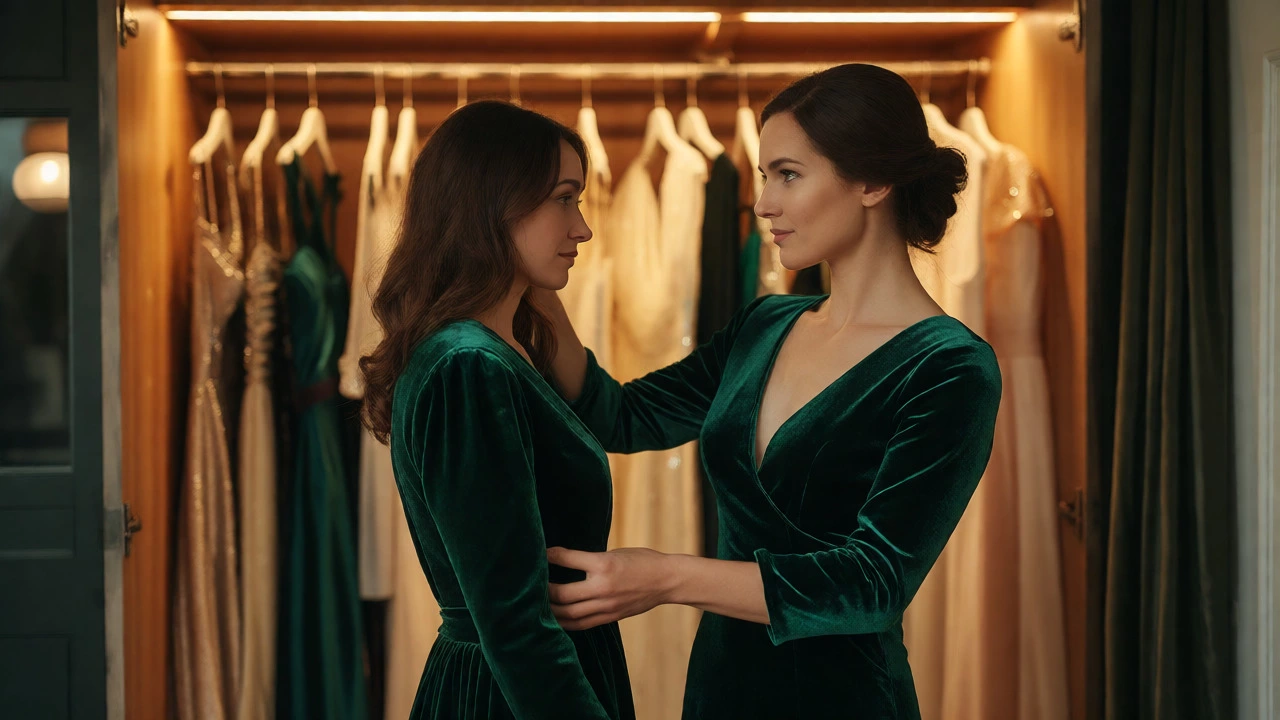
For winter weddings or autumn galas, velvet is having a massive moment in Irish fashion. It looks rich under indoor lighting and provides genuine insulation. Just avoid light colors if you’re worried about rain splashes-deep emerald, navy, or burgundy hide water marks much better than pale pastels. Remember, you’ll likely be wearing a coat or pashmina outside, so choose something that layers gracefully underneath.
Length Matters: Where Does the Hemline Fall?
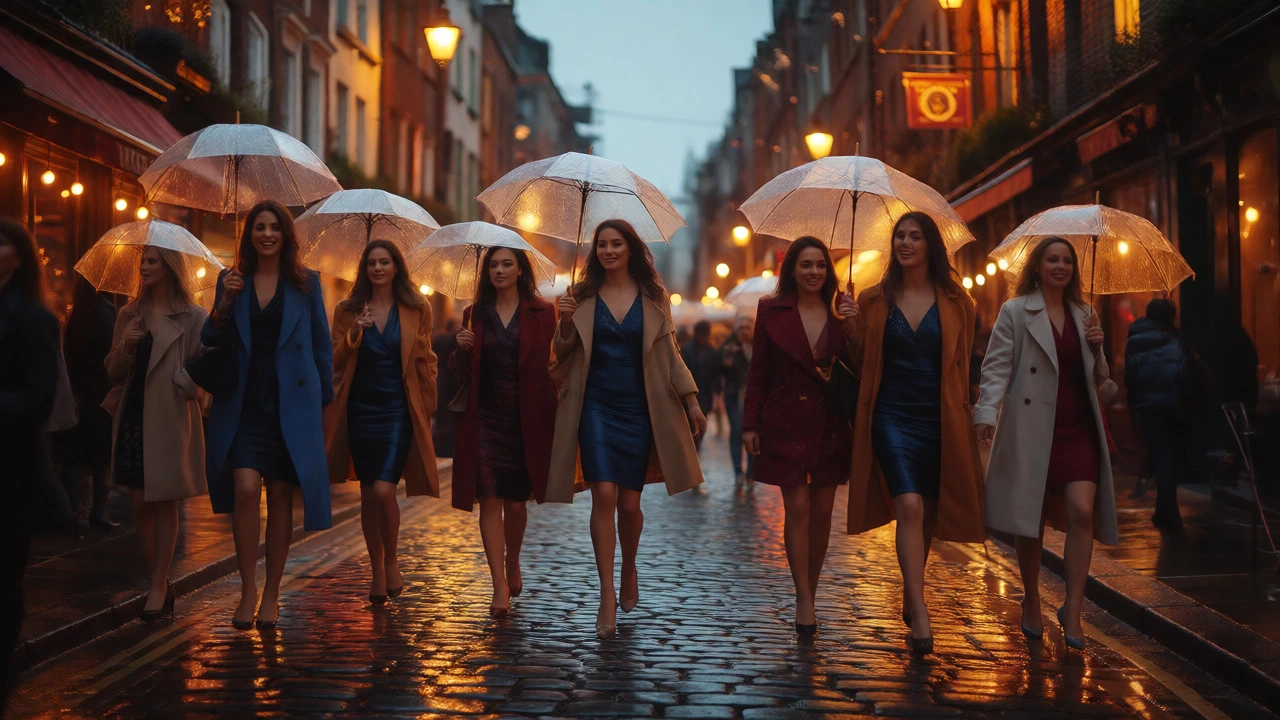
There’s no single rule for length, but there are strong conventions. Floor-length gowns are reserved for the most formal occasions. They require heels (or very elegant flats) and careful navigation of uneven cobblestones, which are common in historic districts like Temple Bar or Galway’s Latin Quarter. Midi lengths (below the knee to mid-calf) are incredibly versatile. They strike a balance between formality and approachability, making them ideal for semi-formal weddings or theater nights at the Abbey Theatre.
Knee-length dresses are standard for cocktail hours. Anything above the knee risks looking too casual for a traditional Irish wedding reception, unless the couple has explicitly stated a relaxed vibe. Tea-length dresses, which hit mid-calf, have seen a resurgence thanks to vintage-inspired trends. They’re charming and practical, allowing you to dance without tripping-a crucial factor if you plan to stay for the ceilidh later in the evening.
Cultural Nuances: Weddings, Funerals, and Festivals
Ireland’s social fabric is woven with specific events that dictate dress codes. Weddings are the big one. Traditionally, guests avoided white, cream, or ivory to not overshadow the bride. While this rule has softened, it’s still safer to steer clear of these shades. Also, hats are less mandatory than they were twenty years ago, but a fascinator or a small hat is still appreciated at church ceremonies, especially in more conservative communities in the West of Ireland.
Funerals are another sensitive area. An "evening dress" isn’t typical for funerals, but a dark, modest dress is essential. Avoid bright patterns or flashy sequins. The focus should be on respect and subtlety. Conversely, cultural festivals like the St. Patrick’s Day parades or the Fleadh Cheoil might call for something festive but durable. Think sturdy shoes and fabrics that can handle crowds and potential drizzle.
Where to Shop: High Street vs. Local Boutiques
You don’t need to spend a fortune to find a great evening dress. Penneys (Primark) offers surprisingly good options for last-minute needs, though quality varies. For mid-range, check out brands like & Other Stories or Reiss, both available in Dublin and online. If you want something unique, support local Irish designers. Brands like Louise Kennedy or Peter O’Toole (yes, he had a clothing line!) offer pieces that stand out. For sustainable options, look at second-hand platforms like Depop or local charity shops in cities like Limerick and Belfast, which often stock high-quality designer labels at a fraction of the cost.
| Event Type | Dress Length | Fabric Recommendation | Footwear Tip |
|---|---|---|---|
| Wedding (Day) | Knee to Midi | Silk, Lace, Chiffon | Block heels for grass/church steps |
| Wedding (Evening) | Midi to Floor | Velvet, Satin, Heavy Crepe | Elegant pumps or strappy sandals |
| Gala / Ball | Floor-Length | Sequins, Taffeta, Silk | Stilettos (if venue is carpeted) |
| Cocktail Party | Knee-Length | Jersey, Wool Blend, Leather | Ballet flats or low block heels |
| Funeral | Midi to Maxi | Matte fabrics, Dark colors | Closed-toe, comfortable black shoes |
Accessorizing for the Occasion
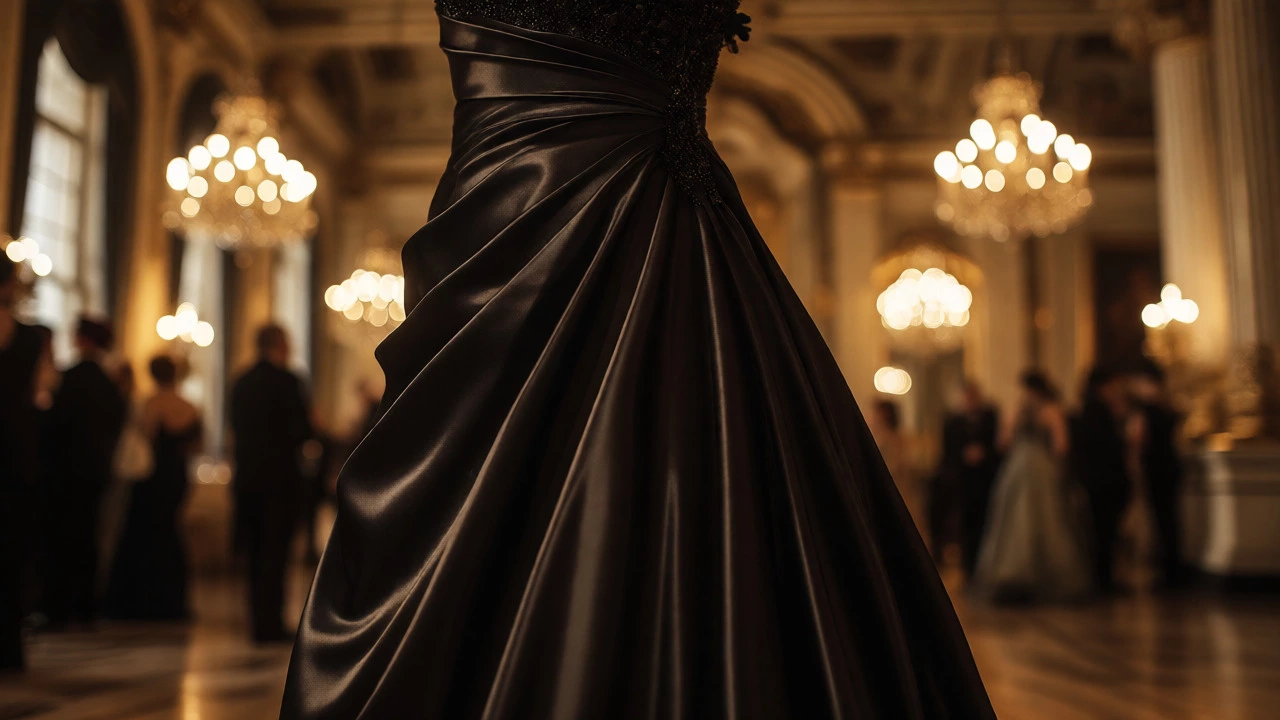
Your accessories define the level of formality. A simple black dress becomes evening-appropriate with statement earrings and a clutch bag. Leave the tote bags and backpacks at home. Clutches are small, elegant, and force you to keep essentials minimal-phone, keys, lipstick. Jewelry should complement the neckline. If you’re wearing a high-neck dress, go for bold earrings. With a V-neck, a delicate pendant works best.
Hair and makeup also play a role. In Ireland, we tend to favor natural beauty, but evening events allow for a bit more drama. A red lip is timeless and pairs well with almost any color dress. Ensure your hair is styled neatly, as humidity can cause frizz. Anti-humidity sprays are your friend, especially if you’re moving between cold outdoors and warm indoors.
Common Pitfalls to Avoid
One major pitfall is ignoring the venue’s flooring. Cobblestones in Dublin or gravel paths in country estates will destroy thin stilettos. Bring a backup pair of flats or choose wedges. Another issue is transparency. Hold your dress up to a light source before buying. Some silks become see-through under harsh indoor lighting. Always wear matching underwear-no visible lines.
Finally, don’t forget the coat. It’s tempting to wear a stylish trench, but if you’re in a long gown, a bulky coat can ruin the silhouette upon arrival. Look for capes or tailored coats that match the tone of your outfit. Or, if you’re driving, change into your coat only when stepping outside.
Final Thoughts on Confidence
Ultimately, what makes an evening dress work is how you wear it. Comfort matters. If you’re constantly pulling at your hem or adjusting straps, you won’t enjoy the event. Choose a dress that allows you to sit, stand, and move freely. In Ireland, hospitality is huge. You’ll be greeted warmly, but you want to feel confident that you’ve respected the occasion. When in doubt, err on the side of slightly more formal rather than too casual. People forgive overdressing far more readily than underdressing.
Can I wear a floral print to an Irish wedding?
Yes, floral prints are very popular for daytime weddings in Ireland. Just ensure the background color isn't white or cream. Larger, bolder florals are better for evening receptions, while smaller prints suit daytime events.
Is it okay to wear trousers instead of a dress?
Absolutely. Tailored jumpsuits or wide-leg trouser suits are increasingly accepted as evening wear in Ireland, provided the fabric is luxurious (like silk or satin) and the fit is impeccable.
What shoes should I wear for a wedding in a field?
Avoid stiletto heels. Opt for block heels, wedges, or embellished flats. Many brides provide a shoe box at the entrance for guests to swap into sensible footwear if the ground is muddy.
Do I need to wear a hat to a church ceremony?
It depends on the family's tradition. In more traditional or older families, a hat or fascinator is expected. For younger couples or secular ceremonies, it's optional. Check with the bridal party if unsure.
How do I handle rain if my dress is expensive?
Use a clear umbrella and try to get dropped off directly at the door. If caught in rain, blot-don't rub-the fabric with a clean towel once inside. Synthetic blends dry faster than pure silk.