Irish Suit Value Estimator
Select your scenario to find the sweet spot for value in the Irish market.
Recommended Price Range
Why this range?
This range balances quality construction with reasonable retail margins in Ireland.
Don't Forget Alterations
Budget an extra €50 - €100 for tailoring. A perfect fit is more important than brand name.
Where to Shop in Ireland:
- • Check M&S Autograph or Next Premium for sales.
- • Consider online DTC brands like Suitsupply for half-canvas options.
- • Visit local tailors in Dublin/Cork for adjustments.
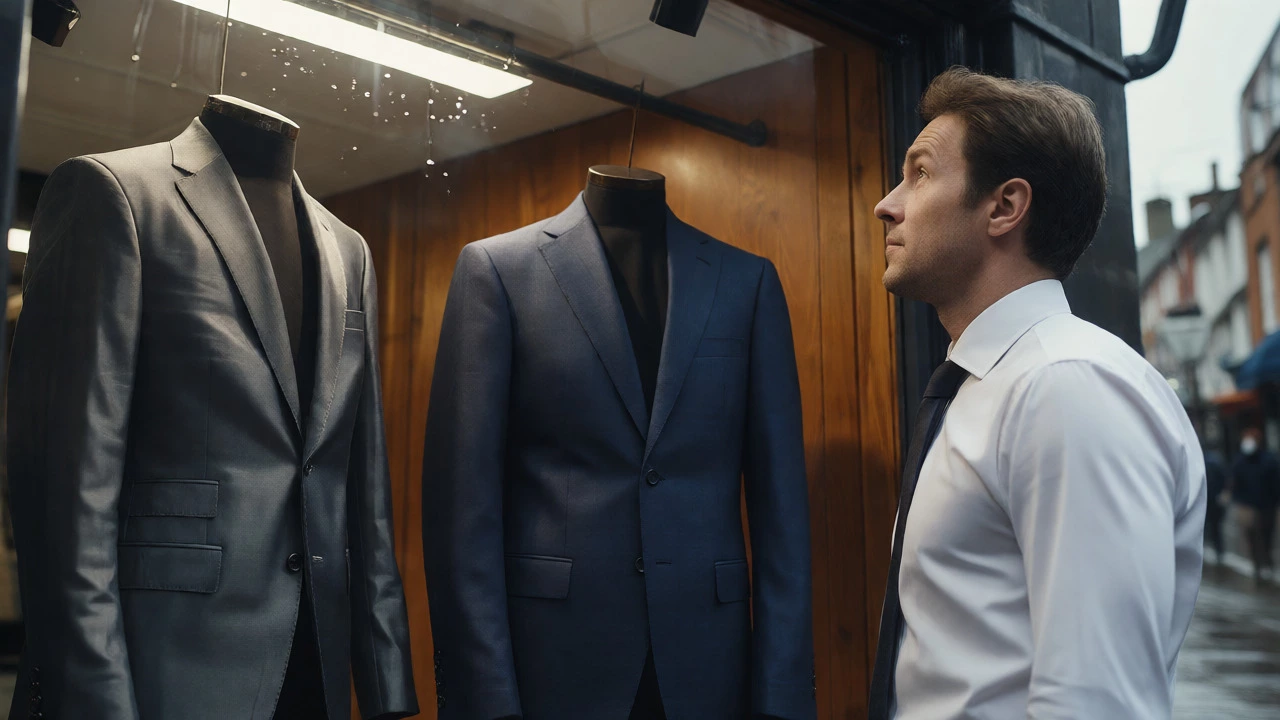
You walk into a shop on Grafton Street or browse online, and the prices make you dizzy. One suit is €150, another is €800, and a third asks for over €2,000. Which one do you actually need? If you are living in Ireland, the answer depends less on the brand label and more on what you plan to do with the jacket. Are you heading to a wedding in Cork, sitting in a boardroom in Dublin, or just trying to look sharp for a first date?
There is no single "correct" number, but there is a sweet spot for value. In the Irish market, a good price for a suit generally falls between €300 and €600 for most professional needs. This range gets you decent wool, a structure that holds up against our damp weather, and enough style to pass muster at any formal event without breaking the bank. But let’s break down why this number exists and where you can go higher or lower depending on your specific situation.
The Reality of Suit Pricing in Ireland
Suit prices are driven by fabric, construction, and location. In Ireland, we pay a premium for retail space in city centres like Dublin or Galway. You aren’t just paying for the cloth; you’re paying for the rent on a high-street unit in Temple Bar or St Stephen’s Green. That said, you don’t always have to pay those premiums if you know where to look.
Think about the materials. A cheap polyester blend might cost €100, but it traps heat and looks shiny under artificial lights. It won’t breathe when you’re sweating through a crowded pub after a work event. On the other end, a bespoke suit made from Italian Super 150s wool can easily hit €2,500. Is that worth it? Only if you wear suits daily and care about the drape and hand-feel of luxury fabrics. For the average guy attending four weddings and a funeral a year, the mid-range offers the best return on investment.
| Tier | Price Range (EUR) | Fabric & Construction | Best For |
|---|---|---|---|
| Budget / High Street | €100 - €250 | Poly-blend or low-grade wool; fused construction (glued layers). | First job interviews, occasional wear, students. |
| Mid-Range / Value | €300 - €600 | 100% Wool or Wool-Silk blends; half-canvas construction. | Daily office wear, weddings, serious business meetings. |
| Premium / Designer | €700 - €1,200 | High-quality Merino wool; full canvas; reputable brands. | Senior management, frequent travellers, fashion-conscious buyers. |
| Luxury / Bespoke | €1,500+ | Italian/British mill fabrics; custom fit; hand-finished details. | Weddings, special occasions, collectors. |
Why Construction Matters More Than Brand Names
Here is a secret that sales assistants often gloss over: how a suit is put together matters more than the logo on the sleeve. Most suits under €400 use "fused" construction. This means the inner lining is glued to the outer fabric. It’s cheaper to make, but it creates a stiff, cardboard-like feel. Over time, especially in our humid Irish climate, that glue can bubble or peel. You’ll see bubbles near the chest or lapels after a few years of dry cleaning.
Above the €500 mark, you start seeing "half-canvas" or "full-canvas" construction. The canvas is sewn in, not glued. This allows the jacket to mold to your body over time, creating a better silhouette. It also breathes better. If you live in Dublin and spend time outdoors waiting for a bus or walking to work, that breathability is crucial. You don’t want to feel trapped in a plastic bag.
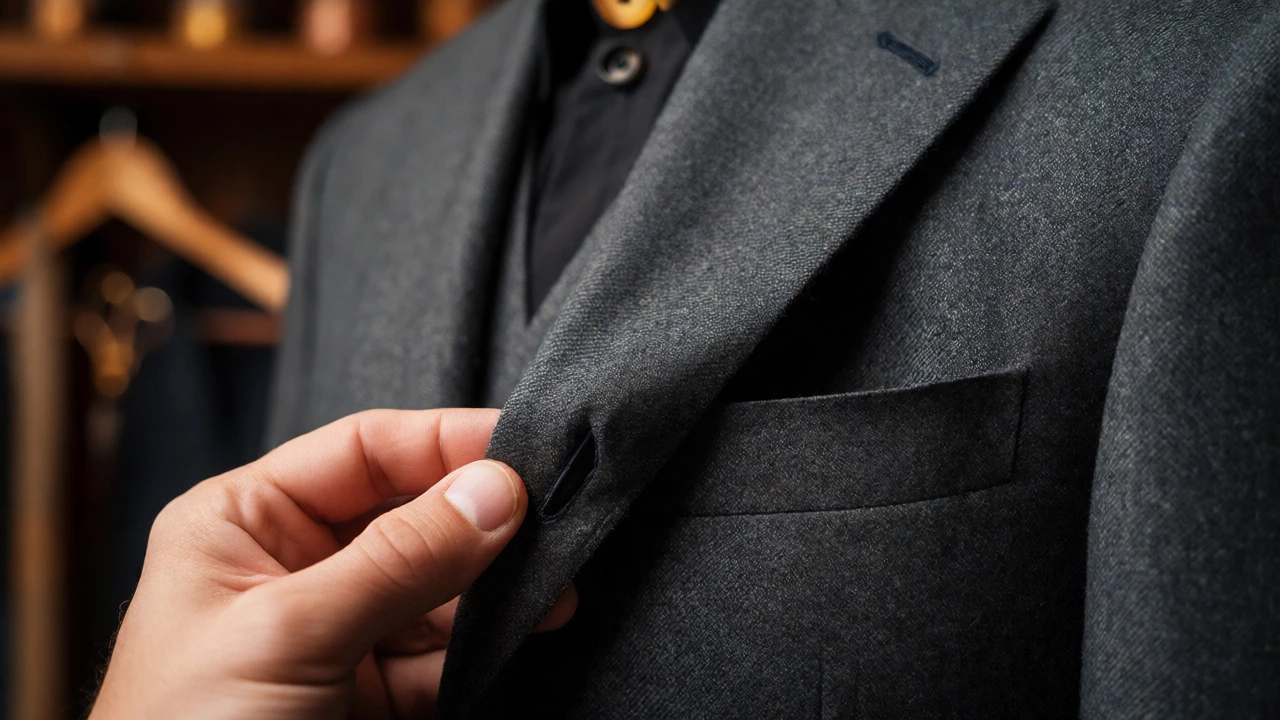
When you try on a suit, pinch the fabric between your thumb and finger near the lapel. If it feels thick and layered, good. If it feels thin and papery, be cautious. Check the buttons too. Real horn or corozo nut buttons are a sign of quality. Plastic ones crack and look cheap quickly. These small details add up to longevity.
Where to Shop for Value in Ireland
You don’t need to fly to London or Milan to find a great suit. Ireland has its own strong retail landscape. Let’s look at where you get the most bang for your buck.
- Next and Marks & Spencer: Don’t dismiss these as boring. Their "Autograph" line at M&S or Next’s premium ranges often offer 100% wool suits for around €250-€350 during sales. They fit standard body types well and are durable.
- H&M Premium Selection: Yes, really. H&M’s higher-end line uses better fabrics than their basics. You can find a decent wool-blend suit for under €200. It’s perfect for a student or someone who needs a suit twice a year.
- Local Tailors and Off-the-Rack Specialists: Shops like Moss Bros or smaller independent boutiques in towns like Limerick or Belfast often carry brands like Suitsupply or Reiss. These sit right in that €400-€600 sweet spot.
- Online Direct-to-Consumer: Brands like Suitsupply ship to Ireland and offer excellent quality for the price. Their entry-level suits start around €400 and use half-canvas construction. You save on retail overhead, which passes the savings to you.
Keep an eye out for end-of-season sales in January and July. Irish retailers clear stock aggressively then. You can snag a €600 suit for €350 if you act fast. Just remember, sizes go quickly, especially popular navy and charcoal shades.
The Hidden Cost: Alterations
Here is the biggest mistake guys make in Ireland: they buy a suit off the rack, wear it home, and think they’re done. Wrong. An off-the-rack suit is never going to fit you perfectly unless you happen to match the mannequin exactly. You need alterations.
Budget an extra €50 to €100 for tailoring. This isn’t optional if you want to look polished. A tailor will shorten sleeves so just a hint of shirt cuff shows, take in the waist if you’re slimmer, and adjust trouser length. In Dublin, places like The Tailor Shop on Dawson Street or independent tailors in the suburbs do this work well. In Cork or Galway, local haberdasheries often offer quick turnarounds.
Ask yourself: Would I rather spend €400 on a suit and €80 on tailoring, or €480 on a slightly worse suit that fits okay? The tailored option almost always wins. Fit is king. A cheap suit that fits perfectly looks expensive. An expensive suit that fits poorly looks sloppy.
Context Is Everything: When to Spend More
Your spending should match the occasion. If you are a junior developer working remotely from your apartment in Dún Laoghaire, you might only need a suit for annual company parties. In that case, a €250 poly-blend mix from H&M is fine. Nobody cares about the weave count if you’re standing in a corner holding a pint.
But consider the corporate lawyer in Ballsbridge or the consultant flying to London every week. They need durability and professionalism. A €600 wool suit makes sense here because it resists wrinkles better and looks sharper in video calls. The fabric holds its shape longer, meaning fewer trips to the dry cleaner, which saves money over five years.
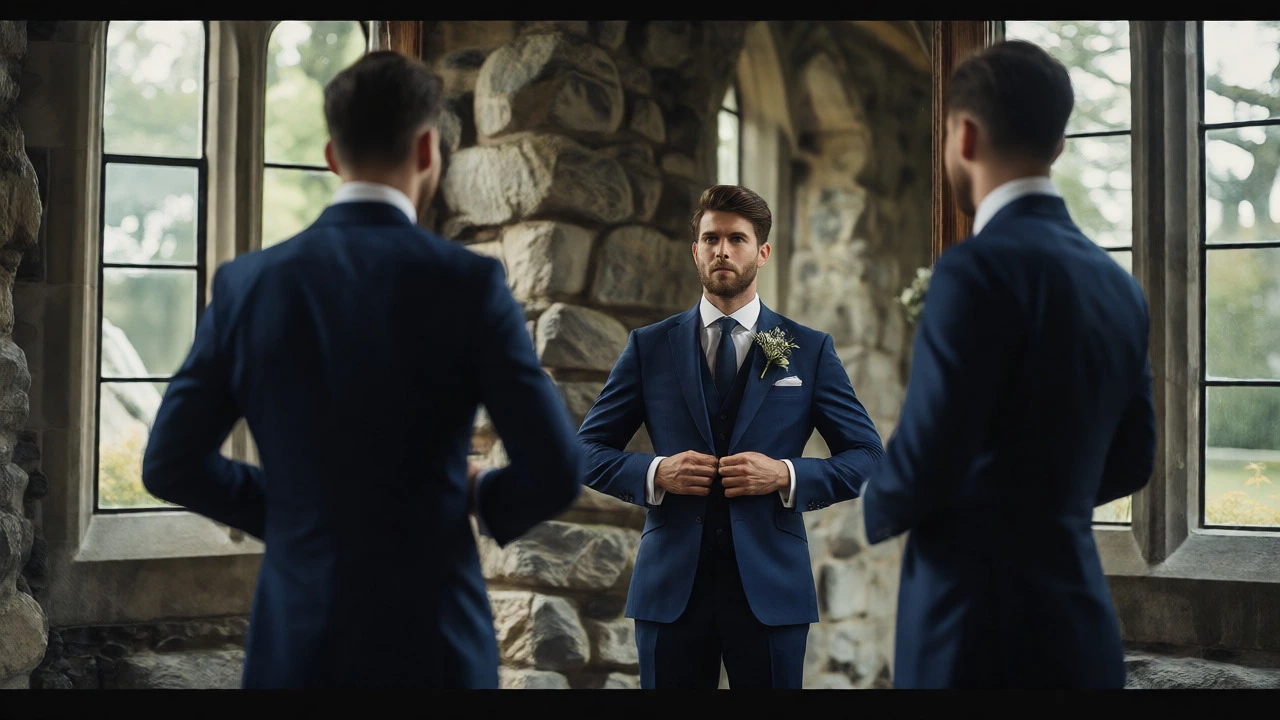
Weddings are different. If you are the groom or best man, you might stretch to €800-€1,000. Why? Because photos last forever, and you’ll wear it again for anniversaries or formal dinners. Plus, many Irish couples choose outdoor ceremonies in gardens or castles. A heavier wool suit handles the wind and cooler temperatures better than a thin summer blend.
Care Tips to Make Your Suit Last
In Ireland, rain is inevitable. Water spots can ruin a suit’s appearance. Invest in a good umbrella and a garment brush. Brushing your suit after each wear removes dust and dirt before they settle into the fibers. It takes two minutes and extends the life of the fabric significantly.
Avoid dry cleaning too often. Chemicals strip natural oils from wool, making it brittle. Unless it’s stained, air it out instead. Hang it in a steamy bathroom while you shower; the steam helps release wrinkles and odours. Rotate your suits if you have more than one. Giving a suit 24 hours to rest between wears lets the moisture evaporate and the fibers recover.
Store them properly. Use wide wooden hangers that support the shoulders. Wire hangers distort the shape. If you’re travelling for work, use a breathable garment bag, not plastic. Plastic traps moisture and encourages mildew, which smells terrible and stains fabric.
FAQ: Common Questions About Suit Prices in Ireland
Is a €200 suit good enough for a job interview?
Yes, provided it fits well. For a first job or an entry-level role, recruiters focus on cleanliness and neatness. Ensure the suit is ironed, the shoes are polished, and the trousers don’t pool at the ankles. Spend any leftover budget on a crisp white shirt and a tie. Fit and grooming matter more than fabric quality at this level.
Do I need a tweed suit for Irish winters?
Tweed is traditional and warm, but it’s heavy and scratchy. For city offices with heating, it’s overkill. Stick to medium-weight wool (around 280g-320g). It’s versatile enough for autumn, winter, and spring. Save tweed for country weekends or very cold outdoor events. A dark grey or navy flannel suit is more practical for daily urban wear in Dublin or Cork.
How much should I budget for alterations in Ireland?
Expect to pay between €40 and €100 depending on the complexity. Shortening sleeves usually costs €15-€25. Taking in the waist might be €20-€30. Trouser hemming is often €10-€15. Some shops include basic alterations in the price, especially during sales, so always ask. Independent tailors in areas like Ranelagh or Rathmines may charge slightly more but offer faster service.
Are online suits risky for Irish customers?
Not necessarily. Brands like Suitsupply and Charles Tyrwhitt have robust return policies. However, shipping times to Ireland can vary. Order at least three weeks before you need the suit. Measure yourself accurately using a soft tape measure. Compare your measurements to the brand’s size chart, not just your usual size. If possible, visit a physical store first to try on the same brand to gauge fit.
What colours are safest for Irish men?
Navy blue and charcoal grey are the most versatile. They work for funerals, weddings, and business. Black suits are often seen as too formal or uniform-like in Ireland, except for evening wear. Lighter greys and browns are great for summer weddings but show dirt more easily in rainy weather. Stick to darker shades for your first suit.