Mexican Footwear Translator
Select your situation below to discover the most appropriate Mexican Spanish term for your footwear needs.
Irish Equivalent:
When to Use It:
If you’ve ever found yourself in a bustling market in Mexico City or chatting with a friend from Guadalajara over a pint in Dublin, you might have wondered: what do Mexican people call slippers? It’s not just one word. Unlike the straightforward "slippers" we use here in Ireland-whether we’re talking about fluffy indoor shoes or flip-flops for a rare sunny day in Galway-Mexican Spanish has a rich, regional vocabulary that changes depending on where you are and what kind of shoe you’re wearing.
This isn’t just trivia for your next pub quiz at The Brazen Head. Understanding these terms helps you navigate travel better, buy the right footwear without confusion, and appreciate the cultural nuance behind everyday items. Let’s break down exactly how Mexicans talk about their foot comfort, from the beach to the living room.
The Big Word: Chanclas
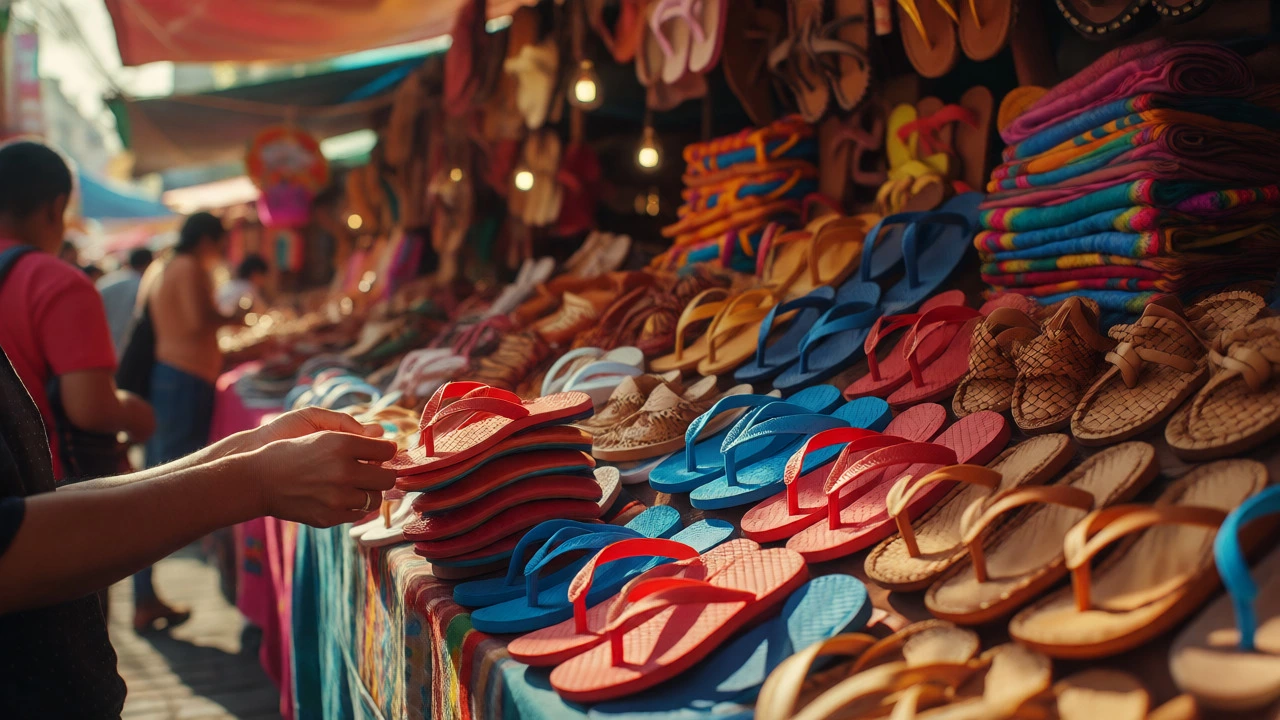
If you learn only one word, make it Chanclas. This is the most common term used across Mexico for open-toed sandals, flip-flops, and beachwear. Think of them as the equivalent of our "flip-flops" or "thongs." If you walk into a Walmart de México (Walmex) or a local tianguis (market), ask for chanclas, and you’ll be pointed toward the rubbery, colorful footwear section.
Why does this matter for us? In Ireland, we often lump all casual open footwear under "sandals" or "slippers." But in Mexico, chanclas specifically implies something informal, usually made of rubber or plastic, designed for warm weather. You wouldn’t wear chanclas to a nice dinner in Polanco unless it was very casual. They are the go-to for the beach, the shower, or running to the corner store for tortillas.
Huaraches: More Than Just a Shoe
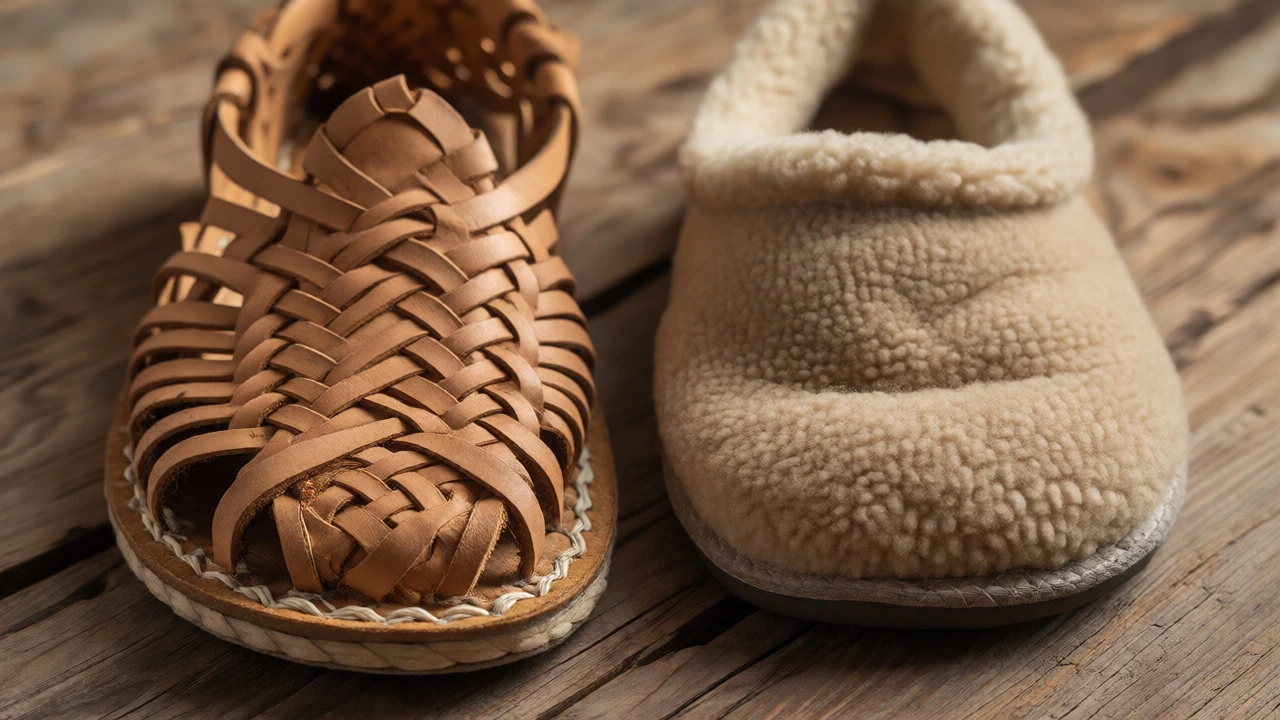
You might have heard the term Huaraches before. In the US, this often refers to a specific style of woven leather sandal. In Mexico, however, the word huarache has two distinct meanings. First, it’s a type of traditional indigenous footwear, often hand-woven from leather straps. These are sturdy, durable, and deeply rooted in history.
Second-and this is where it gets confusing for tourists-a huarache is also a popular street food dish! Imagine a large, oval-shaped tortilla topped with beans, meat, cheese, and salsa. So, if you tell a Mexican friend you want to try some "huaraches," they might think you’re hungry rather than looking for shoes. Context is key. When buying footwear, specify huaraches de cuero (leather huaraches) to avoid being handed a plate of food.
| Mexican Term | Description | Irish Equivalent | Typical Use Case |
|---|---|---|---|
| Chanclas | Rubber or plastic flip-flops | Flip-flops / Thongs | Beach, pool, quick errands |
| Huaraches | Woven leather sandals | Artisan sandals | Casual outings, cultural events |
| Zapatillas | Soft indoor shoes or sneakers | Slippers / Trainers | Indoor home wear, gym |
| Pantuflas | Warm, fuzzy indoor shoes | Slippers / Moccasins | Winter evenings at home |
| Sandalias | General term for sandals | Sandals | Summer parties, formal summer wear |
Zapatillas: The Indoor Confusion
In Spain, zapatillas usually means sneakers. In many parts of Latin America, including Mexico, zapatillas can refer to soft-soled indoor shoes-essentially, what we call slippers in Ireland. However, usage varies wildly by region. In Mexico City, you might hear zapatillas used for athletic trainers, while in rural areas, it might mean comfortable house shoes.
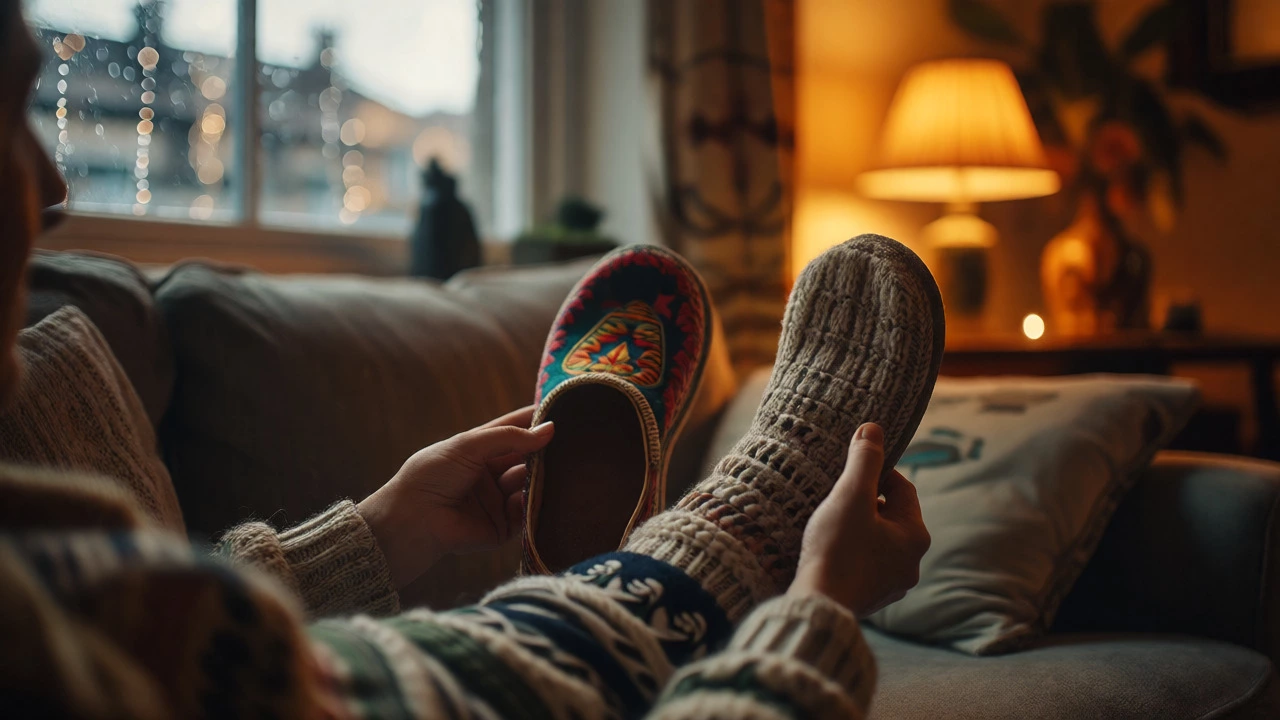
If you are shopping for indoor comfort in Mexico, don’t rely solely on zapatillas. Ask for pantuflas if you want those warm, fleece-lined shoes perfect for chilly nights. While Mexico doesn’t have the same biting cold as an Irish February, high-altitude cities like Toluca or Pachuca can get surprisingly cold at night. Locals there love a good pair of pantuflas just as much as we do our woolly socks and moccasins in Cork.
Pantuflas: Cozy Comfort for Cold Nights
Pantuflas is the direct translation for cozy, enclosed slippers. These are the ones with fur lining, closed toes, and thick soles. You won’t find many people wearing these outside the house in tropical coastal towns like Cancún, but head up to the mountains, and they become essential.
For Irish expats moving to Mexico, this distinction is vital. We are used to damp, cold winters where indoor heating is necessary. In parts of central Mexico, homes often lack central heating because the days are warm. Residents rely on layers and warm footwear indoors. Buying a good pair of pantuflas is a practical tip for anyone relocating to higher elevations. Brands like Bata Mexico offer affordable options that last through the cooler months.
Regional Slang: Why Location Matters
Mexico is huge. What works in Monterrey might sound odd in Mérida. Here are a few regional quirks:
- Northern Mexico: In states like Nuevo León, you might hear sandalias used more frequently for anything open-toed, even simple flip-flops. The culture is slightly more influenced by American English, so you might even hear "flips" or "flops" in younger circles.
- Southern Mexico: In Oaxaca or Chiapas, traditional crafts thrive. Here, huaraches are worn with pride as part of daily attire, not just as fashion statements. You’ll see men and women wearing handmade leather versions to work, markets, and festivals.
- Coastal Areas: On the Pacific coast, such as Puerto Vallarta, chanclas rule supreme. They are disposable, cheap, and ubiquitous. If you lose them, nobody worries-they cost less than a taco.
Buying Tips for Irish Shoppers
If you’re planning a trip to Mexico or buying imported goods in Dublin, keep these tips in mind:
- Check the Sole: Many chanclas sold in tourist spots have thin, slippery soles. Irish rain makes pavements slick; Mexican streets can be dusty or wet. Look for textured grips if you plan to walk far.
- Sizing Differences: Mexican sizing often follows European standards, similar to what we use in Ireland. However, brands vary. Always try them on. A size 38 in Mexico might fit differently than a size 38 in a Dublin chain store like Primark.
- Material Matters: Leather huaraches need breaking in. Don’t expect instant comfort. Wear them around the house first. Rubber chanclas are ready to go immediately.
- Avoid Tourist Traps: Near major attractions like Chichén Itzá, prices for artisan footwear can be inflated. Visit local markets (tianguis) for authentic quality at fair prices.
Cultural Etiquette: When to Wear What
Just like in Ireland, where we know not to wear hiking boots to a wedding, Mexico has unwritten rules. Wearing chanclas to a church service might be seen as disrespectful in conservative areas. In contrast, going barefoot inside someone’s home is generally frowned upon in both cultures, though more relaxed among friends.
If you’re invited to a Mexican home, check if the host wears shoes inside. Most remove them at the door. Bring a clean pair of pantuflas or indoor slippers if you’re staying long-term. It shows respect for cleanliness and aligns with local habits. In Dublin, we take off muddy boots at the door; in Mexico, they take off everything to keep floors dust-free.
Why Vocabulary Changes
Language evolves based on climate and trade. Mexico’s proximity to the US influences slang, while its indigenous roots preserve ancient terms like huarache (from Purépecha). Ireland’s language landscape is similarly layered, with Hiberno-English borrowing from Irish Gaelic and Norman French. Both cultures value specificity in clothing descriptions because weather dictates function.
We distinguish between "wellies" and "trainers" because of our rain. Mexicans distinguish between chanclas and botas (boots) because of heat and terrain. Knowing these terms bridges the gap between visitor and local. It turns a simple purchase into a moment of connection.
Do Mexicans say "slippers" in English?
In urban areas with high tourism, yes, many people understand "slippers" or "flip-flops." However, using the Spanish terms chanclas or pantuflas will get you better service and respect. In rural areas, English proficiency may be lower, so knowing the local word is crucial.
Are huaraches expensive?
It depends. Mass-produced huaraches can cost as little as 200-300 pesos ($10-$15 USD). Handcrafted, high-quality leather ones from artisans in Michoacán or Jalisco can range from 800 to 2,000+ pesos. For Irish buyers, they are often cheaper than comparable artisan sandals in Dublin boutiques.
Can I wear chanclas everywhere in Mexico?
Not everywhere. Avoid them in upscale restaurants, clubs, or religious ceremonies. They are perfect for beaches, pools, casual markets, and hot days. In cooler mountain towns, they may leave your feet too exposed.
What is the difference between pantuflas and zapatillas?
Pantuflas are typically warm, enclosed, and fuzzy, meant for cold weather indoors. Zapatillas is broader-it can mean lightweight indoor shoes or athletic sneakers depending on the region. When in doubt, describe the material: "¿Tienen pantuflas de peluche?" (Do you have plush slippers?).
Is "ojotas" a common word for slippers?
Yes, ojotas is widely used, especially in northern and central Mexico, as a synonym for chanclas. It’s informal and colloquial. You’ll hear it constantly in casual conversation. It’s perfectly acceptable in everyday settings but avoid it in formal contexts.