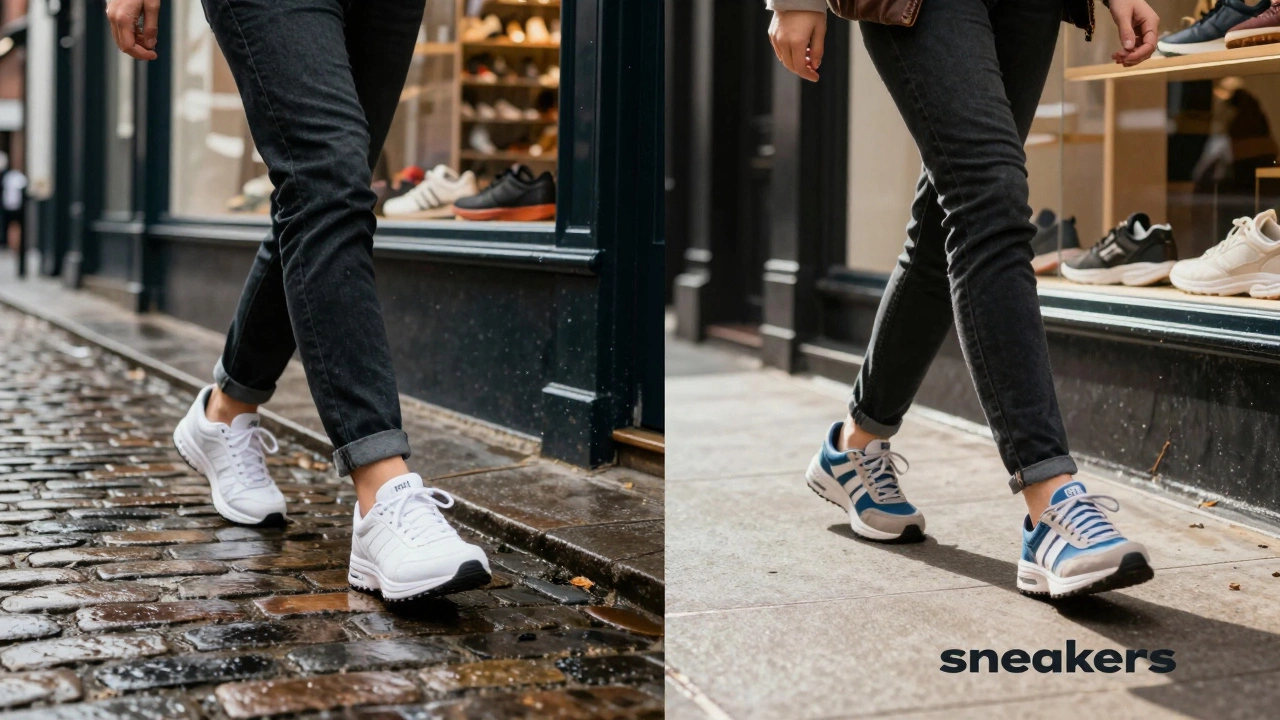
The Global Shoe Dictionary
Click a flag above to see local terminology.
Walk into any shop in Dublin or Galway and you’ll hear the word trainers. It’s the standard term here in Ireland for those comfortable rubber-soled shoes we wear to the gym, on a run along the Liffey, or just grabbing coffee in Temple Bar. But if you’ve ever chatted with someone from across the Atlantic, or maybe scrolled through an American online store, you might have hit a wall of confusion. They don’t say trainers. They say something else entirely.
This isn’t just a minor quirk; it’s one of the biggest linguistic divides in the English-speaking world when it comes to fashion and sport. For us here in Ireland, "sneakers" can sound like a specific type of stealthy footwear, while "running shoes" feels too literal. Understanding these differences is key whether you’re shopping locally in Derry, browsing international sites, or just trying to understand your favorite American TV shows without getting lost in translation.
The American Standard: Sneakers
In the United States, the default term for athletic footwear is sneakers, which are casual shoes with rubber soles originally designed for sports but now worn daily. The word comes from the late 19th century, referring to the fact that these shoes allowed you to "sneak" around quietly because they didn’t clack against the floor like leather boots did. This term covers everything from high-end basketball jerseys to basic white canvas shoes.
If you’re in New York or Los Angeles, asking for "trainers" will likely get you a confused look or a referral to a fitness instructor. Americans use "sneakers" as the umbrella term. You’ll see it on signs in malls, in product descriptions on Amazon, and in conversations about streetwear culture. It’s deeply embedded in their identity. Brands like Nike and Adidas market heavily under this banner in the US, creating a cultural association that doesn’t translate directly to our side of the pond.
However, even within the US, there are nuances. While "sneakers" is the broad category, specific contexts call for different words. If you’re actually running a marathon, you might ask for "running shoes." If you’re playing tennis, they’re "tennis shoes." But for everyday wear-what we’d call trainers-they stick with sneakers.
The British Influence: Why We Say Trainers
In Ireland, our language habits are closely tied to our history and proximity to the UK. The term trainers, short for training shoes, reflects a functional origin. These shoes were designed for physical training, hence the name. This makes sense in a country where Gaelic games like hurling and Gaelic football are part of the national fabric. Even though you wouldn’t wear Nike Air Maxes to play hurling (you’d wear specialized GAA boots), the general concept of athletic footwear being for "training" stuck.
You’ll hear "trainers" everywhere in Ireland. From the checkout queue at Dunnes Stores in Cork to the fitting room in Brown Thomas in Dublin, it’s the natural choice. It’s also used in schools. A teacher might tell a student, "Put your trainers on before PE." To an American ear, this sounds like they’re preparing for a workout class, but to us, it just means changing out of formal school shoes.
This terminology extends beyond just the shoes themselves. We talk about "trainer fits," "trainer brands," and even "trainer culture." The word has evolved from purely athletic gear to a staple of casual Irish style. Pairing a crisp white pair of trainers with jeans is a weekend uniform for millions of people across the island, from Belfast to Kerry.
Other Terms That Cause Confusion
It’s not just "trainers" versus "sneakers." There are other words that trip people up depending on where they’re from. Here’s a breakdown of how different regions label similar footwear:
| Region | Common Term | Alternative Terms | Context/Nuance |
|---|---|---|---|
| Ireland & UK | Trainers | Gym shoes, Running shoes | General casual and athletic use |
| USA | Sneakers | Tennis shoes, Kicks (slang) | General casual and athletic use |
| Australia & NZ | Rubbies / Thongs | Sneakers | "Rubbies" is informal; "Thongs" refers to flip-flops |
| Canada | Sneakers | Tennies | Similar to US, "Tennies" is older slang |
Notice the Australian entry? In Australia, "thongs" means flip-flops, not underwear. Imagine ordering "thongs" online in Ireland expecting beach sandals and receiving something very different! Similarly, in the US, "joggers" refers to the pants, not the shoes. In Ireland, we might say "joggers" for both the trousers and sometimes loosely for the shoes, adding another layer of potential mix-ups.
Shopping in Ireland: Navigating the Labels
When you’re shopping here in Ireland, you’ll find that major retailers cater to local preferences. Stores like Sports Direct, JD Sports, and Decathlon all use "trainers" in their signage and online categories. If you search for "sneakers" on an Irish retail site, you’ll usually be redirected to the "trainers" section, but the primary navigation uses our local term.
However, the rise of global e-commerce means many Irish consumers shop on US-based sites. When doing this, remember to switch your mental dictionary. Search for "sneakers" on Amazon.com or Nike.com to get the best results. If you search for "trainers" on a US site, you might still find products, but the selection could be limited or misclassified. Conversely, if you’re an American visiting Dublin and searching for "sneakers" in a local shop, the staff will understand you perfectly, but they’ll likely reply using "trainers." It’s a friendly exchange, not a correction.
Brand naming also plays a role. Some models have names that bridge the gap. The Nike Air Force 1 is called a sneaker in marketing materials globally, but an Irish shopper will still refer to them as trainers. The Adidas Superstar is another example-a classic sneaker in the US, a classic trainer here.
Cultural Context: More Than Just Shoes
The difference in terminology reflects broader cultural attitudes toward sport and leisure. In the US, "sneakers" are often associated with hip-hop culture, streetwear, and collecting. There’s a massive subculture of "sneakerheads" who buy limited editions for resale. This trend has reached Ireland, especially in cities like Dublin and Cork, where youth culture mirrors global trends. Young people here might talk about "copping sneakers" (buying them) even while calling them trainers in conversation. The slang borrows from the US, showing how digital media blends languages.
In Ireland, however, the practical aspect remains stronger. Trainers are seen as workhorse items. They’re for commuting on the Luas, walking the dog in Phoenix Park, or standing in line at the cinema. While fashion-forward styles exist, the core identity of the trainer is utility. This contrasts slightly with the US, where sneakers can be high-fashion statements, worn with suits or designer dresses. Here, that look is growing, but it’s still less common than the casual pairing with jeans or sweatpants.
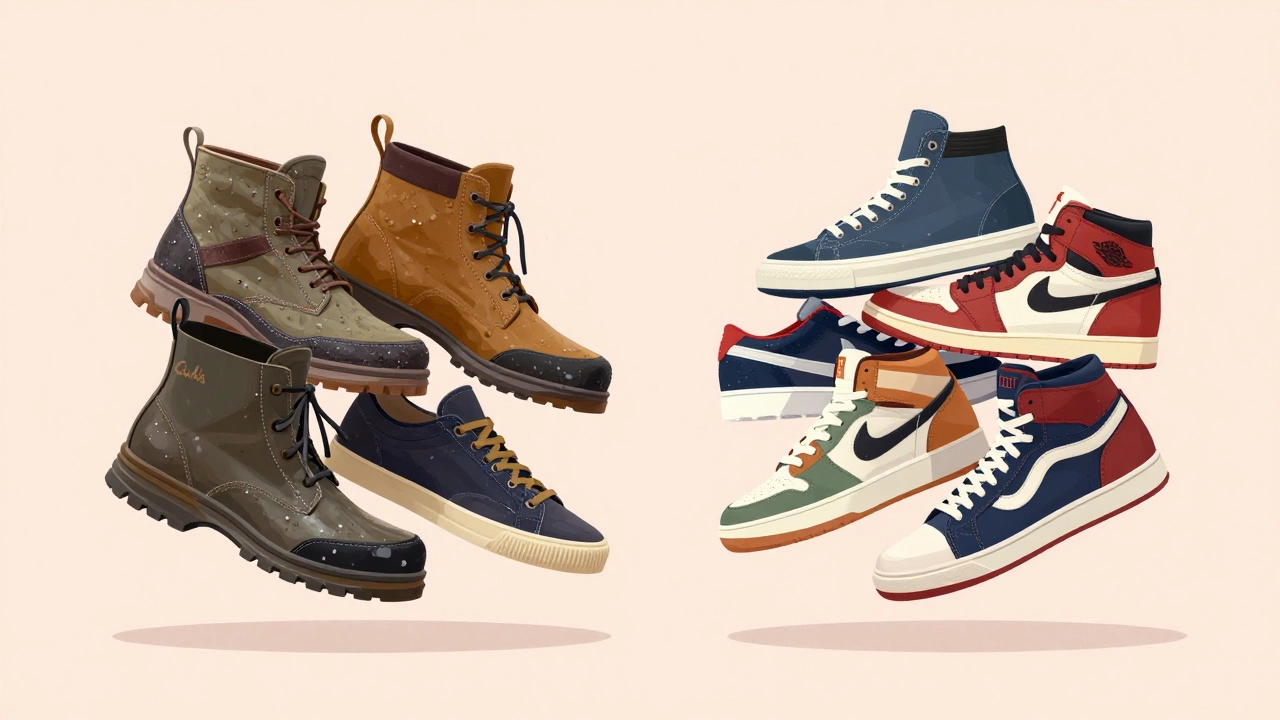
Consider the weather too. Ireland’s damp climate means we need durable, water-resistant options. Brands like Clarks and Gore-Tex-enabled trainers are popular because they handle rain better than some lightweight mesh sneakers favored in drier US states. This practical need reinforces the "training" or "working" connotation of the footwear.
Why Does It Matter?
You might wonder why this distinction matters. After all, everyone knows what you mean. But understanding these nuances helps in several ways. First, it improves communication when traveling or working internationally. If you’re managing a global team, knowing that your US colleague says "sneakers" and your Irish counterpart says "trainers" prevents awkward moments in meetings. Second, it enhances your shopping experience. Knowing the right terms helps you find exactly what you want on international sites. Finally, it enriches your appreciation of language. Words evolve based on culture, history, and environment. The fact that we say "trainers" tells a story about our connection to the UK and our practical approach to daily life.
Next time you lace up your favorite pair, think about what you call them. Are they trainers, sneakers, or kicks? Regardless of the name, they serve the same purpose: keeping you comfortable, supported, and ready for whatever the day brings. Whether you’re navigating the cobblestones of Kilkenny or the concrete sidewalks of Chicago, your footwear connects you to a global community, even if the labels differ.
Do Americans ever use the word trainers?
Rarely. In the US, "trainers" almost always refers to a person who trains others, like a personal trainer or dog trainer. Using it for shoes would cause significant confusion. However, some Americans exposed to British media or living near Canada might understand the reference.
What do Australians call trainers?
Australians often use "sneakers" similarly to Americans, but they also have unique slang like "rubbies" for casual shoes. Be careful with "thongs," which means flip-flops in Australia and New Zealand, not underwear as in the US.
Is there a difference between trainers and running shoes?
Technically, yes. Running shoes are designed specifically for forward motion and impact absorption during jogging. Trainers (or sneakers) are more versatile, supporting lateral movements for sports like tennis or basketball, as well as casual walking. However, in casual conversation, many people use the terms interchangeably.
Why do we say trainers in Ireland?
The term comes from "training shoes," reflecting their original purpose for physical exercise. Ireland’s linguistic ties to the UK mean we adopted this term rather than the American "sneakers." It emphasizes functionality and durability, fitting with our practical approach to footwear.
Can I buy sneakers in Irish shops?
Yes, but they will be labeled as trainers. Major retailers like JD Sports and Sports Direct use "trainers" in their categories. If you search for "sneakers" online on an Irish site, you’ll likely be redirected to the trainers section. The products are the same; only the name differs.
What is the most popular brand of trainers in Ireland?
Nike and Adidas are consistently the top brands in Ireland, followed by New Balance and Asics. Local brands like Clarks also hold strong popularity for more traditional or weather-resistant styles. Preferences vary by age group, with younger consumers favoring trendy sneakers and older demographics preferring comfort-focused trainers.