Irish Sportswear Suitability Checker
Not sure if your gear is ready for a run along the Grand Canal or a hike up Sugarloaf? Answer these questions to determine if your outfit qualifies as true sportswear for Irish conditions.
Your Outfit Details
Awaiting Input
Fill out the form to see how your gear performs in Irish weather.
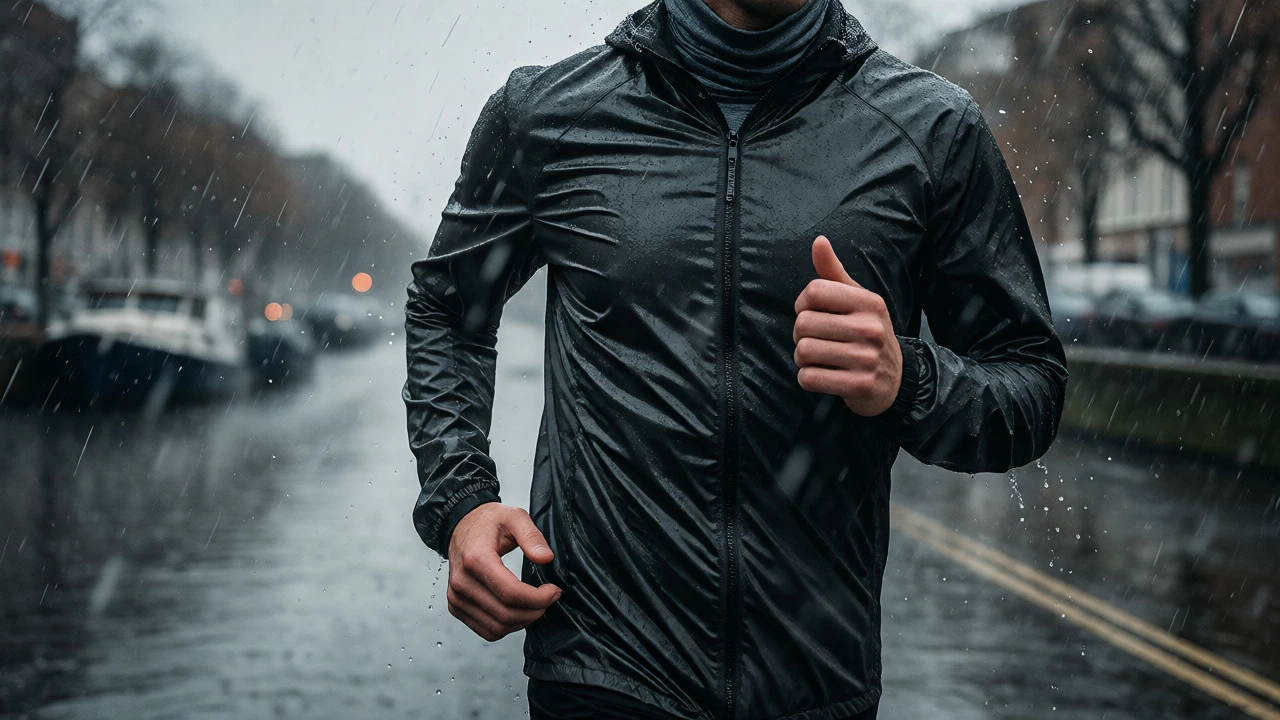
You might think sportswear is just what you wear to the gym. But if you’ve ever tried to jog along the Grand Canal in Dublin during a typical November drizzle, or hiked up Sugarloaf Mountain in Wicklow with the wind cutting through your layers, you know it’s much more than that. In Ireland, sportswear sits at the intersection of extreme weather resilience, cultural identity, and everyday comfort. It’s not just about looking good while doing squats; it’s about staying dry when the Atlantic decides to rain sideways.
The definition has shifted dramatically over the last decade. We moved from baggy cotton tracksuits to high-tech, moisture-wicking fabrics that look as good in a café on Camden Street as they do on a running track. This article breaks down exactly what makes clothing "sportswear" versus just "casual clothes," specifically for those of us navigating the unique demands of the Irish climate and lifestyle.
The Core Definition: Function Meets Fabric
At its simplest, sportswear is clothing designed for physical activity. But that’s too broad. A denim jacket isn’t sportswear, even if you wear it while walking. The defining characteristic is performance engineering. True sportswear manages body temperature, moves with you, and protects against the elements. In the Irish market, this means materials must handle two extremes: the damp chill of winter and the humid, sudden bursts of heat during summer training sessions.
Traditional cotton absorbs sweat and stays wet, leading to chills-a major issue here where humidity is constant. Modern sportswear uses synthetic blends (like polyester and elastane) or advanced natural fibers (like Merino wool) that wick moisture away from the skin. If your shirt sticks to your back after five minutes of exercise, it’s likely not true sportswear. It’s just casual wear.
The Irish Context: Why Weather Dictates Design
Living in Ireland changes how we define "active." We don’t have long, hot summers like Spain or California. Our active seasons are shorter, wetter, and colder. This geographical reality forces local brands and international giants alike to prioritize specific attributes:
- Water Resistance: Not necessarily waterproof (which can trap sweat), but highly water-repellent. A light shower shouldn’t soak you through.
- Layering Systems: Because temperatures fluctuate wildly, sportswear in Ireland is rarely a single outfit. It’s a system. Base layers, mid-layers, and outer shells are standard.
- Windproofing: Coastal towns like Galway or Cork experience strong winds. Fabrics need tight weaves to block wind chill without restricting movement.
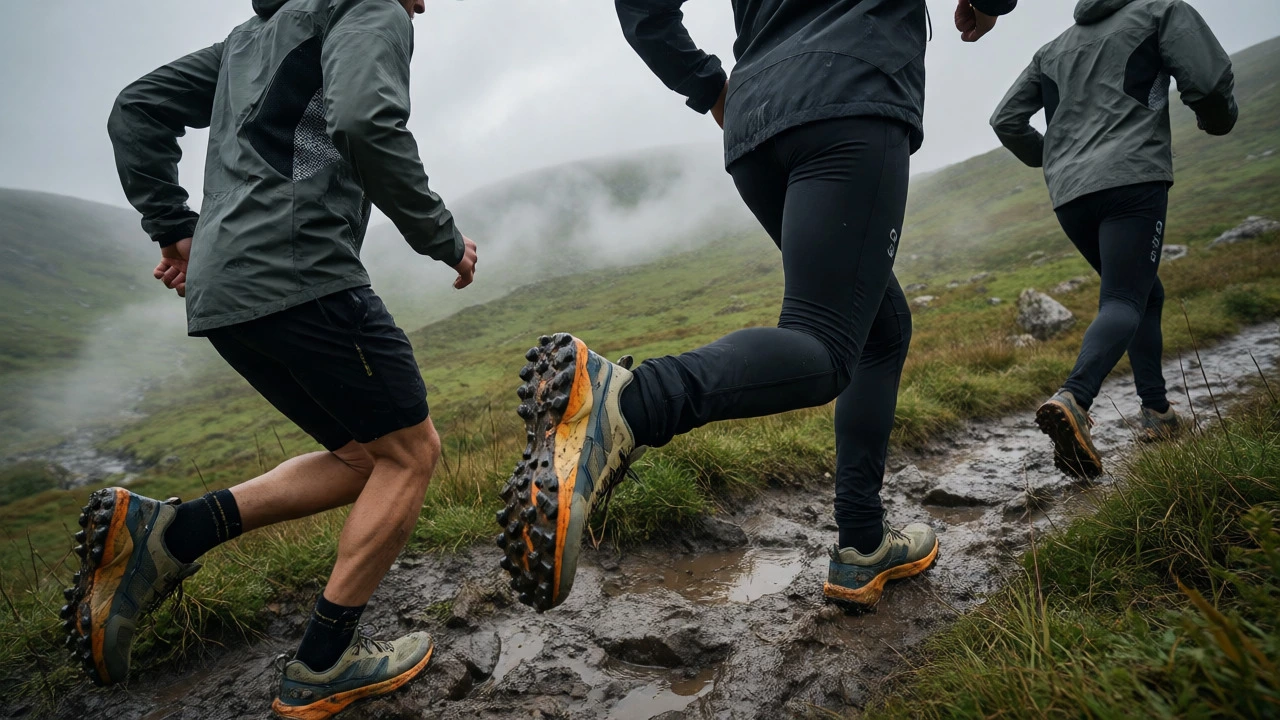
Consider the popularity of trail running gear in places like Killarney National Park. Runners there need shoes with aggressive grip for mud and rocks, plus jackets that breathe despite heavy rainfall. Generic "running gear" sold in southern Europe often fails here because it prioritizes breathability over weather protection. Irish sportswear definitions lean heavily into durability and weather-proofing.
Athleisure: Blurring the Lines
Here’s where things get tricky. Ten years ago, wearing leggings to buy groceries was a faux pas. Today, it’s the norm. This trend, known as athleisure, challenges the strict definition of sportswear. Is a pair of Lululemon Align leggings sportswear if you’re only using them to sit at a desk?
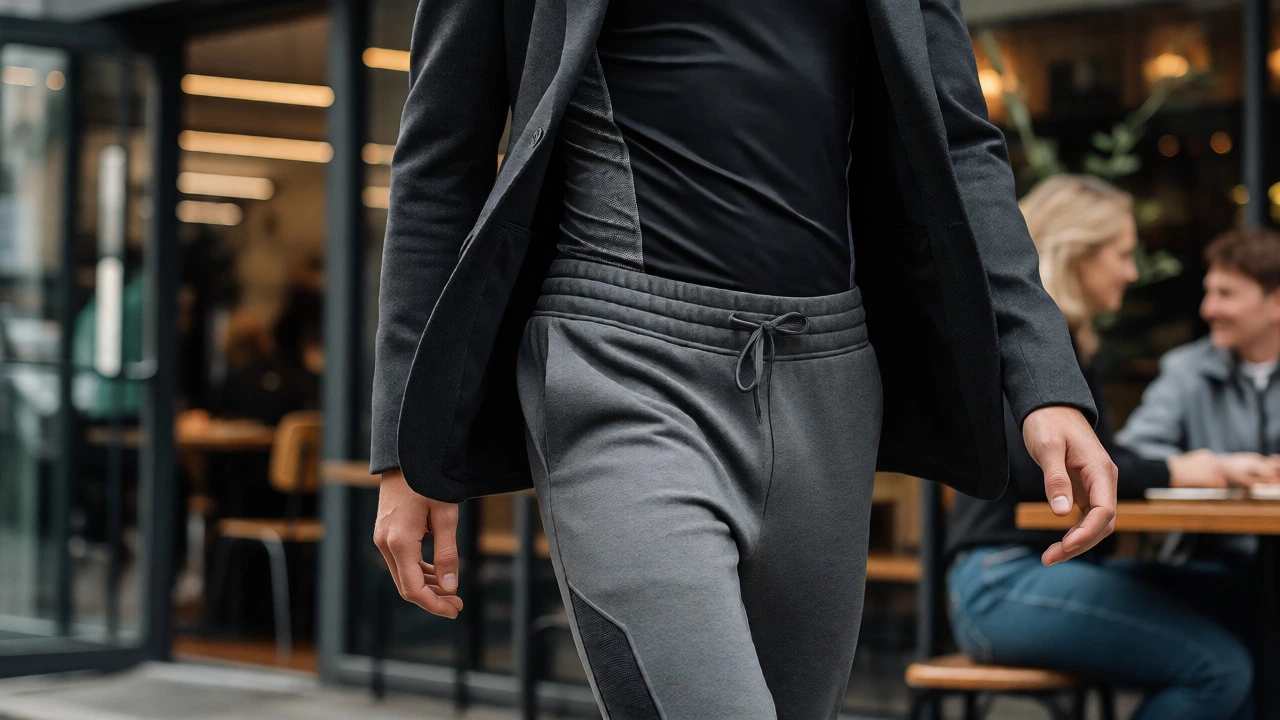
Technically, yes. They are engineered for movement, made from performance fabric, and designed for athletic use. However, their primary function in many cases has shifted to comfort and style. In cities like Dublin and Belfast, the line between gym wear and streetwear has vanished. You’ll see people wearing compression tops under blazers or joggers with loafers.
This shift impacts how we shop. When buying sportswear in Ireland now, consumers often look for versatility. Can I go straight from a Pilates class in Ballsbridge to a coffee meeting without changing? If the answer is no, it might not meet the modern Irish consumer’s expectations for multifunctional apparel.
Key Attributes That Define Modern Sportswear
To distinguish genuine sportswear from fashion-led imitations, look for these specific technical attributes. These aren’t just marketing buzzwords; they serve real physiological needs.
| Attribute | Traditional Sportswear | Modern High-Performance Sportswear |
|---|---|---|
| Fabric Material | Cotton, basic polyester | Nylon-spandex blends, Merino wool, recycled plastics |
| Moisture Management | Absorbs sweat (gets heavy) | Wicks sweat (dries quickly) |
| Fit & Cut | Loose, baggy | Ergonomic, four-way stretch, seamless |
| Durability | Low (fades, stretches out) | High (abrasion-resistant, shape-retention) |
| Weather Adaptation | Minimal | Thermal regulation, UV protection, water repellency |
Notice the shift toward sustainability. Many Irish shoppers now ask about recycled materials. Brands producing sportswear from ocean plastic or recycled bottles are gaining traction, aligning with Ireland’s growing environmental consciousness. If a garment claims to be "eco-friendly sportswear," check for certifications like GRS (Global Recycled Standard).
Cultural Identity and Local Brands
Sportswear in Ireland also carries cultural weight. Think of the iconic GAA (Gaelic Athletic Association) jerseys. While technically team kit, they function as sportswear for millions who play hurling, Gaelic football, or camogie. These garments are defined by community pride as much as functionality.
Local Irish brands have carved a niche by understanding this dual demand. Companies like Treadmore or smaller bespoke makers focus on fit issues common among Irish athletes-such as longer torsos or different leg proportions compared to Asian-sized global brands. Supporting local doesn’t just mean keeping money in the country; it means getting gear that actually fits the average Irish physique and withstands local conditions.
Moreover, the rise of outdoor activities like hillwalking and sea swimming has boosted demand for specialized sportswear. Sea swimming groups in areas like Sandymount Strand or Tramore require neoprene suits and quick-dry towels that differ significantly from standard gym gear. This specialization further refines the definition: sportswear must match the specific activity’s environment.
How to Spot Quality Sportswear in Ireland
With so many options flooding online stores, how do you ensure you’re buying real sportswear? Here’s a practical checklist for Irish shoppers:
- Check the Fabric Content: Avoid 100% cotton for intense workouts. Look for blends with at least 15-20% elastane for stretch, or technical synthetics for wicking.
- Test the Seams: Flatlock seams prevent chafing. If you feel rough stitching against your skin in-store, it will irritate you after ten minutes of running.
- Assess Opacity: Squat test it. Thin, cheap fabrics become transparent when stretched. Quality sportswear maintains opacity under tension.
- Look for Ventilation Zones: Mesh panels under arms or behind knees indicate thoughtful design for heat release.
- Verify Weather Claims: If it says "water-resistant," check the rating. For Irish rain, you want at least 5,000mm hydrostatic head for outer layers.
Don’t be fooled by branding alone. A logo doesn’t make something sportswear. Engineering does. Always prioritize fabric technology over brand prestige, especially when dealing with harsher weather conditions.
The Future of Sportswear: Tech Integration
The next frontier in defining sportswear is smart technology. We’re seeing jackets with built-in heating elements powered by small batteries, perfect for cold mornings in Connemara. Some leggings now include sensors that track muscle engagement via Bluetooth apps.
While still niche, this integration suggests that future sportswear won’t just react to your body-it will communicate with it. For Irish users, this could mean better safety features, like reflective tech integrated directly into fabric rather than added strips, enhancing visibility during dark winter runs.
Is yoga pants considered sportswear?
Yes, provided they are made from performance fabrics designed for flexibility and moisture management. However, if they are made from thick, non-breathable cotton intended solely for lounging, they fall closer to casual wear than functional sportswear.
Why is cotton bad for sportswear in Ireland?
Cotton absorbs sweat and retains moisture, which leads to rapid cooling in Ireland's windy and damp climate. This increases the risk of hypothermia or discomfort during outdoor activities. Synthetic or merino wool blends dry faster and maintain insulation even when wet.
Can I wear sportswear to work in Dublin?
It depends on the workplace culture. In creative industries or tech startups in Dublin, smart athleisure (like tailored joggers or high-quality polo shirts) is increasingly acceptable. In traditional corporate sectors like finance, stick to business attire unless it's a designated casual day.
What is the difference between sportswear and activewear?
The terms are often used interchangeably, but "sportswear" typically refers to clothing designed for specific sports (e.g., tennis skirts, cycling shorts). "Activewear" is broader, encompassing any clothing suitable for general physical activity or fitness classes, often emphasizing style and versatility alongside function.
Are expensive brands always better for Irish weather?
Not necessarily. Price doesn't guarantee suitability for Irish conditions. Some mid-range brands offer excellent water-repellent coatings and breathable membranes. Focus on technical specifications like DWR (Durable Water Repellent) treatments and fabric breathability ratings rather than brand name alone.