Sportswear Authenticity Checker
Confused by the label? Use this checker to see if your hoodie, joggers, or base layer is actually engineered for movement and Irish weather, or if it's just comfortable loungewear.
You walk into a shop in Grafton Street or scroll through an online store, and you see a hoodie. Is it sportswear? You see a pair of jeans with stretch. Are those athletic? The line between sportswear and everyday casual clothing has blurred so much that even the people selling it sometimes get confused. In Ireland, where we spend half our lives commuting on damp buses and the other half trying to stay dry while walking the dog, knowing what actually counts as sportswear saves you money and keeps you comfortable.
Sportswear isn’t just about looking like you’re ready to run a marathon. It’s defined by function, fabric technology, and fit designed for movement. If you’re buying gear for the gym, a hike in Wicklow, or a quick five-a-side match, understanding these distinctions helps you pick the right kit. This guide breaks down exactly what makes clothing "sportswear" and how to spot the real deal from the marketing hype, specifically tailored for our climate and lifestyle here in Ireland.
The core definition: Function over fashion
At its heart, sportswear is clothing engineered for physical activity. Unlike regular clothes, which are made to look good when you’re standing still, sportswear is built to perform when you’re moving fast, sweating, or dealing with wind and rain. The primary job of this category is to manage your body temperature and moisture while allowing full range of motion.
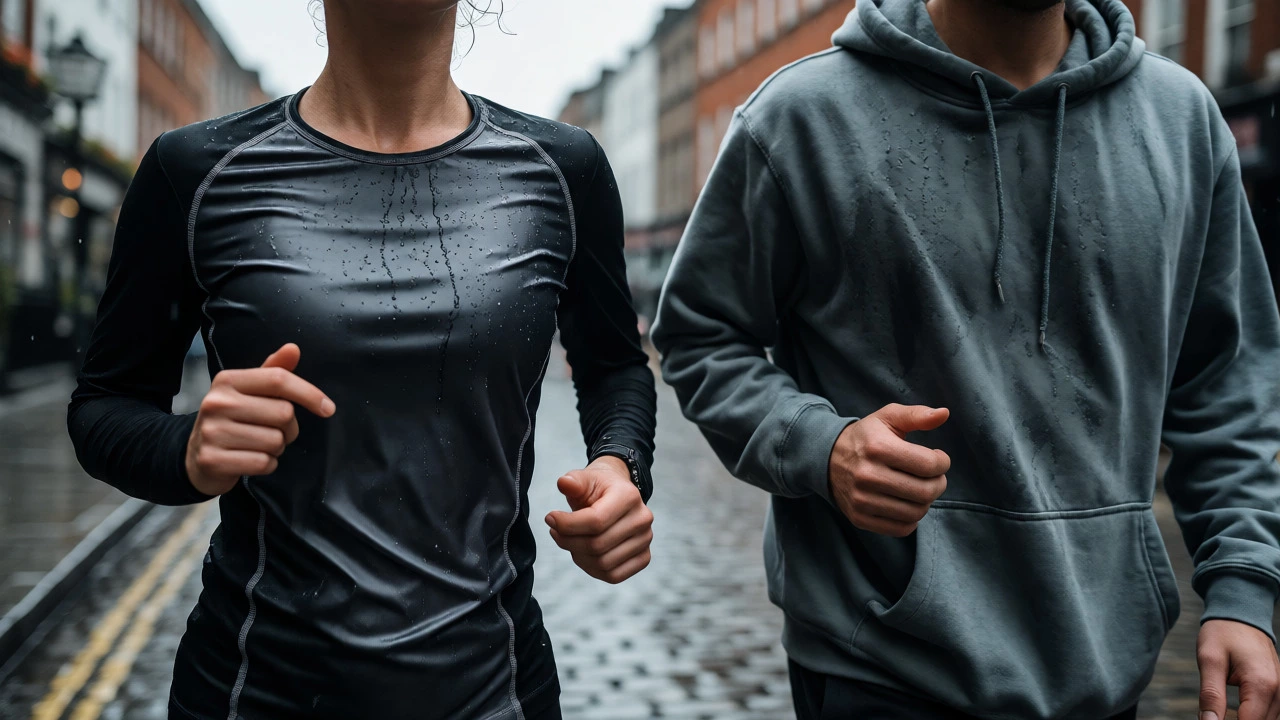
Think about a standard cotton t-shirt versus a polyester blend running top. The cotton absorbs sweat and stays wet, making you cold once you stop moving-something every Irish runner knows all too well after a session in Phoenix Park. Sportswear uses synthetic fibers or merino wool that wick moisture away from your skin to the outer layer of the fabric, where it evaporates quickly. This process, called wicking, is non-negotiable for anything labeled as true athletic wear.
If a garment doesn’t help you move better, breathe easier, or stay drier during exercise, it’s probably not sportswear-it’s just athleisure. And while athleisure is great for grabbing a coffee in Dublin city centre, it won’t cut it if you’re planning to climb Croagh Patrick.
Fabric technology: What’s actually inside the thread?
The material is the biggest differentiator. Traditional sportswear relied heavily on natural fibers, but modern technical fabrics have changed the game. When you check the label, you’re looking for specific properties:
- Moisture-wicking synthetics: Materials like polyester and nylon are hydrophobic, meaning they repel water. They pull sweat off your skin via capillary action. Brands like Nike (Dri-FIT) and Adidas (Climacool) use proprietary blends to enhance this.
- Elastane/Spandex content: Look for 5-10% elastane in leggings or shorts. This provides the four-way stretch needed for squats, lunges, or cycling without the fabric restricting blood flow or tearing.
- Merino Wool: A favorite among Irish hikers. Unlike cotton, merino retains insulation even when wet and resists odor naturally. It’s ideal for base layers in our unpredictable weather.
- Breathability ratings: High-quality outdoor gear often lists CFM (cubic feet per minute) values. Higher numbers mean more air flow, crucial for high-intensity workouts indoors.
In Ireland, you’ll often see hybrid fabrics marketed as "all-season." These usually combine a windproof membrane (like Gore-Tex Infinium) with a breathable inner lining. This is essential for coastal runs along the Cliffs of Moher or cycling around Galway Bay, where wind chill can drop temperatures significantly faster than the thermometer suggests.
Fit and construction: Why seams matter
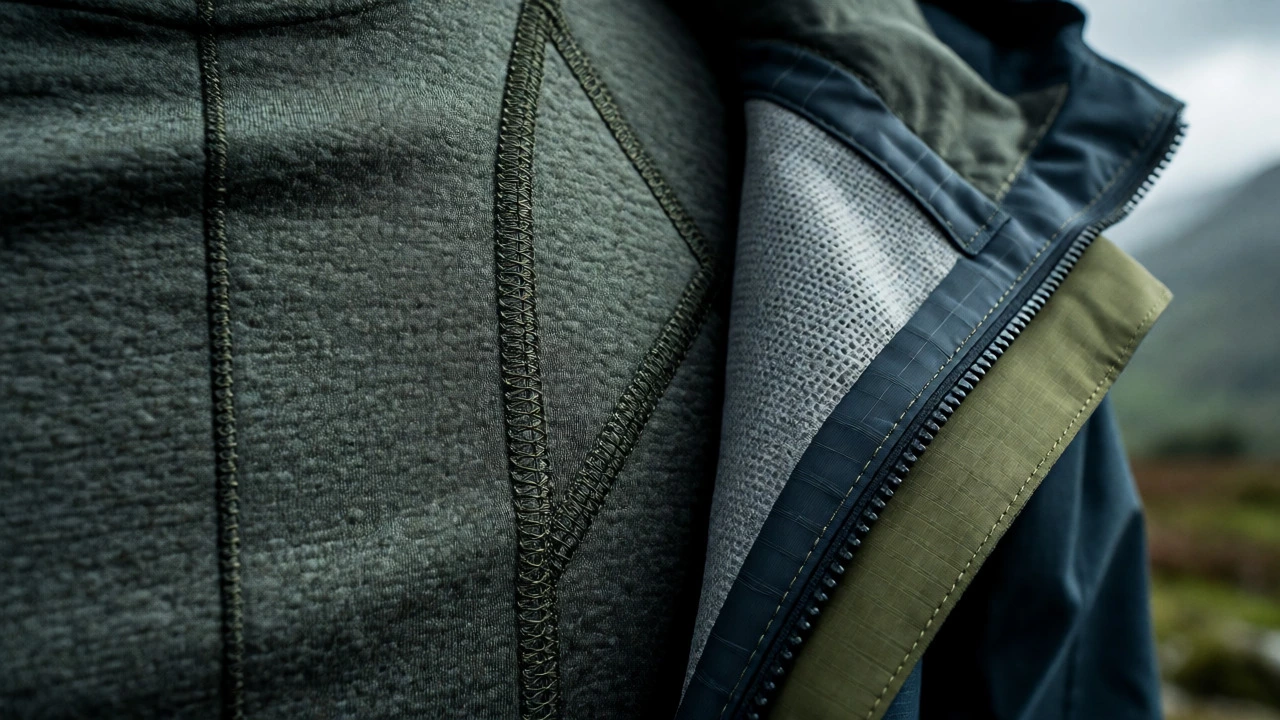
Have you ever felt a rash forming under your arms after a long walk? That’s chafing, and it’s a classic sign of poor sportswear construction. Regular clothes use flat seams for aesthetics; sportswear uses flatlock stitching. This technique joins two pieces of fabric with a zigzag stitch that lies flat against the skin, reducing friction points.
Fit is another critical component. Sportswear fits differently depending on the activity:
| Fit Type | Purpose | Best For |
|---|---|---|
| Compression | Supports muscles, improves circulation, reduces vibration. | Running, cycling, recovery after injury. |
| Athletic Cut | Tapered waist, wider shoulders/chest. Allows freedom without excess fabric flapping. | Gym training, team sports like GAA or soccer. |
| Relaxed/Loose | Maximum airflow, no restriction on joints. | Yoga, pilates, casual hiking. |
| Base Layer | Snug fit to trap heat and wick sweat directly from skin. | Cold weather running, skiing in the Alps or local hills. |
Notice how compression gear is tight. It’s not just for looks; it physically supports muscle groups to reduce fatigue. If you’re doing heavy lifting, however, compression might feel restrictive. You’d opt for an athletic cut instead. Choosing the wrong fit can hinder performance just as much as wearing the wrong fabric.
Activity-specific categories: Not one-size-fits-all
Sportswear is segmented by intensity and environment. Buying a general-purpose "gym shirt" for trail running in Killarney National Park might lead to disappointment because it lacks abrasion resistance.
High-Impact Activities
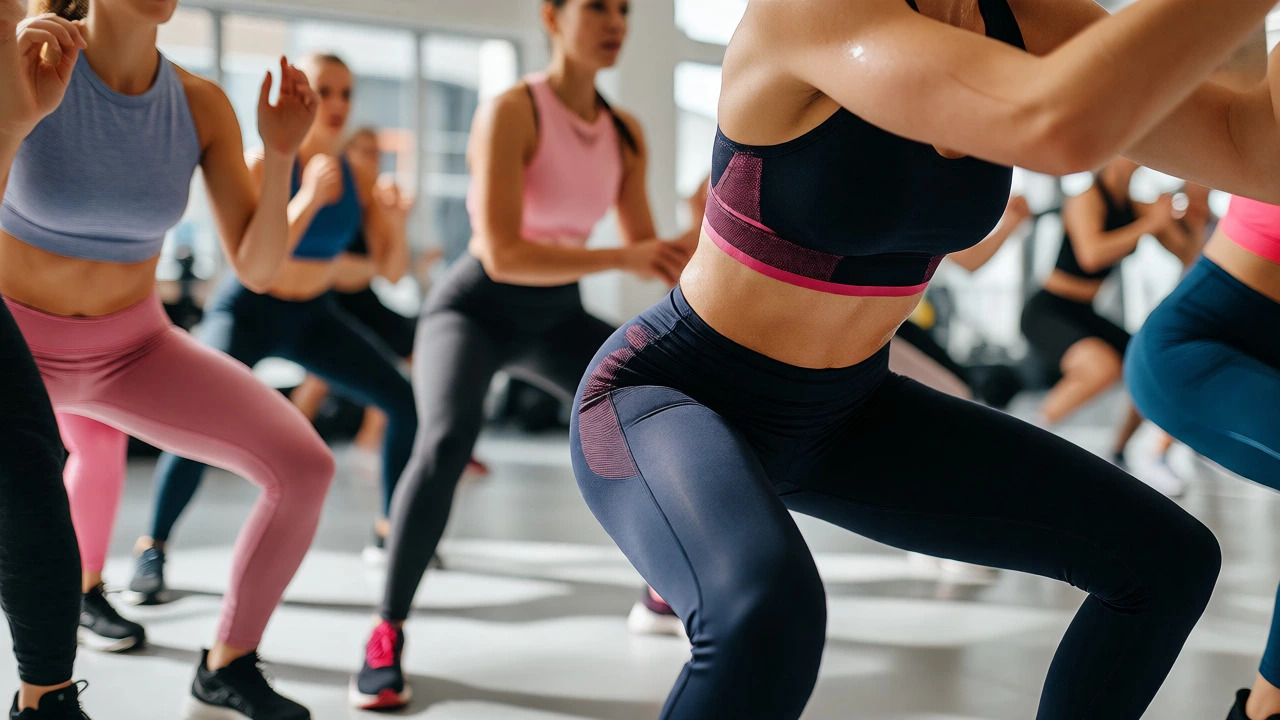
Running and basketball involve lots of bouncing and impact. Here, support is key. Women’s sports bras need high encapsulation support to prevent tissue damage. Men’s shorts need secure pockets and anti-chafe liners. Footwear becomes part of the equation here-running shoes with adequate cushioning (measured in millimeters of stack height) are essential to protect knees and ankles on hard surfaces like pavement in Cork or Limerick.
Low-Impact & Flexibility
Yoga and Pilates require fabrics with high elasticity and softness. Cotton blends work here because sweat levels are lower. However, in a heated studio, moisture management still matters. Look for bamboo viscose or modal blends, which are softer than polyester and handle humidity well.
Outdoor & Endurance
This is where Irish conditions really dictate choices. Hiking and trekking demand durability and weather protection. Softshell jackets offer stretch and water resistance, while hardshells provide waterproofing. Base layers should be thin enough to layer under mid-layers without bulk. Remember the three-layer system: base (wicking), mid (insulating), and shell (protecting). This modular approach lets you adjust to sudden rain showers common in Western Ireland.
Athleisure vs. True Sportswear: The grey area
We’ve all worn joggers to work. Athleisure is a massive trend, blending comfort with style. But strictly speaking, athleisure is not sportswear unless it meets the technical criteria mentioned above. Many "athletic" hoodies sold in fashion stores are just thick cotton fleece. They absorb sweat, get heavy, and take hours to dry.
To distinguish them, ask yourself: Can I run 5k in this? If the answer is no because you’ll be soaked and shivering, it’s athleisure. If yes, it’s sportswear. In Dublin, where office culture is increasingly casual, many professionals wear premium athleisure brands like Lululemon or Alo Yoga. While these companies make genuine technical gear, their lifestyle lines often prioritize aesthetics over extreme performance. Always check the tag for fiber content.
Buying tips for the Irish market
Shopping for sportswear in Ireland comes with specific challenges. Our weather is variable, and sizing can vary wildly between European and US brands. Here’s how to navigate it:
- Layering is king: Don’t buy one heavy jacket. Buy a lightweight windbreaker and a thermal base layer. You can adapt to 5°C or 15°C easily.
- Check return policies: Online retailers like ASOS or BoohooMAN often have different sizing standards than specialist stores like Sports Direct or Decathlon. Try things on in-store if possible.
- Local brands: Consider Irish brands like O’Neills for traditional Gaelic games gear, which is designed specifically for high-contact, high-sweat team sports. Their jerseys are lighter and more breathable than generic football shirts.
- Sustainability: Recycled polyester (rPET) is becoming common. It performs similarly to virgin polyester but has a lower carbon footprint. Given Ireland’s push towards green initiatives, this is a growing factor for conscious buyers.
Also, consider the season. Summer sportswear in Ireland needs UV protection and ventilation. Winter gear needs thermal retention without overheating during exertion. A common mistake is overdressing for winter runs. You should feel slightly cool when you start; you’ll warm up within ten minutes.
Maintenance: Keeping your gear working
Sportswear requires different care than regular clothes. Fabric softeners clog the pores of technical fabrics, ruining their wicking ability. Wash your gym clothes at 30°C with mild detergent. Avoid tumble drying synthetic materials as high heat degrades elastane, causing bagging over time.
For merino wool, hand wash or use a wool cycle. Never wring it out aggressively. Proper maintenance extends the life of your investment, which is crucial given the rising cost of living. A €60 pair of running tights can last years if cared for correctly, whereas cheap alternatives might lose shape after three washes.
Is yoga pants considered sportswear?
Yes, if they are made from technical fabrics with stretch and moisture-wicking properties. However, simple cotton leggings are generally classified as loungewear or athleisure rather than performance sportswear, as they lack the functional benefits required for intense physical activity.
Can I wear sportswear for everyday activities in Ireland?
Absolutely. The trend of athleisure has made sportswear acceptable for casual outings, shopping, and even some workplaces. Just ensure the item looks intentional and clean. Premium technical fabrics often look sleeker and more structured than basic cotton gym wear, making them suitable for urban environments.
What is the difference between sportswear and activewear?
The terms are often used interchangeably, but technically, sportswear refers to clothing designed for specific sports (e.g., tennis skirts, cycling shorts), while activewear is a broader term for clothing suitable for any form of physical activity, including general fitness and leisure. All sportswear is activewear, but not all activewear is specialized sportswear.
Why does my cotton t-shirt feel cold after exercising?
Cotton is hygroscopic, meaning it absorbs moisture and holds onto it. Once saturated, it loses its insulating properties and conducts heat away from your body rapidly due to evaporation. Synthetic sportswear wicks moisture away, keeping you drier and warmer.
Do expensive brands always mean better sportswear?
Not necessarily. While premium brands often invest in R&D for proprietary fabrics, many mid-range retailers offer excellent technical gear using similar materials (like standard polyester or nylon). Focus on the fabric composition and construction quality rather than just the logo.