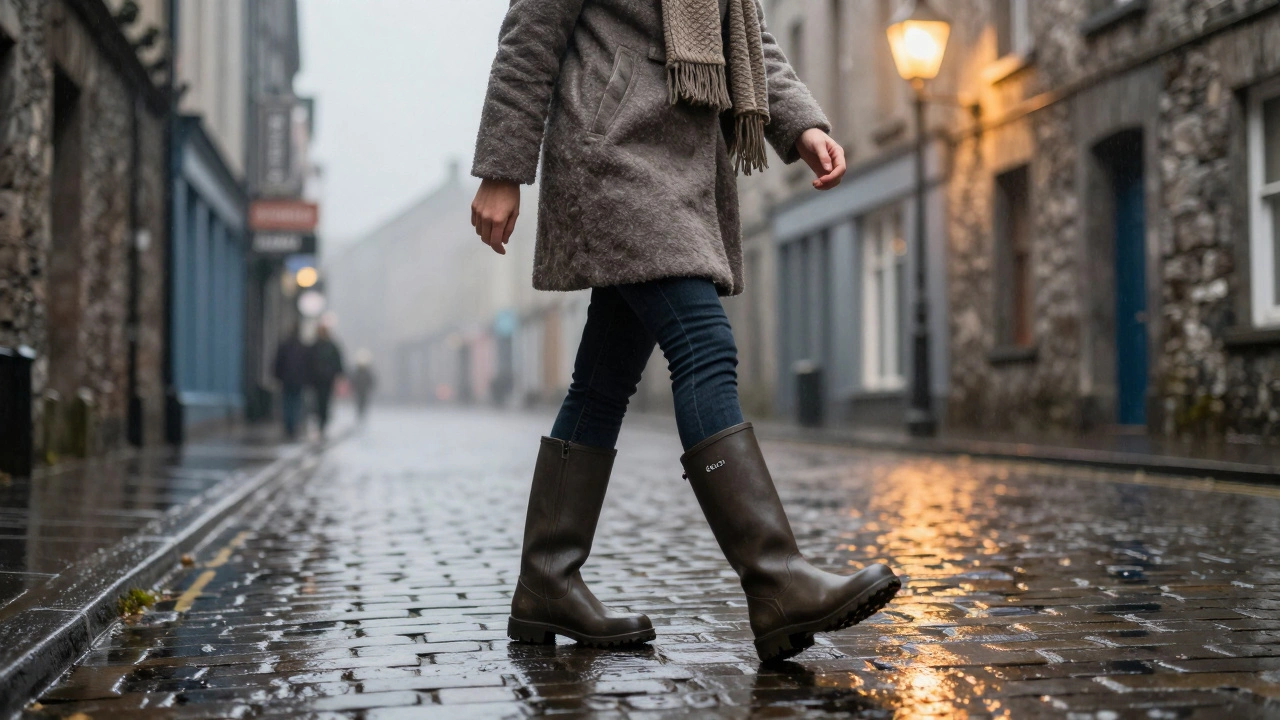
When you live in Ireland, your shoes don’t just walk you to the shop-they fight rain, mud, uneven cobblestones, and sudden downpours that turn Dublin sidewalks into rivers. For Irish women, choosing the right boot isn’t about fashion trends-it’s about survival. And when it comes to foot health, the brand you pick can mean the difference between a pain-free winter and months of aching arches, plantar fasciitis, or knee strain from poor support.
Why Foot Health Matters More in Ireland
Ireland’s climate isn’t just damp-it’s relentless. The average Dublin resident experiences rain on over 200 days a year. Combine that with ancient stone paths in Galway, slippery wet grass in the Wicklow Mountains, and the occasional icy patch near Cork’s riverbanks, and you’ve got a terrain that demands more than waterproofing. Your feet absorb every impact, every tilt, every unexpected step. Poorly designed shoes force your body to compensate, leading to long-term issues like bunions, shin splints, or even lower back pain.
Studies from the Irish Podiatry Association show that over 60% of women in Ireland over 35 report foot discomfort linked to footwear. Yet, many still reach for lightweight, flat boots because they’re easy to slip on-or because they look good in a photo taken outside the DART station. The truth? Your feet need structure, cushioning, and stability-not just style.
What Makes a Shoe ‘Healthy’? (The Irish Checklist)
Not all ‘supportive’ boots are created equal. For Irish conditions, look for these five non-negotiable features:
- Arch support-Flat soles may feel comfy at first, but they collapse under pressure. Look for a subtle but defined arch ridge that matches your foot shape.
- Shock absorption-Concrete sidewalks in Limerick and Belfast are unforgiving. A midsole made from EVA foam or rubber compounds helps absorb impact.
- Wide toe box-Squeezing toes into narrow points causes bunions. Your toes need room to spread, especially after hours on wet ground.
- Non-slip outsole-Grippy rubber with deep treads matters more than leather polish. Think of the slick stones at the Cliffs of Moher or the puddles outside Trinity College.
- Waterproof but breathable-Gore-Tex or similar membranes keep water out without trapping sweat. No one wants soggy socks after a walk in Killarney.
Top Brands That Actually Work for Irish Women
Let’s cut through the marketing. These are the brands Irish podiatrists and physiotherapists actually recommend-and why.
1. Clarks
Clarks has been a staple in Irish households since the 1980s, and for good reason. Their Arch Fit range is designed with input from UK and Irish foot health experts. The cushioned footbeds, flexible soles, and wide fit options make them ideal for women who walk the DART line daily or hike the Burren. Many Irish pharmacies stock Clarks, and they’re often on sale at Dunnes Stores during seasonal clearances.
2. Birkenstock
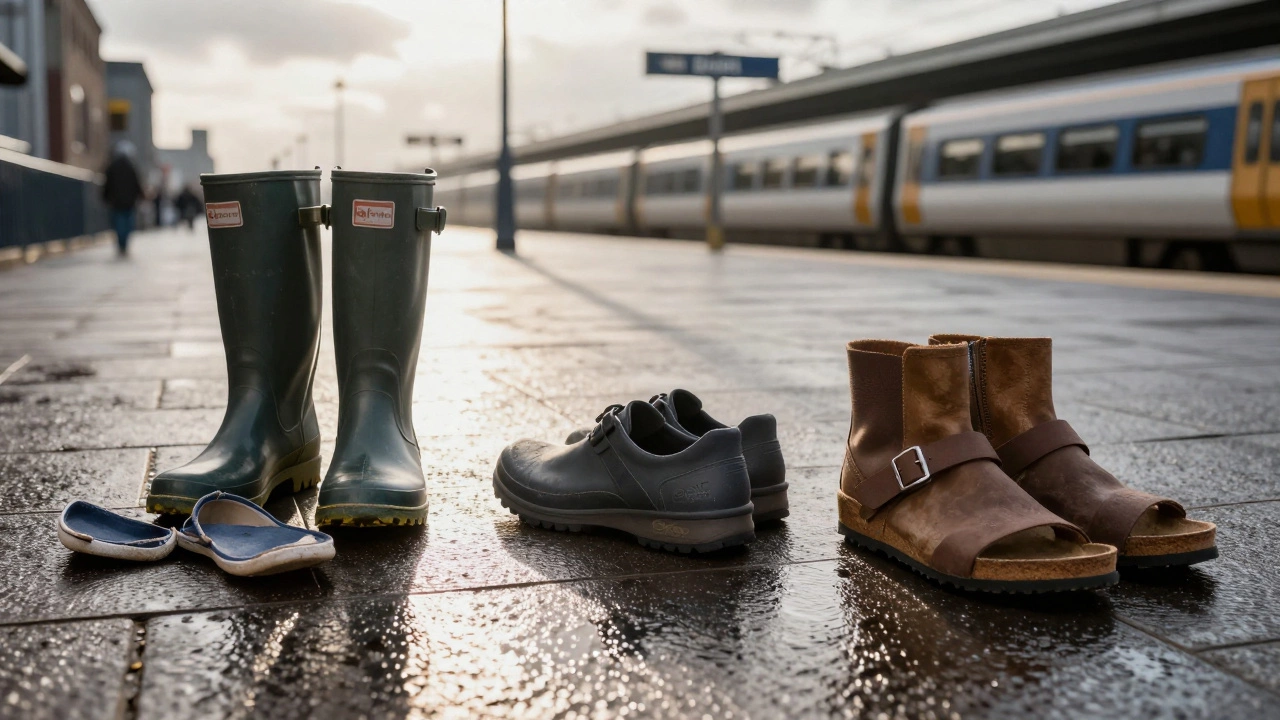
Yes, the cork sandals. But their Arizona and Boston boots-with their contoured footbeds and adjustable straps-are surprisingly popular among Irish women who work outdoors or commute on foot. The footbed molds to your foot over time, offering personalized support. They’re not waterproof, so they’re best for dry days or indoor use. But if you’re walking through Temple Bar on a sunny afternoon, they’re a game-changer.
3. Ecco
From Denmark, but worn by Irish farmers, teachers, and nurses alike. Ecco’s Soft 7 and Yara boots use direct-injected soles that absorb shock better than most stitched alternatives. They’re lightweight, breathable, and come in wide widths. You’ll find them in Brown Thomas and smaller independent stores in Galway and Limerick. Many users report reduced heel pain after switching from cheaper brands.
4. O’Neill
Irish-made, Irish-tested. O’Neill’s Waterproof Walking Boot was designed by a Cork-based podiatrist for women who walk the Wild Atlantic Way. It features a grippy Vibram sole, a reinforced heel counter, and a moisture-wicking liner. It’s not cheap-€180-but it lasts 3-4 years in Irish conditions. Local outdoor shops like Mountain Equipment in Dublin and Outdoor Gear Ireland in Ennis stock them.
5. Geox
Geox’s patented Breath System lets moisture escape while keeping water out. Their Urban and Trail lines are perfect for city dwellers who need to switch from office to rain-soaked street in minutes. They’re lighter than Ecco and have a sleeker profile, making them a favorite among women in Cork and Waterford who want health without sacrificing style.

What to Avoid (Even If It’s on Sale)
Some brands are popular because they’re cheap or trendy-not because they’re good for your feet. Avoid:
- Flat rubber boots with no arch support (looking at you, cheap Wellingtons from B&Q)
- Slip-on boots with no heel counter-they cause ankle instability
- High heels disguised as ‘fashion boots’-they’re fine for one night out, not daily use
- Boots labeled ‘water-resistant’ instead of ‘waterproof’-they’ll soak through in 20 minutes of Irish drizzle
One woman from Limerick told her physio she wore a pair of €30 boots for 18 months. By the end, she had plantar fasciitis. She replaced them with an Ecco pair-and within six weeks, her pain was gone.
Where to Buy in Ireland (And How to Get the Best Fit)
Don’t buy boots online without trying them on first. Irish feet come in all shapes-and most brands don’t account for the wider forefoot common in Celtic populations. Here’s where to go:
- Dunnes Stores - Best for Clarks and affordable options. Ask for the Arch Fit range.
- Brown Thomas - Carries Ecco, Geox, and Birkenstock. Staff are trained on foot health.
- Independent shoe fitters - Try Foot Solutions in Dublin’s South William Street or The Foot Clinic in Galway. They offer gait analysis for €20 (often deducted from purchase).
- Outdoor shops - Mountain Equipment (Dublin, Cork, Belfast) and Trail & Tap in Killarney carry O’Neill and similar rugged boots.
Try boots on late in the day-feet swell. Wear the same socks you’d wear walking in the rain. Walk around the store. If your heel slips, they’re too big. If your toes hit the front, they’re too short.
Foot Care Beyond the Boots
Even the best boot won’t fix bad habits. In Ireland, where walking is part of daily life, pair your footwear with:
- Stretching your calves daily-especially after long walks
- Using a foam roller on your feet before bed
- Rotating between two pairs of shoes-letting each dry out fully between uses
- Seeing a podiatrist if pain lasts more than two weeks
The Irish Health Service Executive (HSE) offers foot health screenings at local clinics for those over 50 or with diabetes. Don’t wait until you’re limping.
Final Thought: Your Feet Carry You Through Ireland
From the foggy lanes of Doolin to the bustling streets of Belfast, your feet are your most trusted companions. Choosing the healthiest shoe isn’t about spending the most-it’s about spending wisely. Invest in a pair that supports your body, protects you from the weather, and lets you walk without pain. Because in Ireland, the best views aren’t just seen from a car window-they’re earned with every step you take on wet ground, stone paths, and muddy trails.
Are expensive boots worth it for Irish weather?
Yes-if they’re built for durability and foot support. A €200 boot that lasts four years costs less per wear than a €50 pair that falls apart in six months. Brands like Ecco, O’Neill, and Clarks offer long-term value with repairable soles and quality materials that handle Irish rain and cold.
Can I wear trainers instead of boots in Ireland?
Only if they’re waterproof, have arch support, and a grippy sole. Most standard trainers aren’t designed for constant wet conditions. Look for models like the Merrell Moab Waterproof or Salomon X Ultra 4 GTX. But for deep mud, rain, or uneven terrain, a proper boot is still the safer choice.
Do Irish women have wider feet than other Europeans?
Studies from University College Cork show that Irish women tend to have slightly wider forefeet and lower arches compared to Southern European populations. This is why many standard European brands don’t fit well. Look for brands offering wide or extra-wide options-Clarks, Ecco, and O’Neill all do.
Is there a government program to help with healthy footwear in Ireland?
The HSE provides free foot screenings for those over 50, diabetics, or those with mobility issues. Some community health centers offer vouchers for orthopedic footwear through the Medical Card scheme. Ask your GP or local public health nurse.
What’s the best time of year to buy boots in Ireland?
Late January and early September are the best times. After Christmas sales, stores clear winter stock. In September, retailers prepare for autumn/winter and offer early discounts. Avoid buying in October-demand spikes, and prices rise.