Irish Summer Dress Selector
Current Conditions
Quick Scenarios
Select Your Conditions
Adjust the temperature and choose your occasion to get personalized dress recommendations for Ireland's climate.
Always keep a light jacket handy. Irish weather can change quickly!
It’s July in Ireland. You might be expecting a heatwave that melts the tarmac, but more likely, you’re dealing with that classic mix of bright sunshine and a brisk Atlantic breeze. You want to look fresh, feel comfortable, and not freeze when you step out for a pint at The Cobblestone or wander through the gardens of Powerscourt. So, what are those breezy, light garments actually called? If you’ve been scrolling through shops like Brown Thomas or browsing online retailers, you’ve probably seen terms like "sundress," "shift dress," or "maxi." But do you know which one will survive an Irish summer?
We often think of summer fashion as a monolith, but the names matter. They tell you about the fabric, the fit, and how it handles our unpredictable weather. Knowing the difference between a **sundress** and a **shirt dress** can save you from buying something that looks great in a studio photo but is useless on a damp day in Galway. Let’s break down the specific types of summer dresses you need to know, tailored to the reality of living and traveling here.
The Sundress: The Unofficial Uniform
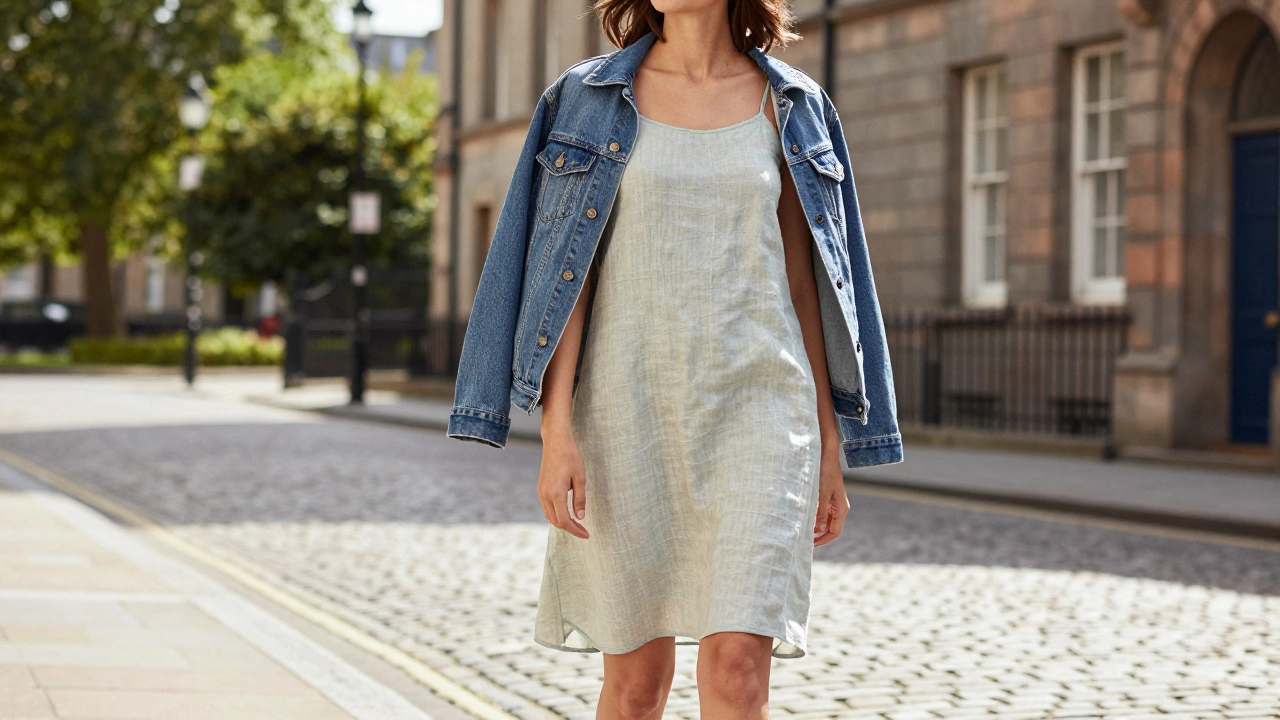
If there is one garment that defines warm-weather dressing in Ireland, it’s the sundress. It is a lightweight, usually sleeveless dress designed for sunny weather, typically made from cotton, linen, or rayon. In Dublin, you’ll see these everywhere from the streets of Temple Bar to the beaches of Dalkey. The key feature is simplicity. Most sundresses have thin straps, a fitted bodice, and a flared skirt. They are meant to be airy.
Why does this work for us? Because we layer. An Irish summer day can swing from 18°C in the morning to 12°C by evening. A sundress is perfect because it acts as a base layer. Throw on a denim jacket, a cardigan, or even a trench coat (yes, really), and you’re set. Look for natural fibers like linen or cotton blends. Synthetic fabrics trap heat and sweat, which is no fun when you’re walking up Merrion Square Park on a humid afternoon. Brands like O’Neill’s and local boutiques in Grafton Street often stock simple linen sundresses that hold up well against our changeable climate.
The Shift Dress: Effortless and Practical
Another common name you’ll encounter is the shift dress. It is a straight-cut dress that hangs loosely from the shoulders without a defined waistline. Think of it as the boxy cousin of the sundress. It doesn’t cling to your body; it just falls. This style was huge in the 1960s and has made a comeback because it’s incredibly forgiving and comfortable.
In Ireland, where comfort often trumps high drama, the shift dress is a favorite for casual Fridays at work or weekend trips to the coast. It’s easy to move in, which is helpful if you’re hiking the Cliffs of Moher or navigating crowded pubs during the Three Rock Music Festival. Because it doesn’t rely on a tight waistband, it pairs well with belts if you want to add some shape, or left loose for a relaxed vibe. Cotton poplin is a great fabric choice here-it’s sturdy enough to withstand a sudden shower but breathable enough for a sunny lunch.
The Wrap Dress: Adjustable for Any Body
If you want versatility, look for the wrap dress. It is a dress that wraps around the body and ties at the waist, creating a V-neckline and adjustable fit. Designed by Diane von Furstenberg decades ago, this style remains a staple because it adapts to your body. You can tie it tighter or looser depending on how much you’ve eaten at that seafood chowder place in Kinsale.
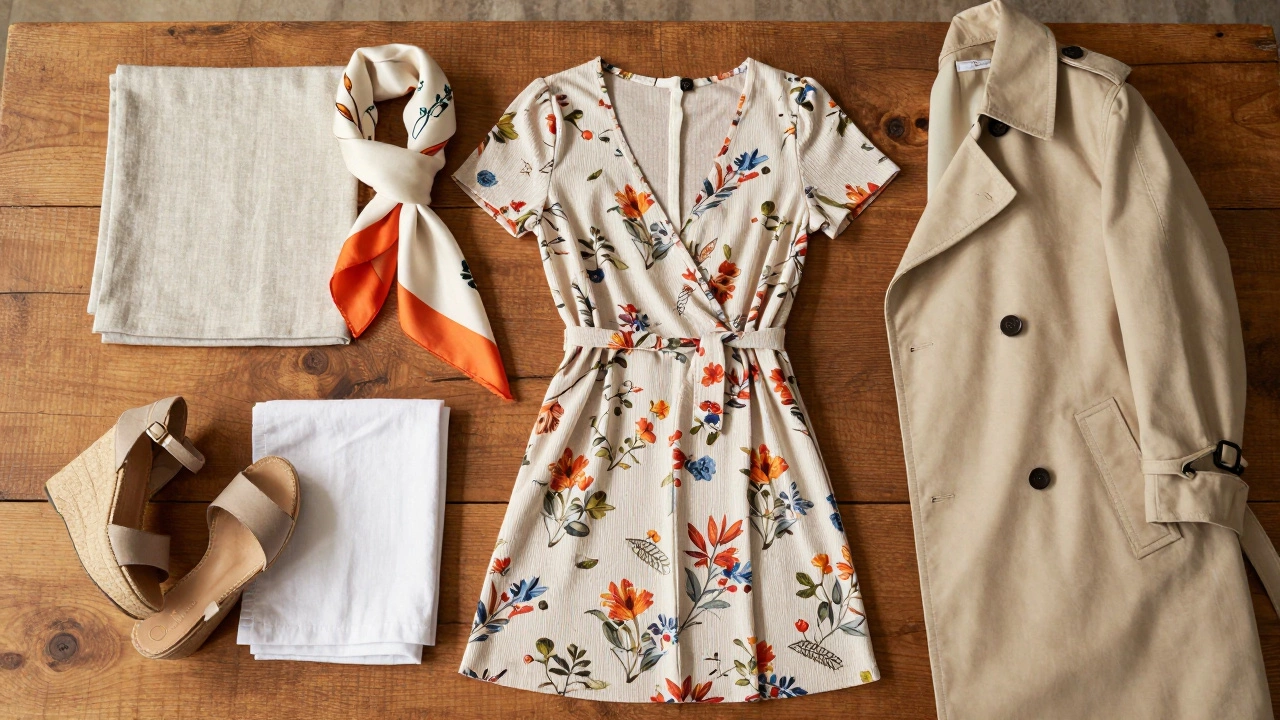
The wrap dress is particularly smart for the Irish market because it bridges the gap between casual and semi-formal. You can wear a floral print wrap dress to a garden party in Phoenix Park, then swap the sandals for boots and add a blazer for a dinner date in Smithfield. The V-neckline also allows for easy layering with a scarf or a camisole underneath if the wind picks up off the Liffey. Jersey knits are popular for this style, offering stretch and warmth without bulk.
The Shirt Dress: Smart Casual Done Right
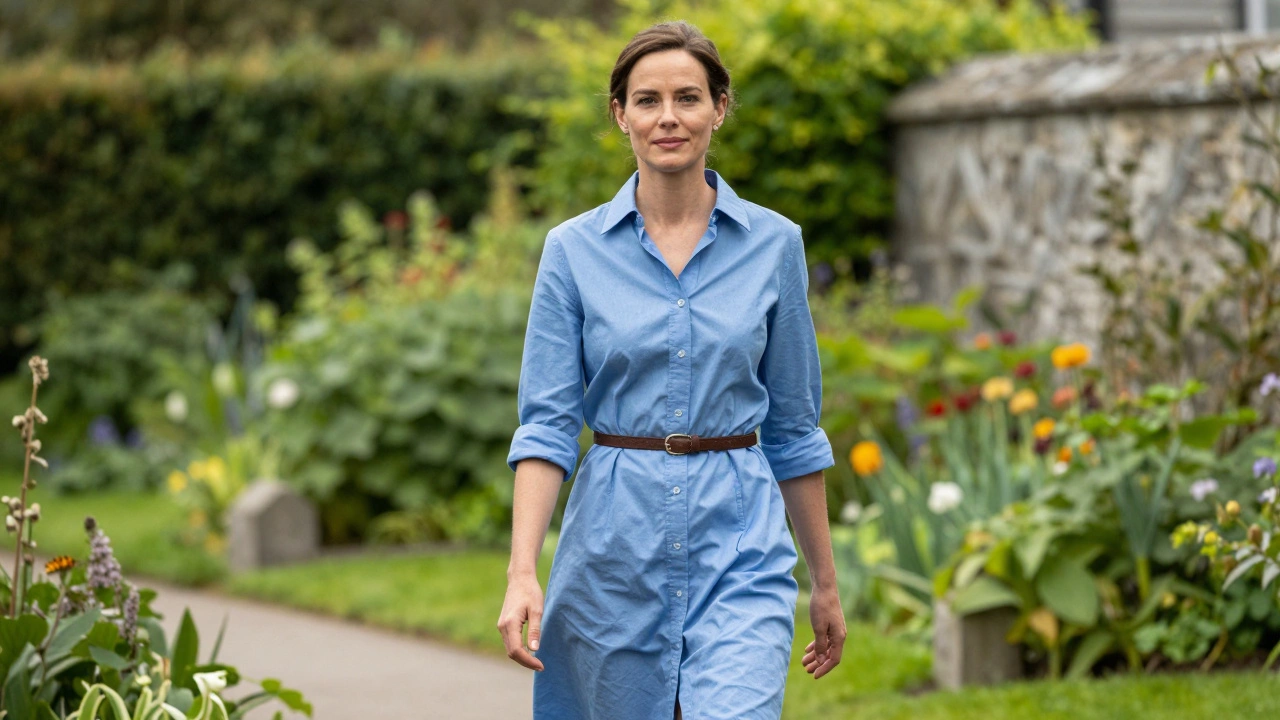
For those days when the sun isn’t quite shining, or you’re heading into an office in Ballsbridge, the shirt dress. It is a dress styled like a button-down shirt, featuring a collar, front buttons, and often long sleeves. This is arguably the most practical summer dress for Ireland. Why? Because it has sleeves. Long sleeves protect your arms from the chill, and the structured fabric-usually cotton or chambray-looks polished even if you haven’t had time to iron it.
The shirt dress is a chameleon. Wear it open over a tank top for a layered look, or buttoned up with a belt for a defined silhouette. It’s a favorite among professionals in Dublin who need to transition from client meetings to after-work drinks without changing clothes. Brands like Marks & Spencer and Penneys offer affordable options, while higher-end stores like Brown Thomas carry designer versions in premium linens. The key is to choose a breathable fabric; heavy wools are for winter, so stick to light cottons or blends.
The Maxi Dress: For the Warmest Days
When the temperature finally hits 20°C or higher, you might reach for a maxi dress. It is a long dress that reaches the ankles or floor, often flowing and loose-fitting. Maxies are dramatic and elegant, perfect for weddings in country houses like Ashford Castle or festivals like Electric Picnic. They cover more skin, which can be useful if you’re worried about sunburn or bugs in the countryside.
However, be cautious with maxies in Ireland. If they’re too heavy, they’ll drag in the rain and become soggy. Opt for lighter materials like chiffon or georgette that dry quickly. Also, consider the footwear. Maxi dresses look best with wedges or sandals, but if you’re planning to walk on cobblestones or grassy fields, ensure the hem isn’t so long that you trip. A mid-calf length, sometimes called a midi dress, can be a safer bet for uneven terrain.
Fabric Matters: Linen vs. Cotton
No discussion of summer dresses in Ireland is complete without talking about fabric. The two kings are linen and cotton. Linen is a natural fiber made from the flax plant, known for its breathability and moisture-wicking properties. It’s cool, crisp, and wrinkles easily-which is part of its charm. That rumpled look says, "I’m relaxed, not stressed." It’s ideal for hot, dry spells, though rare in Ireland.
Cotton is a soft, absorbent fiber that’s durable and easy to care for. Cotton is more versatile for our climate. It dries faster than linen and doesn’t wrinkle as badly. Look for cotton blends with a bit of elastane for stretch, which adds comfort. Avoid polyester unless it’s a technical fabric designed for moisture management; regular polyester traps heat and odor, which is unpleasant in close quarters like public transport or busy restaurants.
| Dress Type | Best For | Layering Potential | Ideal Fabric |
|---|---|---|---|
| Sundress | Hot, sunny days | High (jackets, cardigans) | Linen, Cotton |
| Shift Dress | Casual outings, travel | Medium | Cotton Poplin |
| Wrap Dress | Versatile, semi-formal | High | Jersey Knit |
| Shirt Dress | Work, cooler days | Medium | Chambray, Cotton |
| Maxi Dress | Weddings, festivals | Low (bulky layers) | Chiffon, Georgette |
Where to Shop in Ireland
Finding the right summer dress depends on where you look. High street chains like Penneys and Marks & Spencer offer reliable basics at affordable prices. Their collections are updated regularly, and they understand the Irish consumer’s need for value and durability. For something more distinctive, explore independent boutiques in areas like Rathmines or Kilmainham in Dublin. Shops like Browns Social House (for accessories) or local designers such as Paul Costelloe (though pricier) offer unique pieces.
Online shopping is also popular, with sites like ASOS and Zara delivering quickly to most parts of the country. Just check return policies, as sizing can vary. If you’re looking for sustainable options, brands like Organic Basics or Irish-made labels like Gorman (now owned by a larger group but still rooted in design) focus on eco-friendly materials. Thrifting is another great option; charity shops in every town have hidden gems, especially in summer when donations flood in.
Styling Tips for the Irish Climate
Finally, remember that context is everything. In Ireland, you’re rarely just wearing a dress; you’re wearing a system. Always keep a light jacket in your bag. A denim jacket, a leather biker, or a tailored blazer can transform a simple sundress into an all-day outfit. Footwear matters too. Wedges are better than stilettos for grassy venues, and waterproof sandals or ankle boots are wise if rain is forecast. Accessories like a wide-brimmed hat protect your face from the sun, while a silk scarf adds color and warmth if needed.
Don’t be afraid to mix patterns. Floral prints are classic for summer, but geometric or solid colors can look sharper in urban settings. And always prioritize comfort. If you’re uncomfortable, you won’t enjoy your day, whether you’re exploring the Wild Atlantic Way or catching a game at Croke Park. Choose dresses that let you move, breathe, and adapt to whatever the Irish sky throws at you.
What is the most practical summer dress for Ireland?
The shirt dress is often the most practical due to its long sleeves and structured fabric, which provide warmth and professionalism. However, the sundress is highly versatile if you plan to layer with jackets.
Are maxi dresses suitable for Irish summers?
Yes, but choose lightweight fabrics like chiffon to avoid them becoming heavy in the rain. Be mindful of tripping hazards on uneven surfaces like cobblestones or grass.
What fabric is best for an Irish summer?
Linen and cotton are the best choices. Linen is breathable and cool, while cotton is durable and easy to care for. Avoid heavy synthetics that trap heat.
Where can I buy affordable summer dresses in Dublin?
Penneys and Marks & Spencer offer good value. For unique pieces, check out independent boutiques in Rathmines or Kilmainham, or try charity shops for second-hand finds.
How should I layer a sundress in Ireland?
Pair a sundress with a denim jacket, cardigan, or trench coat. Add tights or leggings if it’s cooler, and choose closed-toe shoes or boots for extra warmth.