Irish Slipper Matchmaker
Answer these questions to find the top slipper brand suited to your specific living situation in Ireland.
There is a specific kind of cold that settles into your bones when you step out of bed in Dublin on a wet November morning. The floor tiles are icy, the wind rattles the sash windows, and suddenly, the quality of what’s on your feet matters more than almost anything else you own. When people ask which is the top brand in slippers, they aren’t just looking for a logo; they’re looking for survival gear for their living room. In Ireland, where dampness is a constant companion and central heating bills are rising, the right pair of slippers isn’t a luxury-it’s a necessity.
But "top" is subjective. Are you looking for warmth that lasts through a drafty period house? Durability to withstand walking from the kitchen to the garden shed? Or perhaps something stylish enough to wear while answering the door for a delivery driver? Let’s break down the market as it stands in late 2026, focusing on what actually works for Irish homes, from the rain-slicked streets of Cork to the windy coasts of Galway.
The Contenders: What Defines a "Top" Brand Here?
To pick a winner, we have to look at the criteria that matter most in this part of the world. Unlike in warmer climates where breathable linen might be king, here we prioritize thermal retention, moisture management, and sole durability. Many Irish homes still feature original Victorian or Georgian flooring-stone, slate, or old hardwood-that offers zero insulation. If your slippers don’t block that cold, they fail immediately.
We also need to talk about ethics and sustainability. Irish consumers are increasingly savvy about supply chains. A brand might be popular because it’s cheap, but if it falls apart after three months, it’s not "top" tier. We looked at brands available locally through retailers like Brown Thomas, Arnotts, and online specialists who ship reliably to Eire. The goal was to find those that balance comfort, longevity, and value.
Ugg: The Heavyweight Champion of Warmth
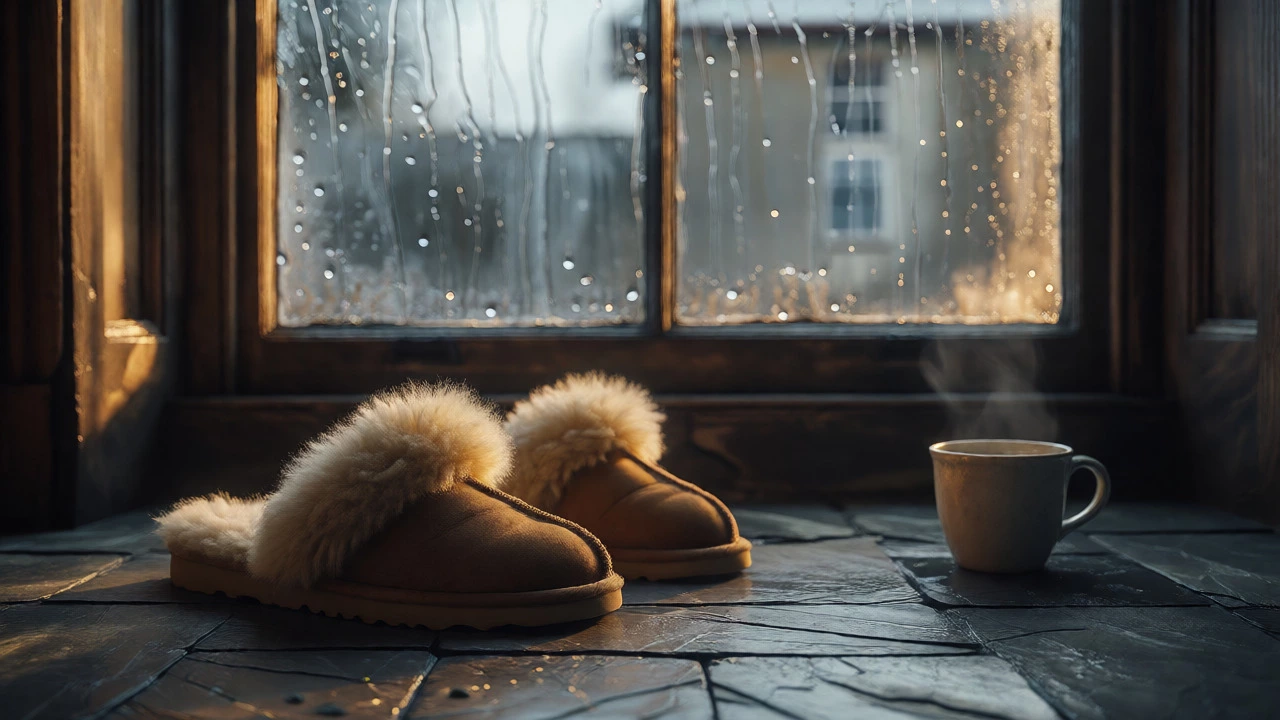
You can’t discuss high-end comfort without mentioning UGG. While often associated with Australia, UGG has become a staple in Irish wardrobes, particularly during the harsh winters of the midlands and north-west. Their signature sheepskin lining is unmatched for heat retention. If you live in a house with single-glazed windows in rural Mayo, UGGs are practically life-saving equipment.
However, there is a catch. Standard UGGs have suede exteriors that hate Irish rain. If you’re wearing them indoors, that’s fine. But many of us do a quick dash to the letterbox or take out the bins. Suede absorbs water instantly and takes days to dry, often smelling musty afterwards. For pure indoor lounging, though, nothing beats the cloud-like feel of genuine sheepskin. It molds to your foot over time, providing custom support that cheaper memory foams can’t replicate.
Birkenstock: Support Over Softness
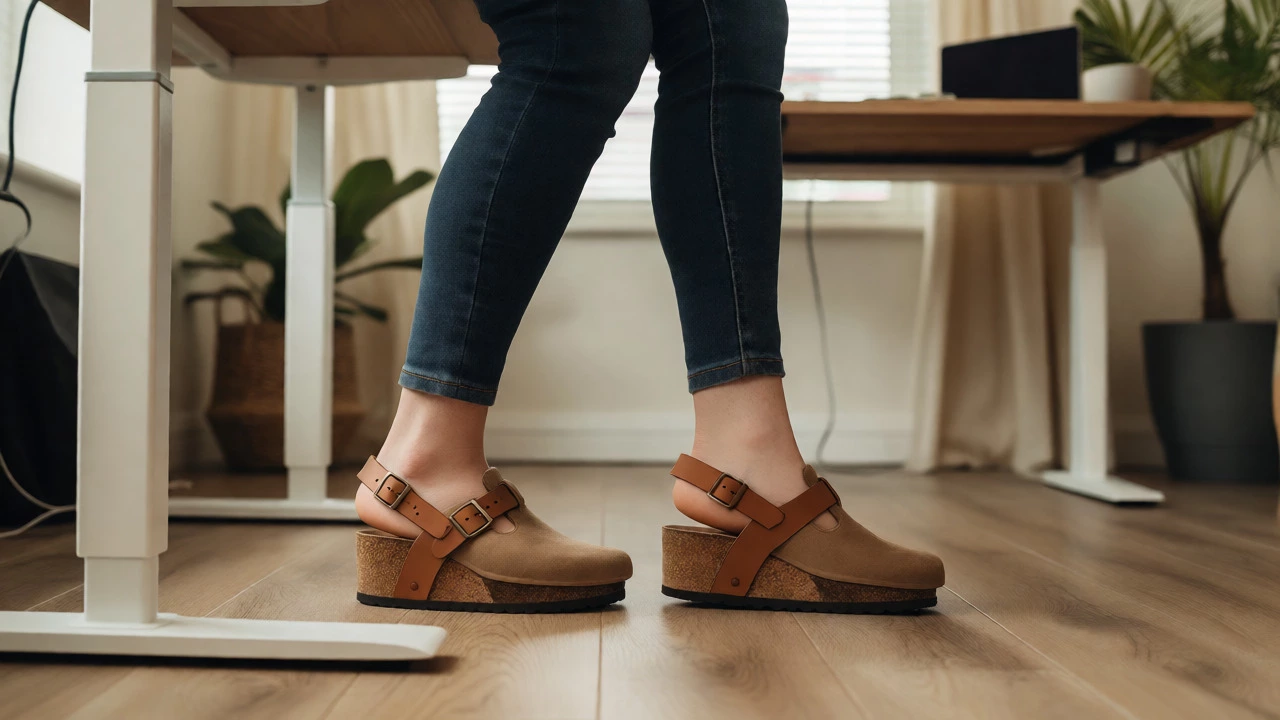
If you suffer from plantar fasciitis or flat feet-which affects a significant portion of the population due to our hilly terrain and active lifestyles-soft fluffiness might actually hurt you. Enter Birkenstock. Originally designed for orthopedic support, these clogs offer rigid cork footbeds that align your posture. They aren’t "warm" in the traditional sense unless you buy their wool-lined versions, which are pricey but effective.
In urban centers like Dublin city centre, where apartments are smaller and floors might be laminate or vinyl, Birkenstocks are popular among professionals working from home. They allow you to stand up quickly for a call without feeling like you’re sinking into a marshmallow. The downside? They are hard. You need a break-in period, and dropping one on your toe is a genuinely painful experience. But for long-term foot health, they are arguably the smartest investment.
Grendha and Havaianas: The Budget-Friendly Workhorses
Not everyone wants to spend €150 on footwear for sitting on the sofa. For many Irish households, practicality rules. Brands like Grendha (often sold under similar Brazilian rubber designs) and Havaianas dominate the budget sector. These are flip-flops, yes, but in Ireland, they serve a different purpose: bathroom safety and quick errands.
Think about it: how many times have you slipped on wet bathroom tiles? Rubber soles provide grip that fabric slippers simply cannot. Plus, they are waterproof. If you spill tea or walk through a puddle coming back from the post office, you rinse them off and put them back on. They lack warmth, so you’ll want thick socks with them in winter, but their indestructibility makes them a top choice for families with kids or pets.
The Rise of Local Artisans: Donegal Tweed and Wool
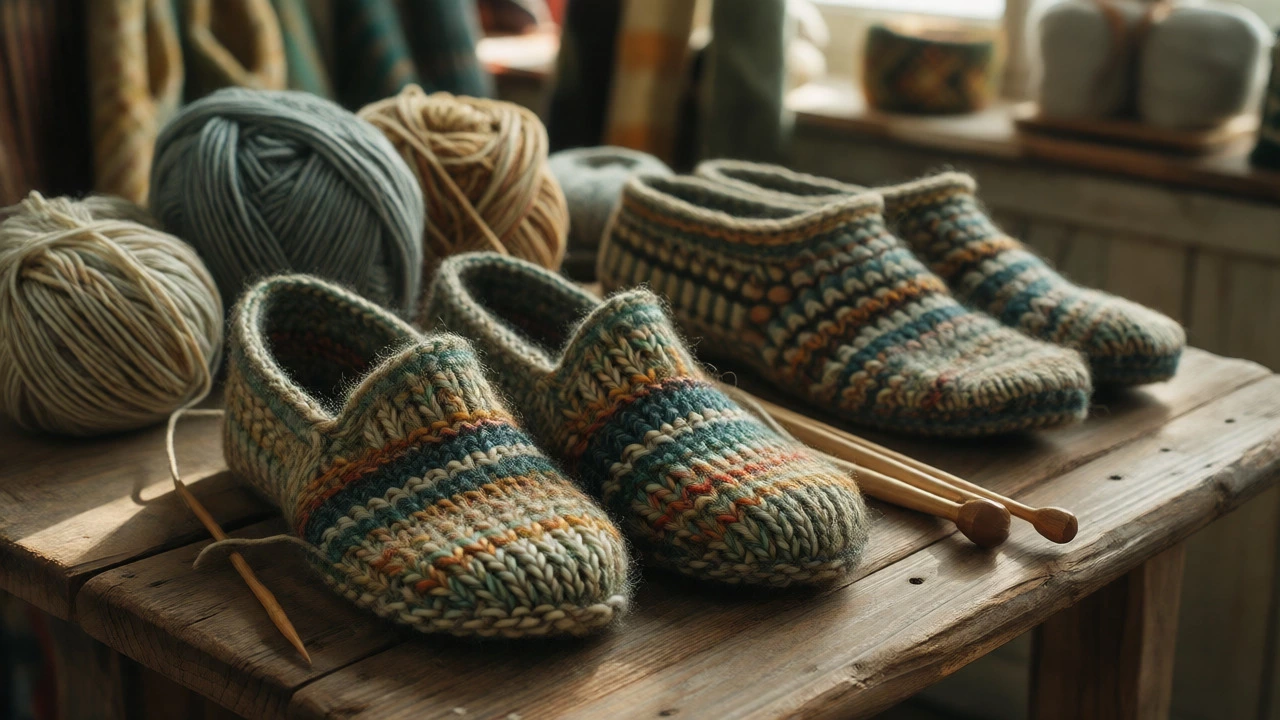
Here is where things get interesting. There is a growing movement away from mass-produced synthetic blends toward locally sourced materials. Brands utilizing Donegal Tweed and Irish merino wool are gaining traction. Companies like Harrington or independent makers found in markets across Limerick and Waterford are producing slippers that honor local heritage.
Why does this matter? Irish wool is naturally lanolin-rich, making it water-resistant and incredibly warm even when damp. This is crucial in our humid climate. A pair of hand-knit wool slippers allows your feet to breathe better than synthetic fleece, reducing sweat buildup. Plus, buying local supports artisans in towns like Letterkenny or Killarney. The aesthetic is rustic and cozy, fitting perfectly with the modern Irish home decor trend that favors natural textures and earth tones.
Comparison: Which Brand Fits Your Lifestyle?
Choosing the right brand depends entirely on your daily routine and home environment. To help you decide, we’ve compared the leading options based on key factors relevant to Irish buyers.
| Brand/Type | Warmth Rating | Durability | Best For | Avg. Price (IE) |
|---|---|---|---|---|
| UGG | High (Sheepskin) | Moderate (Suede care needed) | Cold houses, lounging | €120 - €180 |
| Birkenstock | Low to Medium (Lined only) | Very High | Foot pain, WFH professionals | €80 - €130 |
| Irish Wool/Tweed | High (Natural insulation) | High (If well-made) | Eco-conscious buyers, humidity | €40 - €90 |
| Havaianas/Grendha | None (Needs socks) | Extreme | Bathrooms, outdoor dashes | €25 - €45 |
| Memory Foam Fleece | Medium | Low (Collapses over time) | Tight budgets, short-term use | €15 - €30 |
Practical Tips for Buying Slippers in Ireland
Before you hit "buy," consider the specifics of your home. Do you have underfloor heating? If so, heavy wool might make your feet too hot. Go for lighter cotton knits instead. Do you have dogs? Leather-soled slippers will be shredded by claws in weeks; stick to rubber or suede.
Also, check the return policies. Sizes vary wildly between brands. A UK size 6 in Birkenstock might fit differently than a US size 7 in UGG. Since shipping returns to some overseas sites can cost €10-€15, buying from Irish-based retailers like Arnotts or Brown Thomas can save you hassle. They understand the sizing norms here and offer easy exchanges in-store.
Finally, think about maintenance. Sheepskin needs brushing. Wool needs airing out. Synthetic fleece traps smells. If you’re prone to sweaty feet, avoid polyester linings at all costs. They create a greenhouse effect inside the shoe, leading to fungal issues that are no fun to treat.
The Verdict: Who Takes the Crown?
So, who is the top brand? If money is no object and you want maximum coziness for a draughty period property, UGG remains the gold standard. Nothing else matches that immediate enveloping warmth. However, if you value foot health and plan to wear your slippers for hours while working, Birkenstock wins on structural integrity.
For the average Irish household balancing cost, ethics, and performance, the real winner is often the humble Irish Wool slipper. It handles our damp climate better than imported synthetics, supports local agriculture, and looks good enough to wear to the local pub if you’re brave. It’s a tough call, but context is everything. Match the brand to your floor type, your heating system, and your activity level, and you’ll never complain about cold toes again.
Are UGGs suitable for rainy weather in Ireland?
Standard UGGs are not ideal for heavy rain because their suede exterior absorbs water and stains easily. However, newer models come with treated water-resistant exteriors. For typical Irish drizzle, they are okay for short walks, but for prolonged exposure, you should apply a protective spray or choose a rubber-soled alternative.
Which slipper brand is best for plantar fasciitis?
Birkenstock is widely recommended by podiatrists in Ireland for plantar fasciitis due to its contoured cork-latex footbed that provides arch support and heel cupping. Avoid soft memory foam slippers, as they lack the necessary structural support to alleviate strain on the plantar fascia.
Is Irish wool better than synthetic fleece for slippers?
Yes, generally speaking. Irish wool is breathable and wicks moisture away from the skin, preventing the clammy feeling common with synthetic fleece. It also retains heat even when slightly damp, which is beneficial in Ireland's humid climate. Synthetics tend to trap sweat and odors more quickly.
How often should I replace my slippers?
It depends on usage and material. High-quality leather or cork-based slippers like Birkenstocks can last 3-5 years with proper care. Memory foam slippers typically lose their supportive properties within 6-12 months of daily use. Sheepskin slippers may last 2-3 years if cleaned regularly and kept dry.
Where can I buy authentic Irish-made slippers?
You can find authentic Irish-made slippers at specialized craft markets in cities like Dublin, Cork, and Galway, as well as through online retailers dedicated to Irish heritage goods. Look for labels specifying 'Made in Ireland' or 'Donegal Tweed' to ensure authenticity and support local manufacturers.