Irish Dress Length Finder
Not sure which hemline works best? Answer three quick questions to get personalized advice tailored to Irish weather and social norms.
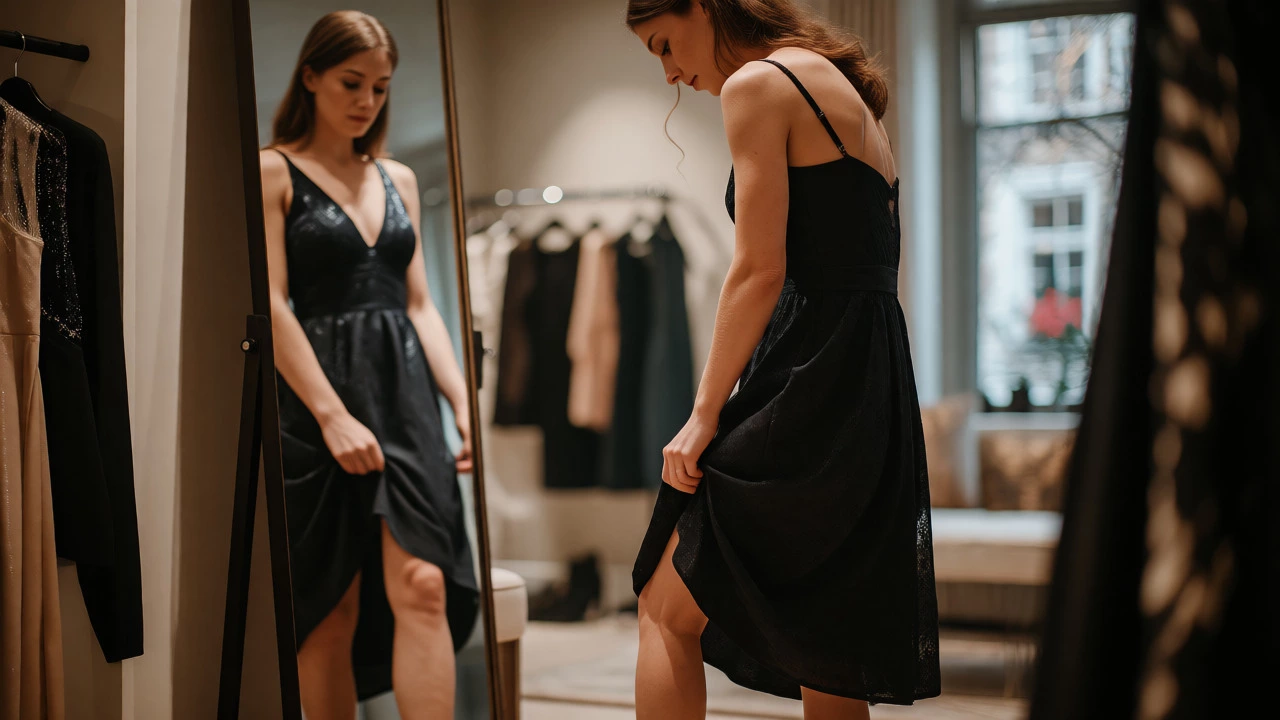
You’re standing in front of your mirror in Dublin, trying on a third evening dress, and you feel stuck. The mini feels too short for the office Christmas party at the Shelbourne; the maxi drags on the floor when you walk to the tram stop; and that knee-length number? It just makes your legs look… shorter. You aren’t alone. Finding the right hemline is one of the biggest style headaches women face here in Ireland, especially given our average height and the practical realities of our weather and venues.
Here’s the truth: there is no single "magic" length that works for everyone. But there is a science to it. Your ideal hemline depends entirely on three things: your body proportions, the occasion, and what you want to highlight. Let’s break down exactly how to find your most flattering length, tailored for the Irish market and lifestyle.
The Golden Rule: It’s About Proportions, Not Just Height
Most people think their height dictates their dress length. They assume tall women must wear maxis and petite women must wear minis. That’s outdated thinking. What actually matters is where your body naturally breaks. This is called your "visual anchor point." If you cut a dress at a wide part of your leg (like mid-calf), you create a horizontal line that can make you look wider or shorter. If you cut it at a narrow part (like the ankle bone or just above the knee), you elongate the silhouette.
In Ireland, where the average woman stands around 5'4" (163 cm), this rule is crucial. Many standard high-street dresses are cut for taller frames, leaving us pooling fabric at the ankles. Here’s how to hack the system based on your specific build.
For Petite Frames (Under 5'4")
If you’re under 5'4", you likely struggle with dresses swallowing you up. The goal here is to avoid breaking your vertical line too many times.
- The Mini (Mid-Thigh): This is often the most flattering option for petite women because it shows off the longest part of your leg. Pair it with nude heels or tights that match your skin tone to keep the line unbroken. Brands like Zara and H&M offer great options here, but check the inseam carefully.
- The Tea-Length (Below Knee, Above Ankle): This is tricky. A tea-length dress can shorten you if it hits right at the widest part of your calf. Look for styles that hit just below the knee or feature a slit. A slit creates a diagonal line, which tricks the eye into seeing more height.
- Avoid: Heavy fabrics that bunch at the waist and hemlines that end exactly at the mid-calf without a slit.
For Average Height (5'4" - 5'7")
This is the sweet spot for most Irish women. You have the flexibility to pull off almost anything, but you need to be mindful of where the hem lands relative to your knees and ankles.
| Height Group | Best Hemline Position | Why It Works | Irish Style Tip |
|---|---|---|---|
| Petite (<5'4") | Mid-thigh or High-Ankle | Shows maximum leg; avoids cutting the leg in half. | Pair with opaque black tights in winter to maintain the vertical line. |
| Average (5'4"-5'7") | Just Above Knee or Midi (Narrowest Calf Point) | Balances torso and legs; highlights narrowest parts. | Great for Galway races or city workwear; versatile for layering. |
| Tall (>5'7") | Midi, Maxi, or Asymmetrical | Uses long limbs to carry heavier fabrics and longer hems. | Ideal for formal weddings in Cork or Dublin; looks elegant with boots. |
For average heights, the midi dress is a wardrobe staple, but only if it hits at the narrowest part of your calf. Measure yourself! Stand barefoot and mark where your calf is thinnest. If your dress ends there, you’re golden. If it ends lower, add a heel. If it ends higher, you might look like you’re wearing a skirt from a different era.
For Tall Frames (Over 5'7")
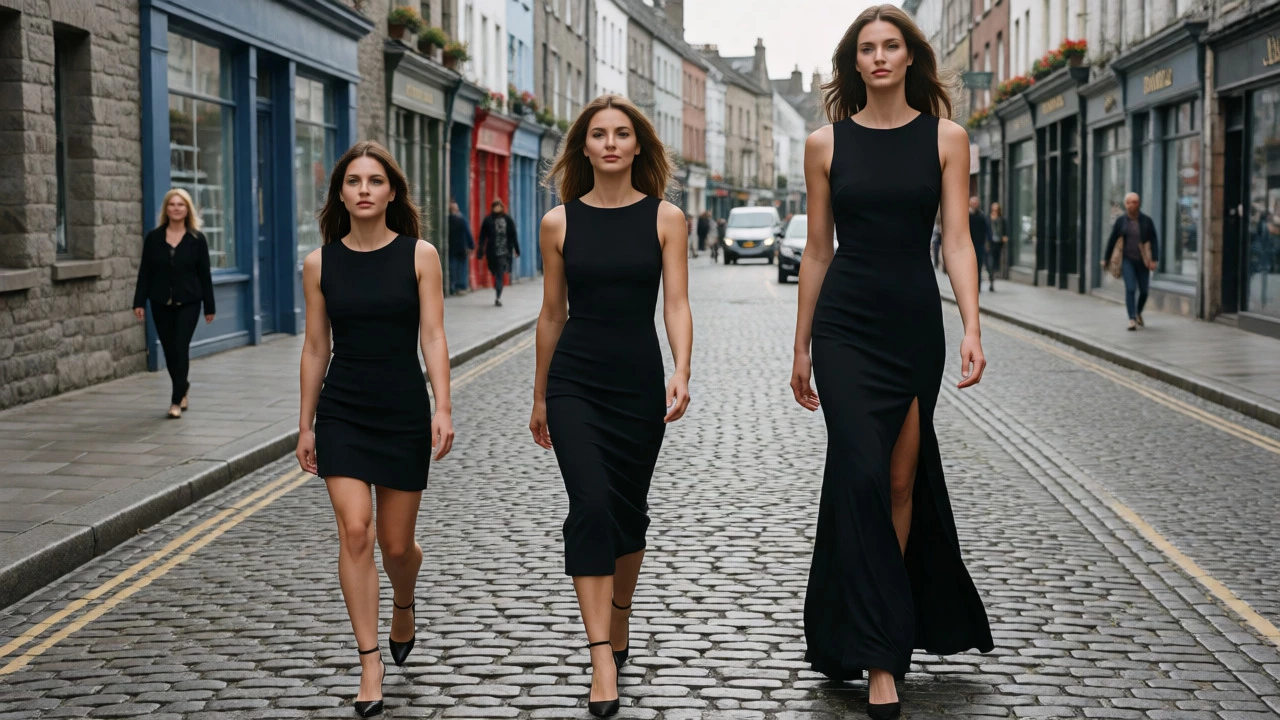
If you’re tall, you’ve probably been told you "can get away with" anything. Not true. Long legs can sometimes make a torso look disproportionately short if the dress cuts across the hips awkwardly. Tall women shine in longer lengths that use their height as an asset rather than fighting against it.
Maxi dresses are fantastic for you, especially for events like the Galway Races or a summer wedding in Kildare. However, ensure the dress isn't so long it requires constant lifting. Look for slits or asymmetrical hems that show a flash of leg. This breaks up the expanse of fabric and adds movement.
Body Shape Considerations: Pear, Apple, Hourglass
Length interacts heavily with body shape. Let’s say you’re an Apple shape-carrying weight in your midsection but with slim legs. A mini dress is your best friend. It draws attention to your strongest asset (your legs) and away from your middle. Conversely, if you’re a Pear shape-wider hips and thighs-a midi length that skims over the hips and ends at the narrowest part of your calf is incredibly flattering. It balances your proportions without clinging to the widest points.
For those who prefer modesty or need coverage for religious ceremonies or conservative workplaces in Dublin’s financial district, a maxi dress with a V-neckline is a powerful combo. The vertical line of the neckline counteracts the horizontal line of the hem, keeping you looking tall and lean.
Practicality: The Irish Weather Factor
We can’t talk about dress lengths in Ireland without talking about rain and wind. A beautiful silk slip dress that looks amazing indoors can become a nightmare outdoors. Here’s how to choose a length that survives an Irish autumn or spring.
- The Wind Test: Before buying, do a spin test. Does the dress fly up? In coastal towns like Howth or Bray, sea breezes are no joke. If you love minis, invest in good quality safety shorts or slips.
- The Puddle Problem: Maxis are risky in heavy rain unless you’re being driven door-to-door. If you’re walking to a pub in Temple Bar, a maxi will soak up every puddle. Opt for a hemline that clears the ground by at least 2 inches, or switch to a stylish trouser suit.
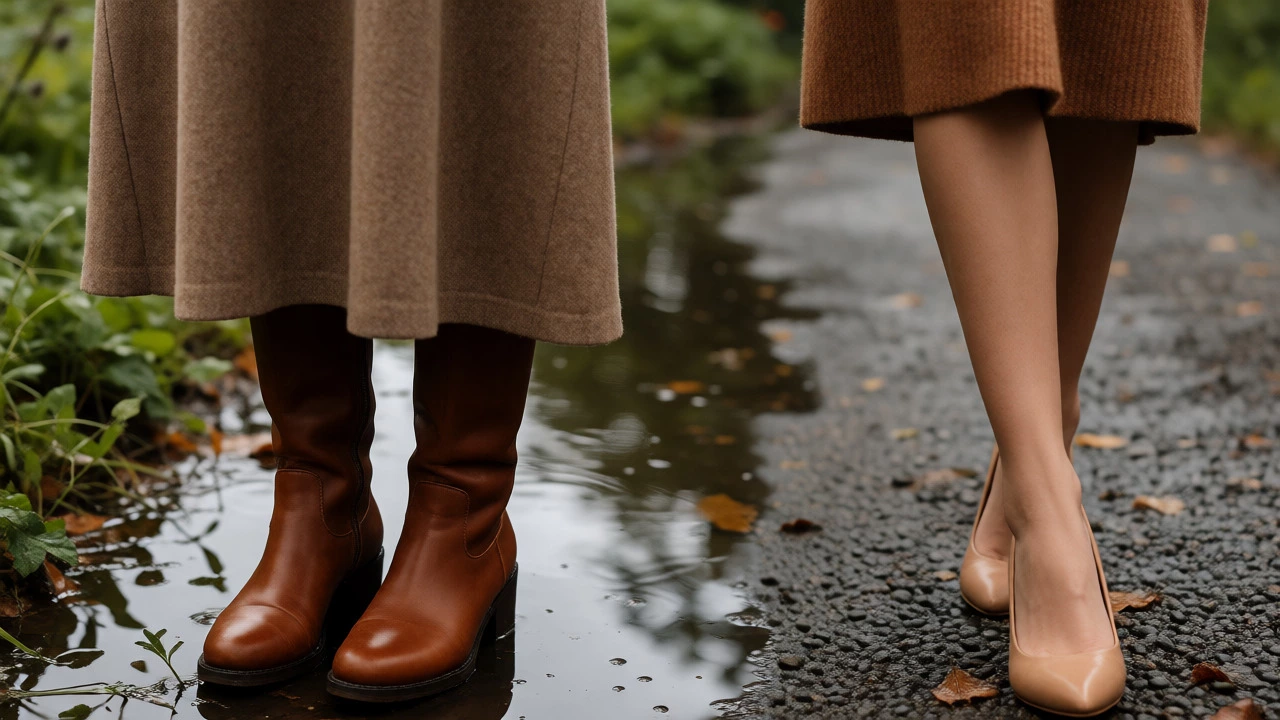
- Layering: A midi dress pairs beautifully with knee-high boots. This is a go-to look for Irish winters. It keeps you warm, covers your legs, and still looks chic. Avoid pairing minis with flat shoes in winter; you’ll freeze. Stick to heeled boots or thick socks with loafers.
Finding Your Perfect Fit in Ireland
Shopping online is convenient, but sizing varies wildly between brands like ASOS and local boutiques in Cork or Limerick. Always check the "Garment Measurements" tab, not just your body measurements. Look specifically for "Total Length" or "Front Hem Length."
If you buy a dress that’s slightly too long, don’t panic. Tailoring is accessible in major cities. A simple hem adjustment costs between €20 and €40 at most dry cleaners or tailors in Dublin, Cork, or Galway. It’s worth the investment to get the exact length that flatters your frame. For petite shoppers, stores like Penneys (now part of Next) or specialized petite sections in Brown Thomas often stock shorter lengths designed for our demographic.
Cultural Context: When to Wear What
Ireland has a mix of casual and formal social codes. At a casual brunch in Ranelagh, a knee-length linen dress is perfect. For a formal gala at the Mansion House, floor-length gowns are expected. But there’s a middle ground: the "Smart Casual" event.
For these occasions-which are common in corporate Ireland-a midi dress is the safest bet. It’s professional enough for a boardroom presentation yet stylish enough for drinks afterward. It respects the setting without over-dressing. Remember, in Irish culture, appearing "too try-hard" can be frowned upon in certain circles. A well-fitted, appropriately lengthed dress suggests effort and taste without shouting for attention.
Quick Checklist Before You Buy
Before you click "Add to Cart," run through this list:
- Identify your narrowest leg point: Is it your thigh, knee, or calf?
- Check the hem position: Does it land near that point?
- Consider your footwear: Will heels change the effective length?
- Think about the venue: Are you walking outside? Is it windy? Rainy?
- Look at the neckline: Can you balance the hemline with a deep neck?
Ultimately, the most flattering length is the one that makes you forget about your clothes and focus on the conversation. Whether you’re dancing at a wedding in Kerry or grabbing coffee in Belfast, confidence comes from knowing your outfit fits your life, not just your body.
Is the midi length always unflattering?
No, but it is unforgiving if placed incorrectly. A midi dress is flattering if it ends at the narrowest part of your calf or features a slit. If it ends at the widest part of your calf, it can make your legs look stumpy. Always measure your calf circumference to find the sweet spot.
What dress length is best for plus-size women?
Generally, a hemline that hits just below the knee or at the narrowest part of the calf is most flattering. Very short minis can emphasize the hip area, while very long maxis can overwhelm the frame if the fabric is heavy. A-line silhouettes with these lengths tend to work best.
Can I wear a maxi dress to a semi-formal event in Dublin?
Yes, provided the fabric and cut are elevated. Choose structured fabrics like crepe or satin rather than flowy cotton. Ensure the dress is tailored to your height so it doesn't drag. Pair it with sophisticated accessories to elevate the look beyond casual beachwear.
How does shoe choice affect dress length perception?
Shoes can visually extend or shorten your legs. Nude heels matching your skin tone elongate the leg, making shorter hemlines look balanced. Dark tights with dark shoes create a continuous line, which is great for winter. Contrast colors (e.g., white shoes with a black dress) cut the leg line, potentially making you look shorter.
Are asymmetrical hems better for petite women?
Often, yes. An asymmetrical hem creates a diagonal line, which leads the eye up and down rather than side to side. This can add perceived height and interest. Just ensure the shortest part of the hem isn't too revealing for the occasion.