Shoe Craftsmanship in Ireland: What Makes Irish Boots Last a Lifetime
When you talk about shoe craftsmanship, the skill and care behind making footwear that lasts, not just looks good. Also known as bootmaking, it’s not just about stitching leather—it’s about building shoes that survive Irish rain, mud, and decades of wear. This isn’t theory. It’s what happens in workshops in Kilkenny, Cork, and Galway, where makers still use full grain leather, vegetable tanning, and hand-stitched soles because nothing else holds up.
Real Irish leather shoes, footwear made in Ireland using locally sourced, high-grade materials and traditional methods don’t come from assembly lines. They’re shaped by hand, lasts are carved from wood, and stitches are pulled tight by skilled artisans who’ve trained for years. That’s why a pair from Shanahan’s or Boots of Kilkenny can outlast three pairs of imported sneakers. The full grain leather, the strongest, most durable type of leather, made from the outermost layer of the hide doesn’t get sanded down or coated in plastic—it breathes, molds to your foot, and gets better with age. And when the sole wears out? A good cobbler can replace it. That’s craftsmanship: repairable, not disposable.
It’s not just about the materials—it’s about the hand-stitched footwear, shoes assembled using needles and thread instead of glue or machines, creating stronger, more flexible bonds. Glue fails in wet weather. Stitching doesn’t. You’ll find this in nearly every post here: people talking about boots that survived winter storms, muddy fields, and years of commuting. These aren’t lucky accidents. They’re the result of intentional design—thick soles, reinforced heels, and seams that won’t split when you’re walking ten miles in a downpour.
And it’s not just for men. Irish women’s boots are built the same way—supportive, grippy, and made for uneven roads and damp kitchens. The healthiest shoes for Irish feet? They’re not the flashiest. They’re the ones with a solid last, proper arch support, and leather that doesn’t crack after six months. That’s why you’ll see Ugg slippers on kitchen floors and sturdy boots in Dublin offices—they’re not fashion choices. They’re survival tools.
You won’t find this kind of durability in fast fashion. Cheap shoes are designed to fail. Irish-made footwear is designed to be passed down. That’s the difference between a product and a legacy. Below, you’ll find real stories from people who’ve worn their boots for years, learned how to care for them, and know exactly when it’s time to replace them—not because they’re worn out, but because they’ve earned it.
Discovering Quality Leather Shoes in the Irish Market
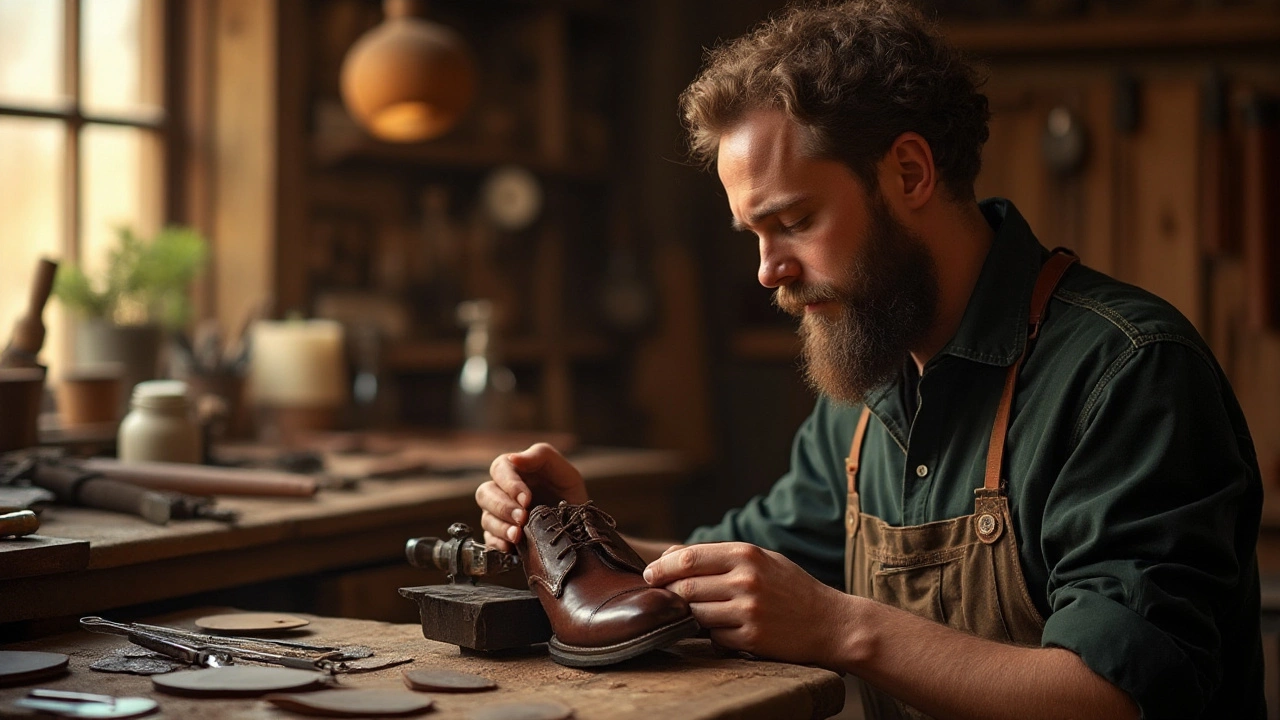
Exploring leather shoes in Ireland involves more than just picking a stylish pair. Dive into tips on identifying quality craftsmanship, recognizing genuine materials, and appreciating local traditions in shoemaking. From the importance of cut and finish to understanding the hallmark characteristics of durability, this guide will help you make informed choices. Whether strolling along Dublin's quaint streets or attending an event in Galway, finding the right pair enriches your experience.