Leather Test Tips: How to Tell Real Leather from Fake in Ireland
When you’re buying leather in Ireland, you don’t want to pay for the real thing and end up with plastic that cracks after one rainy season. Leather test tips, practical methods to distinguish genuine leather from synthetic materials. Also known as leather authenticity checks, these are the kind of skills that save you money and stop you from regretting a purchase after a few washes. In a country where boots get soaked, jackets get worn every day, and slippers need to last through winter, knowing what you’re holding matters.
Real leather has a smell—earthy, a little oily, never chemical. Fake leather smells like plastic or new shoes in a box. Press your fingernail into it. Real leather shows a subtle dent that slowly fades. Fake leather either doesn’t move at all or leaves a permanent mark. Look at the edges. Real leather has a fibrous, slightly rough cut. Fake leather looks smooth, like the edge of a vinyl record. And check the backside. Real leather has a fuzzy, uneven texture. Fake leather has a uniform, often cloth-like backing. These aren’t tricks. These are the same checks used by repair shops in Cork and Dublin when they’re deciding whether a pair of boots is worth fixing.
It’s not just about avoiding scams. It’s about value. A pair of Irish leather shoes, hand-stitched boots made from full-grain hide, often from local tanneries can last ten years if you care for them right. A fake leather boot might look similar in the store, but it’ll split open after six months of Irish weather. And when you’re standing in a puddle in Galway or walking the cliffs in Donegal, you don’t want your shoes falling apart. That’s why people in Ireland who’ve been through a few winters learn to test leather before they buy. They check the stitching, the weight, the flexibility. They don’t just trust the label.
There’s also the issue of care. Real leather needs conditioning. Fake leather just needs wiping. If you treat fake leather like real, you’ll ruin it. If you treat real leather like fake, you’ll shorten its life. That’s why knowing the difference isn’t just about saving cash—it’s about making your gear last. You’ll see this in the posts below: guides on how to clean Irish-made boots, why full-grain leather outlasts cheap imports, and how to spot a well-made leather jacket that’ll still look good in five years. These aren’t theory lessons. They’re real-life fixes from people who’ve worn the same boots through three winters and still swear by them.
Below, you’ll find real-world advice from Irish shoppers, repair experts, and long-time wearers. No fluff. Just what works when the rain comes down and your boots are your only defense. Whether you’re buying your first pair of leather boots or replacing your favorite jacket, these posts will help you make a call that lasts.
How to Tell if Shoes Are Real Leather in Ireland
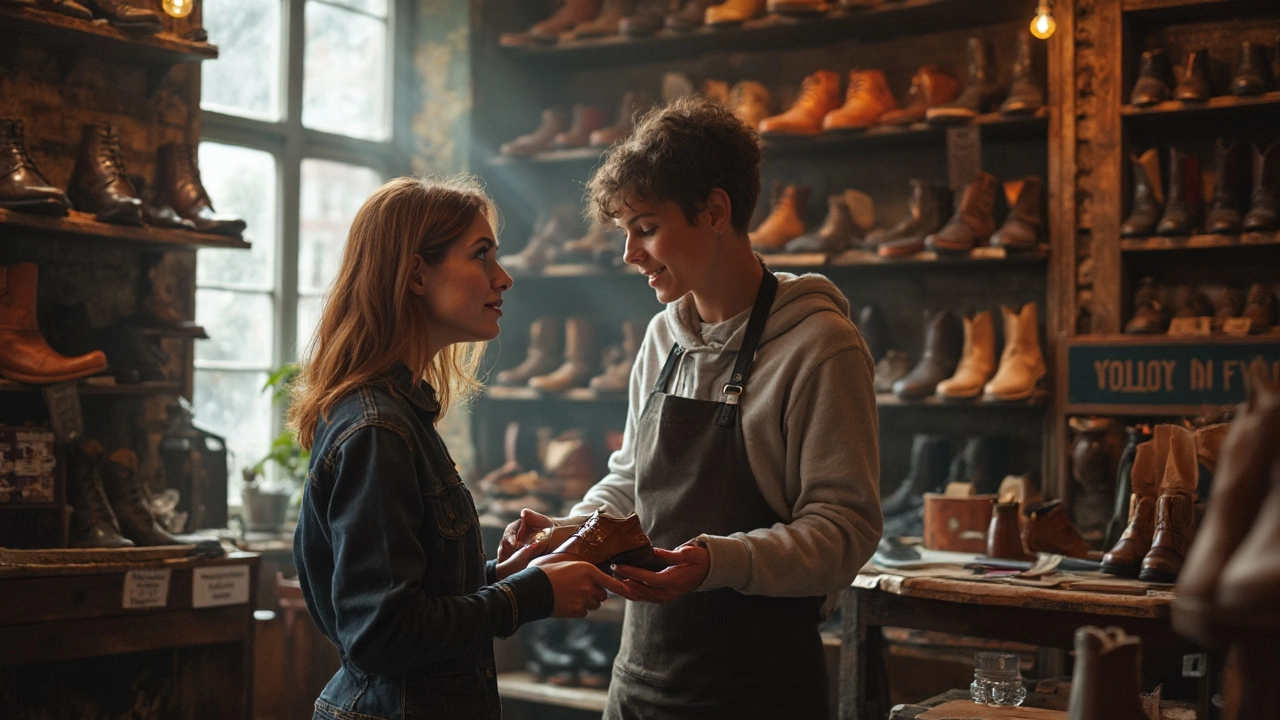
Wondering if your new shoes are real leather? This guide is tailored for people in Ireland, showing clear ways to spot the real thing in shops from Dublin to Cork. Learn what genuine leather looks, feels and smells like—and get tips specific to the Irish climate and market. Find out which Irish shoe shops and brands offer authentic leather, what to ask staff, and tricks for checking shoes at home. Avoid being fooled by clever fakes and make sure you’re getting your money’s worth.