How to Spot Genuine Leather: Irish Buyers Guide to Real vs Fake Leather
When you’re buying leather in Ireland, genuine leather, a material made from the full hide of an animal, tanned and treated to last decades. Also known as real leather, it’s the only kind that breathes, molds to your foot or body, and gets better with age. Most cheap shoes, bags, and jackets sold here are made from synthetic materials that crack in winter, peel after a few washes, or smell like plastic after a rainy walk. You don’t need to be an expert—just know what to look for.
Start with the smell. Real leather has a rich, earthy, almost sweet scent—like a new pair of boots fresh out of the shop. Fake leather smells like chemicals or nothing at all. Run your fingers over the surface. Genuine leather has natural imperfections: small scars, wrinkles, or uneven grain. If it looks too perfect, like plastic wrap, it’s not real. Check the edges. Real leather has a fibrous, slightly fuzzy cut edge. Faux leather has a smooth, plastic-like finish. Press your thumbnail into it. Real leather will hold a slight dent. Fake leather springs back like rubber.
Look at the label. If it says "top grain," "full grain," or "100% leather," it’s real. "Bonded leather" or "pu leather" means it’s mostly glue and plastic. In Ireland, where boots take a beating from rain and mud, you want full grain leather, the strongest, most durable layer of the hide, used in Irish-made boots from Shanahan’s and Boots of Kilkenny. It’s not cheap, but it lasts 10 years or more. leather quality, determined by tanning method, grain integrity, and thickness matters more than brand names. A €150 pair of real leather boots that last a decade costs less per wear than a €50 pair that falls apart in six months.
Test the flexibility. Bend the leather. Real leather folds smoothly without creasing too hard. Fake leather cracks or makes a plastic crunching sound. Check the backside—the underside of real leather is fuzzy and porous. Faux leather has a uniform, often cloth-like backing. And don’t trust the price alone. You can find real leather on sale at Irish outlets, but if it’s suspiciously cheap, it’s likely fake. Real leather doesn’t come from discount bins in fast fashion stores.
What you’re really looking for is value. In Ireland, where weather turns shoes into mud traps and coats into rain shields, you need materials that hold up. fake leather, often marketed as vegan or synthetic, may feel soft at first but degrades fast in damp conditions. It doesn’t breathe, so your feet sweat. It doesn’t flex, so your ankles ache. And when it fails, it doesn’t repair—it just breaks.
Now you know how to spot the real thing. Below, you’ll find real-world guides from Irish shoppers who’ve been burned by fake leather—and how they learned to buy smarter. Whether you’re hunting for boots that survive Galway winters, a jacket that lasts through Dublin drizzle, or a belt that doesn’t peel after one season, the tips here will help you avoid the traps and invest in leather that actually lasts.
How to Tell if Shoes Are Real Leather in Ireland
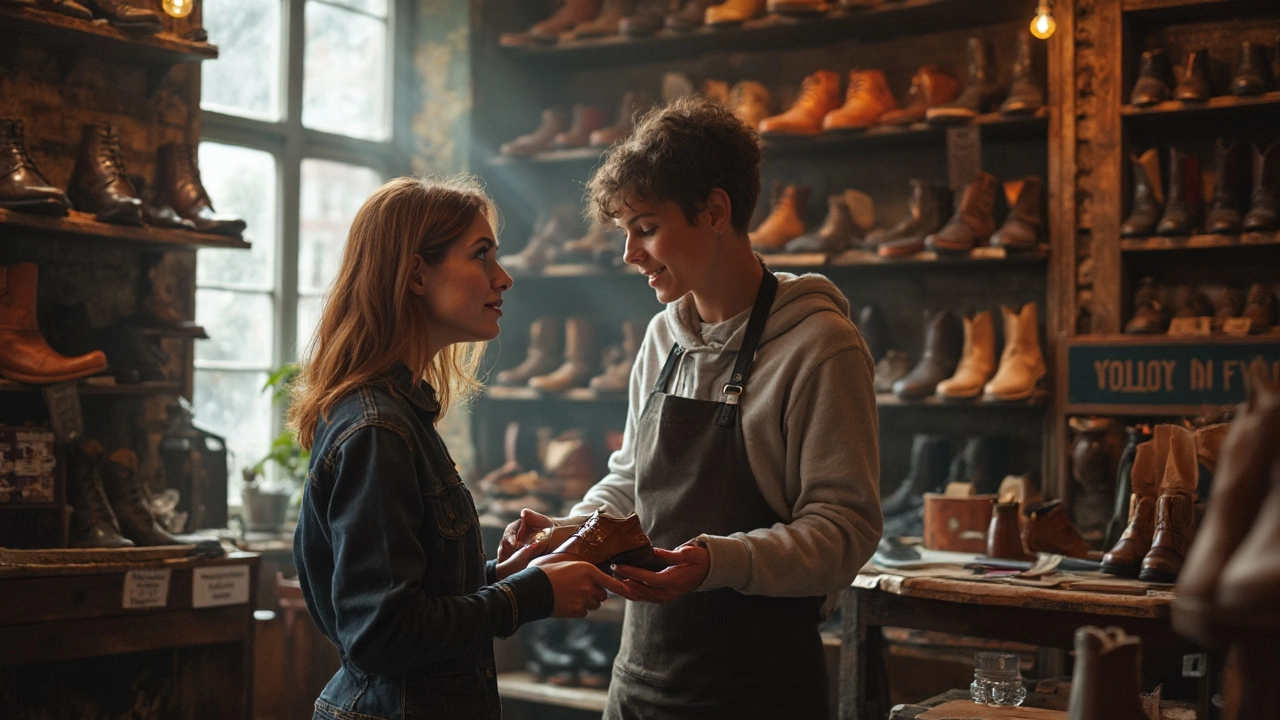
Wondering if your new shoes are real leather? This guide is tailored for people in Ireland, showing clear ways to spot the real thing in shops from Dublin to Cork. Learn what genuine leather looks, feels and smells like—and get tips specific to the Irish climate and market. Find out which Irish shoe shops and brands offer authentic leather, what to ask staff, and tricks for checking shoes at home. Avoid being fooled by clever fakes and make sure you’re getting your money’s worth.