Sundress vs Summer Dress Selector
Your Situation
Select your options and click the button to find out which dress fits your Irish adventure best.
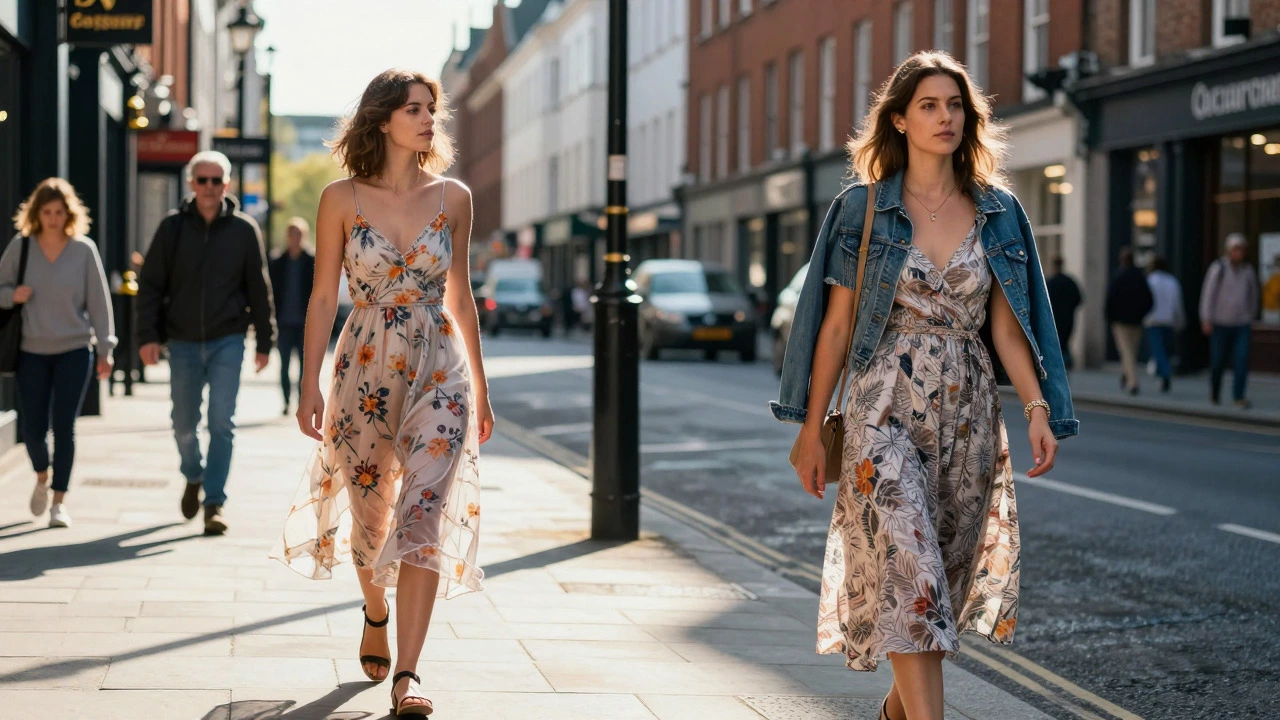
Walking down Grafton Street on a rare July afternoon when the sun is actually shining, you might spot two women wearing what looks like the exact same garment. One calls it her "summer dress," and the other insists hers is a "sundress." If you’re standing there wondering if they’re just using different words for the same thing, you’re not alone. In Ireland, where our weather can shift from bright sunshine to a cold drizzle in the time it takes to order a coffee, understanding the distinction between these two styles isn’t just about semantics-it’s about survival.
The short answer? A sundress is a specific type of summer dress designed for maximum heat relief and sun exposure. A summer dress is a broader category that includes any dress suitable for warm weather, which might include slightly heavier fabrics or longer sleeves. Knowing the difference helps you pack correctly for a trip to the Wild Atlantic Way or choose the right outfit for a garden party in Dublin without freezing once the wind picks up off the Liffey.
The Anatomy of a Sundress
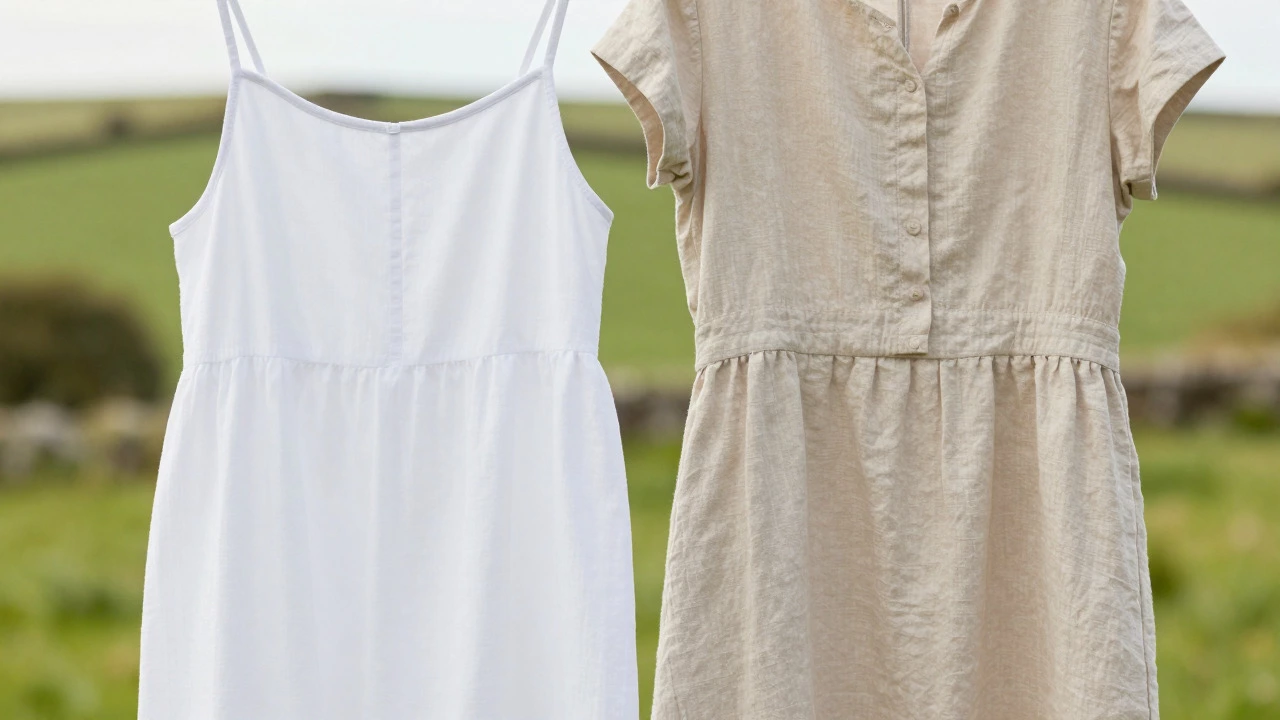
Let’s start with the sundress. This isn't just a marketing term; it describes a very specific silhouette and construction. Think of the classic spaghetti straps, a fitted bodice, and an A-line skirt that falls above the knee. The defining feature is the fabric. A true sundress is made from ultra-lightweight materials like cotton voile, chiffon, or thin jersey. It is designed to breathe. When you are hiking the Cliffs of Moher or sitting at a pub terrace in Galway during a heatwave, the last thing you want is a layer of polyester trapping your body heat.
Sundresses are also typically sleeveless and have minimal coverage. They are meant to be worn when the UV index is high and you are actively seeking the sun. That’s why you’ll see them paired with wide-brimmed hats and sunglasses. In Ireland, we often treat sundresses as "sunshine insurance." You buy one hoping for a few good days in June or August. If the sky turns grey, that dress stays in the wardrobe because it offers zero protection against the damp chill that seeps into your bones here.
Key attributes of a sundress include:
- Fabric: Sheer, breathable, non-insulating (cotton, linen blends).
- Sleeves: Sleeveless, spaghetti straps, or halter necks.
- Length: Usually mini or midi, rarely maxi.
- Purpose: Maximum ventilation and sun exposure.
What Defines a Summer Dress?
Now, let’s look at the summer dress. This is the umbrella term. Every sundress is a summer dress, but not every summer dress is a sundress. A summer dress is defined by its seasonality rather than its specific cut. It includes garments that are appropriate for warm weather but might offer more structure, coverage, or versatility.
In the Irish context, this distinction is crucial. Our "summer" is often mild rather than hot. A summer dress might have short sleeves, cap sleeves, or even three-quarter length sleeves. It could be made from a slightly thicker cotton twill or a structured linen blend. These dresses are designed to handle variable conditions. You can wear a summer dress to a wedding in Kildare, then throw a cardigan over it when the evening breeze kicks in, and still look put-together. A sundress, by contrast, often looks incomplete without layers, making it less versatile for our unpredictable climate.
Consider the typical Irish summer event: a outdoor festival like Electric Picnic or a beach day in Howth. A sundress is perfect for dancing in the sun or lying on the sand. But if you’re attending a business lunch in Dublin city center, a structured summer dress with a bit more weight to the fabric projects professionalism while still keeping you cool. It bridges the gap between casual comfort and smart attire.
| Feature | Sundress | Summer Dress |
|---|---|---|
| Fabric Weight | Ultra-light, sheer | Light to medium, opaque |
| Sleeve Style | Sleeveless, straps | Short, cap, or 3/4 sleeves |
| Versatility | Low (weather-dependent) | High (layer-friendly) |
| Best For | Beach, heatwaves, festivals | Work, weddings, variable weather |
| Irish Weather Suitability | Rare sunny days only | Most summer days |
The Irish Weather Factor
You cannot talk about dressing for summer in Ireland without addressing the elephant in the room: the weather. Unlike Southern Europe, where summer means consistent heat, Ireland offers us something closer to "pleasant intervals." The average temperature in Dublin in July hovers around 15°C to 20°C (59°F to 68°F). It feels warm in the sun, but the moment clouds roll in, the temperature drops perceptibly.
This is why the sundress is a risky investment if you only own one. It is a garment for the exception, not the rule. However, the summer dress is a staple. I’ve seen countless tourists arrive in Cork wearing nothing but sundresses, only to spend their evenings shivering under blankets in pubs because they didn’t account for the coastal wind. Locals know better. We opt for summer dresses that can be layered. A midi dress with short sleeves in a sturdy cotton blend allows you to add a denim jacket, a trench coat, or a wool cardigan as needed. It adapts to the microclimates of the island.
If you’re visiting places like the Dingle Peninsula or the Ring of Kerry, the wind chill factor is real. A sundress will flap around uncontrollably and leave you cold. A summer dress with some weight to the fabric stays in place and provides a base layer that retains a bit more warmth. This practical consideration shapes much of our local fashion choices. Brands like Marks & Spencer Ireland or local boutiques in Temple Bar often stock more structured summer dresses than flimsy sundresses because they sell better year-round.
Styling for the Local Context
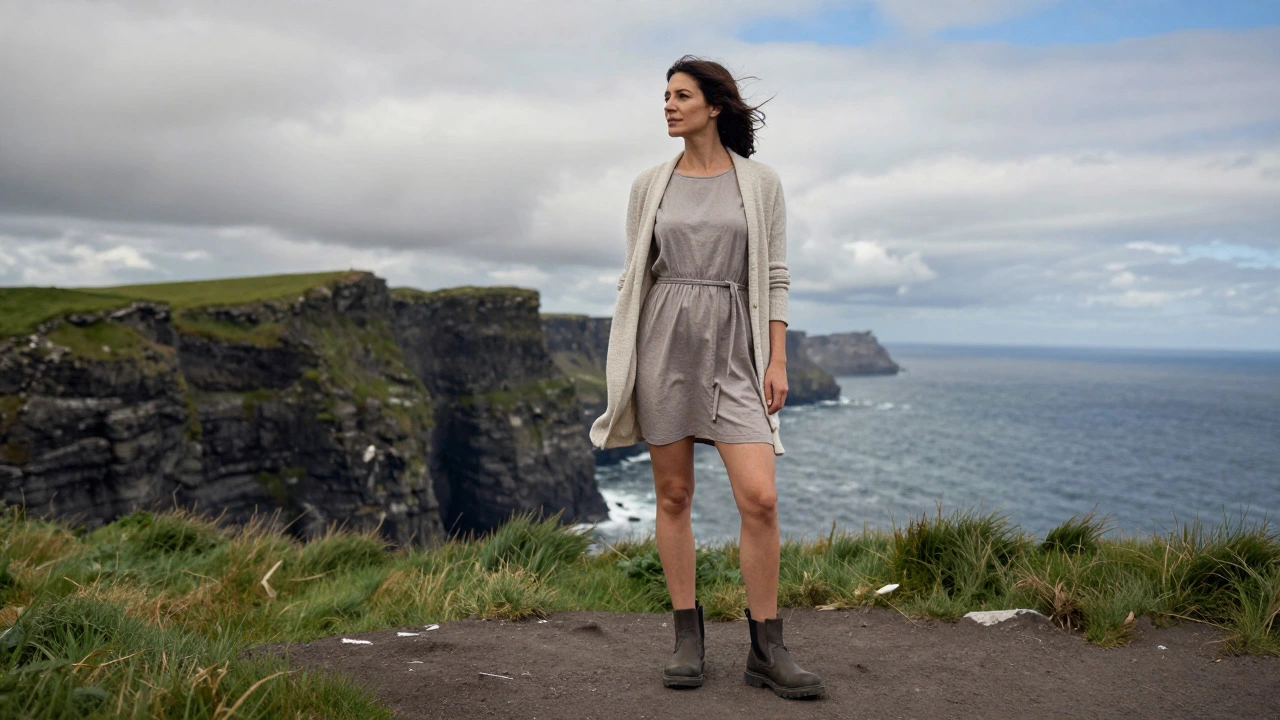
How do you style these pieces for life in Ireland? For the sundress, think accessories. Since the dress itself is minimal, you need to build around it. Pair it with ankle boots instead of sandals if the ground is damp or muddy-a common scenario after a summer rain shower. Add a chunky knit cardigan for evenings. The contrast between the delicate dress and the cozy knit is a classic Irish aesthetic.
For the summer dress, focus on versatility. Choose neutral colors or patterns that mix well with your existing wardrobe. A navy blue wrap dress, for example, works for a day out in Phoenix Park and can be dressed up with heels for dinner in Merrion Square. The key is to select fabrics that don’t wrinkle easily, as you might be traveling by train or bus where space is limited. Linen is popular here, but remember it wrinkles easily, so carry a small steamer or hang it in the bathroom while you shower.
Footwear matters too. While strappy sandals work with sundresses, block heels or loafers pair better with summer dresses, especially if you’re walking on cobblestones in cities like Galway or Kilkenny. Comfort is king when you’re exploring historic sites that require a lot of walking.
Shopping Tips for Irish Residents and Visitors
If you’re shopping locally, check out stores like Brown Thomas in Dublin for higher-end summer dresses that balance quality and style. For budget-friendly options, H&M and Zara in major malls like Dundrum Town Centre offer a wide range of both sundresses and summer dresses. Look for labels that specify "breathable" or "moisture-wicking" if you plan to be active outdoors.
When buying online, pay attention to the fabric composition. If it says 100% polyester, it’s likely not ideal for Irish humidity. Opt for natural fibers like cotton, linen, or rayon. Also, consider the return policy. Weather forecasts in Ireland are notoriously tricky beyond a week, so having the option to exchange a sundress for a more covered summer dress if the forecast changes is wise.
Finally, don’t underestimate the power of layering. A light scarf can transform a sundress into a more modest summer dress if you need to cover your shoulders for a church visit or a formal event. This simple trick extends the life of your wardrobe and ensures you’re always prepared for whatever the Irish skies decide to throw at you.
Is a sundress appropriate for work in Ireland?
Generally, no. Most Irish workplaces, even in creative industries, prefer a more polished look. A sundress is often too casual and revealing. Instead, choose a structured summer dress with sleeves and a modest neckline, paired with a blazer or cardigan. This looks professional while remaining comfortable.
Can I wear a sundress to a wedding in Ireland?
It depends on the venue and time of day. For a casual daytime beach wedding, a nice sundress might work. However, for most traditional Irish weddings, especially those held in churches or castles, a sundress may be considered too informal. Opt for a midi or maxi summer dress with some structure and elegance. Always check the dress code on the invitation.
What fabric is best for an Irish summer?
Cotton and linen are the top choices. Cotton is breathable and easy to care for, making it ideal for everyday wear. Linen is excellent for heat but wrinkles easily. Avoid heavy synthetics like thick polyester, which can feel clammy in humid conditions. Blends that include natural fibers often offer the best balance of durability and comfort.
How should I layer a sundress for cooler evenings?
The key is to add warmth without bulk. A lightweight denim jacket, a tailored blazer, or a soft cardigan works well. Tights or leggings can also be added if the temperature drops significantly. Footwear-wise, switch from open sandals to closed-toe shoes or ankle boots to keep your feet warm and dry.
Are sundresses popular in Ireland?
They are popular during peak summer months, particularly among younger demographics and tourists. However, due to the variable weather, many Irish people prefer versatile summer dresses that can be layered. Sundresses are often treated as special occasion wear for guaranteed sunny days, such as holidays abroad or specific local events like beach parties.