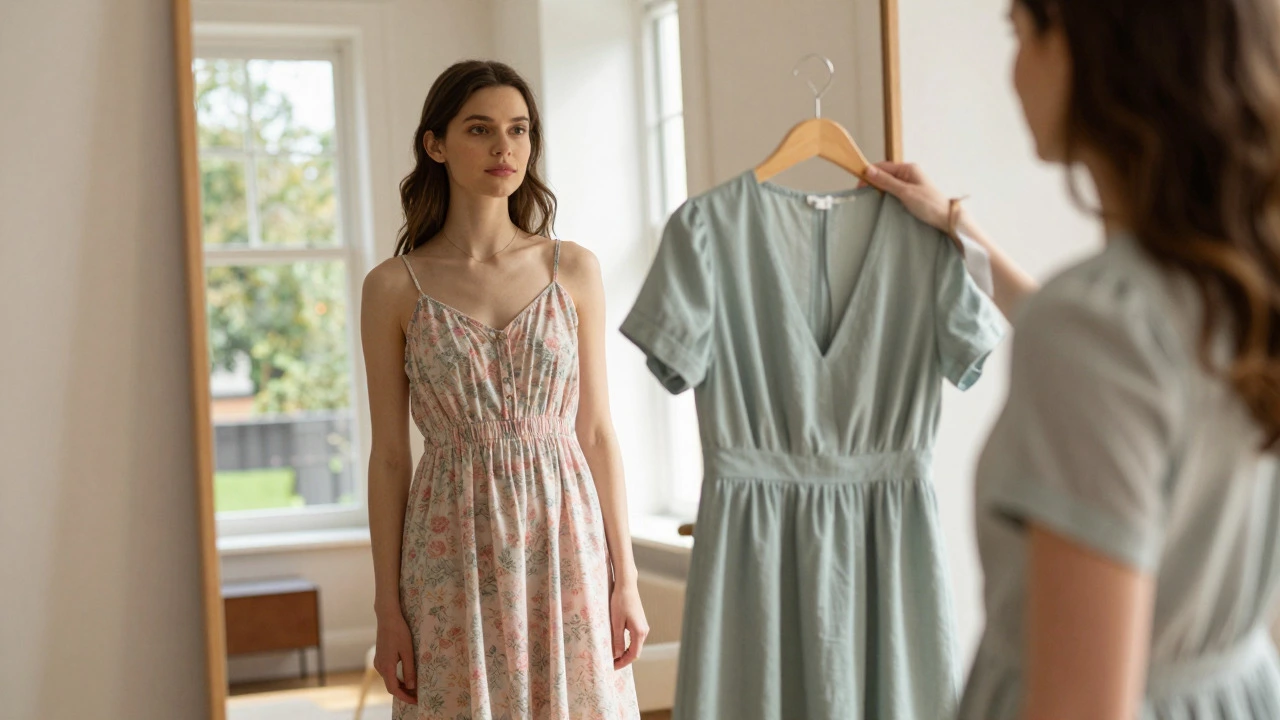
Irish Summer Dress Selector
It is July in Dublin. The sun is actually shining, maybe hitting a rare 20°C, and you are standing in front of your wardrobe trying to decide what to wear to that afternoon gig at Vicar Street or a picnic in Phoenix Park. You have two options: a sundress and a summer dress. They look similar. They are both light. They are both meant for warm weather. But if you pick the wrong one, you might end up freezing when the wind comes off the Liffey or looking overdressed for a casual pint in Temple Bar.
The short answer? A sundress is a specific style of dress designed for maximum heat relief and casual comfort, usually sleeveless and made of very thin fabric. A summer dress is a broader category that includes any dress suitable for warmer months, which can include sleeves, heavier linings, and more structured silhouettes. In Ireland, where our "summer" often involves unpredictable rain and chilly evenings, understanding this distinction isn’t just about fashion-it’s about survival.
Defining the Sundress: The Heat-Proof Essential
Let’s start with the sundress. This garment was born out of necessity for hot, sunny climates. Think Florida summers or Mediterranean holidays. Its primary job is to keep you cool when the UV index is high and there is zero breeze.
A true sundress has specific characteristics:
- Sleeveless design: Most sundresses are strapless, spaghetti-strap, or tank-top style. There is no fabric covering your arms because the goal is airflow.
- Thin, breathable fabrics: You will see cotton, linen, rayon, or chiffon. These materials are so light they feel like wearing nothing at all. Linen is particularly popular here in Ireland because it handles humidity well, even though we don’t get much of it.
- Casual aesthetics: Sundresses rarely have zippers or complex closures. They often feature elasticated waists, drawstrings, or simple ties. Patterns tend to be bright florals, gingham checks, or solid pastel colors.
- Loose fit: While some sundresses are fitted, most are designed to hang loosely from the shoulders or waist to allow air circulation.
If you are heading to the Galway Arts Festival on a dry day, a sundress is perfect for wandering around the streets during the afternoon. However, if the temperature drops below 15°C-and let’s be honest, it often does-you will regret those bare shoulders within minutes.
Understanding the Summer Dress: The Broader Category
Now, let’s talk about the summer dress. This is not a single style but a seasonal classification. Any dress you would reasonably wear between May and September falls into this bucket. This means a summer dress can technically *be* a sundress, but not every summer dress is a sundress.
What makes a dress a "summer dress" rather than a sundress?
- Versatility in structure: A summer dress might have short sleeves, three-quarter sleeves, or even long sheer sleeves. It could have a collar, buttons down the front, or a defined waistline with a belt.
- Heavier or lined fabrics: While still lighter than winter wool, summer dresses might use thicker cotton blends, silk, satin, or even lightweight knits. Some have full linings for modesty or shape retention.
- More formal occasions: You can find summer dresses that are appropriate for weddings, office environments, or dinner dates. A sundress is almost exclusively casual; a summer dress can cross over into smart-casual territory.
- Layering potential: Because many summer dresses have sleeves or higher necklines, they are easier to layer under a cardigan, denim jacket, or blazer without looking awkward.
In an Irish context, the summer dress is often the safer bet. Imagine attending a wedding in County Cork in June. A floral sundress might look too beachy and informal. A midi-length summer dress with short sleeves and a silk lining strikes the right balance between respecting the occasion and acknowledging the season.
Key Differences: Fabric, Fit, and Function
To really understand why these two categories matter, we need to look at the practical differences. Here is a breakdown of how they compare in real-world scenarios.
| Feature | Sundress | Summer Dress |
|---|---|---|
| Sleeves | None (straps only) | Short, cap, three-quarter, or none |
| Fabric Weight | Very light (chiffon, thin cotton) | Light to medium (cotton blends, silk, linen) |
| Formality Level | Casual only | Casual to Smart-Casual |
| Best For | Hot days, beaches, festivals | Office, weddings, variable weather |
| Layering | Difficult (bulky jackets clash) | Easy (works with cardigans/blazers) |
The biggest differentiator is the sleeve situation. If you have bare arms, you are likely wearing a sundress. If you have any coverage, it leans toward a general summer dress. But the fabric weight matters just as much. A thick linen shift dress is a summer dress, but it wouldn’t qualify as a sundress because it doesn’t offer that same level of breathability.

Why This Matters in Ireland’s Climate
Here is the thing about living in Ireland: our weather is famously unreliable. You can experience four seasons in one day. One moment you are sweating in the sunshine on O'Connell Street, and ten minutes later, you are dodging hailstones near Grafton Street.
This unpredictability makes the sundress a risky choice unless you plan ahead. A sundress offers zero protection against sudden rain showers or evening chills. If you rely solely on sundresses for your summer wardrobe, you will find yourself constantly carrying a heavy coat or shivering through concerts.
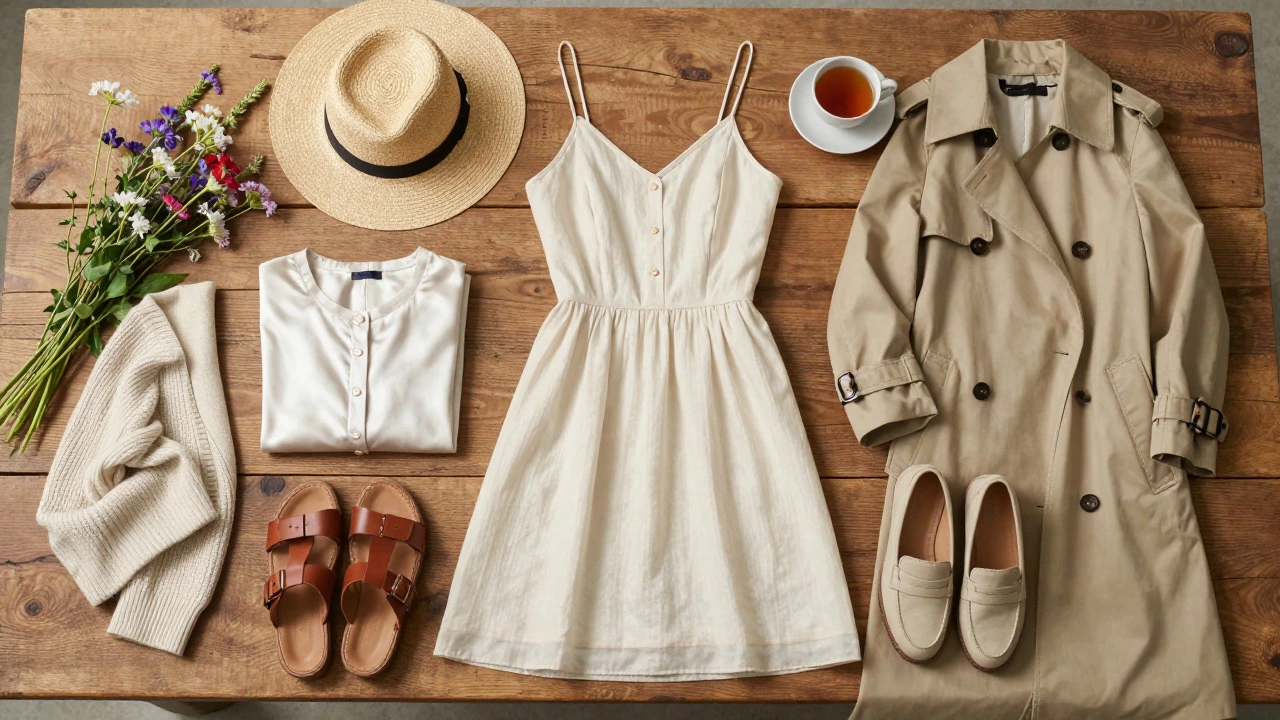
Summer dresses, on the other hand, are built for adaptability. A short-sleeved cotton dress with a bit of structure can handle a mild afternoon and still look decent when you throw a trench coat over it for the walk home. Brands like Mango is a Spanish fashion retailer popular in Ireland for affordable trend-led pieces and local favorites like Trinity is an Irish department store chain known for reliable everyday clothing often stock summer dresses that bridge this gap perfectly. They offer styles that are light enough for warm days but substantial enough for cooler evenings.
Consider the traditional Irish pub crawl. You might start outside in the sun, enjoying a craft beer in Smithfield, then move indoors to a cozy, dimly lit pub in Temple Bar. A sundress might feel too exposed and cold in the unheated corners of older buildings. A summer dress with a slight sheen or texture adds warmth and sophistication without overheating you.
Styling Tips for the Irish Wardrobe
So, how do you build a summer wardrobe that works for our unique climate? The key is mixing both types of dresses while prioritizing layering pieces.
- Invest in versatile layering: Keep a lightweight denim jacket, a fine-knit cardigan, or a tailored blazer close by. These transform a sundress into a summer-appropriate outfit instantly.
- Choose fabrics wisely: Linen is king in Ireland. It wrinkles easily, yes, but it breathes better than almost anything else. Look for linen-blend summer dresses that hold their shape better than pure linen.
- Footwear matters: With a sundress, sandals are standard. But with a summer dress, you can opt for loafers, ankle boots, or even clean sneakers. This gives you more flexibility depending on whether it’s raining or sunny.
- Accessorize for weather: Always carry a compact umbrella. Pair it with a scarf that can double as a blanket if you’re sitting outdoors at a festival like Electric Picnic or Oxegen.
- Know your venue: Check the weather forecast and the venue type before deciding. Beach clubs in Bray? Go for the sundress. A gallery opening in Kildare Street? Stick to a structured summer dress.
Don’t forget about accessories. A wide-brimmed hat protects you from the sun during those rare hot spells, while a stylish tote bag can hold your spare layers. Local designers often create beautiful handmade jewelry that elevates a simple cotton dress into something special for date night.
Where to Shop in Ireland
Finding the right balance of sundresses and summer dresses is easier than ever thanks to Ireland’s diverse retail landscape. High street brands like Zara, H&M, and Primark offer endless options for budget-conscious shoppers. For higher quality, check out independent boutiques in areas like Merrion Square in Dublin or the Latin Quarter in Cork.
Online retailers also play a big role. Sites like ASOS and Net-a-Porter deliver internationally, allowing you to browse global trends. However, supporting local businesses ensures you get pieces tailored to our climate and culture. Shops like Brown Thomas in Dublin often curate collections that reflect European tastes, which align well with Irish preferences for understated elegance.
When shopping online, pay attention to fabric content. Avoid polyester-heavy blends unless they are specifically designed for moisture-wicking. Natural fibers like cotton, linen, and Tencel are better choices for staying comfortable in humid conditions.
Conclusion: Dressing for Reality, Not Just the Forecast
In the end, the difference between a sundress and a summer dress comes down to intent and environment. A sundress is a statement of confidence in the weather-a declaration that you expect sunshine and heat. A summer dress is a pragmatic choice, acknowledging that summer in Ireland is a mix of glorious highs and damp lows.
You don’t have to choose one over the other. The best wardrobe includes both. Keep a few sundresses for those magical July afternoons when the sky stays blue and the temperature climbs. Fill the rest of your closet with versatile summer dresses that can handle whatever Mother Nature throws at you. After all, fashion should make you feel good, not freeze you out.
Can I wear a sundress to work in Ireland?
Generally, no. Most Irish offices have a smart-casual or business-casual dress code. A sundress is too casual and revealing for most professional settings. Opt for a summer dress with sleeves, a higher neckline, and a more structured silhouette instead.
What fabric is best for an Irish summer?
Linen and cotton are the best choices. Linen breathes exceptionally well and dries quickly, making it ideal for sudden rain showers. Cotton is soft, durable, and easy to care for. Avoid synthetic fabrics like polyester unless they are blended with natural fibers for better airflow.
How do I layer a sundress for cooler weather?
Pair your sundress with a lightweight denim jacket, a chunky knit cardigan, or a tailored blazer. Add tights or leggings underneath if it gets really cold. Finish the look with ankle boots or closed-toe shoes to protect your feet from damp grass or pavement.
Are sundresses appropriate for weddings in Ireland?
Only for very casual beach or garden weddings. For most Irish weddings, especially those held in churches or historic venues, a sundress may appear too informal. Choose a summer dress with more structure, such as a midi-length style with sleeves or a lace overlay, to show respect for the occasion.
Where can I buy high-quality summer dresses in Dublin?
You can find great options at Trinity Stores, Brown Thomas, and independent boutiques in Merrion Square and George's Street. Online, ASOS and Zara offer affordable choices, while Net-a-Porter provides luxury designer pieces. Always check fabric composition to ensure suitability for Ireland's variable climate.