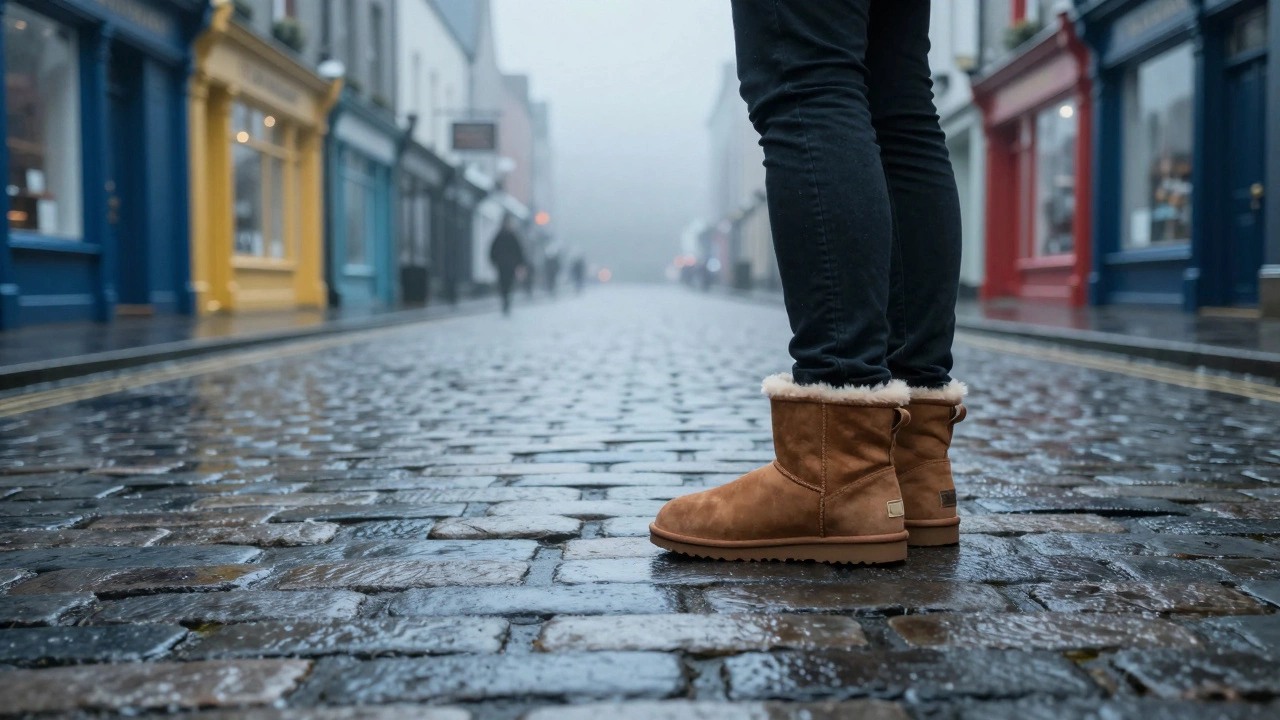
UGG Sock Selection Guide
Where are you heading? Select your activity and weather condition to get the recommended footwear setup.
The Verdict
Select your options above to see the best way to wear your UGGs.
The secret is in the sheepskin
To understand why you don't technically need socks, we have to look at what's inside the boot. UGG boots aren't just lined with faux fur; they use Sheepskin, which is a natural material with some pretty impressive properties. Sheepskin is highly breathable and moisture-wicking. It absorbs sweat from your feet and moves it away from the skin, keeping you warm without making your feet feel swampy. When you add a cotton sock into the mix, you create a barrier. Cotton is the enemy of warmth in a wet climate like ours. Once a cotton sock absorbs moisture-whether from sweat or a leak through the sole during a walk in St. Stephen's Green-it stays wet. This traps the cold against your skin and prevents the natural sheepskin from doing its job. Essentially, by adding a standard sock, you're blocking the very mechanism that keeps your feet toastier than a fresh scone from a local bakery.The danger of the "too tight" fit
Have you ever felt your toes cramping after an hour of wearing boots? That's often the result of adding thick woolly socks to a boot that's already snugly lined. UGG boots are designed to contour to your foot. When you stuff a pair of heavy hiking socks inside, you reduce the air circulation around your toes. Air pockets are what actually provide insulation. By squeezing all the air out of the boot with extra layers, you're ironically making your feet colder. It's the same reason why wearing three thin shirts is often warmer than one giant, tight sweater-you need those layers of air to trap heat. If your boots feel tight, you're restricting blood flow, and nothing kills warmth faster than poor circulation.| Option | Warmth Level | Moisture Control | Comfort/Fit |
|---|---|---|---|
| Bare Foot (Sheepskin) | High (Natural) | Excellent | Perfect fit |
| Cotton Socks | Low (once damp) | Poor | Can feel tight |
| Merino Wool Socks | Very High | Good | Tight / Cramped |
When you actually should wear socks
Now, I'm not saying you should never ever wear socks. There are a few scenarios where a sock is actually your best friend. First, let's talk about the "break-in" period. If you've just bought a brand new pair from a shop in Dundrum or ordered them online, the edges of the sheepskin can sometimes rub against your ankles. A thin, seamless liner sock can prevent blisters until the leather softens. Then there's the hygiene factor. While sheepskin is antimicrobial, anyone who lives in the Irish midlands knows that "winter" is often just a fancy word for "constant rain." If you're walking through slushy streets, your feet might get damp. In these cases, a pair of Merino Wool socks is the way to go. Unlike cotton, Merino wool stays warm even when wet and doesn't itch. Just make sure you size up your boots slightly if you plan on wearing them exclusively with wool socks.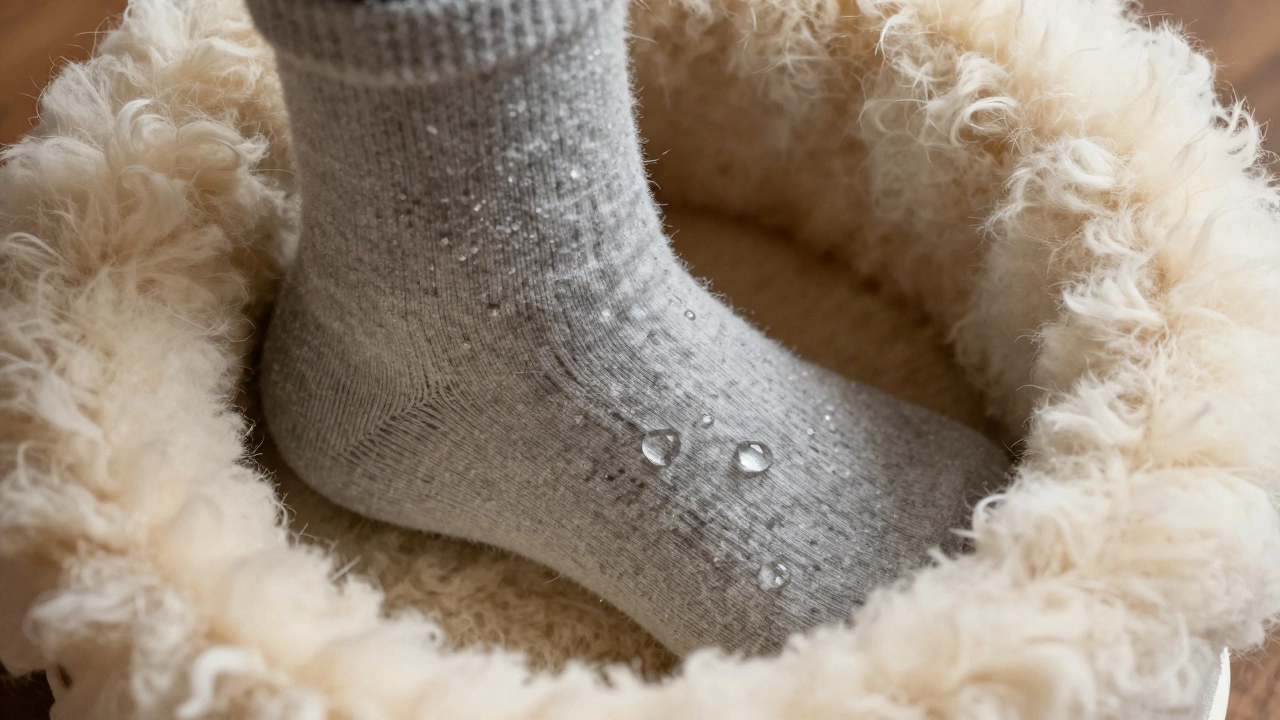
Dealing with the Irish damp
One of the biggest struggles with wearing boots across the Emerald Isle is the humidity. We don't get the dry, crisp cold of Canada; we get a damp chill that seeps into everything. Because Sheepskin is a porous material, it can absorb water if you're walking through puddles in Temple Bar. If you find your boots are getting damp, the worst thing you can do is blast them with a heater or put them on a radiator. This shrinks the leather and makes the sheepskin brittle. Instead, stuff them with newspaper or use a dedicated boot dryer. If you feel the need for extra warmth because of a particularly brutal February snap, try wearing a thin wool sock that stops at the ankle, allowing the rest of the boot to breathe.Maintaining your boots for longevity
If you choose to go sockless, you might worry about the boots smelling over time. Here is a pro tip: use a specialized Suede Protector spray. This doesn't just keep the water out; it helps the exterior maintain its structure. To keep the inside fresh, avoid using heavy perfumes or powders inside the boot, as these can clog the natural pores of the sheepskin. Also, give your boots a "rest day." Wearing them every single day without a break doesn't give the sheepskin time to fully dry out from the moisture your feet produce. Switch between two pairs if you can, or simply leave them in a well-ventilated area away from direct heat sources.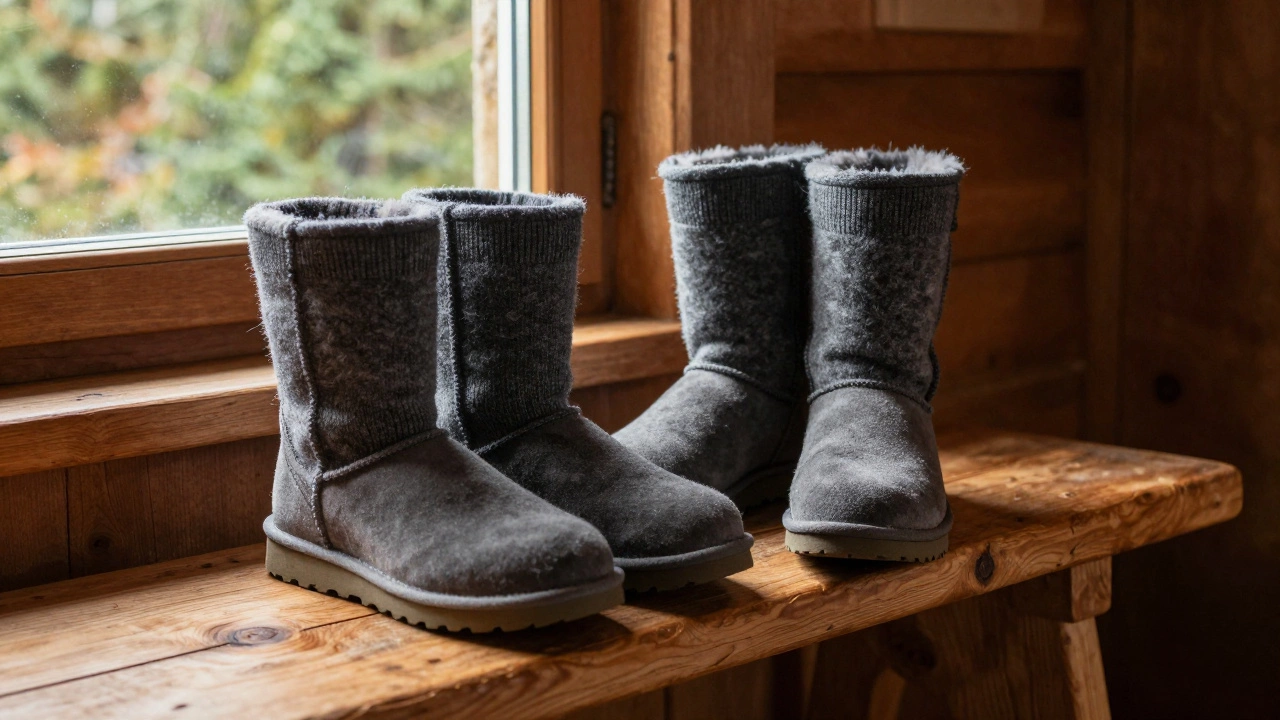
The final verdict on the sock debate
So, why are there no socks in the photos? Because the brand wants you to experience the thermoregulation of pure sheepskin. In the dry cold, they are a miracle. In the Irish rain, they are a challenge. The goal is to balance the natural warmth of the boot with the reality of our weather. If you're just popping to the shops, go bare. If you're venturing out for a long walk in the Wicklow Mountains, reach for the Merino wool.Will wearing socks make my UGGs wear out faster?
Not necessarily, but if the socks are too thick, they can stretch the leather and the stitching of the boot over time. This can lead to the boot losing its shape or developing gaps where cold air can leak in.
Do UGGs get smelly if you don't wear socks?
Sheepskin is naturally antimicrobial, meaning it resists odors better than synthetic materials. However, if you sweat a lot, moisture can build up. Rotating your boots and using a sheepskin cleaner can keep them smelling fresh.
What is the best type of sock to wear with sheepskin boots?
If you must wear socks, avoid cotton at all costs. Opt for Merino wool or a cashmere blend. These materials wick moisture away and provide warmth without adding too much bulk to the boot.
Can I wear UGGs in the rain?
Standard sheepskin boots aren't waterproof. While they can handle a light mist, heavy Irish rain will soak through the suede. Use a water-repellent spray or choose the "waterproof" specific models for rainy days.
Why do my feet feel colder with socks on in my boots?
This usually happens because the sock is too thick, compressing the air and restricting blood flow to your toes. Additionally, if the sock is cotton, it may be trapping moisture against your skin, which chills your feet rapidly.