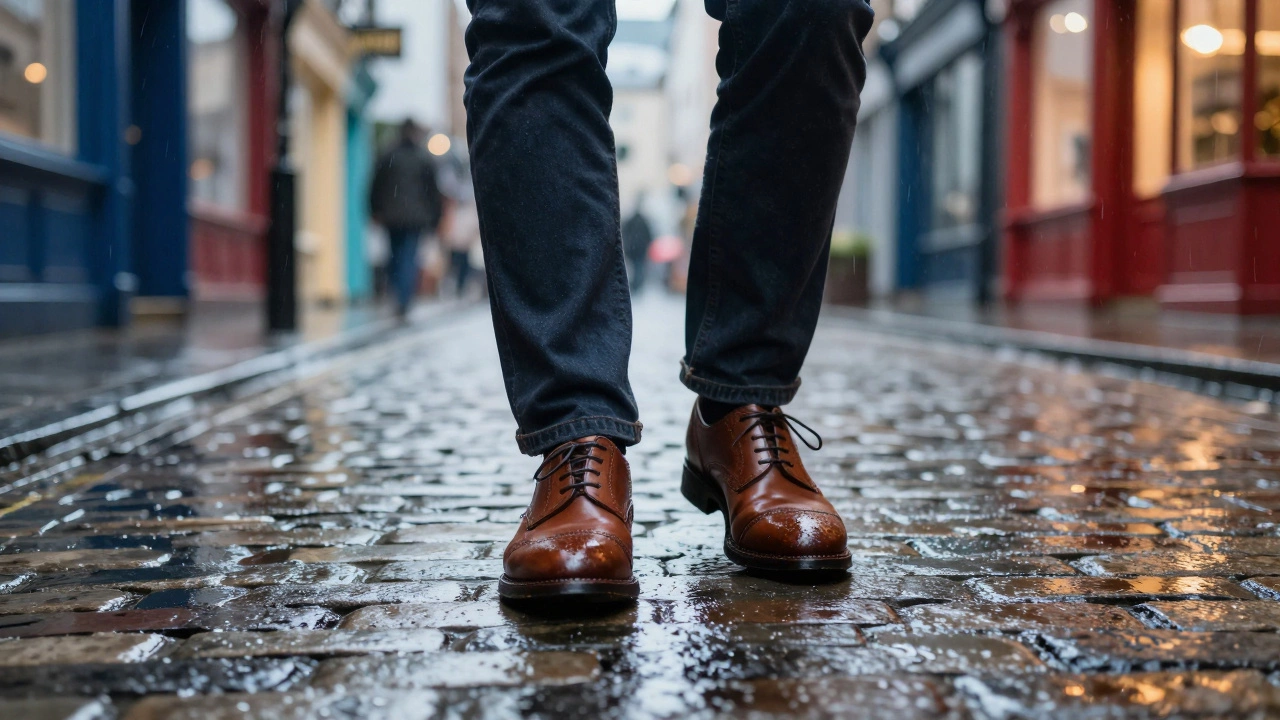
Leather Shoe & Sock Advisor
Select your current scenario to find the perfect sock match for your leather footwear.
Recommended Choice: -
Please select both weather and shoe style.
Key Takeaways for Your Feet
- Hygiene: Socks absorb moisture, preventing bacteria and odor from settling into the leather.
- Protection: They act as a barrier against friction and blisters, especially during long walks in Dublin or Cork.
- Longevity: Wearing socks extends the life of your shoes by stopping sweat from breaking down the inner lining.
- Climate Fit: Use wool for winter dampness and invisible 'no-show' socks for a summer look.
Why Going Barefoot is a Risky Move
Walking without socks in leather shoes is a recipe for disaster, especially when the humidity levels in the Irish east coast hit their peak. When your bare skin touches the leather, your feet sweat. Leather is porous, meaning it drinks up that moisture. Over time, this creates a damp environment where bacteria thrive, leading to that distinct, unpleasant smell that no amount of powder can fix.
Then there's the friction. Have you ever felt that sharp sting on your heel after ten minutes of walking? That's the leather rubbing directly against your skin. In a city like Dublin, where we do a lot of walking between the Dart and our offices, a few blocks without a barrier can lead to blisters that take days to heal. A simple pair of socks creates a glide layer, allowing your foot to move naturally without shredding the skin.
Choosing the Right Socks for the Irish Climate
Not all socks are created equal. If you're wearing oxfords to a wedding at a venue in Wicklow, you wouldn't wear thick gym socks. The choice of material changes how the shoe fits and how your feet feel.
For the colder months, merino wool is the gold standard. Unlike cotton, which holds onto water (a nightmare during a sudden drizzle in Galway), merino wool wicks moisture away from the skin and keeps you warm even if it gets slightly damp. It's naturally antimicrobial, which means your shoes stay fresher for longer.
When the sun actually appears in July and you're wearing leather loafers for a casual lunch, you might want the 'sockless' look. Instead of actually going barefoot, use no-show socks. These are cut low to hide beneath the shoe's rim, giving you the aesthetic of bare ankles while still providing the sweat-absorption benefits of a real sock.
| Material | Best Use Case | Moisture Control | Warmth Level |
|---|---|---|---|
| Merino Wool | Winter/Autumn walking | Excellent | High |
| Cotton Blend | Office/Formal events | Moderate | Medium |
| Bamboo | Summer/Spring | Good | Low/Medium |
| Synthetic/Nylon | Active/Performance | High | Low |
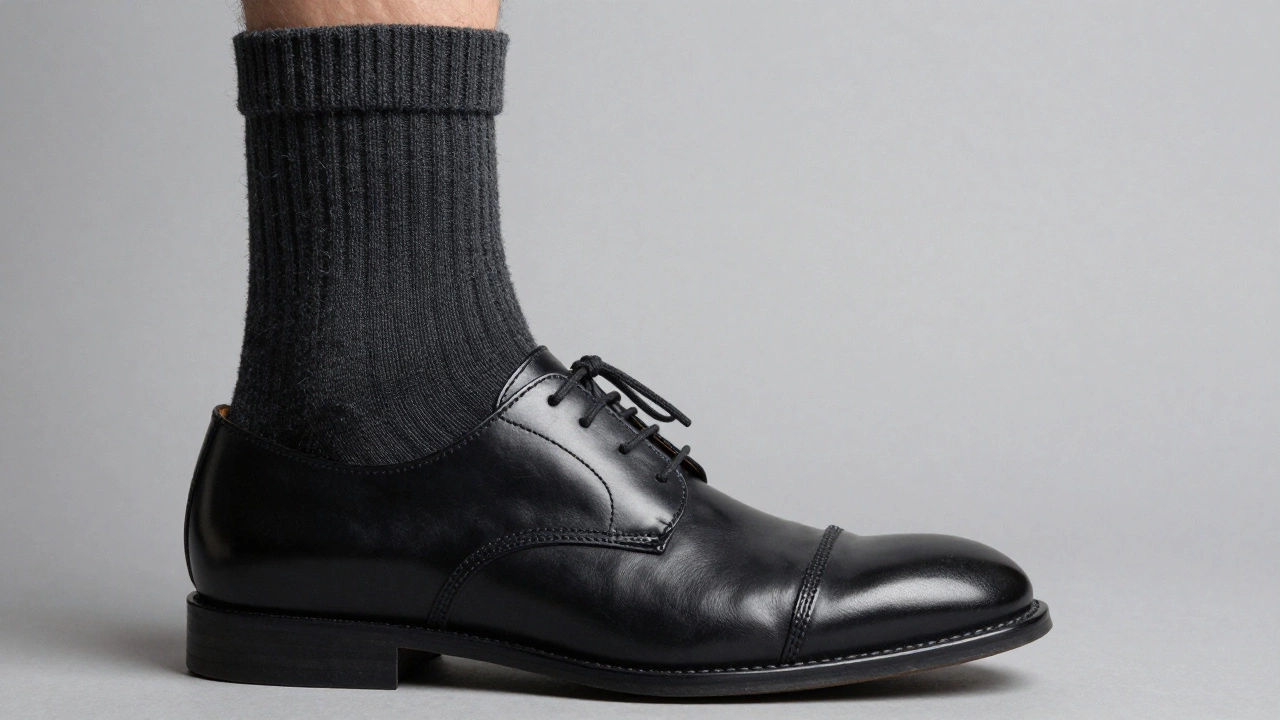
The Impact on Shoe Longevity
Leather is an organic material. Whether you're wearing high-end Brogues or a pair of classic boots, the interior lining is designed to handle some moisture, but not a constant soak of foot sweat. When sweat penetrates the leather, it can cause the material to stiffen, crack, or rot from the inside out.
If you regularly wear your shoes without socks, you'll notice the insoles wearing down much faster. The salt from your skin reacts with the tanning agents in the leather, causing the footbed to degrade. By using socks, you're essentially placing a protective filter between your body and your investment. This is especially true for those investing in handcrafted shoes from local Irish cobblers, where the quality of the leather deserves a long life.
Practical Tips for Leather Shoe Care in Ireland
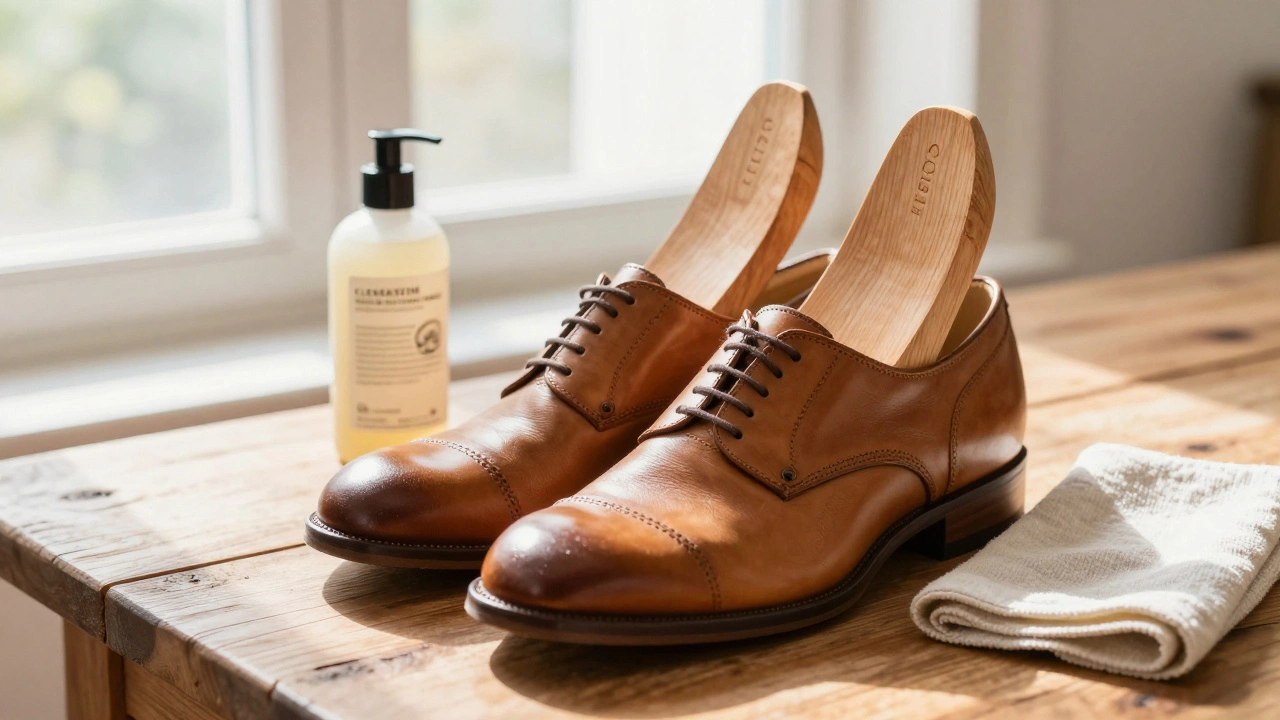
Living in a place where it can rain three times in one hour requires a specific strategy. Beyond the socks, how you treat the shoes matters. First, always use shoe trees. Cedar wood shoe trees are fantastic because they pull moisture out of the leather after a rainy day in the city and help the shoe maintain its shape.
Second, rotate your footwear. Never wear the same pair of leather shoes two days in a row. Leather needs at least 24 hours to fully dry out. If you wear them daily, the moisture builds up in the fibers, making the leather soft and prone to stretching or tearing. Swap between your work shoes and a more casual pair to give the material time to breathe.
Lastly, consider a water-repellent spray. While not a replacement for a proper polish, a quality protector helps keep the dampness of the Irish streets from soaking into the grain. Just make sure the spray is compatible with the type of leather you have-suede requires a different approach than polished calfskin.
When is it Actually Okay to Go Sockless?
There are very few times when going truly sockless is recommended, but if you must, keep it brief. A short trip from the car to a beach club in Kerry or a quick stroll in a hotel might be fine. However, the moment you start walking significant distances, the risk of blisters increases. If you insist on the look, the 'invisible sock' mentioned earlier is the only professional way to do it. It tricks the eye while saving your skin.
Will wearing socks make my leather shoes too tight?
If your shoes fit perfectly with bare feet, they might feel snug with socks. However, leather shoes are designed to be worn with socks. If they are too tight, it's usually a sign that the shoe size is too small or the width is incorrect. You can try using thinner dress socks or a shoe stretcher to create a bit more room without sacrificing the fit.
Can I wear white socks with brown leather shoes?
Generally, no. White socks are for athletic wear. For brown leather shoes, stick to navy, charcoal, or shades of brown and burgundy. A good rule of thumb is to match your socks to your trousers, not your shoes, which creates a seamless line and makes you look taller.
How do I stop my leather shoes from smelling if I've already worn them without socks?
Start by cleaning the interior with a damp cloth and a mild soap. Once dry, use a mixture of baking soda and a few drops of essential oil, or buy a commercial deodorizer spray. Moving forward, always use cedar shoe trees and never wear the shoes without socks again to prevent the odor from returning.
Which socks are best for leather boots in the winter?
Go for heavy-gauge merino wool socks. They provide the necessary cushioning for the stiffer leather of a boot and offer the best thermal properties for the Irish winter. Avoid 100% cotton, as it will trap moisture and make your feet feel colder once the rain starts.
Do no-show socks actually work in leather loafers?
Yes, provided you buy ones with silicone grips on the heel. Without the grips, they tend to slide down and bunch up under your arch, which is incredibly annoying. A good pair of no-show socks protects the inner lining of the loafer from sweat while maintaining that effortless summer aesthetic.
Next Steps for Your Footwear Game
If you're currently staring at a pair of shoes that feel a bit too tight with socks, don't force it. Try wearing a thinner pair of bamboo socks first. If that doesn't work, a local cobbler can often stretch the leather by a few millimeters to give you that extra breathing room.
For those who have already damaged their shoes by going sockless, it's not too late. A deep clean of the interior and a transition to high-quality merino wool will slow down the degradation. If you're shopping for new pairs, look for shoes with a leather lining rather than synthetic, as they breathe better and work more harmoniously with the right socks.