Senior Slipper Safety Checker
Check Your Indoor Footwear
Answer these 4 questions to determine if your current indoor shoes are safe for Irish flooring.
The Slipper Debate in Irish Homes
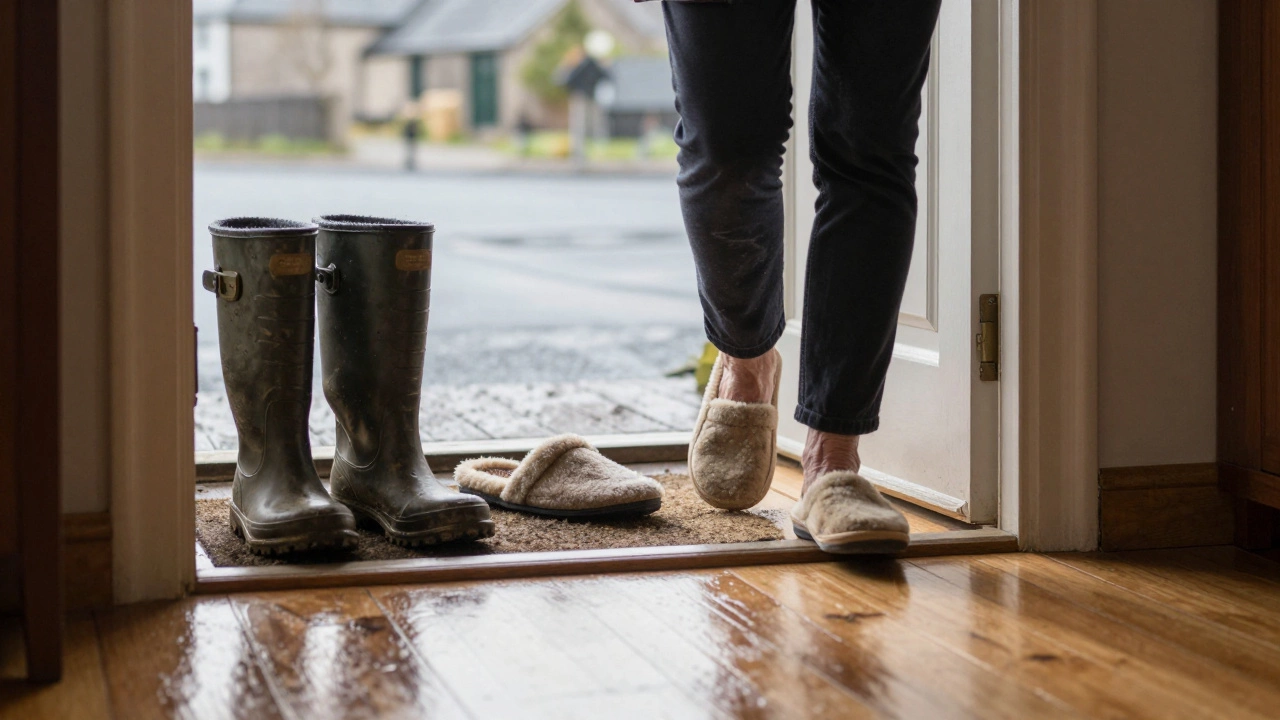
In many Irish households, the front door greets you with a pile of wet wellies and muddy boots. When the rain lashes down outside, stepping into warm, soft indoor footwear feels like a relief. But is this habit safe for older adults? For seniors living in Ireland, where homes often feature polished wood, lino, or tiling, the question isn't just about comfort-it is about preventing falls.
We need to look past the nostalgia of old-fashioned wool house shoes and focus on the mechanics of foot health. Many older relatives insist on wearing their favorite fluffy pair from childhood memories, regardless of how slippery the sole might be. While cozy, these traditional options often lack the structural support needed for a mature body. A study by the Health Service Executive highlights that falling indoors remains a leading cause of injury among older people. Your choice of footwear plays a massive role in mitigating this risk.
Why Standard Slippers Can Be Dangerous
Most off-the-shelf slippers found in department stores aren't built for stability. They often have thin fabric bases or loose cotton straps that bunch up under the heel. In an Irish hallway, where water tracks onto the floor after a typical winter shower, a smooth rubber sole might become slicker than a ceramic tile itself.
Senior physiology changes significantly over time. Grip strength weakens, balance naturally declines, and reaction times slow down. Walking barefoot in a cold room can cause muscles to stiffen, reducing proprioception-the ability to sense your body's position. This creates a perfect storm for tripping.
- Loose Fit: Baggy slippers require more leg movement to stay on, which can trip a walker.
- Sole Material: Cheap felt bottoms slide easily on treated wooden floors.
- Heel Support: Many lack a defined heel counter, leaving the ankle unstable.
Finding Safe Footwear for Older Feet
This doesn't mean you should live in orthopedic clamps. It means choosing a "Safe House Shoe" designed specifically for stability. Look for features that mimic outdoor walking shoes but offer indoor breathability. The goal is to find something that protects the feet from the cold without compromising traction.
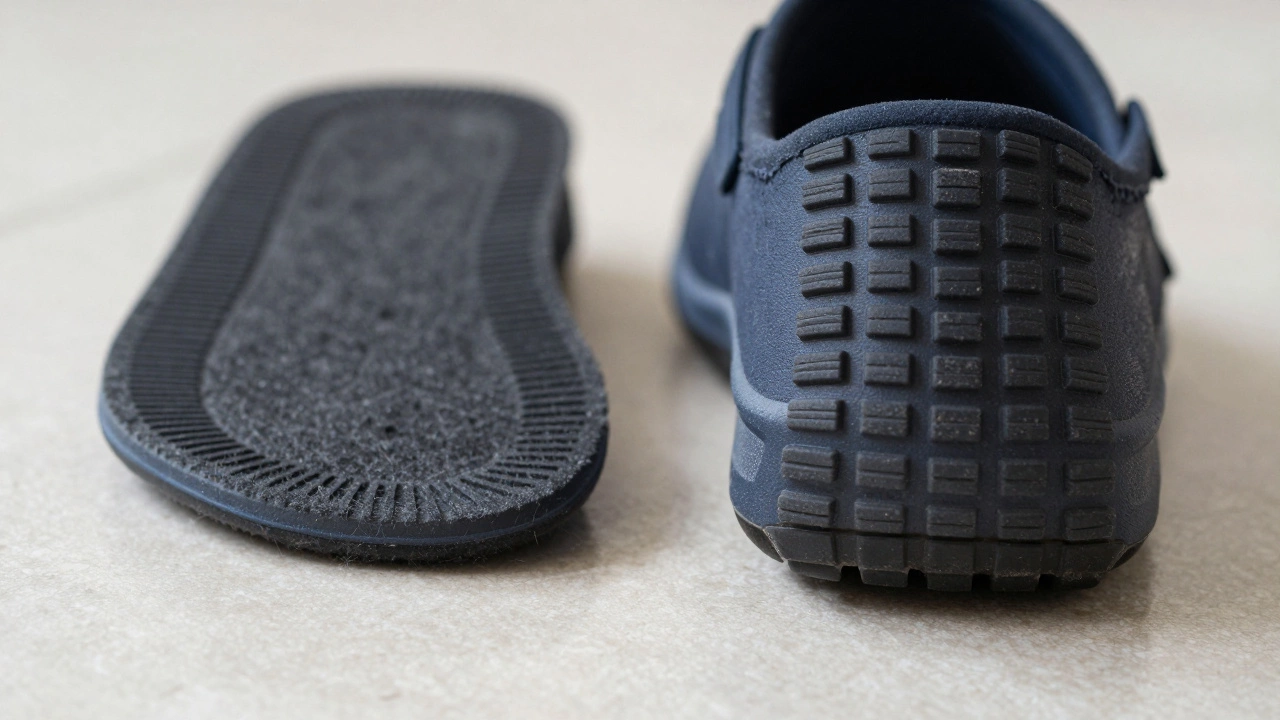
If you are shopping in Dublin or ordering online, ignore the "slipper" label if the specs don't match safety criteria. Instead, prioritize products marketed as anti-slip footwear. You want a combination of thermal insulation for our damp climate and a textured rubber outsole that channels water away rather than trapping it.
The Role of Professional Advice
Before making a purchase, consider visiting a Podiatrist. These specialists understand gait patterns better than anyone. They can assess if your family member has developed bunions, arthritis, or plantar fasciitis that requires customised cushioning. Regular footwear fittings are just as vital as dental visits for maintaining mobility.
The Society for Prevention of Accidents recommends checking three core attributes: fit, sole, and closure. If the slipper slips off when you walk briskly, discard it. Safety shouldn't rely on luck.
Comparing Indoor Footwear Types
| Feature | Traditional Wool Slipper | Flip-Flops / Crocs | Medical-Grade House Shoes |
|---|---|---|---|
| Slip Resistance | Low (High Risk) | Variable | Very High |
| Ankle Support | None | None | Good (Ankle High) |
| Thermal Insulation | Excellent | Poor | Moderate to Excellent |
| Suitability for Arthritis | Comfortable but Unsafe | Can aggravate joints | Designed for joint relief |
Caring for Your Feet at Home
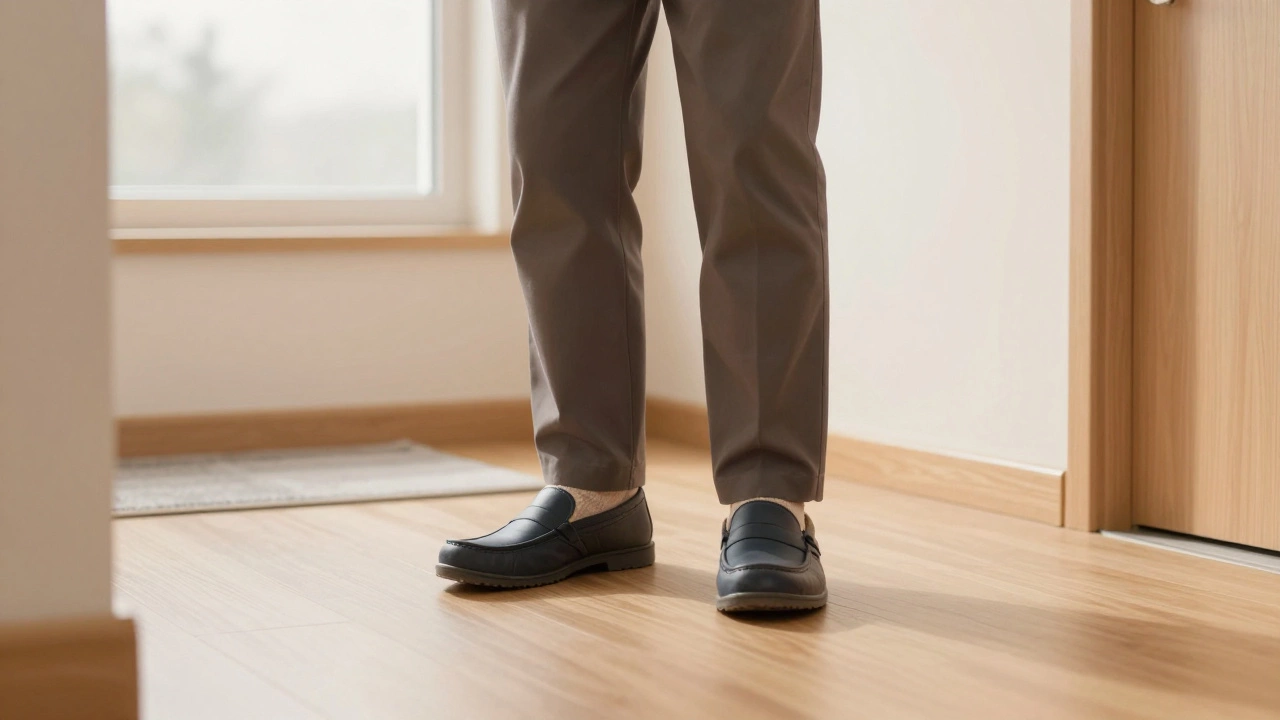
Beyond the shoe itself, the environment matters immensely. In rural Irish homes, drafts and stone floors can chill feet rapidly. Wearing thick socks inside a supportive shoe maintains warmth without sacrificing safety. Furthermore, regular checks of carpets and rugs ensure there are no loose edges to trip over. Even the best footwear cannot save you from a rug flip.
Keep drying areas near the entrance organized. Wet surfaces are magnets for bacteria and mold, which affect foot skin health, especially for those with diabetes. Good circulation keeps feet warm and prevents fungal infections that thrive in moisture.
Frequently Asked Questions
Are all slippers dangerous for seniors?
Not necessarily, but most cheap ones are. Traditional open-toe sandals or fabric-backed mules lack support. Only slippers with sturdy soles and closed backs are considered safe for walking around the house.
What kind of slipper works best in Irish weather?
Look for waterproof uppers and thermal lining. Since Ireland has high humidity and damp winters, materials that dry quickly and insulate against cold stones or tiles are essential.
Can I wear memory foam slippers if I have diabetes?
Yes, but caution is required. Diabetes affects sensation in the feet. Check for pressure points daily. Ensure the foam does not create friction blisters inside the toe box.
How do I know if my slippers have slipped soles?
Perform the "water test." Pour a little water on your kitchen tile. Walk across it in the shoe. If you feel any sliding motion or hear a squeak, the grip is insufficient for safety.
Where can I find safe footwear in Ireland?
Specialist medical supply shops in major towns like Galway or Cork stock therapeutic footwear. Online retailers offering "non-slip certifications" also provide reliable options suitable for post-hospital recovery.