Irish School Uniform Estimator
Select your child's school level to view the traditional color palette and estimate the annual uniform cost.
Results will appear here after you select a level and click calculate.
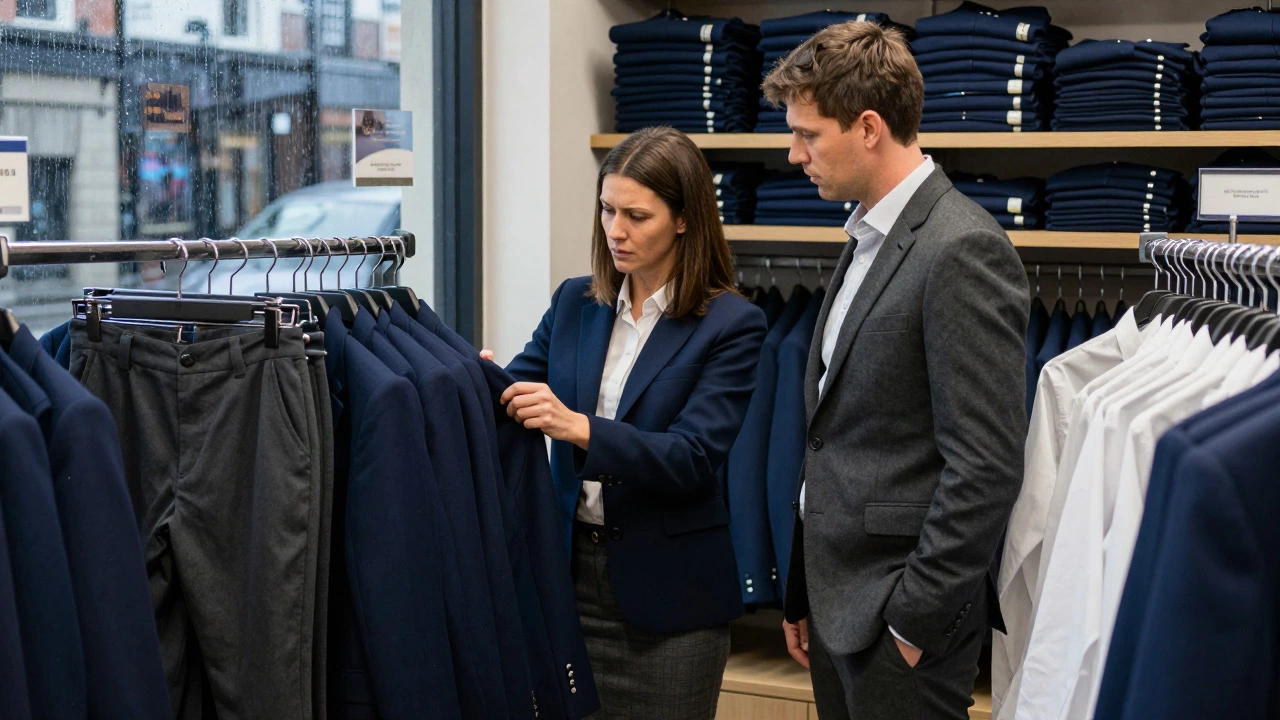
Walk past any school uniform shop in Dublin or Cork on a busy Saturday morning, and you will see the same thing: parents staring at racks of navy blue blazers and grey trousers, trying to figure out if their child’s new outfit matches the strict rules of their local principal. If you are moving to Ireland or have just enrolled your kids, you might be wondering exactly what color these uniforms are. The short answer? There is no single national standard. In Ireland, school uniform colors are decided by each individual school, not the government. However, certain patterns dominate the landscape, heavily influenced by tradition, practicality, and the specific ethos of the institution.
The Traditional Palette: Navy, Grey, and Black
If you had to pick one color that defines Irish schooling, it would be navy blue. It is the backbone of secondary school attire across the country. Why navy? It hides stains from chalk dust and lunch better than white, and it looks professional without being as severe as black. Most secondary schools in cities like Galway, Limerick, and Belfast (though Northern Ireland has its own distinct system) stick to a base of navy blazers, dark grey or black trousers, and plain white shirts.
For girls, this often translates into a navy pinafore dress or a pleated skirt in a matching dark tone. Boys usually wear charcoal or black trousers. This "uniformity" isn't just about fashion; it is about removing socioeconomic markers. When everyone wears the same shade of grey, you cannot tell who bought their shoes in Penneys and who bought them in Brown Thomas. It levels the playing field, at least in theory.
Primary School Variations: Brighter and Softer
Primary schools take a different approach. Here, you will see much more variety. While secondary schools lean towards somber tones, primary schools often use lighter colors to reflect a more relaxed environment. Many public primary schools allow children to wear their own clothes, provided they are smart and tidy. But for those that do enforce a uniform, you will frequently see:
- Navy Blue Polos: Often with the school crest embroidered on the chest.
- Grey Joggers or Tracksuits: For PE and younger classes.
- White Shirts: Almost universally required for formal assemblies.
- Green Accents: Ties or socks featuring green stripes, nodding to Irish identity without being too overtly patriotic.
In rural areas, such as parts of County Kerry or Donegal, some smaller schools might opt for earth tones like forest green or brown to blend with the local landscape, though this is rare. The trend in recent years has shifted toward comfort. You will notice more tracksuit bottoms replacing stiff trousers for junior infants, acknowledging that five-year-olds need to run around, not sit still.
| School Level | Typical Top Colors | Typical Bottom Colors | Footwear Expectations |
|---|---|---|---|
| Junior Primary (Ages 4-8) | Navy, White, Light Grey | Black, Navy, Dark Green | Black Leather Shoes or Clean Trainers |
| Senior Primary (Ages 9-12) | White Shirt, Navy Polo | Grey Trousers/Skirt | Black Leather Shoes |
| Secondary School (Ages 13-17) | White Shirt, Navy/Black Blazer | Charcoal, Black, Navy | Strictly Black Leather Shoes |
| Voluntary Secondary | Varies by Ethos (e.g., Green for Christian Brothers) | Dark Neutral Tones | Polished Black Shoes |
The Role of Religious Ethos in Color Choice
Ireland’s education system is historically divided between state-run Community National Schools and voluntary secondary schools run by religious orders. This history leaves a visible mark on uniform colors. For example, schools run by the Christian Brothers often feature green ties or trim, referencing their order’s color. Loreto schools, named after Our Lady of Loreto, traditionally favor navy blue with white collars, sometimes accented with light blue or silver to honor the Marian theme.
If you are enrolling in a Gaelscoil (Irish-language school), you might find a stronger emphasis on traditional Irish symbols. Some Gaelscoileanna incorporate saffron yellow or deep green into their crests and ties, distinguishing them from mainstream English-medium schools. These subtle color cues help identify which community a student belongs to, even before they speak.
PE Kits: Where Color Gets Loud
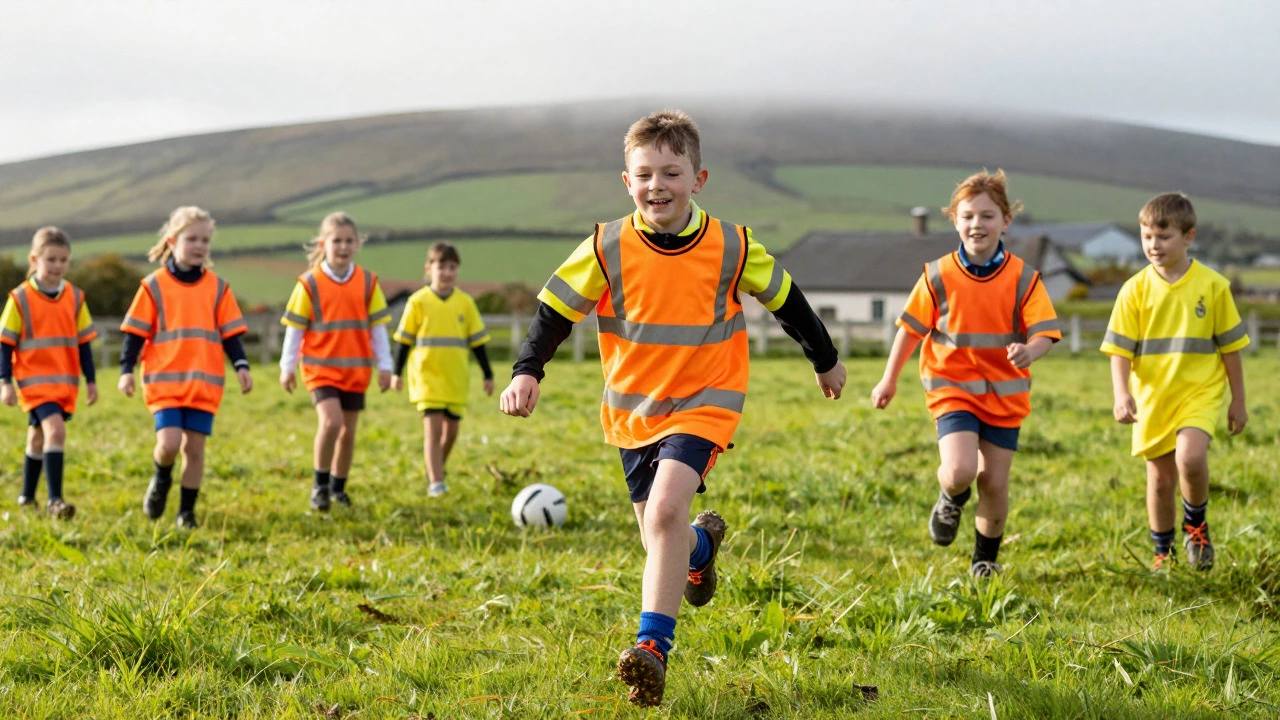
While academic uniforms stay muted, Physical Education kits are where schools let loose. Unlike the daily wear, PE uniforms are almost always brightly colored. This is practical for safety and team identification during sports like Gaelic football or hurling. You will see:
- Bright Orange or Yellow: Common for visibility in winter training sessions when daylight is scarce.
- Team-Specific Colors: If a school competes in the All-Ireland Schools competitions, their kit might match the county colors-like green and gold for Kerry students or red for Cork.
- Reflective Strips: Essential for early morning runs or late afternoon practices, especially in darker months like November and January.
Parents should note that while the main uniform is expensive, PE kits are often sold separately and can be purchased from local sports shops rather than specialized uniform retailers. This saves money and allows for easier replacement when the inevitable grass stains happen.
Modern Trends: Gender Neutrality and Comfort
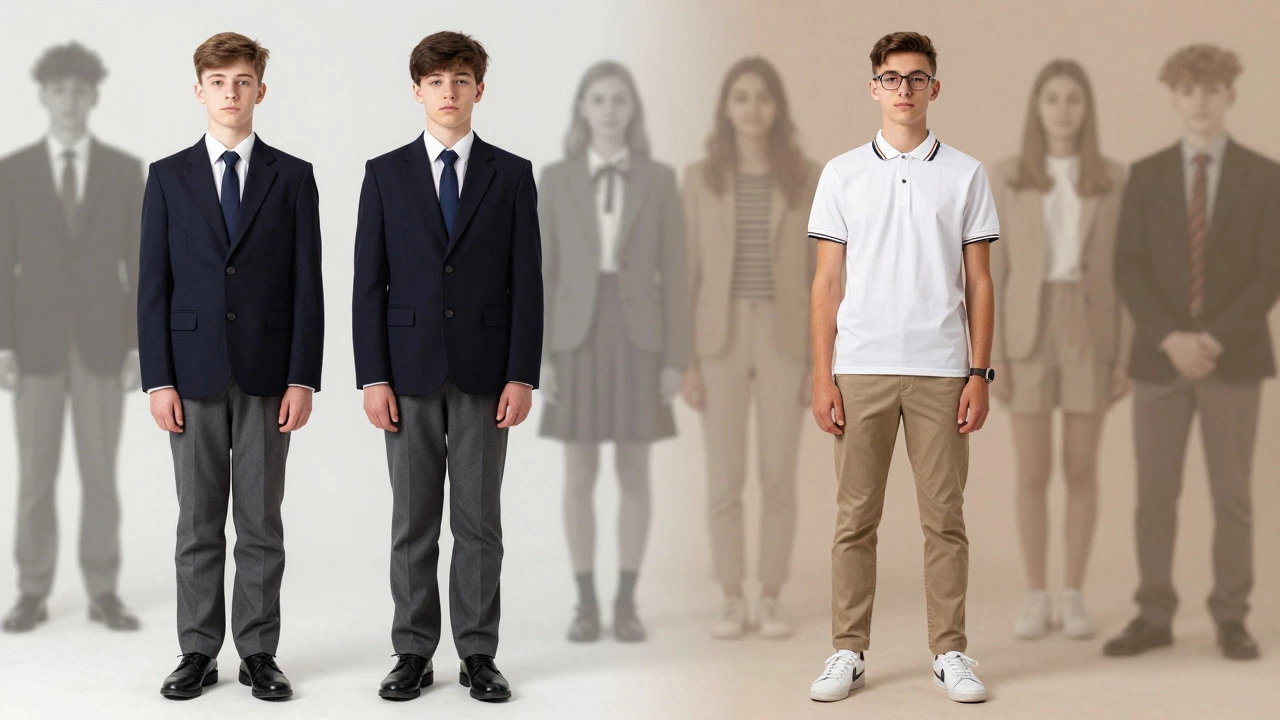
The rigid binary of "skirt for girls, trousers for boys" is fading. Since 2020, many Irish schools have updated their policies to allow gender-neutral options. Girls can now choose trousers instead of skirts, and boys might opt for skirts in some progressive urban schools, though this is less common. The color palette remains largely the same, but the cut and style are changing.
You will also see a rise in "smart casual" policies. Some newer Educate Together schools, which are multi-denominational, may not require a full uniform at all. Instead, they ask for a polo shirt in a specific color (often the school’s brand color) and jeans or chinos. This reduces the financial burden on families, a significant factor given the rising cost of living in Ireland. Brands like Dunnes Stores and Tesco have stepped up, offering affordable basics that meet these looser criteria.
Buying Tips for Irish Parents
Don’t buy everything in August. By then, prices peak, and sizes sell out. Here is how to navigate the market:
- Check the School Website First: Every school publishes a uniform policy PDF. Look for specific hex codes or fabric requirements (e.g., "polyester-blend only").
- Wait for Sales: Late June and early July offer discounts, but stock is low. August sales are safer for availability but higher priced.
- Buy Second-Hand: Facebook groups dedicated to local areas (e.g., "Dublin Northside Parents") are goldmines for gently used blazers. Children grow fast; buying new every year is wasteful.
- Consider the Weather: Ireland is wet. Ensure blazers are water-resistant or invest in a good raincoat that fits over the uniform. Waterproof boots are non-negotiable for rural schools with muddy fields.
Frequently Asked Questions
Do all schools in Ireland require a uniform?
No. While most secondary schools and many primary schools require a uniform, some primary schools operate under a "smart dress" code. Additionally, some alternative educational models, such as Steiner schools or certain Gaelscoileanna, may have very flexible or no uniform policies, allowing children to wear comfortable, everyday clothing.
Can I buy school uniforms online?
Yes, many schools have partnered with online suppliers like O’Neill’s or specialized uniform companies. However, sizing can vary significantly between brands. It is highly recommended to try items on in-store if possible, especially for blazers and shoes, to ensure proper fit before committing to a bulk purchase.
What happens if my child wears the wrong color?
Policies vary. Strict schools may send a child home to change, causing disruption to the school day. More lenient schools might issue a warning or a detention. It is best to clarify the tolerance level with the school administration beforehand, especially regarding minor deviations like sock color or tie pattern.
Are branded trainers allowed in Irish schools?
Generally, no. Most Irish schools insist on plain black leather shoes for daily wear to maintain uniformity. Branded trainers are typically reserved for PE lessons. Exceptions are sometimes made for medical reasons, supported by a doctor’s note, allowing orthopedic-friendly footwear.
How much does a full school uniform cost in Ireland?
Costs vary widely. A basic primary school kit might cost €50-€80. A secondary school uniform, including a blazer, several shirts, trousers/skirts, and shoes, can range from €150 to €300 depending on the brand and retailer. Buying second-hand can reduce this cost by up to 50%.