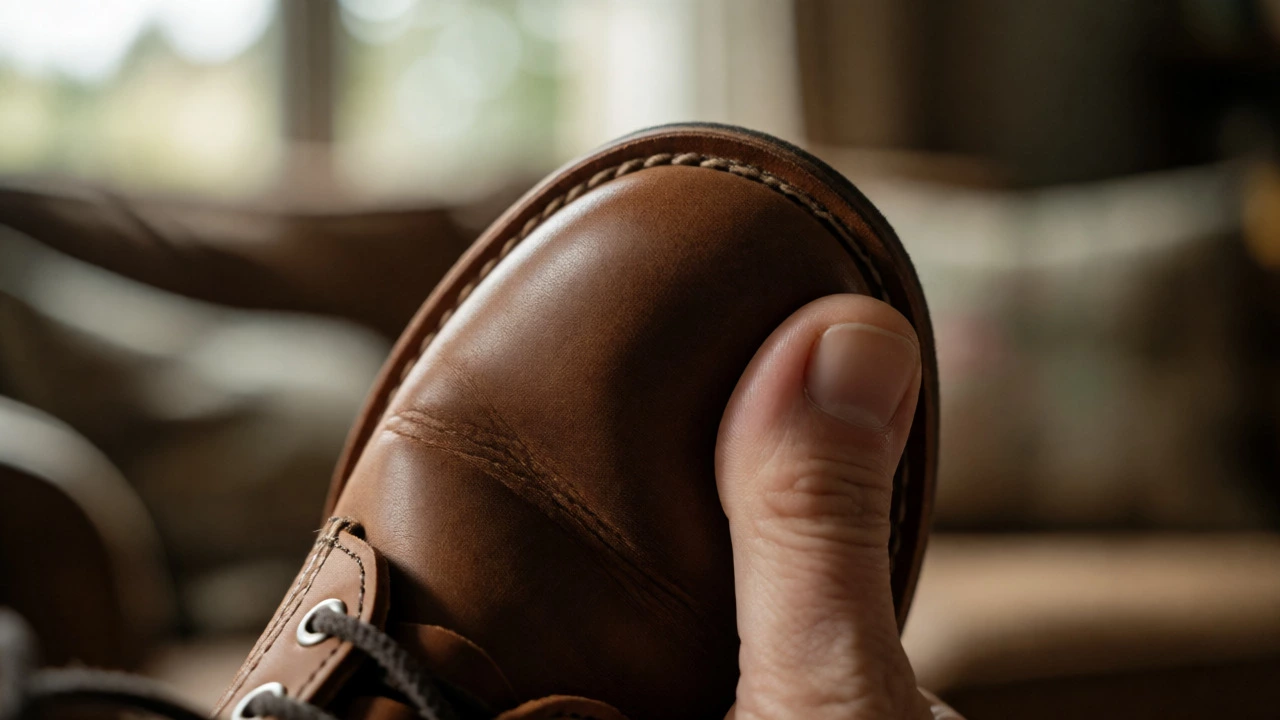
Thursday Boot Fit Checker
Measure Your Toe Room
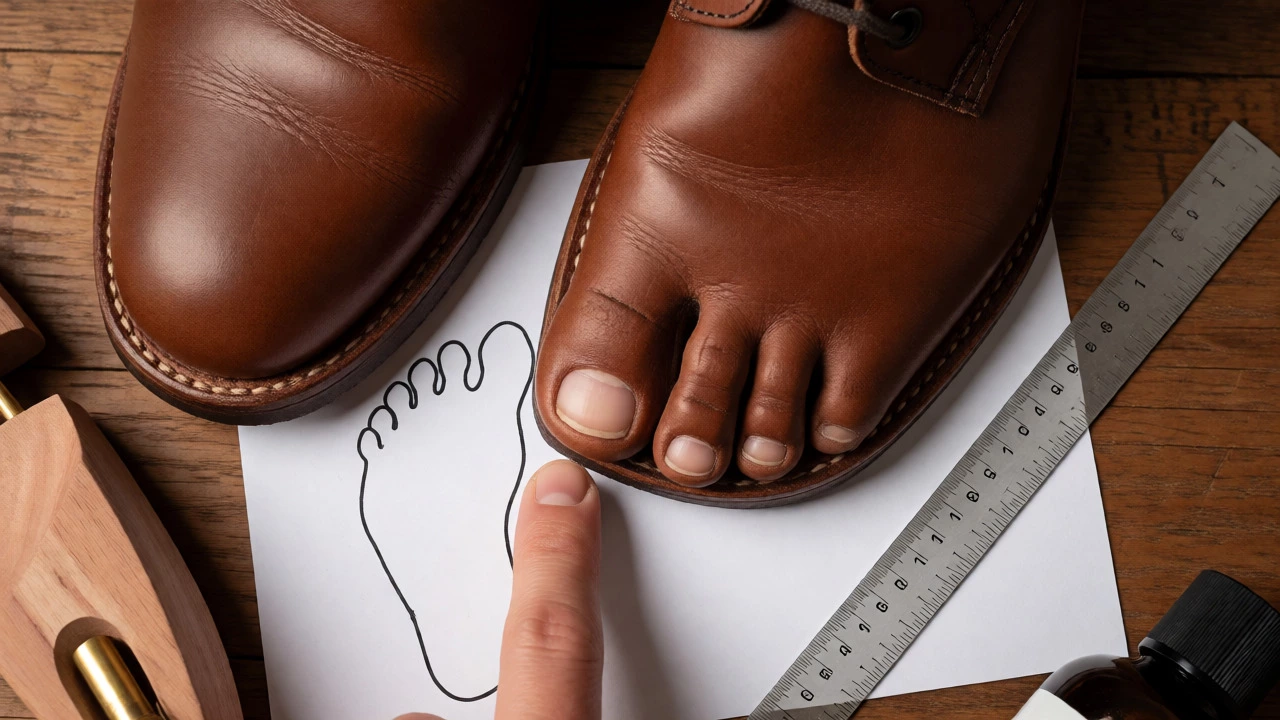
Stand in the afternoon with your thickest winter socks. Measure the distance from the tip of your longest toe to the end of the boot interior.
Diagram not to scale
Fit Assessment
Perfect Fit
RecommendedYour toes have enough wiggle room without sliding forward. This prevents blisters and allows for natural foot expansion during long walks.
Quick Reference Guide
| Status | Range (cm) | Range (inches) | Risk Factor |
|---|---|---|---|
| Too Tight | 0 - 1.2 cm | 0 - 0.5 in | Bruising, Numbness, Black Toenails |
| Perfect Fit | 1.3 - 1.9 cm | 0.5 - 0.75 in | Low Risk, High Comfort |
| Too Loose | > 2.0 cm | > 0.8 in | Blisters, Heel Slip, Instability |
You’ve just unboxed your new pair of Thursday Boot Co. leather boots, and you’re ready to conquer the cobblestones of Dublin or navigate the wet pavements of Cork. But there’s that nagging question every Irish woman has faced while trying on footwear: where exactly should my toe be? If your big toe is pressing against the front seam, you’ll feel it every time you walk down Grafton Street. If it’s swimming around with too much space, your foot will slide forward, causing blisters by lunchtime. Getting this right isn’t just about aesthetics; it’s about keeping your feet happy during those long walks along the Cliffs of Moher or standing at a pub in Galway for hours.
Quick Summary: The Golden Rules of Toe Placement
- The Thumb Rule: Aim for roughly 1/2 inch (about 1.3 cm) of space between your longest toe and the end of the boot.
- Longest Toe Matters: Don't assume your big toe is the longest. Many people have a second toe that extends further-measure from that one instead.
- Try Them On Late: Feet swell throughout the day. In Ireland’s variable weather, try boots on in the afternoon when your feet are at their largest.
- Sock Thickness Counts: Pair your boots with the socks you actually wear in winter, not thin dress socks.
- Leather Stretches: Quality leather like that used by Thursday Boot Co. molds to your foot over time, so a snug-but-not-tight initial fit is ideal.
Why "Snug" Is the Magic Word for Leather Boots
Unlike canvas sneakers or synthetic trainers, genuine leather behaves differently. It’s organic material. When you first put on a pair of Thursday Boots, they might feel slightly tighter than you expect. This is normal. High-quality full-grain leather needs a break-in period. During this time, the fibers relax and stretch to accommodate the unique shape of your foot. If you buy them too loose initially, thinking you need room to grow, you’ll end up with sloppy footwear that lacks support after a few weeks. Conversely, if you squeeze into a size that crushes your toes immediately, no amount of stretching will save you from permanent discomfort. The goal is a firm hold around the midfoot and heel, with just enough wiggle room at the front.
Think of it like breaking in a favorite wool sweater-it gets softer and more form-fitting, but it doesn’t change its fundamental structure. Your boots do the same. They become an extension of your foot, not a cage. For those of us living in damp climates like Ireland, this molding process is crucial because wet conditions can stiffen leather temporarily. Once dried properly and worn again, the boot returns to its molded shape, preserving that custom fit.
Measuring Correctly: The Irish Foot Profile
Ireland has a diverse population with varied foot shapes, but general trends suggest many Europeans have narrower heels compared to wider forefeet. This can lead to slippage if the boot isn’t fitted correctly. Before you even look at the size chart, grab a piece of paper and a pen. Stand on it, trace your foot, and measure the distance from the back of your heel to the tip of your longest toe. Do this for both feet, as one is often larger. Use the measurement of the larger foot.
Now, compare this to the brand’s size guide. Most brands, including Thursday Boot Co., provide internal length measurements. Here is how you interpret the data:
| Fit Type | Distance from Longest Toe to End | Sensation | Verdict |
|---|---|---|---|
| Too Tight | 0 - 0.5 inches (0 - 1.2 cm) | Toes touch the end; pressure felt when walking downhill. | Risk of bruising and numbness. Avoid. |
| Perfect Fit | 0.5 - 0.75 inches (1.3 - 1.9 cm) | Firm hold on heel/midfoot; slight wiggle room for toes. | Ideal for all-day wear and varying sock thickness. |
| Too Loose | Over 1 inch (2.5 cm+) | Foot slides forward; heel lifts significantly when walking. | Blisters likely; poor stability on uneven Irish terrain. |
This table isn’t just theory. I’ve seen countless customers in Dublin return boots because they ignored the half-inch rule. They bought based on their usual sneaker size, which is often inconsistent across brands. Always trust the centimeter measurement over the US or UK size label.
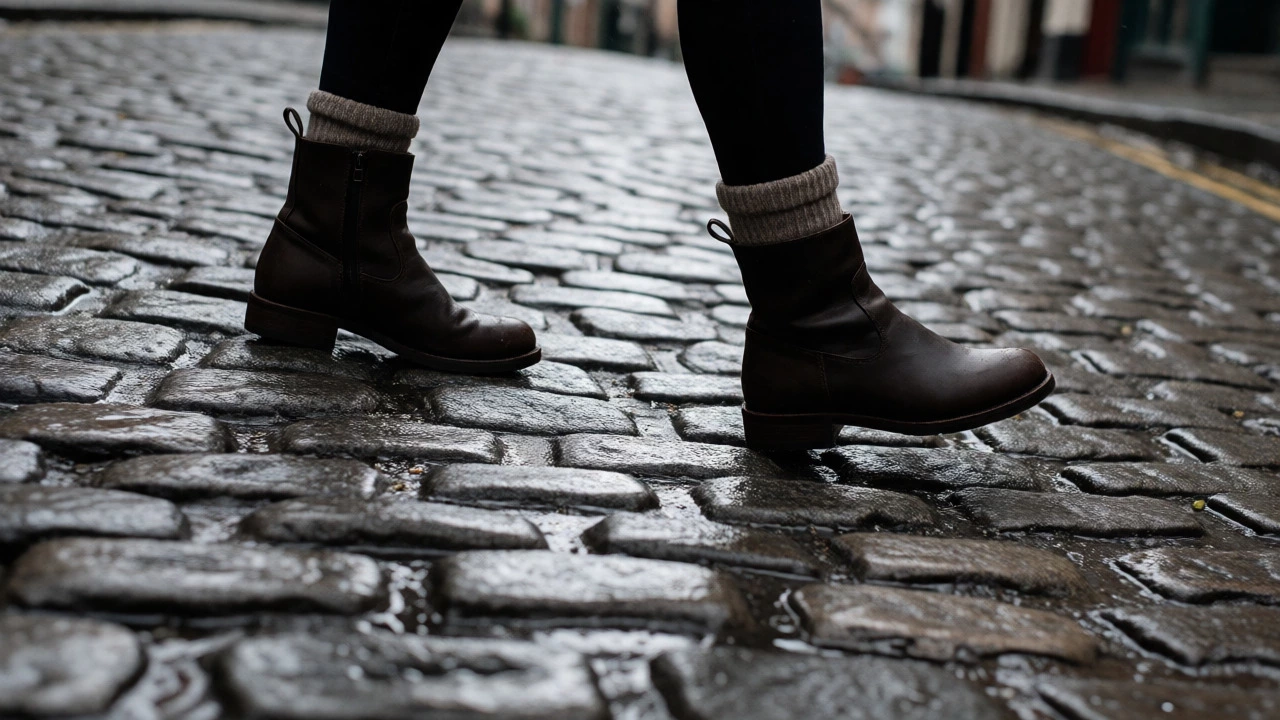
The Impact of Socks and Seasonality in Ireland
Living in Ireland means preparing for rain, wind, and cold snaps that arrive without warning. You aren’t wearing these boots just for style; you’re wearing them for practicality. Therefore, your fitting test must replicate real-world conditions. Never try on boots with bare feet or ultra-thin nylon socks unless you plan to wear them exclusively indoors or in summer heat.
Grab your thickest merino wool socks-the kind you’d wear for a weekend hike in Wicklow Mountains National Park. Put them on, then slide your foot into the boot. Lace them up snugly. Now stand up. Walk around. Do your toes feel cramped? Can you wiggle them freely? If you can barely move your toes, the boot is too small for winter wear. If your heel slips out completely when you lift your foot, it’s too big, regardless of toe room. Remember, thicker socks reduce available volume inside the shoe. A boot that fits perfectly with thin socks might pinch your toes once you add insulation.
Anatomy of the Toe Box: Why Shape Matters
Not all boots are created equal, even within the same brand. Thursday Boot Co. offers various styles, such as the Duke or the President, each with different toe box constructions. Some have a rounded toe, others a square or almond shape. This geometry dictates where your toe sits.
A rounded toe box tapers inward, meaning your longest toe might hit the side wall before it hits the front cap. An almond shape offers a middle ground, providing width near the ball of the foot but tapering gently toward the tip. Square toes offer maximum horizontal space but can look bulky. If you have bunions-a common issue among women who wore tight shoes in their youth-look for boots with a wider toe box. In Ireland, where we walk on uneven historic streets and gravel paths, having lateral room prevents rubbing against the inner seams. Check the interior lining for smooth stitching. Rough seams near the little toe can cause painful abrasions quickly, especially in wet weather when skin softens.
Testing the Fit: The Downhill Simulation
Here is a pro tip that most sales assistants won’t tell you. Finding a flat floor in a shop is easy, but finding a slope is harder. Go home, find a ramp, a steep driveway, or even a staircase. Walk down it in your new boots. Gravity pushes your foot forward. If your toes jam into the front of the boot during this descent, you don’t have enough length. This is critical for safety and comfort. Walking downhill puts immense pressure on the toenails. Without adequate clearance, you risk subungual hematoma-that black-and-blue bruise under the nail-which is miserable to deal with.
Additionally, simulate the "heel lock." Tie your laces tightly using the top eyelets. Walk briskly. Your heel should stay firmly seated in the heel cup. If it lifts more than a few millimeters, your foot is sliding forward, eating up your toe room dynamically. This slippage is the primary cause of blisters on the back of the heel and under the ball of the foot. Adjusting your lacing technique can help, but sometimes the boot shape simply doesn’t match your foot anatomy.
Caring for Your Boots After the Break-In
Once you’ve found the perfect fit, maintenance ensures longevity. Irish winters are tough on leather. Salt from road de-icing agents and constant moisture can dry out the material, causing it to crack rather than stretch. Use a quality conditioner every few months. This keeps the leather supple, allowing it to continue adapting to your foot shape rather than hardening into a rigid shell.
If you notice your toes starting to press against the front after six months, check your socks. Have you switched to thinner materials? Or perhaps the leather has compressed vertically due to lack of conditioning, reducing internal height and forcing your foot forward. Regular care prevents this degradation. Store your boots with cedar shoe trees. These absorb moisture and maintain the original shape, preventing the toe box from collapsing inward, which would reduce your precious half-inch of toe room.
Common Pitfalls When Buying Online vs. In-Store
Buying online is convenient, especially when local stock is limited. However, you lose the ability to physically assess the toe box depth. To mitigate this, order two sizes if the retailer allows free returns. Try them both at home, in the evening, with your preferred socks. Compare them side-by-side. Note which one allows natural toe splay. Natural splay means your toes spread out slightly as you stand, mimicking barefoot mechanics. If your toes are forced into a triangular point, the boot is too narrow, leading to cramping during long days.
Also, consider the sole stiffness. Thick rubber soles, common in work-style boots, flex less than flexible leather soles. Less flex means your foot bends less at the toe joint, requiring slightly more length to accommodate movement without hitting the upper. If you plan to use these boots for heavy walking tours in cities like Belfast or Limerick, prioritize flexibility and length over a super-snug initial feel.
Should I size up if I have wide feet?
Not necessarily. Sizing up adds length, which increases toe room but also creates excess space elsewhere, leading to slippage. If your toes fit well but the sides pinch, look for a brand offering wide widths or choose a style with a naturally broader toe box, like a square-toe design. Stretching the leather horizontally is easier than shortening the length.
How much will Thursday boots stretch over time?
Expect about a half-size worth of stretch in width and minimal stretch in length. The leather will mold to your arch and instep, becoming more comfortable. However, the toe box rarely expands significantly in length. Therefore, ensure your toes have that 1/2 inch buffer from day one, assuming only minor vertical compression from wear.
What if my second toe is longer than my big toe?
This is known as Morton’s toe and is quite common. Always measure from the tip of your longest toe, regardless of which one it is. If you ignore this and rely on your big toe, your second toe will hit the front of the boot prematurely, causing pain and potential deformity over time. Ensure the boot’s toe box accommodates the peak of your foot profile.
Can I fix boots that are too short?
Fixing length is difficult. Cobbler services can stretch leather width-wise, but adding length is nearly impossible without damaging the structure. If your toes touch the end, return them. Trying to force them to stretch lengthwise usually results in distorted shape and persistent discomfort, especially on uneven Irish pavement.
Do insoles affect toe placement?
Yes, significantly. Adding thick orthotic insoles raises your foot inside the boot, effectively reducing vertical volume. This can push your toes upward against the top of the toe box rather than forward. If you plan to use custom insoles, try the boots with them installed during the fitting process to ensure accurate toe clearance.