Irish Weather Outerwear Selector
Not sure whether to grab your trench or your denim? Answer these questions to find out what is best for today's unpredictable Irish climate.
Recommendation:
JacketStanding on Grafton Street in Dublin with a drizzle hitting your face, you realize the difference between a jacket and a coat isn't just about length-it's about survival. In Ireland, where the weather can shift from sunshine to sideways rain in ten minutes, knowing which layer to grab determines whether you stay dry or spend the evening shivering. While many people use the terms interchangeably, they serve distinct functions. A jacket is typically shorter, lighter, and designed for mild conditions or as a mid-layer. A coat is longer, heavier, and built to shield you from wind, rain, and cold. Understanding this distinction helps you build a wardrobe that actually works for our unpredictable climate.
The Core Differences: Length, Weight, and Purpose
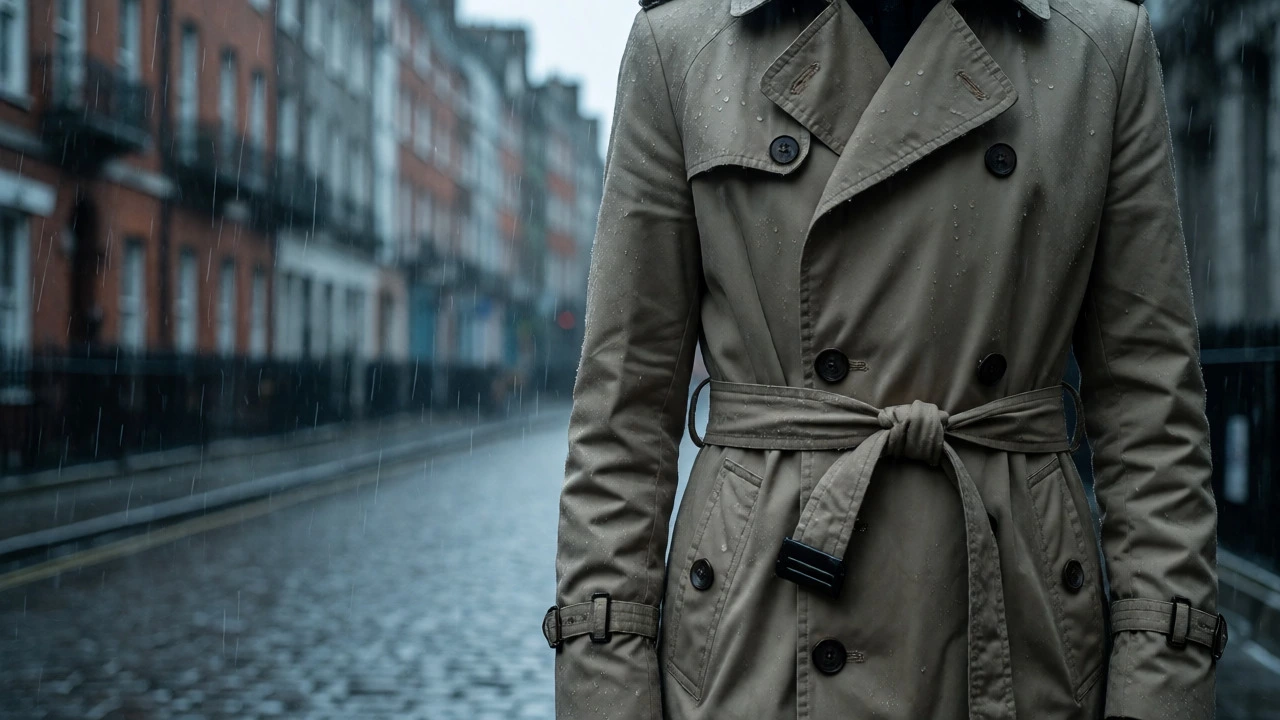
The most obvious visual cue is length. Jackets usually end at the waist or hips. Coats extend past the hips, often reaching the knees or even the ankles. This isn't just aesthetic; it’s functional. Longer hemlines provide more coverage against wind and rain, keeping your core warmer. Think of a classic Trench Coat is a waterproof coat with a double-breasted front, belt, and epaulets, originally designed for military officers in WWI. It covers your legs, shielding them from splashes and wind. A denim jacket stops at your belt line, leaving your thighs exposed to the elements.
Weight and fabric density also differ significantly. Jackets are often made from lighter materials like cotton, thin nylon, or lightweight wool blends. They’re meant for layering or mild days. Coats use heavier fabrics-thick wool, down insulation, or heavy-duty waterproof membranes. If you’re walking along the Cliffs of Moher in November, a light bomber jacket won’t cut it. You need the thermal mass of a wool overcoat or a padded parka. The rule of thumb? If it fits easily under another layer without bulk, it’s likely a jacket. If it stands alone as your primary defense against the cold, it’s a coat.
Weather Readiness: Why Ireland Needs Both
Ireland’s maritime climate means high humidity and frequent precipitation. Temperatures rarely drop below freezing in coastal areas like Cork or Galway, but the wind chill can make it feel much colder. This specific environment blurs the lines between jackets and coats. Many Irish brands specialize in hybrid pieces that bridge the gap. For instance, a Rain Jacket is a lightweight, waterproof garment designed specifically to protect against rain while allowing breathability. is technically a jacket due to its short length and light weight, but it performs a coat-like function by providing essential waterproofing.
In contrast, traditional Irish tweed jackets are warm but not fully waterproof. They excel in dry, cool weather but soak through quickly in a downpour. This is why locals often carry a compact packable rain shell (a jacket) over their tweed blazer. Conversely, a long wool coat might keep you warm on a dry winter day in Belfast but become heavy and uncomfortable if it starts raining heavily. Knowing when to wear which piece saves you from discomfort. Check the forecast, but always assume it might rain. That’s the golden rule of dressing in Ireland.
Common Types: From Denim to Duffel
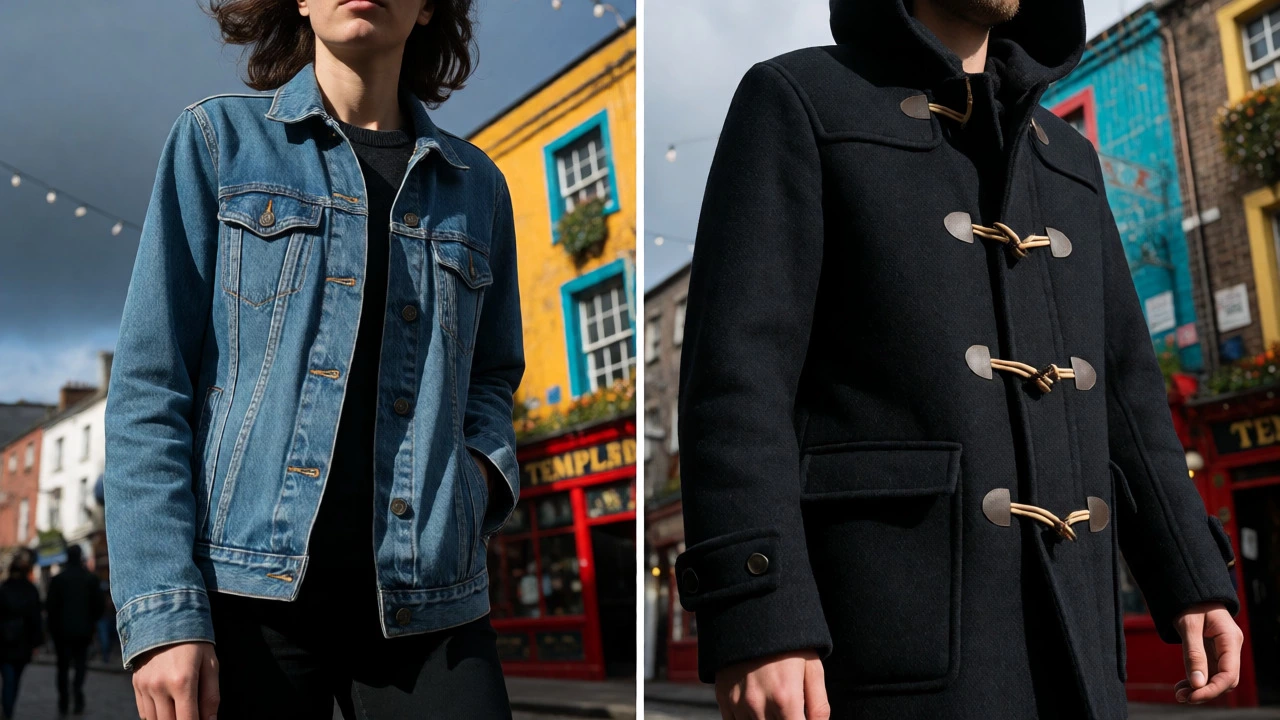
To clarify further, let’s look at common styles found in Irish shops like Brown Thomas or local boutiques in Temple Bar. Each type has a specific role.
| Type | Category | Best For | Length | Irish Context |
|---|---|---|---|---|
| Denim Jacket | Jacket | Mild, dry days; layering | Hip/Waist | Great for summer evenings in Doolin |
| Bomber Jacket | Jacket | Casual outings; wind protection | Hip | Good for city walks, less so for heavy rain |
| Trench Coat | Coat | Rainy days; formal occasions | Knee/Ankle | Essential for commuting in Dublin |
| Duffle Coat | Coat | Cold, wet weather; casual warmth | Knee | Popular among students in Trinity College |
| Parka | Coat/Jacket Hybrid | Extreme cold; windproofing | Hip/Knee | Vital for outdoor festivals like Electric Picnic |
Notice how the Parka sits in a grey area. Some are hip-length (jacket), others knee-length (coat). What matters is the insulation and hood structure. If it has a fur-lined hood and synthetic fill, it’s doing heavy lifting regardless of length. In Ireland, hoods are non-negotiable. Umbrellas are often useless against lateral rain, so a good hood integrated into your coat or jacket is worth the extra cost.
Style and Occasion: When to Wear What
Fashion rules in Ireland lean towards practicality. Nobody looks at you funny for wearing a raincoat to a wedding if it’s pouring outside. However, there are social cues. Jackets are generally considered more casual or semi-formal depending on the material. A leather biker jacket adds edge to a jeans-and-t-shirt outfit. A tailored blazer (a type of jacket) elevates office attire. But if you’re heading to a pub in Limerick after work, a smart-casual jacket might feel too stiff compared to a relaxed overshirt or light quilted jacket.
Coats signal formality or serious weather preparation. A long camel coat looks sophisticated at a gallery opening in Dublin. A heavy wool duffle coat suggests you’re ready for a hike in Wicklow Mountains. Wearing a heavy coat indoors can be awkward-it’s bulky and hard to manage. Jackets are easier to remove and hang up. This practical aspect influences choices. If you’re moving between heated buildings and outdoors frequently, a versatile jacket that can handle a light shower might be more convenient than a heavy coat you have to struggle out of every time you enter a café.
Buying Tips for the Irish Market
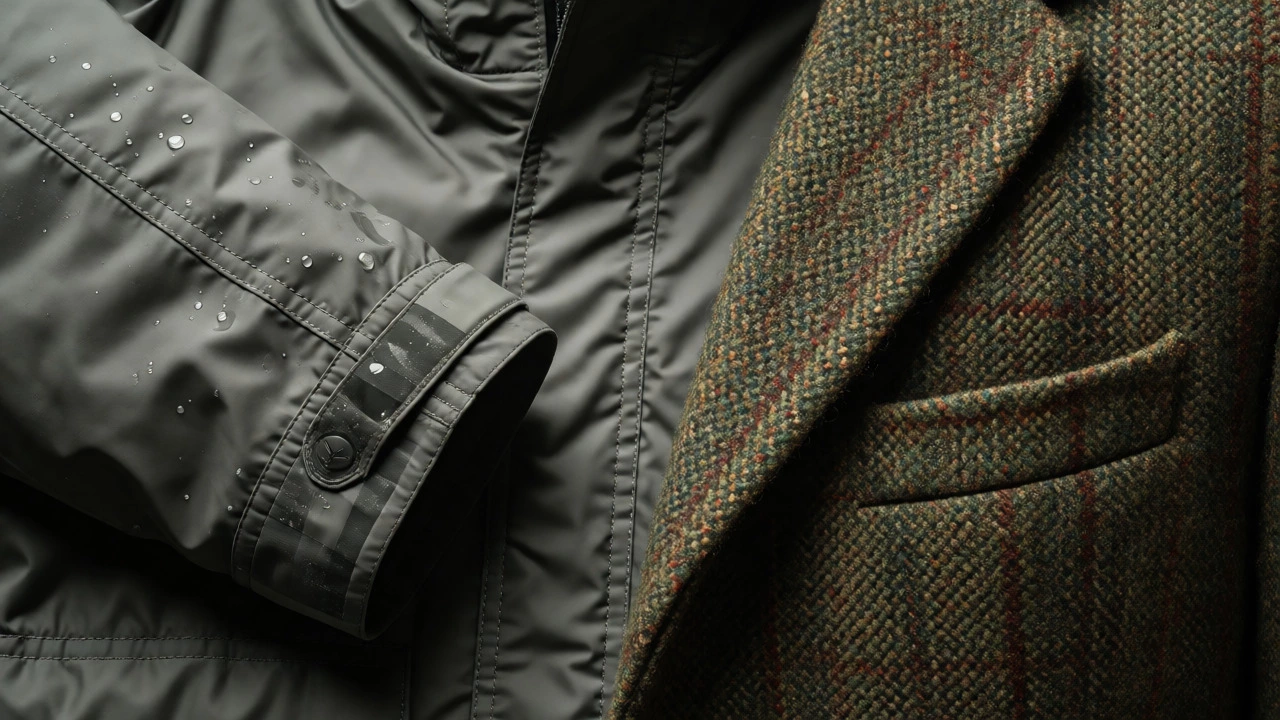
When shopping in Ireland, prioritize waterproofing and wind resistance over pure thickness. Our winters are damp rather than bitterly cold. Look for features like taped seams, storm flaps, and adjustable cuffs. Brands like Aigle is a French brand known for rubber boots and waterproof clothing, popular in rural Ireland. or Helly Hansen is a Norwegian brand specializing in professional-grade outdoor apparel. offer technical jackets that perform better than fashionable but flimsy alternatives. Don’t be fooled by marketing terms like "water-resistant." If you plan to walk regularly, you need "waterproof" ratings.
Consider the fit. Irish bodies vary, but tailoring is key. A coat that’s too tight restricts movement; one that’s too loose lets in wind. Try layering before buying. Wear the sweater you’d actually put underneath. Many people buy coats online only to find they don’t fit over their favorite hoodie. Return policies in major retailers like Penneys or Arnotts are generally fair, so take advantage of them. Also, check local markets. Vintage coats in Dublin’s Flea Market can offer unique styles and high-quality wool at lower prices, though you’ll need to inspect them closely for moth damage.
FAQ: Clarifying Outerwear Confusion
Is a raincoat a jacket or a coat?
It depends on the length. Most modern raincoats are hip-length and classified as jackets because they are lightweight and designed for layering. However, long trench-style raincoats are considered coats due to their extended hemline and greater coverage. Functionally, both serve the same purpose: protecting you from rain.
Can I wear a jacket instead of a coat in winter?
In mild Irish winters, yes, if you layer properly. A thick wool jacket or a padded gilet (vest) worn over a sweater can provide enough warmth for daytime activities. However, for late nights or windy coastal areas, a coat offers superior insulation and wind protection. It’s safer to err on the side of caution given our unpredictable temperatures.
What is the most versatile outerwear for Ireland?
A mid-length waterproof parka or a high-quality trench coat. These bridge the gap between jacket and coat. They offer enough coverage to block wind and rain but aren’t so heavy that they become cumbersome indoors. Investing in one good all-weather coat is more cost-effective than buying multiple specialized items.
Do Irish brands make better outerwear?
Not necessarily, but they understand the market. Local brands like Barbour (often associated with UK/Ireland countryside style) or Irish heritage tweed makers design clothes suited to damp, cool climates. International technical brands may offer better waterproof technology, but local designs often fit the cultural expectation of understated, durable style.
How do I care for my outerwear?
Follow the label strictly. Wool coats should be brushed regularly and dry-cleaned sparingly to preserve fibers. Waterproof jackets need special wash-in treatments to maintain their DWR (Durable Water Repellent) coating. Never tumble-dry wool unless specified, as it will shrink. Air-drying is best for most Irish outerwear to prevent heat damage.