Standing Shift Survival Calculator
Enter your work details below to assess your risk of injury and find the best recovery routine for your specific situation.
Ready to Calculate
Enter your details to see how your current setup affects your body.
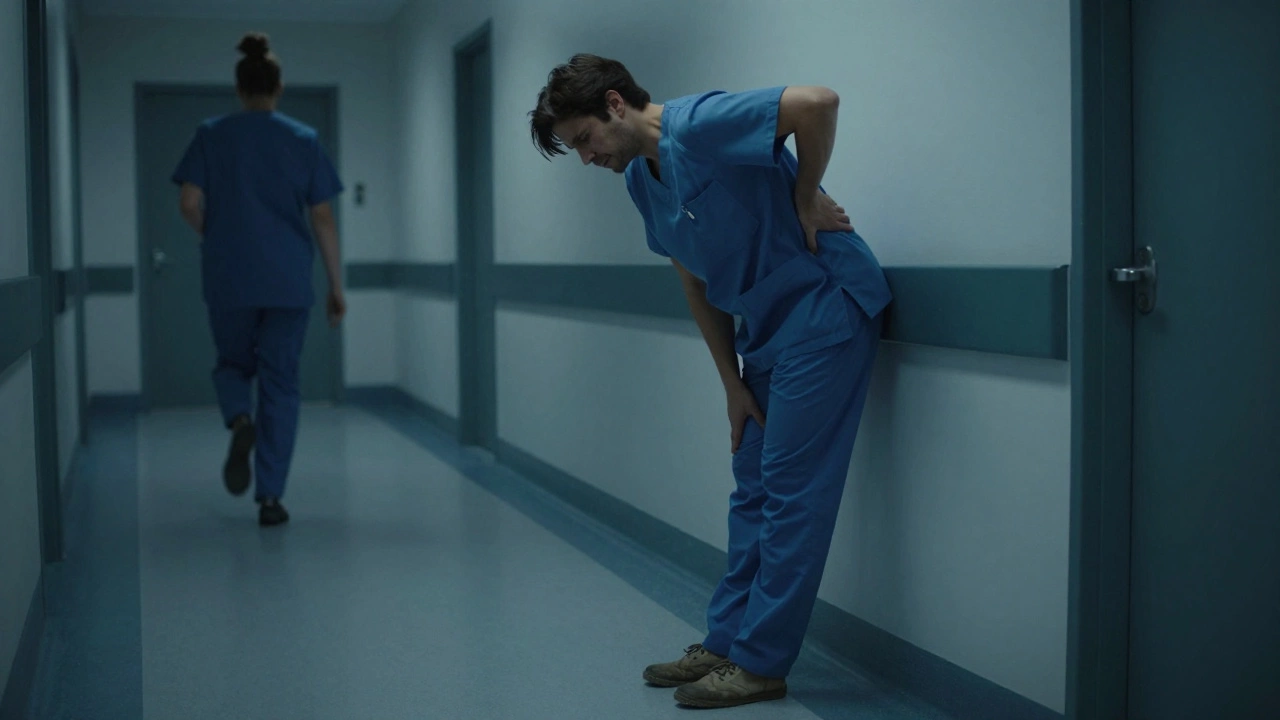
If you’re pulling a twelve-hour shift in a Dublin hospital, working the floor at a Cork retail store during the Christmas rush, or managing a hospitality venue in Galway, you know the drill. Your feet swell, your lower back starts to ache, and by the time you clock off, just walking up the stairs to your flat feels like a marathon. You might be asking yourself: is being on your feet for 12 hours bad? The short answer is yes, it takes a toll. But with the right gear and habits, you can survive those long shifts without ending up in physiotherapy.
In Ireland, where public sector strikes are common and service industry wages often don’t cover expensive healthcare, protecting your body isn’t just about comfort-it’s about keeping your job and your mobility. We’ll look at why prolonged standing hurts, how to choose the right work shoes available in the Irish market, and practical tips to manage fatigue whether you’re in Dún Laoghaire or Donegal.
The Physical Toll of Prolonged Standing
Standing still might seem passive, but it’s actually quite demanding on your body. When you stand for more than four hours continuously, your calf muscles stop pumping blood effectively back to your heart. This leads to venous pooling, which causes that heavy, throbbing sensation in your legs. Over a twelve-hour period, this pressure builds up significantly.
Here is what happens inside your body during a long shift:
- Venous Insufficiency: Blood pools in the lower extremities because gravity works against your circulation. This is why your ankles swell by 6 PM.
- Plantar Fasciitis: The thick band of tissue connecting your heel to your toes gets strained from constant impact, leading to sharp morning pain.
- Lower Back Strain: Poor posture while standing transfers stress to your lumbar spine, causing chronic aches.
- Joint Degeneration: Knees and hips absorb repetitive shock, accelerating wear and tear over years.
For many workers in Ireland, especially in healthcare and hospitality, these issues become chronic. A study by the Health and Safety Authority (HSA) in Ireland has highlighted musculoskeletal disorders as one of the most common workplace injuries. Ignoring early signs of pain can lead to long-term disability, so addressing the root cause-often footwear and movement-is critical.
Choosing the Right Work Shoes in Ireland
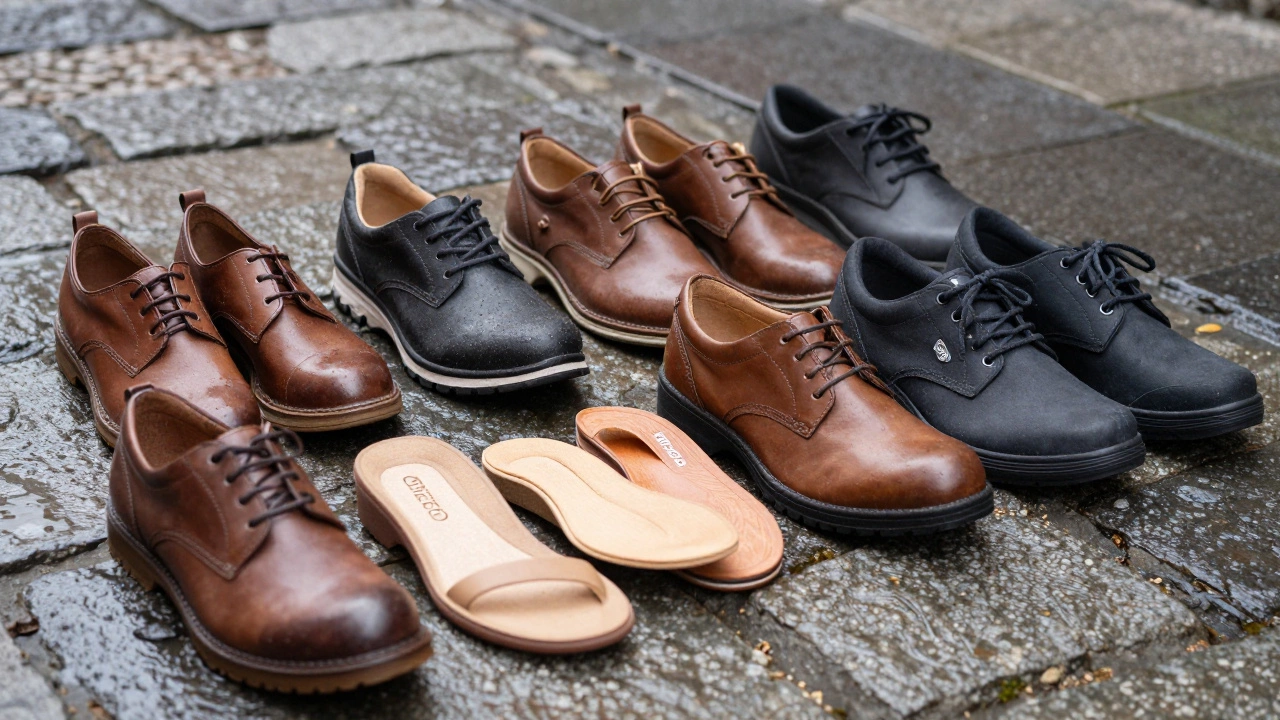
Your shoes are the first line of defense. If you’re wearing thin-soled fashion flats or worn-out trainers, you’re inviting pain. In Ireland, we have access to both global brands and local specialists who understand the specific needs of standing professionals.
When shopping for work shoes, focus on these three features:
- Cushioning and Support: Look for memory foam insoles or gel inserts that absorb shock. Brands like Skechers, particularly their Arch Fit line, are popular among nurses and teachers in Ireland for their immediate comfort.
- Arch Support: Flat feet need extra support to prevent rolling inward. Custom orthotics from a podiatrist in Dublin or Cork can make a huge difference if you have specific biomechanical issues.
- Durability and Grip: Irish weather means wet floors. Whether you’re working in a kitchen in Kerry or a warehouse in Limerick, slip-resistant soles are non-negotiable for safety.
Local retailers like Shoe Zone and JD Sports carry reliable options, but for specialized work footwear, check out Clarks or Ecco. Clarks, an Irish-founded brand, offers excellent arch support and durability. Ecco shoes are pricier but provide superior leather quality and ergonomic design, making them worth the investment for daily twelve-hour shifts.
| Brand | Best For | Price Range (€) | Key Feature |
|---|---|---|---|
| Skechers | All-day comfort | €80 - €120 | Memory foam insoles |
| Clarks | Durability & Style | €90 - €150 | Cushion Plus technology |
| Ecco | Premium support | €130 - €200 | Anatomical fit & leather |
| New Balance | Wide feet & stability | €100 - €140 | Wide width options |
| Hoka One One | Maximum cushioning | €140 - €180 | Thick midsole for shock absorption |
Practical Tips to Reduce Fatigue During Shifts
Even the best shoes won’t save you if you stand perfectly still for twelve hours. Movement is key. Here are some strategies used by healthcare workers and retail staff across Ireland to stay fresh:
- Shift Your Weight: Don’t lock your knees. Keep a slight bend and alternate weight between feet every few minutes.
- Use Anti-Fatigue Mats: If you work behind a counter or at a nurse’s station, ask your employer for anti-fatigue mats. They reduce pressure on joints by up to 50%. Many hospitals in Ireland now provide these as standard.
- Take Micro-Breaks: Every hour, take two minutes to sit down or elevate your feet. Even leaning against a wall with feet raised helps circulation.
- Wear Compression Socks: Graduated compression socks help push blood back up your legs. Brands like Sigvaris are available in Irish pharmacies and medical supply stores.
- Stay Hydrated: Dehydration worsens muscle cramps. Keep a water bottle handy, especially in warm kitchens or busy retail environments.
Another often-overlooked tip is to rotate your shoes. If possible, have two pairs of work shoes and alternate them. This allows the materials to decompress and dry out, extending their life and maintaining cushioning effectiveness.
Post-Shift Recovery Routines
What you do after your shift matters just as much as what you wear during it. Here’s a simple recovery routine tailored for Irish lifestyles:
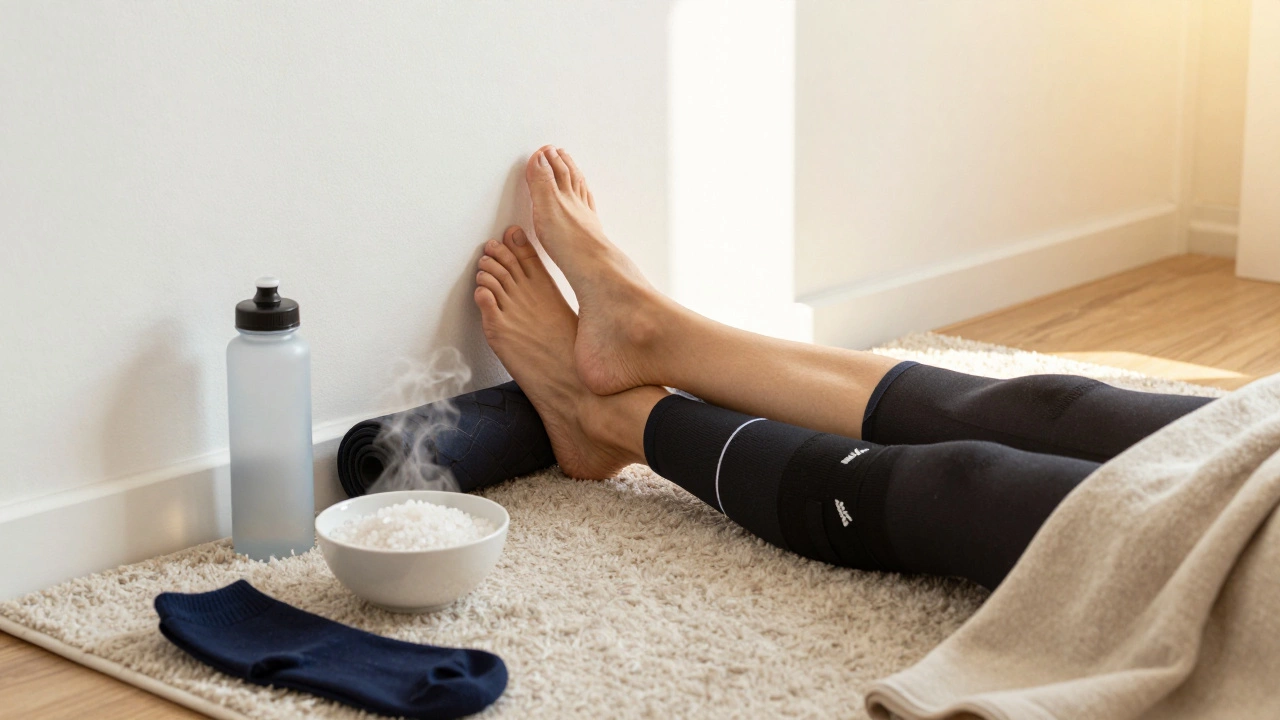
- Elevate Your Legs: Lie down and prop your legs up against a wall for 10-15 minutes. This uses gravity to drain pooled fluid.
- Stretch Gently: Focus on calf stretches and plantar fascia rolls using a frozen water bottle. Roll your foot over it for five minutes to reduce inflammation.
- Warm Bath with Epsom Salts: Soak your feet in warm water with Epsom salts to relax muscles and ease soreness. Available in any Boots or Superdrug in Ireland.
- Massage: Use a tennis ball or foam roller to massage the bottom of your feet. Pay attention to tender spots.
If pain persists beyond a day or two, consult a physiotherapist. In Ireland, private physio sessions cost around €70-€90, but many employers offer occupational health services that can provide assessments and referrals.
Workplace Rights and Ergonomics in Ireland
Under Irish law, employers must provide a safe working environment. The Safety, Health and Welfare at Work Act 2005 requires risk assessments for manual handling and static postures. If your job involves standing for long periods, you have the right to request ergonomic adjustments.
This includes:
- Anti-fatigue mats for stationary workstations.
- Adjustable height counters or stools.
- Regular breaks scheduled into your shift.
- Reimbursement for appropriate protective footwear if required by policy.
If your employer refuses reasonable accommodations, contact the Health and Safety Authority (HSA) or seek advice from the Workplace Relations Commission. Protecting your health is not just personal responsibility-it’s a legal right.
FAQ: Common Questions About Standing All Day
Is it dangerous to stand for 12 hours straight?
Yes, standing for 12 hours without breaks increases the risk of varicose veins, joint pain, and cardiovascular strain. It’s crucial to incorporate movement, elevation, and proper footwear to mitigate these risks.
What are the best shoes for standing all day in Ireland?
Brands like Skechers, Clarks, Ecco, and New Balance are highly rated for all-day standing. Look for models with memory foam, arch support, and slip-resistant soles suitable for Irish weather conditions.
Can I get compensation for work-related foot pain in Ireland?
If your foot pain is directly linked to workplace conditions and your employer failed to provide adequate ergonomic support, you may be eligible for compensation through the Personal Injuries Assessment Board (PIAB). Consult a solicitor specializing in workplace injuries.
How often should I replace my work shoes?
Replace work shoes every 6-12 months, depending on usage. Signs it’s time for new ones include worn-out soles, loss of cushioning, visible creases in the upper material, or increased foot pain.
Do compression socks really help with standing fatigue?
Yes, graduated compression socks improve blood circulation and reduce swelling. They are particularly effective for people who stand for long periods and can prevent conditions like deep vein thrombosis (DVT).
Where can I buy anti-fatigue mats in Ireland?
Anti-fatigue mats are available at hardware stores like Wickes and Homebase, as well as online retailers like Amazon.ie and dedicated safety equipment suppliers such as SafeGuard Ireland.
Should I see a podiatrist if my feet hurt after work?
If pain persists despite changing shoes and taking breaks, seeing a podiatrist is wise. They can assess your gait, recommend custom orthotics, and rule out serious conditions like plantar fasciitis or bunions.
Are there tax deductions for work shoes in Ireland?
Generally, no. Revenue Ireland does not allow tax relief for ordinary clothing or footwear unless they are specialized protective equipment required by your job and not suitable for everyday wear. Check with a tax advisor for specific cases.