Irish Summer Jacket & Layering Calculator
What Should You Wear?
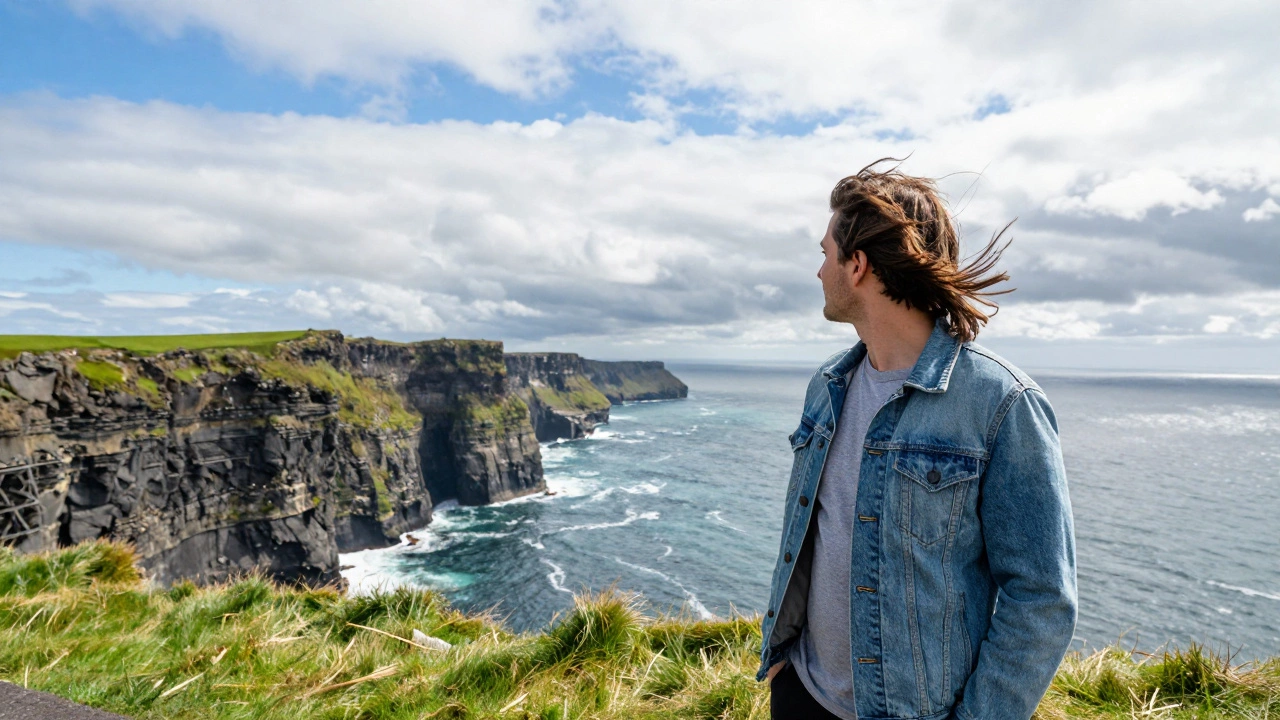
It is July in Ireland, the sun is shining on the Cliffs of Moher, and you are wearing a jacket. Someone asks if it’s weird. The short answer is no. In fact, not wearing one might be the real mistake.
If you have ever tried to stand at a bus stop in Galway during a sudden downpour or walked along the promenade in Bray when the wind picks up from the Atlantic, you know that Irish summers are deceptive. They look warm in photos, but they feel different in reality. The air is cool, damp, and changeable. A light layer isn’t just about style; it is a survival tool for anyone living here or visiting our islands.
Why the Irish Summer Demands a Jacket
The climate here is maritime. That means the ocean controls the temperature. While London or Paris might hit 30°C (86°F) in August, Dublin rarely breaks 25°C (77°F). Even on our hottest days, the humidity stays low, but the breeze never stops. When you add the frequent passing showers-what we affectionately call "a bit of rain"-the temperature can drop by five degrees in ten minutes.
Think about your typical weekend plans. You might head to Temple Bar for a pint, then walk through St. Stephen’s Green. The park offers shade, which feels great until the sun goes behind a cloud. Without a jacket, you go from comfortable to shivering instantly. This isn’t just anecdotal; meteorological data from Met Éireann shows that average summer highs hover around 19-20°C, with nights dropping to 12-14°C. That is sweater weather, not tank-top territory.
Choosing the Right Fabric: Breathability is Key
The fear of looking "weird" usually comes from imagining a heavy winter coat. Nobody wants to sweat through a wool blazer in June. The trick is choosing materials that breathe. You want fabrics that let heat escape while blocking wind and light rain.
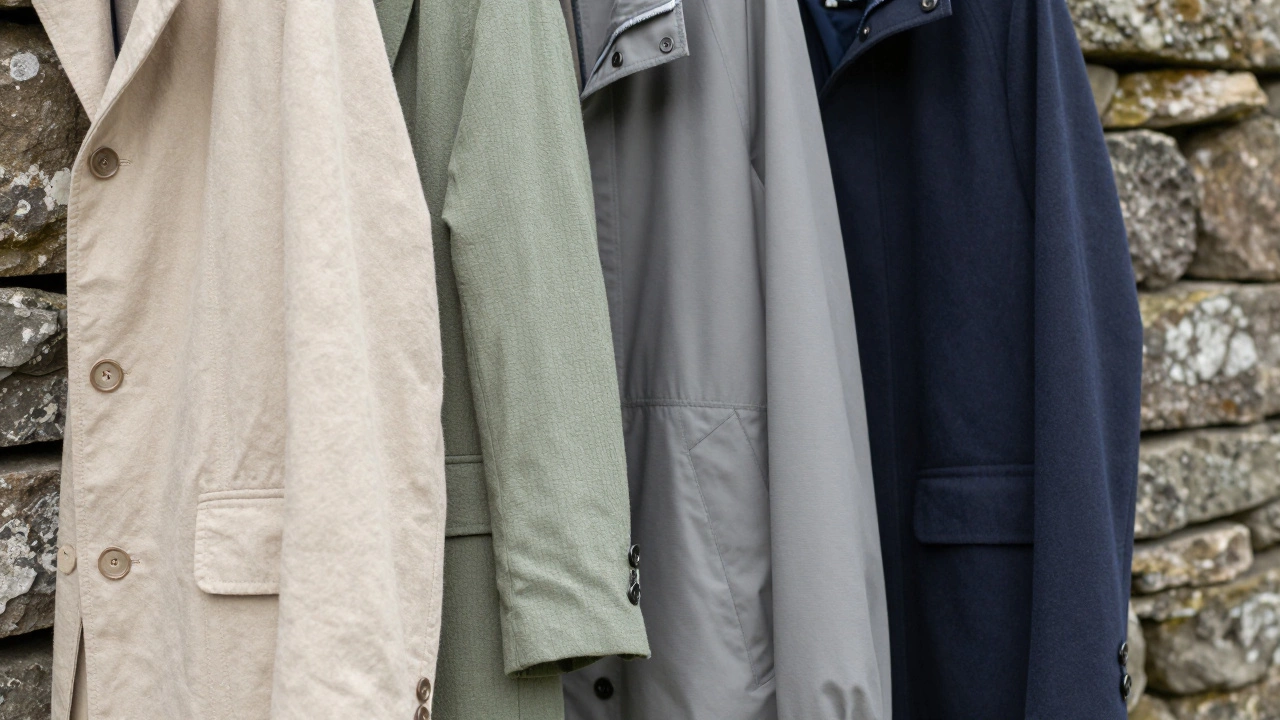
- Cotton Twill is a durable, woven fabric that provides structure without trapping heat. Perfect for casual denim jackets or chore coats.
- Linen Blends are highly breathable fabrics often mixed with cotton to reduce wrinkling. Ideal for smart-casual looks in cities like Cork or Limerick.
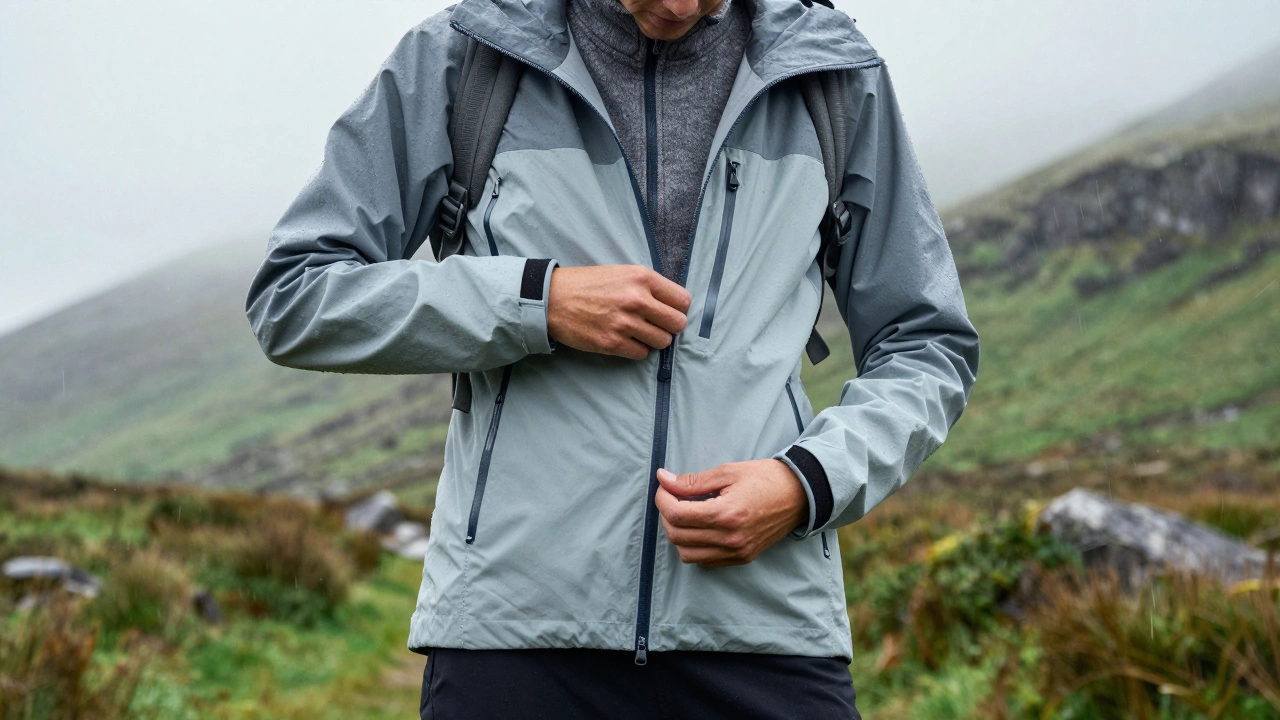
- Tech Nylon refers to lightweight, water-resistant synthetic materials used in modern shell jackets. Great for hiking the Wicklow Mountains.
- Unlined Wool is wool fabric without internal padding, offering warmth without bulk. Suitable for cooler evenings in coastal towns like Dún Laoghaire.
Avoid thick polyester unless it is specifically designed as a breathable athletic shell. Standard plastic-feeling jackets will make you overheat quickly. Look for terms like "moisture-wicking" or "ventilated" on the label.
Top Jacket Styles for Irish Summers
Not all jackets are created equal. Here is how to pick the right one for different scenarios across the country.
| Jacket Type | Best For | Water Resistance | Breathability |
|---|---|---|---|
| Denim Jacket | City nights, festivals | Low | Medium |
| Lightweight Trench | Work commutes, formal events | High | Medium |
| Windbreaker | Hiking, beach days | High | High |
| Linen Blazer | Dining out, weddings | None | Very High |
| Gilet (Vest) | Layering under shirts | Variable | High |
A classic denim jacket works well in Dublin city center. It pairs easily with t-shirts and jeans. However, if you are heading to the Wild Atlantic Way, swap it for a technical windbreaker. Brands like Kilgour is an Irish outdoor brand known for high-quality waterproof gear or global names like Patagonia offer styles that pack down small. You can throw them in a bag and only wear them when the sky turns grey.
The Art of Layering in Ireland
Layering is the secret weapon of every Irish person. It allows you to adapt to changing conditions without buying multiple outfits. The base layer should be moisture-wicking if you are active, or soft cotton if you are relaxing. The middle layer adds warmth-a thin merino wool jumper or a flannel shirt works perfectly. The outer layer protects against wind and rain.
Imagine attending the Fleadh Cheoil in County Galway. One moment you are dancing in the sun, the next you are waiting for a bus in the drizzle. If you wear a single heavy top, you will either freeze or sweat. With layers, you can peel off the outer jacket when hot and zip it up when cold. This flexibility is essential for enjoying outdoor events like the Wexford Opera Festival or local GAA matches.
Local Shopping Tips: Where to Find Summer Jackets
You don’t need to import expensive gear. Ireland has excellent options for affordable, stylish outerwear. In Dublin, check out Brown Thomas for designer pieces or Penneys (Primark) for budget-friendly basics. In Cork, English Market Street shops often carry unique linen blends. For outdoor-specific gear, visit Decathlon in Swords or Waterstones’ travel section for recommendations on hiking brands.
Don’t overlook second-hand stores. Charity shops in neighborhoods like Rathmines or Blackrock often have high-quality vintage jackets at a fraction of the cost. A well-fitted leather jacket from the 90s can last decades and adds character to your summer wardrobe.
Common Mistakes to Avoid
Even experienced dressers make errors. Here are three pitfalls to avoid:
- Ignoring Wind Chill: A thermometer might say 20°C, but a strong breeze makes it feel like 15°C. Always check the wind speed forecast on Met Éireann before leaving home.
- Wearing Non-Breathable Materials: Thick cotton hoodies trap sweat. Choose lighter fabrics that allow air circulation.
- Forgetting Accessories: A scarf can provide extra neck protection without adding bulk. A wide-brimmed hat keeps the sun off your face, reducing the need for heavy clothing.
FAQ: Your Questions Answered
What is the best jacket color for summer in Ireland?
Light colors like beige, white, or light blue reflect sunlight and keep you cooler. Dark colors absorb heat. However, darker shades hide stains better, which is useful if you are eating outdoors or walking in muddy areas.
Can I wear a leather jacket in summer?
Yes, but choose a slim-fit, unlined version. Leather breathes poorly, so ensure it is not too tight. Reserve it for cooler evenings or cloudy days. Avoid wearing it during peak sun hours.
How do I handle sudden rain showers?
Carry a compact umbrella or a packable rain jacket. Many tech jackets fold into their own pocket. Alternatively, a disposable poncho kept in your bag can save you from getting soaked during unexpected downpours.
Is it appropriate to wear a jacket to a wedding in Ireland?
Absolutely. Outdoor ceremonies are common, and temperatures can drop after sunset. A tailored blazer or a smart trench coat is elegant and practical. Check with the couple about the dress code, but err on the side of being slightly overdressed rather than freezing.
Where can I buy affordable summer jackets in Dublin?
Penneys on O'Connell Street offers budget-friendly options. Brown Thomas in Grafton Street has higher-end choices. For outdoor gear, Decathlon in Swords is reliable. Second-hand shops in Rathmines also provide good value.
Do I need a waterproof jacket for hiking in Wicklow?
Yes. The Wicklow Mountains can experience rapid weather changes. A waterproof, breathable shell is essential for safety and comfort. Look for jackets rated for at least 10,000mm water column resistance.
What should I wear under my jacket?
A light t-shirt or a thin long-sleeve shirt works well. Avoid bulky sweaters unless it is late evening. Moisture-wicking fabrics are ideal if you plan to be active. Cotton is fine for casual outings.
Are gilets suitable for Irish summers?
Yes, especially quilted or lightweight padded gilets. They provide core warmth without restricting arm movement. They are perfect for layering over t-shirts during cool mornings or evenings.
In conclusion, wearing a jacket in summer in Ireland is not weird-it is wise. Embrace the layers, choose breathable fabrics, and enjoy the outdoors without worrying about the unpredictable weather. Whether you are exploring the Ring of Kerry or grabbing coffee in Kilkenny, a jacket ensures you stay comfortable and confident.