Coat Folding Safety Checker
Select your coat material to see if it's safe to fold, the associated risks, and the best storage method for small spaces.
Select a material and click check to see results.
Storage & Care Instructions
You’ve just walked in from a typical Dublin drizzle, shaking off the rain from your wool coat, and you’re staring at that cramped hallway rail. You know the one-it’s already groaning under the weight of three jackets, two scarves, and a bag. The temptation is huge: just fold it up and shove it on top of the cupboard or into a drawer. But does folding ruin the shape? Will it crease the fabric beyond repair? If you live in Ireland, where dampness is a constant companion and space is often at a premium, this isn’t just a style question; it’s a practical survival guide for your outerwear.
The short answer is: yes, you can fold coats, but not all of them. And how you do it matters more than whether you do it. In this guide, we’ll break down exactly when folding is safe, which fabrics hate being folded, and how to keep your gear looking sharp despite the Irish weather and tight apartment living.
The Golden Rule: Fabric Determines Fate
Not all coats are created equal. The material dictates whether folding is a minor inconvenience or a fashion disaster. Here’s the breakdown based on what’s likely hanging in your closet right now.
| Material | Foldability | Risk Factor | Ideal Storage |
|---|---|---|---|
| Wool & Tweed | High | Low (if folded correctly) | Clean shelf or cedar chest |
| Cashmere | Very High | Low | Drawer with lavender sachet |
| Down/Puffer | Medium | Medium (loss of loft) | Hanging or loose box |
| Trench/Leather | Low | High (permanent creases) | Wide-shoulder hanger |
| Synthetic Nylon | High | Low | Anywhere dry |
Wool, especially the tweeds popular in Irish heritage brands like Harris Tweed, actually benefits from being folded. Hanging heavy wool for months stretches the shoulders because gravity pulls on the fibers. Folding prevents this distortion. However, leather trench coats-think classic Burberry styles common among commuters-are different. Leather has memory. Fold it, and those creases will stay there, mocking you every time you put it on. For these, hang them up, even if they crowd the rail.
Why Irish Weather Complicates Things
If you live in Galway or Cork, you know the humidity levels here are no joke. This changes the rules slightly compared to drier climates. Moisture is the enemy of stored clothes. If you fold a coat that still holds a hint of dampness from the day’s walk, you’re inviting mold and mildew. That musty smell is hard to wash out, especially from thick linings.
Before you fold anything, ensure it is completely dry. Hang it near a radiator (not touching it) or use a dehumidifier if you have one. In older Irish houses with poor insulation, condensation can form inside closets overnight. Check your coat sleeves and collars before stowing them away. A quick sniff test doesn’t hurt either. If it smells like rain and stone, let it air out another day.
How to Fold Without Ruining the Shape
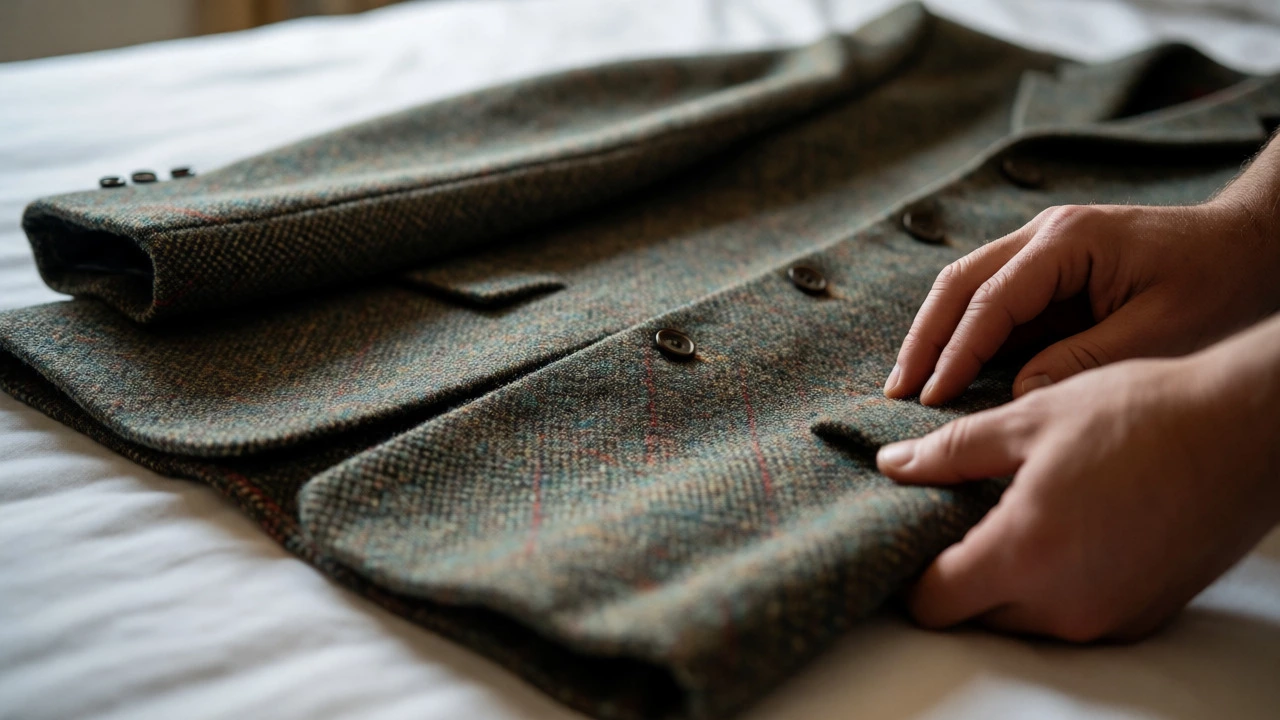
Throwing a coat into a pile is lazy. Proper folding preserves the structure. Here’s the method used by archivists and high-end retailers alike, adapted for home use.
- Button or Zip Up: Close all fasteners. This keeps the front panels aligned and prevents the lapels from twisting.
- Lay Flat: Place the coat on a clean bed or table, face down. Smooth out any wrinkles with your hands.
- Fold Sleeves: Bring the sleeves across the back, parallel to each other. Do not cross them over the body; keep them flat against the back panel.
- Fold in Half: Fold the bottom hem up towards the collar. For long coats, fold in thirds instead to avoid a massive bulk.
- Pad the Crease: If you’re worried about lines, place a tissue paper roll along the fold line before bending. This reduces friction and sharpness.
This technique works best for structured coats like pea coats or parkas. For unstructured blazers or light jackets, simply laying them flat and folding gently is enough. Remember, the goal is to minimize stress points on the fabric.
Storage Solutions for Small Irish Apartments
Space is expensive in Dublin, Belfast, or Limerick. Many of us don’t have a dedicated walk-in wardrobe. So, where do you put folded coats?
- Under-Bed Boxes: Use breathable canvas boxes, not plastic bins. Plastic traps moisture, which is dangerous in our climate. Add a silica gel packet to absorb excess dampness.
- Top Shelf Strategy: If you have open shelving, stack coats loosely. Don’t compress them. Heavy items go on the bottom, lighter ones on top.
- Vacuum Bags (Use with Caution): Great for synthetic puffers, terrible for wool. Vacuuming removes too much air, crushing natural fibers permanently. Only use these for down jackets if you plan to fluff them vigorously upon removal.
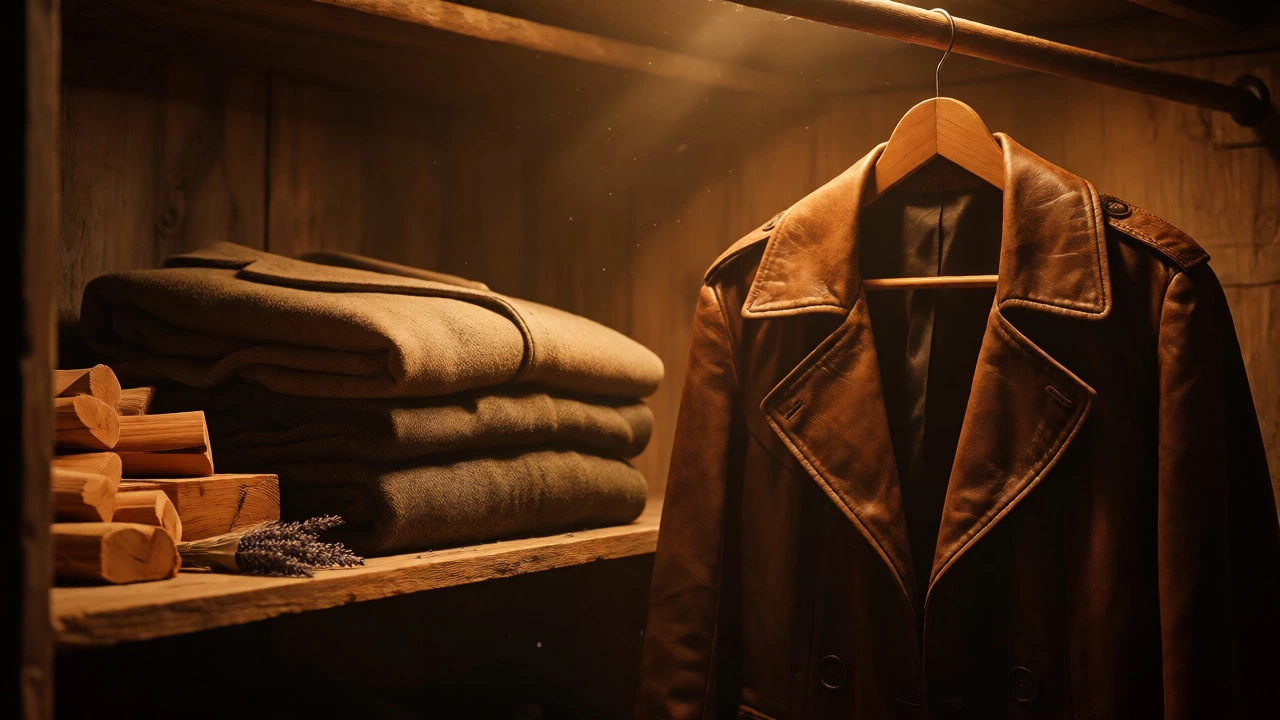
- Cedar Blocks: Moths love Irish wool. Cedar repels them naturally and adds a pleasant scent. Toss a few blocks into your storage container.
Avoid hanging coats in overcrowded closets where they touch each other. Friction causes pilling, especially on knitted cardigans or soft wool blends. If you must hang them, leave at least an inch of space between garments.
When You Should Never Fold
There are exceptions. Never fold a garment with intricate beading, sequins, or delicate embroidery. The pressure breaks threads and flattens embellishments. Also, avoid folding tailored suits or formal dinner jackets. These rely on precise shoulder construction. Folding distorts the canvas interlining, leading to a lumpy appearance that requires professional pressing to fix.
If you’re storing a special occasion coat for six months or more, consider hanging it in a breathable cotton garment bag. Keep it in a cool, dark place away from direct sunlight, which fades colors. In Ireland, basements can be damp, so attic spaces might be better, provided they aren’t prone to leaks or extreme heat fluctuations.
Reviving a Folded Coat
Did you pull out your winter coat in November and find it looks crumpled? Don’t panic. You don’t need to iron it directly, which can shine the fabric.
Hang the coat in the bathroom while you take a hot shower. The steam relaxes the fibers and releases minor wrinkles. Let it sit for 15 minutes, then smooth it out with your hands. For stubborn creases, use a steamer. Steamers are gentler than irons and work wonders on wool and cashmere. If you don’t own one, many local laundromats in city centers offer pressing services for a small fee.
For deeper refreshment, brush your coat with a clothes brush after wearing. This removes dirt and dust before storage, preventing grit from grinding into the fibers during folding. A simple wooden bristle brush costs little but extends the life of your jacket significantly.
Does folding cause permanent creases in wool coats?
No, wool is resilient. Minor creases usually fall out within a few hours of hanging. Sharp folds left for years may set, but steaming typically resolves them. Regular brushing helps maintain the finish.
Can I store my down jacket in a vacuum bag?
Yes, but only temporarily. Long-term compression can damage the down clusters' ability to regain loft. If you must use a vacuum bag, remove the jacket promptly and tumble dry on low with tennis balls to restore fluffiness.
How do I prevent moths in my stored coats in Ireland?
Ensure coats are clean before storage, as moths are attracted to skin oils and food stains. Use cedar blocks, lavender sachets, or mothballs in sealed containers. Avoid cardboard boxes, which moths can eat through.
Should I button my coat before folding it?
Yes, buttoning or zipping helps maintain the coat's alignment and prevents the front panels from shifting or twisting during the folding process.
Is it better to hang or fold heavy winter coats?
For short-term storage (under a month), hanging is fine. For long-term seasonal storage, folding is better for heavy wools to prevent shoulder stretching. Always use wide, padded hangers if you choose to hang.