
Barefoot Compliance Checker for Ireland
Check Your Barefoot Compliance
Select your location and activity to check compliance.
Walking barefoot on the damp cobblestones of Galway’s Spanish Arch or through the grassy fields of the Burren might feel natural-maybe even refreshing-but in Ireland, where public health rules are strict and workplace safety is taken seriously, being barefoot isn’t always just a personal choice. In fact, depending on where you are and what you’re doing, it could cross a line into a health code violation.
What Does Irish Health Law Say About Barefoot Walking?
Ireland’s health and safety regulations are governed by the Health and Safety Authority (HSA), which enforces rules under the Safety, Health and Welfare at Work Act 2005. Nowhere in that law does it say you can’t walk barefoot on the street. But when it comes to places where food is handled, sold, or served-like a Dublin bakery, a Cork butcher shop, or even a café in Kilkenny-bare feet are not allowed. Why? Because bare skin can carry dirt, bacteria, or contaminants that could end up in food.
The Food Safety Authority of Ireland (FSAI) requires all food premises to follow strict hygiene codes. Employees must wear clean, closed footwear that can be easily cleaned and disinfected. This isn’t just about shoes-it’s about minimizing risk. A barefoot employee stepping on a wet floor near a prep station could track in moisture, dust, or microbes from outside. In a country where food safety inspections are frequent and penalties for breaches can reach €10,000 per violation, this isn’t taken lightly.
Where Barefoot Is Allowed (and Where It’s Not)
On public sidewalks, beaches, or park paths in Ireland, you’re legally free to go barefoot. You’ll see it often in summer-parents letting kids run through the sand at Dollymount Strand in Dublin, tourists walking barefoot along the Cliffs of Moher’s grassy edges, or locals skipping across the stepping stones of the River Lee in Cork. These aren’t regulated spaces. No one’s going to stop you.
But walk into a supermarket like Tesco, Dunnes Stores, or Lidl with bare feet, and you’ll be asked to leave-or at least put something on. Same goes for pharmacies, hospitals, or any building with a food service area. Even if you’re just grabbing a coffee at a local artisan roastery like St. Ali in Galway or Box Kite in Belfast, staff are trained to enforce hygiene rules. It’s not personal-it’s protocol.
What about workplaces? If you work in a warehouse in Limerick, a factory in Waterford, or a kitchen in Sligo, you’re required to wear protective footwear. Steel-toed boots, non-slip soles, closed toes-these aren’t suggestions. They’re mandatory under HSA guidelines. A slip on a wet floor, a dropped crate, a sharp tool-these are real dangers. And Ireland’s high rainfall means floors are often damp, especially in older buildings with poor drainage.
Why Irish Workplaces Take Footwear So Seriously
Ireland’s weather doesn’t make barefoot living easy. Rain falls over 200 days a year in many parts of the country. Even in summer, the ground stays damp. In rural areas, muddy farm tracks and wet grass are the norm. That’s why work boots from brands like Blundstone, Clarks Work, or Dr. Martens are common sights in Irish workplaces. These aren’t fashion choices-they’re safety gear.
There’s also a cultural angle. Irish workplaces tend to value practicality over flair. A barefoot employee might be seen as careless, unprofessional, or even disrespectful to colleagues and customers. In a country where hospitality is a point of pride-whether you’re running a B&B in Killarney or serving pints in a pub in Galway-maintaining a clean, orderly environment is part of the job.
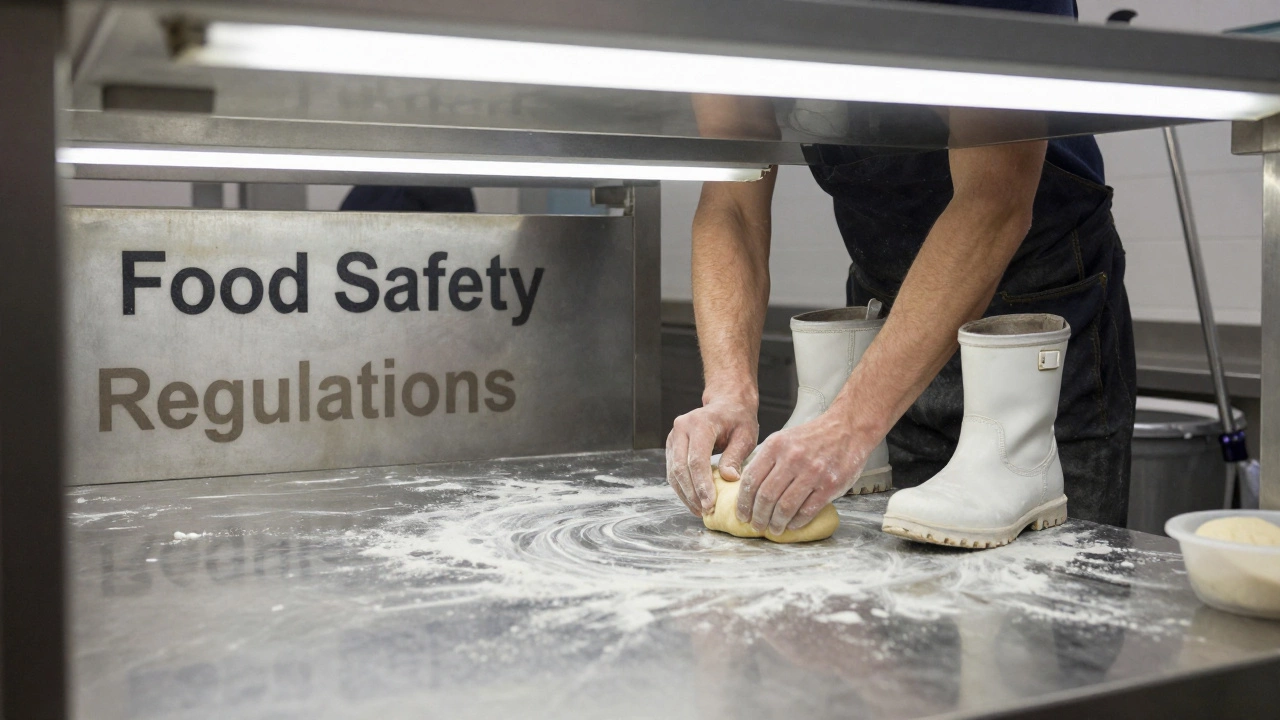
One real example: In 2023, a small bakery in Wexford was fined €4,500 after an inspector found an employee preparing dough barefoot. The owner claimed it was “just for a few minutes,” but inspectors noted the floor had been mopped with a disinfectant solution just minutes before-and the employee had walked through the outdoor patio area, where pigeons and rainwater mixed. The fine was upheld.
What About Tourists? Can They Go Barefoot in Ireland?
Tourists aren’t held to the same standards as employees, but they’re still expected to follow basic rules. If you’re visiting the Guinness Storehouse in Dublin and decide to kick off your shoes to take a photo on the steps, you won’t be arrested. But if you walk barefoot into the tasting room or restaurant area, staff will politely-but firmly-ask you to put your footwear back on. Same goes for museums, libraries, or any indoor public space with a food or hygiene zone.
There’s one exception: spas and wellness centers. Places like the Spa at the Greville Arms in Limerick or Therapy Rooms in Galway often encourage barefoot walking in relaxation areas. These are controlled environments with clean, sanitized floors and specific zones designated for barefoot use. That’s not a loophole-it’s a designed experience.
What Should You Do If You’re Barefoot and Need to Enter a Restricted Area?
Here’s a simple rule: If you’re barefoot and need to enter a place where food is handled, medical care is given, or machinery is operated, carry a pair of flip-flops or sandals. Keep them in your bag. It’s cheap, it’s practical, and it’s what most Irish locals do. You’ll see them in the trunks of cars, tucked into backpacks, or hanging off bike handles.
Brands like Flip Flop Factory in Cork or Decathlon in Dublin sell affordable, lightweight sandals that fold into a pocket. They’re not for fashion-they’re for compliance. And if you’re visiting from abroad, don’t assume your home country’s rules apply here. Ireland’s standards are stricter than many European countries, especially around food handling.
Myths About Barefoot Walking in Ireland
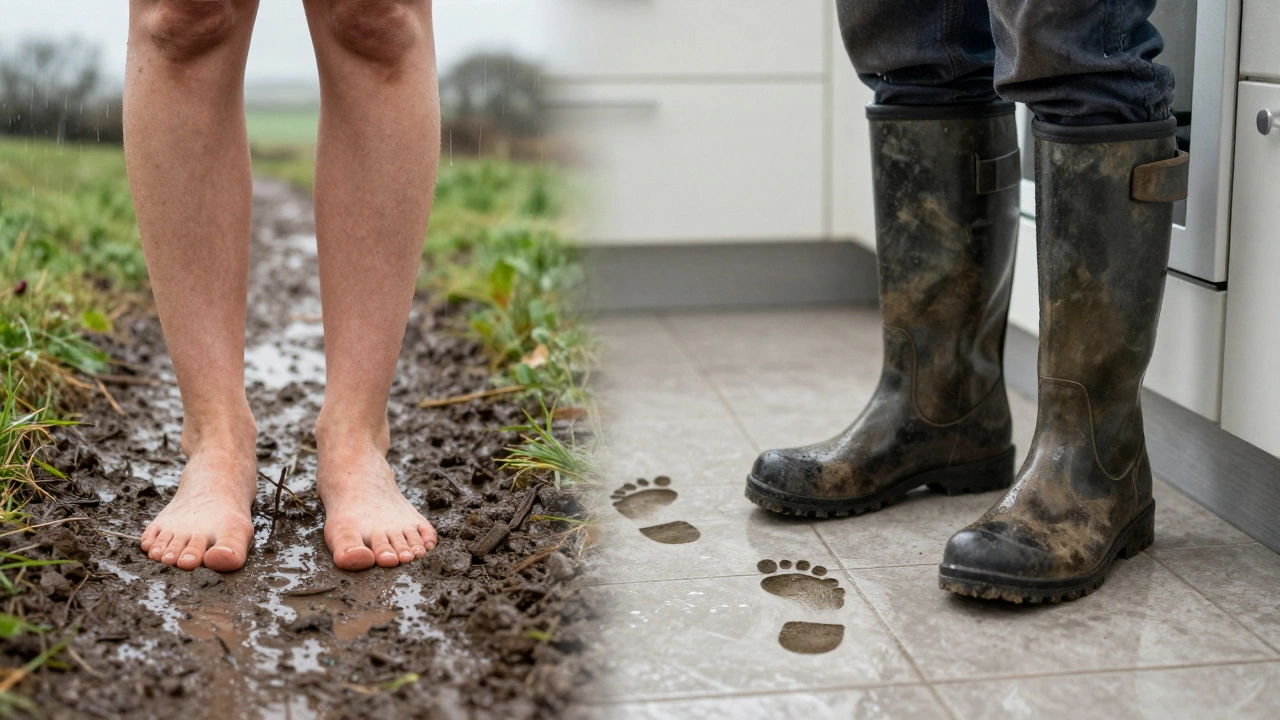
Some people think barefoot walking is healthier or more natural. That’s true in controlled settings like yoga studios or home floors. But in public, especially in Ireland’s wet, gritty environment, it’s not. The ground here carries everything from dog waste on city sidewalks to mud from sheep farms near the Ring of Kerry. There’s also the risk of stepping on broken glass, rusty nails, or hidden thorns-common after winter storms.
Another myth: “It’s okay if I’m just passing through.” Not true. Even if you’re just walking through a kitchen corridor to get to the restroom in a restaurant, you’re still in a regulated zone. The law doesn’t care if you’re just “passing.” It cares about risk.
Bottom Line: Barefoot Is Fine-Unless It’s Not
In Ireland, being barefoot isn’t illegal. But it’s restricted in places where safety, hygiene, or public health is at stake. If you’re on the beach, in your garden, or walking through a forest trail, go ahead. Enjoy the feel of the earth. But step into a shop, a kitchen, a hospital, or a factory-and you need shoes. It’s not about judgment. It’s about protecting people.
And if you work in a food service role in Ireland? Your employer isn’t being harsh. They’re following the law-and protecting their business. A single health code violation can cost thousands. It can shut down a small business for weeks. That’s why every pair of work boots, every non-slip sole, every closed-toe shoe matters.
So next time you’re in Dublin, Cork, or Galway, and you feel the urge to kick off your shoes, pause. Ask yourself: where am I going next? If it’s anywhere with food, medicine, or machinery-keep your feet covered. It’s not just about rules. It’s about respect-for the place, the people, and the weather.