Irish Suit Value Checker
Enter the details of the suit you are considering to see if €300 (or your entered price) is a fair deal in the current Irish market.
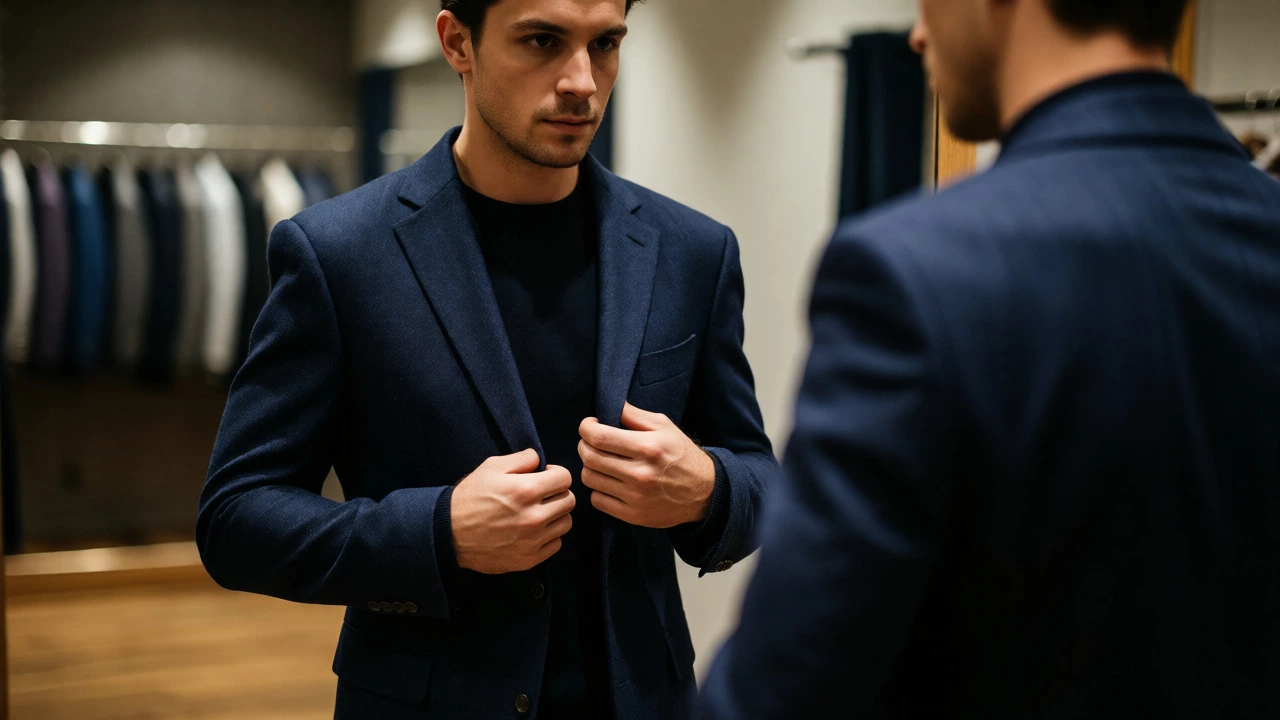
You’re standing in a fitting room on Grafton Street or scrolling through the online catalogues of Irish retailers, staring at a price tag. It says €300. Your heart skips a beat-not because it’s cheap, but because you have no idea if that number means you’re getting a bargain or being ripped off. Is €300 a good price for a suit in the current Irish market? The short answer is: it depends entirely on what’s under the hood. In 2026, with inflation still lingering and fabric costs fluctuating globally, €300 sits right on the fence between fast fashion and entry-level investment wear. If you’re buying a disposable polyester blend from a high-street chain, you’re overpaying. If you’re grabbing a half-canvas wool blend from a reputable local tailor or a savvy online brand, you’re scoring a win.
Decoding the Price Tag: What Does €300 Actually Buy You?
Let’s break down the anatomy of a suit before you hand over your credit card. When you spend €300 in Dublin, Cork, or Galway, you are typically looking at one of two scenarios. Scenario A is a full synthetic or high-polyester blend suit from brands like Next, H&M, or Zara. These often retail between €150 and €250. Paying €300 here usually means you’re paying for the brand name or a specific fit, not superior material. Scenario B is an entry-level natural fiber suit-think 70-80% wool blends-from mid-tier brands like Suitsupply, Charles Tyrwhitt, or local Irish outfitters like Dunnes Stores’ premium lines or independent tailors in smaller towns. Here, €300 is a competitive, fair price.
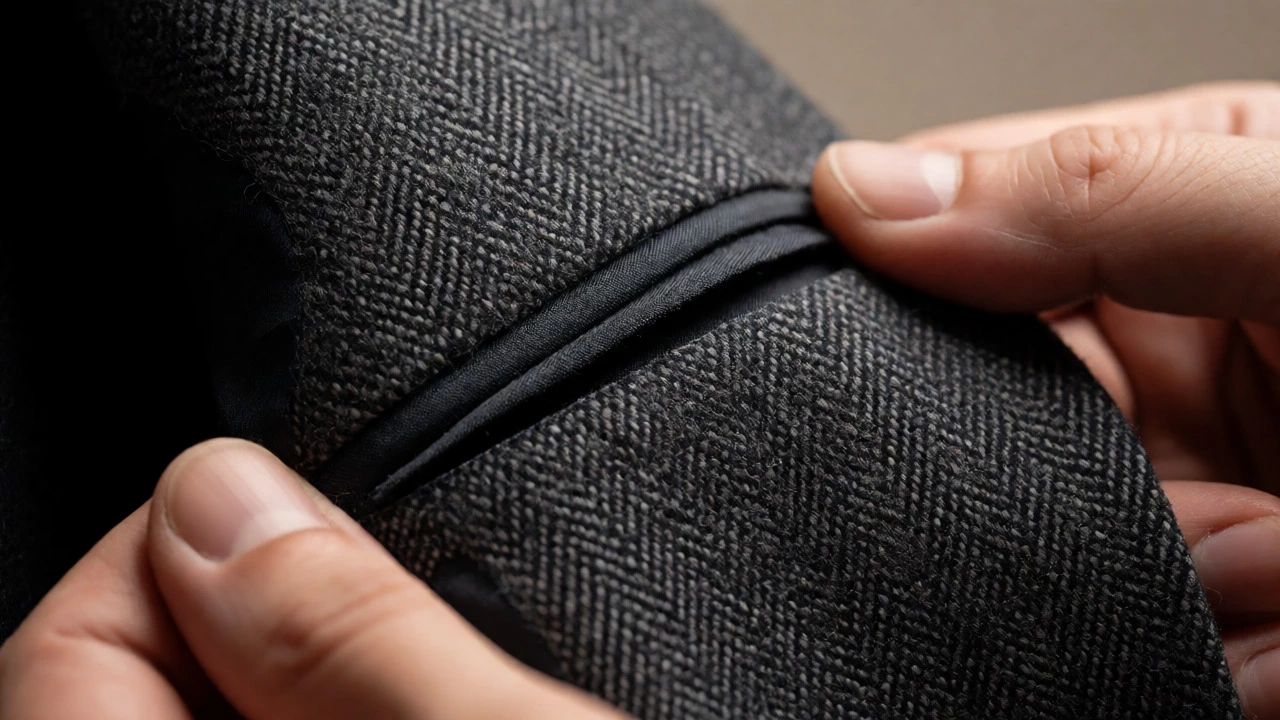
The critical factor isn’t just the brand; it’s the construction method. Most suits in this price range will be "fused," meaning the inner lining is glued to the outer fabric. This is fine for occasional wear, like a single wedding appearance or a job interview. However, fused suits can bubble after dry cleaning, especially given how often we might wear them in our variable Irish climate. If you find a "half-canvas" construction (where the chest area is stitched, not glued) for €300, you’ve found gold. That structural integrity allows the jacket to mold to your body over time, offering better longevity than any glue-based alternative.
Fabric Matters More Than Brand Name
In Ireland, fabric choice is dictated by the weather. You cannot ignore the dampness. A cheap suit made of 100% polyester will make you sweat in a crowded pub in Temple Bar during summer, yet feel clammy when the wind cuts through your coat in winter. Wool is king here. Specifically, look for Super 100s to Super 120s wool. Anything higher (Super 150s+) is too delicate for daily commuting on the Luas or walking across campus in Trinity College Dublin.
At the €300 mark, you should expect a wool-blend fabric. Pure virgin wool suits generally start closer to €400-€500 unless you catch a massive sale at Brown Thomas or Arnotts. However, don’t dismiss blends. A 60% wool / 40% polyester blend can actually be more durable and wrinkle-resistant for travel-heavy roles. But avoid anything with less than 50% natural fibers if you want the suit to breathe. Synthetic fabrics trap heat and moisture, leading to discomfort during long days at the office or social events.
Where to Shop: High Street vs. Online vs. Tailors
Your location within Ireland changes the value proposition significantly. Shopping in city centers offers convenience but often comes with higher overheads baked into the price. Let’s look at the landscape.
- High Street Chains: Brands like M&S or Next offer suits starting at €199. They are consistent, available everywhere from Dundrum Town Centre to the Blanchardstown Centre, and easy to return. But at €300, you’re often pushing into their upper tier without gaining significant quality upgrades.
- Specialist Retailers: Suitsupply has expanded its presence in major Irish cities. Their €300 suits are often superior in cut and fabric compared to high-street equivalents. They use European mills and offer modern fits that cater well to younger professionals.
- Local Independent Tailors: This is the hidden gem strategy. Many tailors in towns like Kilkenny, Limerick, or Belfast (just across the border) offer made-to-measure services starting around €350-€400. Sometimes, you can find ready-made stock or off-the-rack options they’ve adjusted for €300. The advantage? You get personal service and alterations included, which saves you the extra €50-€80 you’d pay elsewhere.
| Retailer Type | Avg. Price for €300 Tier | Fabric Quality | Construction | Best For |
|---|---|---|---|---|
| Fast Fashion (Zara/H&M) | Overpriced | Polyester Dominant | Fused | One-off events |
| Mid-High Street (M&S/Next) | Fair | Wool Blends | Fused | Office basics |
| Specialist (Suitsupply/Tyrwhitt) | Good Value | High Wool Content | Fused/Half-Canvas | Style-conscious pros |
| Independent Tailor (Stock) | Excellent | Natural Fibers | Half-Canvas | Long-term wear |
The Hidden Cost: Alterations Are Non-Negotiable
Here is the truth nobody tells you: no off-the-rack suit fits perfectly out of the box. Unless you happen to match the standard size chart exactly-which rarely happens-you will need alterations. Budget an additional €50 to €100 for hemming trousers, taking in the waist, and adjusting sleeve lengths. If your total budget is strictly €300, buy a €250 suit and spend €50 on tailoring. A €300 suit that doesn’t fit looks worse than a €200 suit that fits like a glove.
In Dublin, alterations can cost more due to higher rent for tailors. Look for tailors in suburban areas or near universities where student prices might apply. Always ask if alterations are included. Some Irish retailers include basic hemming in the purchase price, effectively making that €300 suit a true €300 package. Others charge separately, pushing your real cost to €380.
Occasion-Based Buying Strategy
Why do you need the suit? This question dictates whether €300 is a smart spend.
If it’s for a wedding guest outfit, consider the frequency. Will you wear it again? Irish weddings are frequent in summer months. A navy or charcoal grey suit at €300 is versatile enough for multiple events. Black suits are rarely appropriate for daytime Irish weddings unless specified as black-tie. Stick to greys and blues for maximum utility.
If it’s for a job interview in corporate Dublin, presentation matters. A slightly cheaper suit with excellent tailoring beats an expensive, ill-fitting one every time. Invest in a crisp white shirt and a decent tie rather than blowing the entire budget on the jacket alone.
If it’s for daily office wear, €300 is tight. Daily wear requires rotation. You shouldn’t wear the same suit two days in a row. Ideally, you want three suits in rotation. At €300 each, that’s €900 upfront. If you can stretch to €400 per suit, you gain access to better canvassing and longer-lasting fabric. If €300 is hard-capped, prioritize comfort and fit over prestige.
Care and Longevity: Making Your Money Last
Ireland’s damp climate is tough on clothing. To make a €300 suit last five years instead of two, follow these rules. First, never dry clean unnecessarily. Dry cleaning chemicals degrade fabric fibers. Spot clean minor stains and air out the suit after wearing. Use a wooden hanger with wide shoulders to maintain the jacket’s shape. Plastic hangers cause shoulder bumps and distort the fabric.
Brush your suit after each wear. A horsehair brush removes dust and dirt particles that grind into the fabric weave. This simple habit extends the life of your suit significantly. Store your suit in a breathable garment bag, not plastic, to prevent mildew-a common issue in humid Irish homes.
Verdict: Is It Worth It?
So, is €300 a good price? Yes, if you are buying a wool-blend suit from a specialist retailer or an independent tailor, and you factor in proper fit. No, if you are paying €300 for a purely synthetic high-street suit that will pill and lose shape after six months.
Look for sales in January and August. Irish retailers often discount end-of-season stock by 30-50%. A €450 suit marked down to €300 is a steal. Conversely, a €200 suit marked up to €300 for "premium fit" is a marketing trick. Read the label. Check the canvas. Prioritize the tailor. Do this, and your €300 will serve you well in boardrooms, ballrooms, and beyond.
What is the best fabric for suits in Ireland's climate?
Merino wool is the top choice because it regulates temperature and resists wrinkles. Look for medium-weight wools (Super 100s-120s) that handle both rainy winters and mild summers. Avoid heavy tweeds for city wear unless you live in rural areas, and steer clear of pure linen for formal business settings as it wrinkles too easily in humidity.
How much should I budget for suit alterations in Dublin?
Expect to pay between €50 and €100 for comprehensive alterations including trouser hemming, waist adjustment, and sleeve lengthening. Prices vary by location; tailors in city center locations like Grafton Street may charge more than those in suburbs or smaller towns. Always check if your retailer includes basic alterations in the purchase price.
Are online suit retailers reliable for Irish customers?
Yes, brands like Suitsupply and Charles Tyrwhitt offer free returns and exchanges to Ireland, allowing you to try sizes at home. However, shipping times can vary, so order at least three weeks before your event. Ensure the retailer ships to Ireland directly to avoid unexpected customs duties, though EU-based retailers typically ship duty-free.
Can I wear a €300 suit to a black-tie wedding in Ireland?
Generally, no. Black-tie requires a tuxedo, which typically starts at €400+ for rental and €600+ for purchase. A €300 suit is suitable for semi-formal or cocktail attire, which is common for many Irish weddings. If the invitation specifies black-tie, renting a tuxedo is a more cost-effective option than buying a low-end suit.
How do I tell if a suit is fused or canvassed?
Pinch the fabric on the lower part of the lapel between your fingers. If you feel only two layers (outer fabric and lining), it is likely fused. If you feel a third layer floating between them, it is canvassed. Half-canvas suits will have this third layer only in the chest area, while full-canvas suits have it throughout. Half-canvas is a good target for a €300 budget.