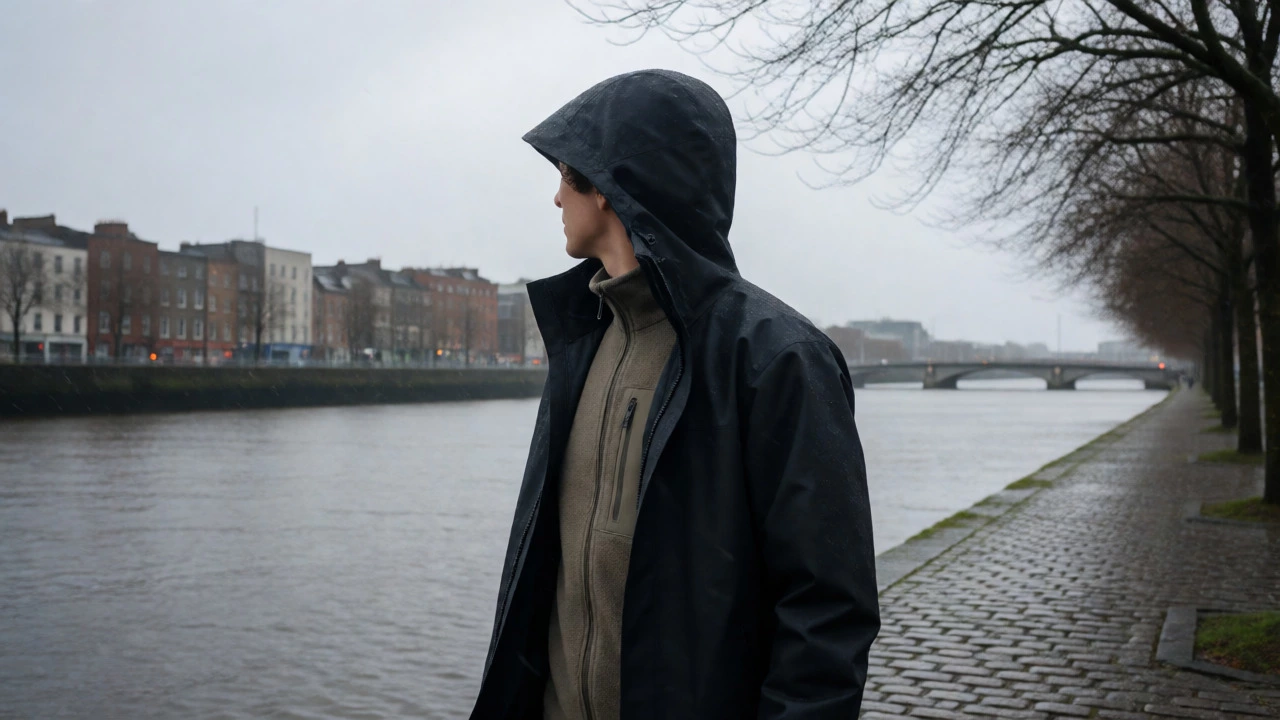
Irish Layering Calculator
Not sure if you need that extra fleece? Answer these questions to determine your ideal outfit strategy for today's conditions.
Recommended Strategy
3 LayersYou’ve probably heard the old adage: "There’s no such thing as bad weather, only inappropriate clothing." But here in Dublin, where the wind off the Liffey can cut through you on a sunny day and rain seems to fall sideways, that saying feels more like a threat than a comfort. The real question isn’t just about what to wear; it’s about how many layers you actually need. Is three coats too much? For most people navigating the unpredictable Irish climate, the answer is nuanced. It depends entirely on your activity, your tolerance for cold, and whether you’re standing still at a GAA match or hiking up Howth Head.
Let’s be honest: if you are wearing three full-length heavy coats, yes, that is ridiculous. You’ll look like a walking marshmallow and struggle to move your arms. But if we talk about layering-the art of stacking thin, functional garments rather than bulky ones-three layers are often the gold standard for staying dry and warm without sweating yourself into misery. This guide breaks down exactly how to layer jackets for Ireland’s damp, windy reality, so you stop guessing and start enjoying the outdoors.
The Myth of the Single Heavy Coat
Many expats arriving in Ireland make the same mistake: they buy one massive, insulated parka from a high-street chain and think they’re sorted. They aren’t. A single thick coat fails because it traps moisture against your skin once you start moving. In Ireland, humidity is the enemy. If you sweat in a heavy wool coat while walking from Sandyford to the city centre, you’ll feel freezing the moment you stop. That dampness stays with you all day.
Layering solves this by allowing you to adjust to temperature changes instantly. It’s not about piling on clothes; it’s about creating air pockets between fabrics that trap heat while letting moisture escape. Think of it as building a micro-climate around your body. When you understand this, the idea of wearing multiple items becomes less about bulk and more about efficiency.
Decoding the Three-Layer System
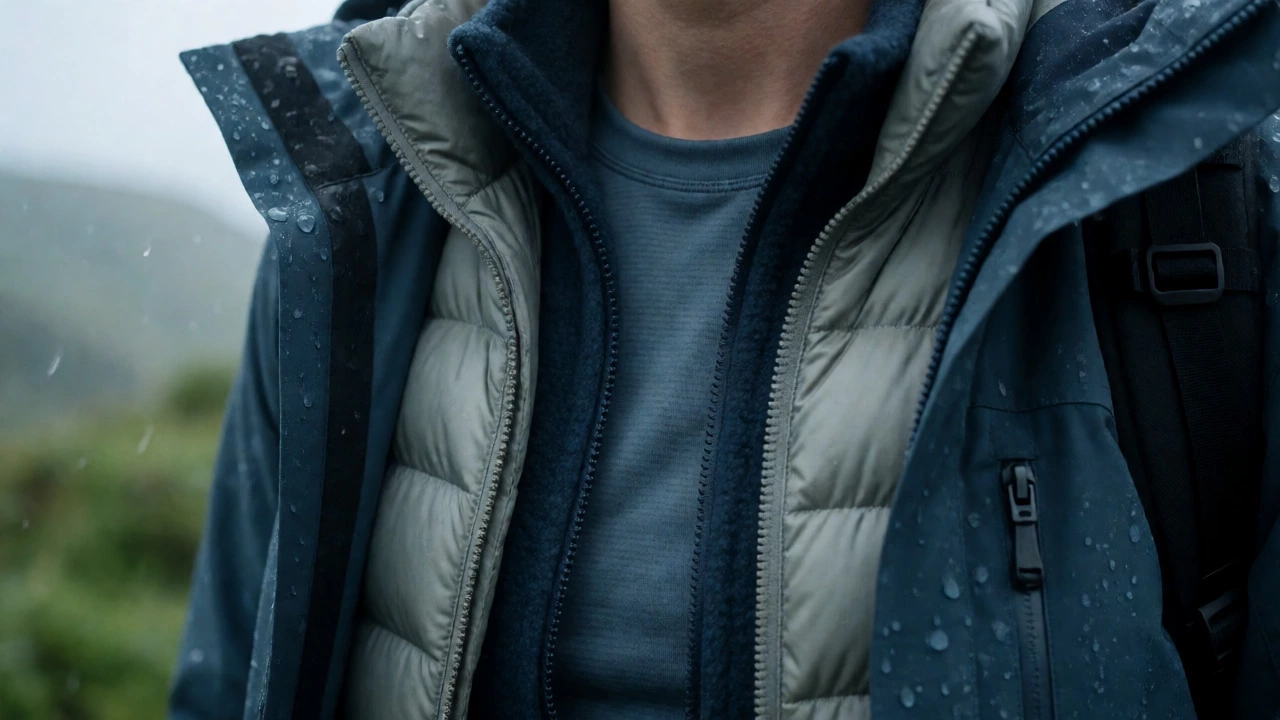
The concept of "three coats" usually refers to the three-layer system used by mountaineers and hikers, which translates perfectly to urban Irish life. Here is what those layers actually do:
- The Base Layer (The Wicking Layer): This sits next to your skin. Its job is not to keep you warm, but to pull sweat away from your body. Avoid cotton at all costs. Cotton absorbs water and holds it, making you colder when it gets wet. Instead, opt for merino wool or synthetic materials like polyester. Merino is fantastic because it regulates temperature naturally and doesn’t smell even after days of wear.
- The Mid Layer (The Insulating Layer): This is where the warmth comes from. Fleece jackets, lightweight down vests, or thin knitwear work best here. The goal is to trap body heat. In milder Dublin winters, a light fleece might suffice. On a frosty morning in Galway, you might need a thicker wool jumper or a synthetic puffer vest.
- The Outer Layer (The Shell): This protects you from the elements. Wind and rain are the primary aggressors in Ireland. Your outer jacket must be waterproof and breathable. Look for technologies like Gore-Tex or proprietary equivalents found in brands like Jack Wolfskin or Patagonia. This layer should be loose enough to fit over your mid layer without restricting movement.
So, is three coats too much? No, because these aren’t three heavy coats. They are three functional components working together. Removing any one of them compromises the system. Remove the base layer, and you get clammy. Remove the mid layer, and you freeze. Remove the shell, and you get soaked.
Irish Weather Demands Specific Gear
Why does this matter specifically here? Because Irish weather is deceptive. Temperatures rarely drop below freezing in cities like Cork or Limerick, yet it feels colder due to the wind chill factor. A 5°C day with a strong Atlantic breeze feels like -5°C. Standard fashion advice often ignores this dynamic.
Consider the typical commute. You might walk from your house to a Luas stop, stand outside for ten minutes waiting for the tram, then sit indoors for eight hours. If you wear one heavy coat, you’ll overheat inside the office and shiver outside. With a three-layer system, you peel off the outer shell when you enter the workplace, keeping the mid layer for the chilly office AC, and reapply the shell when you step back out. This flexibility is crucial for anyone living in an area with mixed indoor/outdoor routines.
Furthermore, Irish rain is persistent. It’s not always torrential, but it’s constant drizzle that seeps into seams. A non-waterproof wool coat will eventually become saturated and heavy. A technical shell repels this moisture, keeping your inner layers dry. Brands like Barbour offer waxed jackets that bridge the gap between style and function, popular among rural residents who need protection during farm walks or country drives.
When Three Layers Are Overkill
While the three-layer system is robust, it’s not always necessary. There are scenarios where stripping it back makes sense:
- Mild Spring/Autumn Days: If it’s 12°C and calm, a base layer plus a windbreaker might be enough. Adding a mid layer could cause overheating.
- High-Intensity Activity: Running along the Phoenix Park trails generates significant body heat. Wearing three layers here leads to excessive sweating. Two layers-a technical tee and a light windproof jacket-are often sufficient.
- Short Durations: If you’re just popping to the corner shop for milk, full layering is unnecessary hassle. Grab a hoodie and go.
The key is assessing duration and intensity. Standing still requires insulation. Moving requires breathability. Adjust accordingly.
Common Mistakes Irish Residents Make
Even locals sometimes get layering wrong. One common error is wearing jeans as a base layer. Denim is terrible for thermal regulation. It offers no wicking properties and takes forever to dry if it gets wet. Swap jeans for thermal leggings or trousers made from stretchy synthetic blends if you’re spending time outdoors.
Another mistake is neglecting extremities. Your core might be warm under three layers, but if your hands and head are exposed, you lose significant heat. Always carry a beanie and gloves. In Ireland, wind attacks the head first. A good scarf tucked into your collar also prevents drafts from sneaking down your back.
Finally, don’t ignore footwear. Wet feet ruin the entire experience. Waterproof boots with good grip are essential, especially if you’re walking on cobblestones in Derry or muddy paths in Wicklow Mountains National Park. Layering socks-thin liner socks under thicker wool ones-can prevent blisters and add warmth.

Building Your Capsule Wardrobe for Ireland
You don’t need a closet full of gear. A smart capsule wardrobe covers most Irish weather scenarios. Here’s a practical checklist:
| Layer Type | Recommended Item | Why It Works |
|---|---|---|
| Base | Merino Wool Tee | Natural temperature regulation, odor-resistant, dries quickly. |
| Mid | Fleece Jacket or Down Vest | Lightweight warmth, compressible, easy to remove indoors. |
| Outer | Waterproof Shell (Gore-Tex) | Blocks wind and rain, breathable to let sweat escape. |
| Alternative Outer | Waxed Cotton Jacket | Stylish, durable, great for rural areas, needs maintenance. |
This setup handles everything from a rainy Tuesday in Belfast to a crisp autumn hike in Killarney. It’s versatile, cost-effective, and keeps you comfortable regardless of the forecast.
Tips for Buying Jackets in Ireland
When shopping for these layers, consider local retailers versus online giants. Stores like Brown Thomas or Arnotts in Dublin offer premium brands but at higher prices. For value, check out Decathlon for affordable technical gear or local independent shops in towns like Kinsale or Galway City that support sustainable practices.
Always try on jackets with your intended layers underneath. A shell that fits snugly over a t-shirt might be tight over a fleece. Ensure there’s room for movement, especially in the shoulders and chest. Raise your arms above your head; if the hem lifts too much, exposing your lower back to wind, the jacket is too short.
Check the cuffs and hood adjustments. Adjustable cuffs seal out wind. A well-fitting hood should frame your face without blocking peripheral vision. In Ireland, where sudden squalls are common, these details matter more than aesthetics.
Is three coats really necessary for everyday life in Dublin?
For most daily commutes involving public transport or walking, yes, a three-layer system (base, mid, shell) is highly recommended. It allows you to adapt to changing temperatures between indoors and outdoors. However, you don't need three heavy coats; lightweight, functional pieces work best.
Can I use a raincoat as my only outer layer?
Yes, provided it is breathable. Many cheap raincoats trap sweat, leading to discomfort. Look for shells with ventilation zippers or high-quality membranes like Gore-Tex. If you're mostly sitting in a car or office, a basic raincoat may suffice, but for active use, invest in breathable tech.
What is the best material for base layers in Ireland?
Merino wool is widely considered the best option for Ireland's damp climate. It wicks moisture effectively, retains warmth even when wet, and resists odour. Synthetic alternatives like polyester are cheaper and dry faster but can retain smells more quickly.
Do I need different jackets for summer and winter?
Not necessarily. A good waterproof shell works year-round. In summer, pair it with just a t-shirt. In winter, add a fleece and merino base. Investing in quality layers means you rely on fewer items across seasons, saving money and space.
Are waxed jackets better than technical shells for Irish weather?
It depends on your lifestyle. Technical shells offer superior breathability and waterproofing for active use. Waxed jackets provide excellent wind resistance and a classic aesthetic, ideal for casual wear or rural settings, but require regular re-waxing and are heavier when wet.
Ultimately, dressing for Ireland isn’t about enduring the weather; it’s about engaging with it. By mastering the three-layer approach, you turn grey skies and gusty winds into opportunities for exploration rather than reasons to stay indoors. So next time you look out the window and see dark clouds rolling in over the bay, don’t groan. Just grab your base, your mid, and your shell, and step out ready for whatever the Atlantic throws at you.