Irish Weather Jacket Quality Checker
Evaluate your potential purchase or current jacket against key durability and performance standards for Ireland's damp, windy climate.
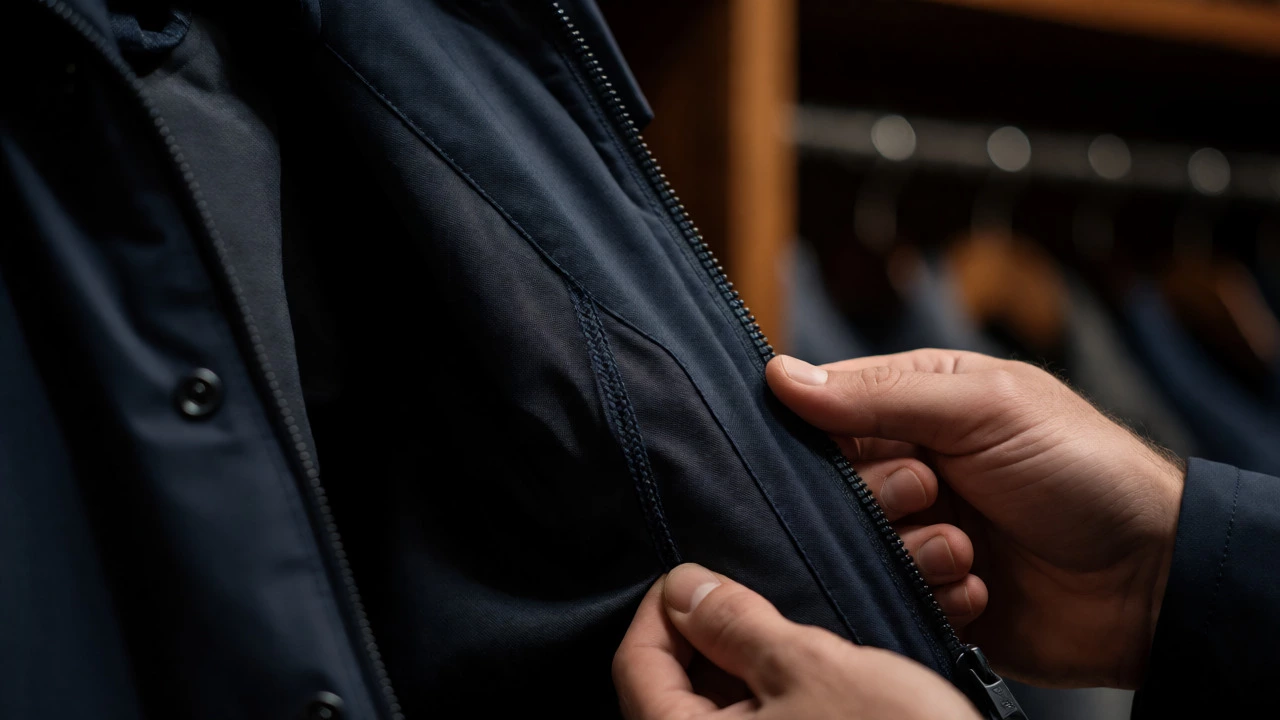
- Zippers are branded (YKK/Riri) & glide smoothly
- Seams are taped (for waterproof shells)
- High-stress areas have bar-tack reinforcement
- Cuffs/Hems are adjustable (Velcro/Elastic)
- Lining is smooth/satin (no snagging)
- Fabric feels dense/substantial (not see-through)
Quality Assessment
Awaiting Input
You know the feeling. You’re standing on Grafton Street in Dublin, or maybe waiting for a bus in Galway, and that familiar sideways rain starts hammering your shoulders. Your new jacket looks great in the shop mirror, but three months later, the seams are popping and the water is soaking through to your shirt. It’s frustrating, especially when you’ve spent decent money. In Ireland, where the weather can shift from sunshine to gale-force winds in twenty minutes, a good quality jacket isn’t just about style-it’s survival gear. But how do you spot the real deal before you hand over your card? It’s not always about the brand name on the label. It’s about what’s under the hood.
The central entity here is jacket construction, which is the physical assembly of fabrics, linings, zips, and hardware that determines a garment's longevity and performance. Unlike fast fashion items designed to last one season, high-quality outerwear is engineered to withstand repeated stress, moisture, and abrasion. When we talk about quality in the Irish market, we are looking at specific attributes: fabric density, seam integrity, and functional design tailored to our maritime climate.
Check the Fabric Weight and Feel
First things first: touch the material. Hold it up to the light. If you can see through it easily, it’s likely too thin for our winters. High-quality jackets use dense, tightly woven fabrics. For wool coats, look for a tight weave that doesn’t show gaps between threads. For technical shells, like those from brands popular here such as Gore-Tex or proprietary membranes like DryVent, the fabric should feel substantial, not plasticky or flimsy.
In Ireland, we need materials that breathe but block wind. A cheap polyester shell might keep the rain out, but if it traps sweat, you’ll end up damp from the inside out during a hike in the Wicklow Mountains. Look for natural fibers blended with synthetics for durability. Merino wool blends are excellent for insulation without bulk. If you’re buying a down jacket, check the fill power. Anything below 600 won’t cut it in an Irish February. Aim for 700+ for serious warmth-to-weight ratio.
Inspect the Stitching Like a Pro
This is where most people fail. They look at the outside; you need to look at the inside. Turn the jacket inside out. Run your finger along the seams. Do they feel smooth and flat, or do they bunch up? High-end tailoring uses techniques like French seams or bound seams to enclose raw edges, preventing fraying. This is crucial because washing machines here often struggle with bulky items, and loose threads will unravel quickly.
- Stitch Density: Count the stitches per inch. More is generally better. Cheap jackets often have 8-10 stitches per inch; quality ones have 12-15. This holds the fabric together under tension.
- Reinforcement: Check high-stress areas like pockets, cuffs, and shoulder straps. Are there bar tacks (dense zig-zag stitching) reinforcing these points? If not, expect tears within a year.
- Symmetry: Are the sleeves even? Does the hem sit straight? Poor alignment suggests rushed manufacturing.
If you’re shopping in a store like Brown Thomas or Arnotts, take your time. The sales staff won’t mind. If you’re online, order two sizes and compare them side-by-side. Return policies in Ireland are consumer-friendly, so use them.
Zippers and Hardware Matter More Than You Think
A jacket is only as good as its weakest component. And usually, that’s the zip. Flip the zipper tab over. Does it say YKK? YKK is the gold standard for zippers globally. If the brand is unknown or missing, be wary. Cheap zippers jam, break, or separate under pressure. Try opening and closing every single zip multiple times. It should glide smoothly without catching the fabric.
Check the buttons. Are they sewn on securely? Loose buttons fall off after one wash. Better yet, look for shank buttons (buttons with a small stem underneath) rather than flat buttons. Shank buttons allow more thread space, making them harder to pull off. Also, inspect any drawcords. Are they elasticated and durable, or just thin string? Thin strings snap when wet and frozen, leaving you with useless hoods.
Waterproofing and Breathability Ratings
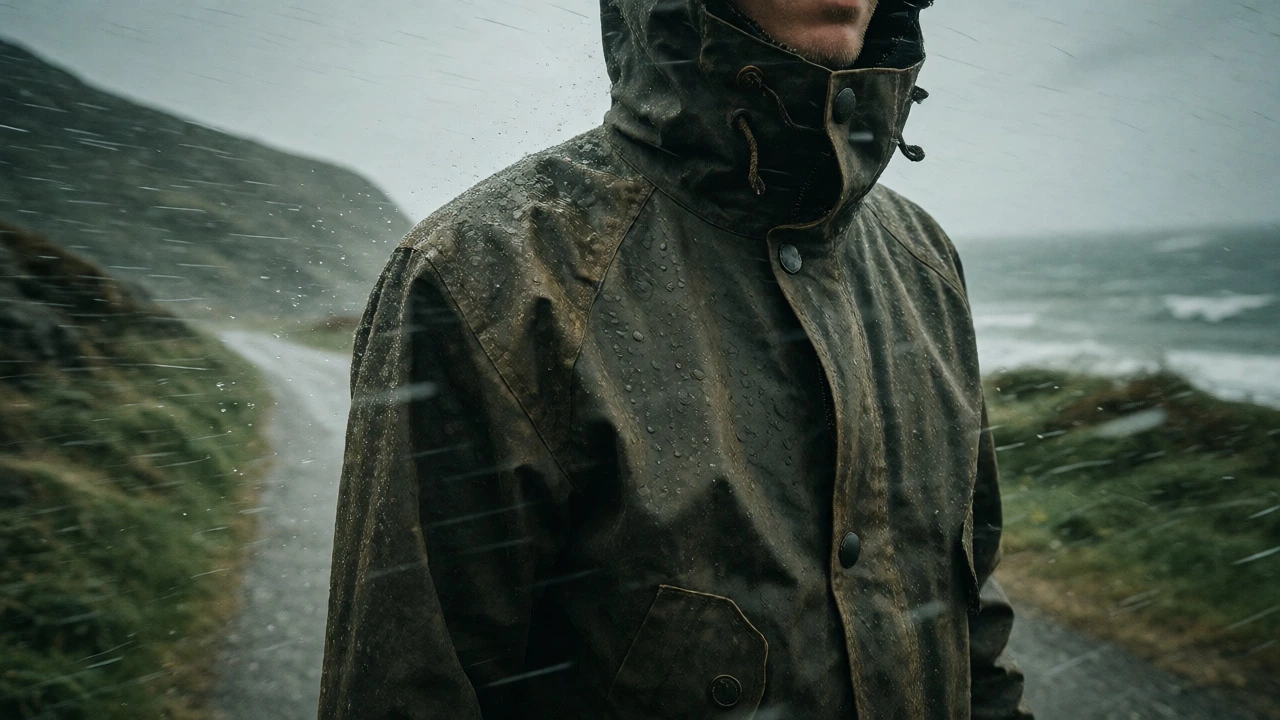
If you’re buying a raincoat, ignore the marketing fluff about "water-resistant." You want numbers. Waterproofing is measured in millimeters (mm) of hydrostatic head. For heavy Irish rain, you need at least 10,000mm. For hiking or prolonged exposure, aim for 20,000mm+. Breathability is measured in grams per square meter per 24 hours (g/m²/24h). You want a rating above 10,000g to ensure sweat vapor escapes.
| Rating (mm) | Suitability | Typical Use Case |
|---|---|---|
| 1,000 - 5,000 | Water Repellent | Light drizzle, city walking |
| 5,000 - 10,000 | Water Resistant | Moderate rain, short commutes |
| 10,000 - 20,000 | Waterproof | Heavy rain, coastal walks |
| 20,000+ | Highly Waterproof | Storms, mountaineering, fishing |
Remember, waterproofing degrades over time. Durable Water Repellent (DWR) coatings wear off. A good jacket allows you to re-proof it. Check if the manufacturer sells compatible spray-on treatments. Brands like Nikwax are widely available in Irish outdoor shops like Camp or Decathlon.
Lining and Insulation Quality
Open the main zip and look at the lining. Is it smooth satin or rough synthetic? Rough linings snag on jumpers and make dressing difficult. More importantly, check how the insulation is attached. In quilted jackets, are the baffles (the stitched channels holding the down or synthetic fill) evenly spaced? If the fill shifts to one side, you’ll have cold spots. This is common in cheaper jackets where the inner lining isn’t properly secured to the outer shell.
Fleece-lined jackets are popular in Ireland for their softness. Ensure the fleece is bonded securely to the outer fabric. If you can peel the fleece away easily, it will bubble and detach after washing. Fused fleece is superior to glued fleece. Glue fails when exposed to heat and moisture cycles, which we get plenty of.
Fit and Mobility for Active Lifestyles
A technically perfect jacket is useless if it restricts movement. Put it on and simulate real life. Raise your arms overhead. Does the hem lift too much, exposing your lower back to the wind? Cross your arms. Does the chest feel tight? Irish weather demands layering. Try wearing a thick sweater or a mid-layer underneath. If you can’t zip it up comfortably, size up. Remember, a slightly larger jacket accommodates thermal layers, which is essential for staying warm without adding bulk.
Check the cuffs. Do they have adjustable Velcro tabs? These prevent rain from running down your sleeves into your hands. Adjustable hems are also critical for sealing out drafts. In windy coastal towns like Howth or Dunmore East, a loose hem can turn your jacket into a sail, letting cold air rush in.
Local Context: Buying Smart in Ireland
Where you buy matters as much as what you buy. Independent retailers in cities like Cork, Limerick, and Belfast often carry higher-quality European brands that prioritize craftsmanship over mass production. Chains may push volume sellers, but local shops often curate items suited to our specific climate. Ask the staff about repair services. Many independent outdoor stores offer free repairs for minor issues like broken zips or torn seams for a period after purchase. This service alone adds value and indicates confidence in the product.
Consider second-hand options. Ireland has a vibrant vintage scene. Stores in Dublin’s Temple Bar area or online platforms like DoneDeal often feature well-maintained vintage Barbour waxed jackets or Patagonia fleeces. Waxed cotton requires maintenance-re-waxing every few years-but lasts decades. It’s a sustainable choice that aligns with growing environmental awareness among Irish consumers.
Is a more expensive jacket always better quality?
Not necessarily. Price often reflects branding and marketing costs. However, extremely low prices rarely cover the cost of quality materials and ethical labor. Focus on construction details like stitching and zippers rather than just the price tag. Mid-range brands often offer the best value for money in terms of durability.
How do I maintain a waterproof jacket?
Wash it according to the care label, usually with a technical detergent like Nikwax Tech Wash. Avoid fabric softeners, which clog pores. After washing, tumble dry on low heat or iron on a cool setting to reactivate the DWR coating. Reapply a spray-on water repellent if water stops beading on the surface.
What is the best jacket type for Irish winters?
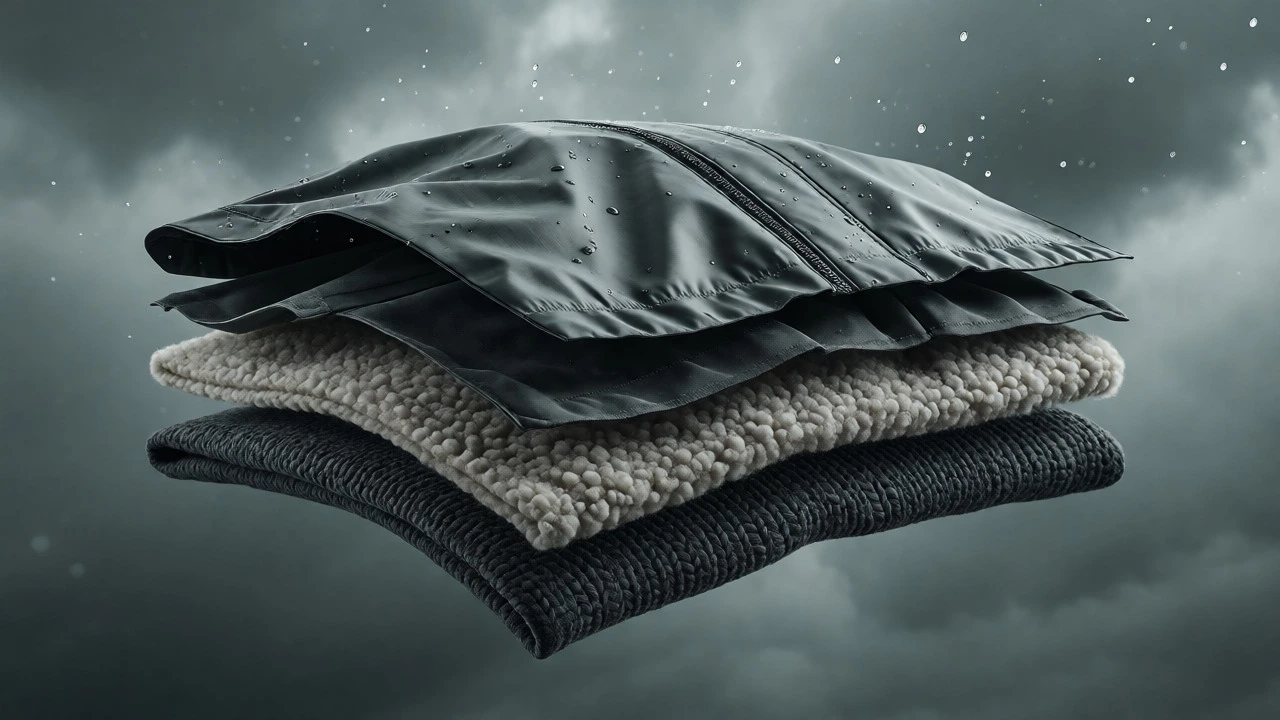
A layered system works best. A waterproof, breathable shell over a fleece or wool mid-layer provides flexibility. For casual urban wear, a waxed cotton jacket or a high-quality wool coat offers classic style and adequate protection against typical winter conditions. Down jackets are best for dry, cold days but lose insulation if they get soaked.
Can I tell if a jacket is waterproof by touching it?
No. Touch tells you about texture, not function. Some non-waterproof fabrics feel slick, while some waterproof membranes feel matte. Always check the technical specifications for hydrostatic head ratings (mm) and taped seams. Visual inspection of seam tape is the only reliable way to confirm waterproof construction.
Are synthetic fills better than down for Ireland?
Often, yes. Synthetic insulation retains warmth even when wet, whereas down clumps and loses insulating power when damp. Given Ireland’s frequent rain and humidity, synthetic jackets are more practical for everyday use unless you stay strictly indoors or in dry conditions.