
Hoodie Quality Checker
Use this checklist to determine if a hoodie is worth buying. Answer the questions based on your inspection of the garment.
Pick it up. Does it feel substantial? High quality is 350+ GSM.
Check the care label. Ideal is ~80% Cotton / 20% Polyester with brushed interior.
Turn inside out. Look for double-needle stitching and bar-tacks at stress points.
Does the hood stand up on its own? Are eyelets reinforced? Metal aglets?
Test the zip immediately. Check pocket attachment security.
Avoid "Dry Clean Only". Look for machine washable instructions.
You’re standing in Grafton Street, or maybe scrolling through an online retailer from your flat in Cork, and you see it: the perfect hoodie is a hooded sweatshirt that serves as both casual wear and a layer of warmth against the damp Irish chill. It looks great on the hanger. The price tag says €45. But does it feel like €45? Or will it lose its shape after three washes in your machine at home?
In Ireland, where the weather can shift from drizzle to gale-force winds in ten minutes, a hoodie isn’t just a style choice-it’s essential kit. But not all hoodies are created equal. You’ve probably bought one before that looked fine in the shop but pilled, shrank, or stretched out within weeks. How do you avoid that trap? Here’s how to tell if a hoodie is actually high-quality, with tips tailored for the Irish market.
The Weight Test: Why GSM Matters More Than Brand Name
First thing first: pick it up. Really pick it up. Don’t just glance at the label. In the textile world, we measure quality by GSM (grams per square meter). For a hoodie to hold up against our wet, windy winters, you want something substantial.
A flimsy, cheap hoodie might weigh in at 200-250 GSM. It feels light, almost like a t-shirt with sleeves. Great for a mild July day in Galway, but useless when November hits. A high-quality hoodie sits between 350 and 500 GSM. This is often called "heavyweight fleece" or "loopback cotton." When you hold it, it should have some heft. It shouldn’t feel thin or see-through when you stretch the fabric slightly.
Why does this matter here? Because Irish rain gets into everything. Thin fabric absorbs moisture quickly and stays cold. Heavyweight fleece traps air better, keeping you warmer even if the outside gets damp. If you’re shopping in Dublin city centre, brands like Pangaia or local Irish labels like St. John’s Square often list the GSM on their tags or product pages. Check them. If they don’t list it, ask. If they look confused, walk away.
Fabric Composition: Cotton vs. Polyester Blends
Now, look at the care label. What’s inside that heavy fabric? This is where many shoppers get tricked. You’ll see "Cotton Blend" everywhere. But what kind?
100% cotton is a natural fibre known for breathability and softness, though it can shrink if not pre-shrunk is ideal for comfort. However, pure cotton can stretch out over time. That’s why many high-end hoodies use a blend, typically 80% cotton and 20% polyester. The polyester adds durability and helps the hoodie keep its shape. Avoid anything with more than 30% polyester unless it’s specifically designed for sportswear. Too much synthetic material makes you sweat without breathing, which is miserable on a crowded Luas tram during rush hour.
Also, check for "brushed back" or "fleece-lined" descriptions. This means the inside has been treated to feel soft against your skin. Without this, a heavy hoodie can feel scratchy. In Ireland, where we value cozy comfort, this detail is non-negotiable.
Stitching and Construction: The Hidden Details
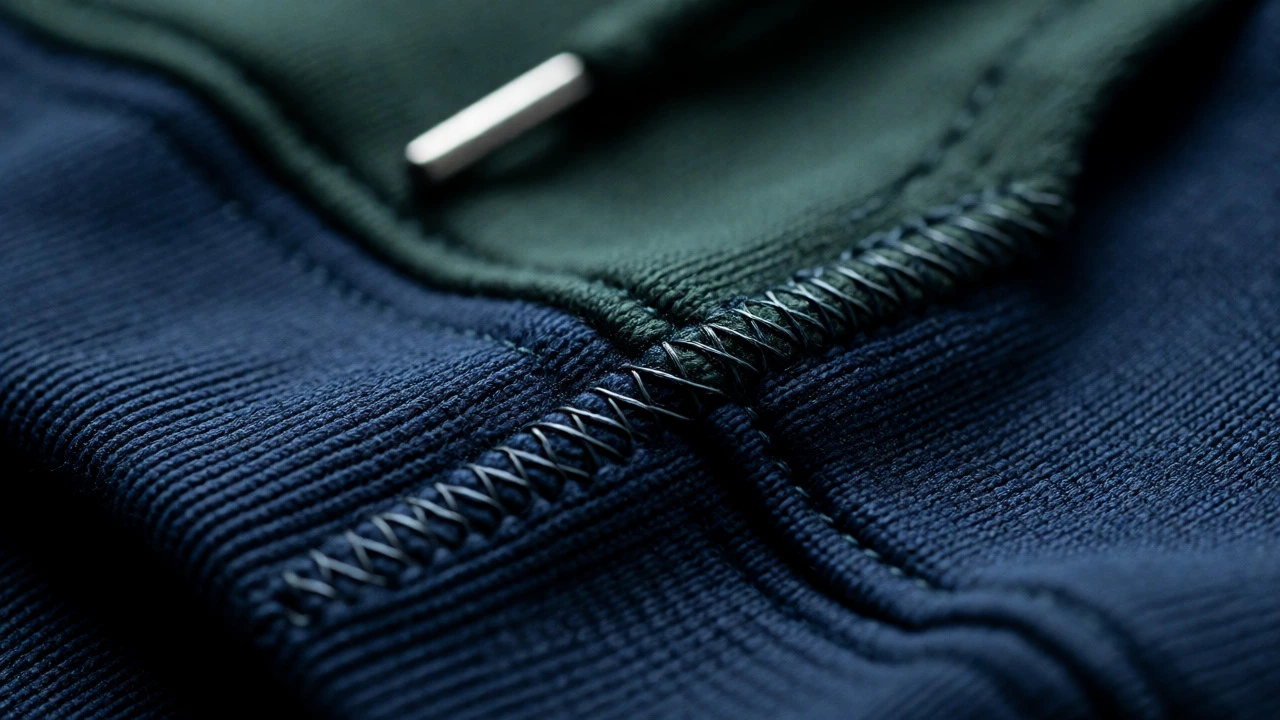
Turn the hoodie inside out. Yes, really. Look at the seams. Cheap manufacturing uses single-needle stitching. It’s fast and cheap, but it falls apart under stress. High-quality construction uses double-needle stitching is a sewing technique that creates two parallel rows of stitches for added strength and durability.
Run your finger along the side seams and the shoulder joins. They should be straight, tight, and free of loose threads. If you see gaps or uneven tension, the factory rushed the job. Also, check the hem and cuffs. Are they ribbed properly? Ribbing should snap back into place when you stretch it. If it stays stretched out, the elastic is poor quality. You’ll end up with baggy wrists after a month of wearing it.
Another pro tip: look for bar-tacks. These are small, dense clusters of stitches at stress points, like where the pocket attaches to the body. They prevent tearing. You won’t find them on bargain-bin hoodies. If you spot them, it’s a good sign the maker cared about longevity.
Hood Structure and Drawstrings: Function Over Form
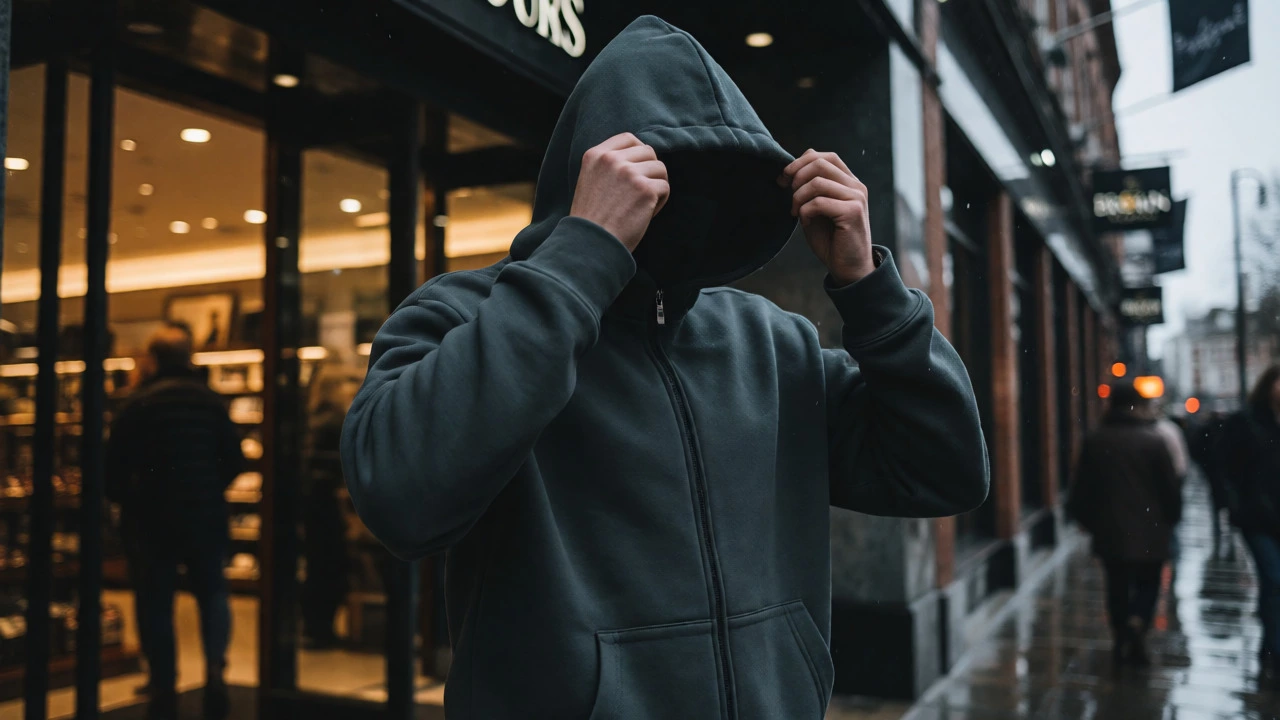
The hood is the most abused part of any hoodie. In Ireland, we pull it up constantly. If the hood is poorly made, it will flop forward or collapse flat against your back. A high-quality hood has structure. It should stand up on its own when laid flat. This usually means there’s extra fabric or interfacing in the crown of the hood.
Check the drawstrings too. Are they thick and durable? Cheap drawstrings fray and break easily. Better yet, look for metal aglets (the tips) instead of plastic ones. Plastic cracks in the cold; metal doesn’t. Also, ensure the eyelets-the holes the strings go through-are reinforced. If they’re just punched holes in thin fabric, they’ll tear out quickly. Reinforced eyelets are a hallmark of premium garments.
If you’re buying online from an Irish retailer like Brown Thomas or Arnotts, read reviews specifically mentioning the hood. People rarely complain about fit until the hood fails.
Pocket Quality and Zipper Integrity
Kangaroo pockets are standard, but how are they attached? On cheap hoodies, pockets are sewn onto the outside of the front panel. This creates a weak point. On high-quality ones, the pocket is integrated into the seam construction or reinforced heavily. Put your hands in the pocket and tug gently. Does it feel secure? Or does the whole front panel distort?
If your hoodie has a zip (half-zip or full-zip), test it immediately. Zippers are notorious failure points. Look for YKK zippers is a Japanese brand renowned for producing reliable, smooth-running zippers used in high-end apparel. YKK is the gold standard. If the zipper sticks, snags, or separates when you pull it up, send it back. There’s nothing worse than a zipper failing halfway through a hike in Wicklow Mountains because you didn’t check it in the fitting room.
Fit and Sizing: The Irish Cut
Quality isn’t just about materials; it’s about cut. Many international brands design for American or Asian body types. An "oversized" fit in the US might look sloppy in Europe. In Ireland, we tend to prefer a relaxed but structured fit. Not boxy, not tight.
Try the hoodie on. Raise your arms above your head. Does the hem ride up excessively? Good tailoring accounts for movement. Sit down. Does the fabric bunch uncomfortably around the waist? High-quality patterns allow for natural posture changes. Also, check the sleeve length. With your arms down, the cuff should hit right at your wrist bone. If it covers your hand, it’s too long. If it exposes your forearm, it’s too short. This seems obvious, but mass-produced sizes often miss the mark.
| Feature | Low Quality Indicator | High Quality Indicator |
|---|---|---|
| Fabric Weight | < 250 GSM, feels thin | 350+ GSM, feels substantial |
| Composition | > 30% Polyester, rough texture | Cotton-rich blend, brushed interior |
| Stitching | Single needle, loose threads | Double needle, clean seams, bar-tacks |
| Hood | Collapses, no structure | Stands up, reinforced eyelets |
| Zippers | Plastic, snags, generic brand | Metal aglets, YKK brand, smooth action |
Care Instructions: Will It Survive Your Washing Machine?
Finally, read the care label. High-quality manufacturers expect their products to last years. If the label says "Dry Clean Only," think twice. Who dry cleans a hoodie? Most people throw it in the wash. Look for instructions that say "Machine Wash Cold" and "Tumble Dry Low." If it requires special handling, it might be fragile.
Also, check for pre-shrunk certification. If the hoodie isn’t pre-shrunk, it could shrink a full size after the first hot wash. In Ireland, where we often wash clothes at higher temperatures to kill off mould spores from damp homes, this is crucial. Ask the staff at independent shops in places like Dublin’s Temple Bar or Belfast’s Cathedral Quarter if the garment is pre-shrunk. Reputable sellers will know.
Where to Buy Quality Hoodies in Ireland
You don’t need to spend a fortune, but you do need to know where to look. Fast fashion chains offer convenience, but their quality control varies wildly. For guaranteed quality, consider these options:
- Independent Irish Brands: Labels like Dublin-based streetwear brands often prioritize local production and ethical sourcing. They tend to use heavier fabrics suited to our climate.
- Department Stores: Brown Thomas and Arnotts carry mid-to-high-tier brands with strict quality standards. Their return policies are also robust, so if you spot a defect later, you can exchange it.
- Sports Retailers: Shops like Intersport or Sports Direct sometimes stock technical hoodies with excellent stitching, especially those designed for outdoor activities like hiking or cycling.
Avoid buying based solely on logo recognition. A famous logo doesn’t guarantee good fabric. Sometimes, you’re paying for marketing, not material. Focus on the tactile experience. Touch, stretch, inspect. Trust your hands, not the hype.
What is the best fabric for a hoodie in Ireland?
A cotton-polyester blend (around 80/20) with a heavyweight GSM (350+) is ideal. It offers the breathability of cotton and the shape retention of polyester, while the weight provides necessary warmth against Irish wind and rain.
How much should I pay for a high-quality hoodie?
In Ireland, expect to pay between €40 and €80 for a durable, well-made hoodie. Anything under €30 is likely fast fashion with shorter lifespan. Premium brands may charge over €100, often for specific design elements or sustainable sourcing.
Do expensive hoodies last longer?
Generally, yes. Higher prices often reflect better raw materials (higher GSM cotton), superior construction (double-stitching, YKK zips), and stricter quality control. However, always check the physical attributes rather than relying solely on price.
Can I wash a heavyweight hoodie in a normal cycle?
Yes, but use a gentle cycle with cold water to preserve the fibres and colour. Turn it inside out to protect the outer surface. Tumble dry on low heat or air dry to prevent shrinkage and maintain the fabric's integrity.
What does GSM mean on a hoodie label?
GSM stands for Grams per Square Meter. It measures the density and thickness of the fabric. A higher GSM indicates a heavier, thicker, and generally warmer and more durable hoodie.